In today’s fast-paced and constantly connected world, stress has become a daily reality for many people. Anxiety and depression are now among the most common mental health challenges across all age groups. These conditions affect far more than emotional well-being alone. Chronic stress often manifests physically through muscle tension, headaches, fatigue, and sleep disturbances. Massage therapy, widely recognized as a complementary wellness practice, offers both physical and psychological benefits that can support individuals struggling with anxiety and depression.
Massage therapy is not a cure for mental health conditions, but it can be a valuable part of a holistic approach to managing symptoms, improving mood, and supporting overall wellness.
What is massage therapy?
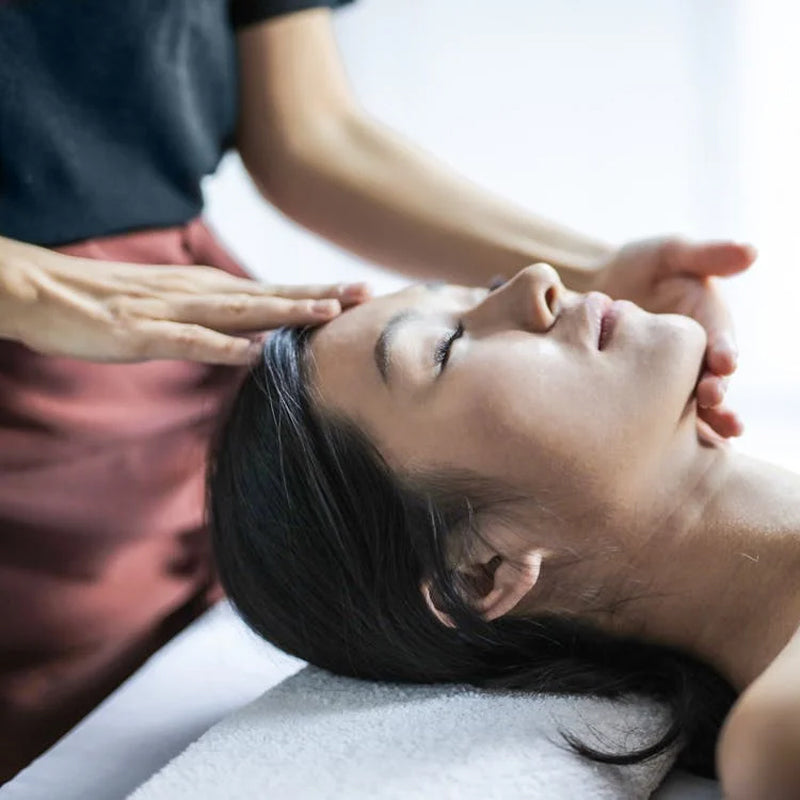
Massage therapy involves the structured manipulation of soft tissues, including muscles, tendons, and connective tissue, to improve circulation, relieve tension, and promote relaxation. This therapeutic practice has been used for thousands of years and remains a cornerstone of many integrative health programs today.
Research suggests that massage therapy helps stimulate the release of key neurotransmitters and hormones such as serotonin, dopamine, and oxytocin. These chemicals play an essential role in regulating mood, emotional balance, and stress response. Through regular massage sessions, many individuals report feeling calmer, more centered, and physically at ease.
How Massage Therapy Benefits Depression and Anxiety
Massage therapy offers multiple benefits for relieving anxiety and depression. Here are five benefits described below.
Encourages Relaxation and Emotional Connection
Human touch plays an important role in emotional regulation. Therapeutic massage provides a sense of comfort and connection that can reduce feelings of isolation, a common concern for those experiencing anxiety or depression. The release of endorphins during massage promotes feelings of calm and emotional stability.
Improves Sleep Quality
Sleep disturbances are closely linked to anxiety and depression. Massage therapy helps reduce cortisol levels and slow heart rate, allowing the nervous system to enter a more restful state. Studies have shown that even short massage sessions can improve sleep duration and quality by reducing pain and muscle tension that interfere with rest.
Reduces Stress-Related Physical Symptoms
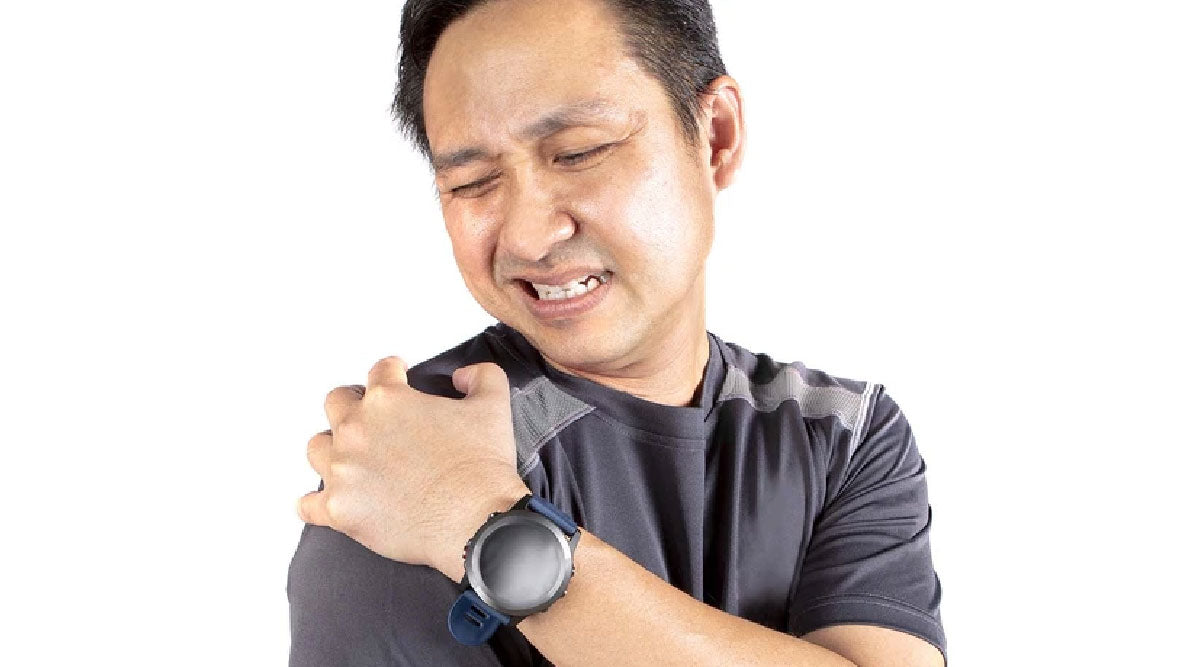
Chronic anxiety often leads to elevated blood pressure, increased heart rate, and muscle tightness. Massage therapy helps regulate these physiological responses, allowing the body to recover from prolonged stress. Lower stress levels can improve overall health while also easing mental strain.
Boosts Immune Function
Prolonged stress and depression can weaken the immune system. Massage therapy has been shown to increase white blood cell activity, helping the body defend against illness. Improved immune health contributes to better energy levels and resilience, which are essential when managing anxiety or depression.
Enhances Mindfulness and Self-Awareness
Massage therapy encourages individuals to reconnect with their bodies. This increased awareness helps people recognize where tension is stored and how stress impacts them physically. Developing mindfulness through massage can reduce rumination and improve emotional regulation over time.
Common Massage Techniques for Mental Wellness
- Swedish Massage
Swedish massage uses gentle, flowing strokes to promote relaxation and improve circulation. It is ideal for individuals new to massage therapy or those seeking stress relief and emotional balance.
- Deep Tissue Massage
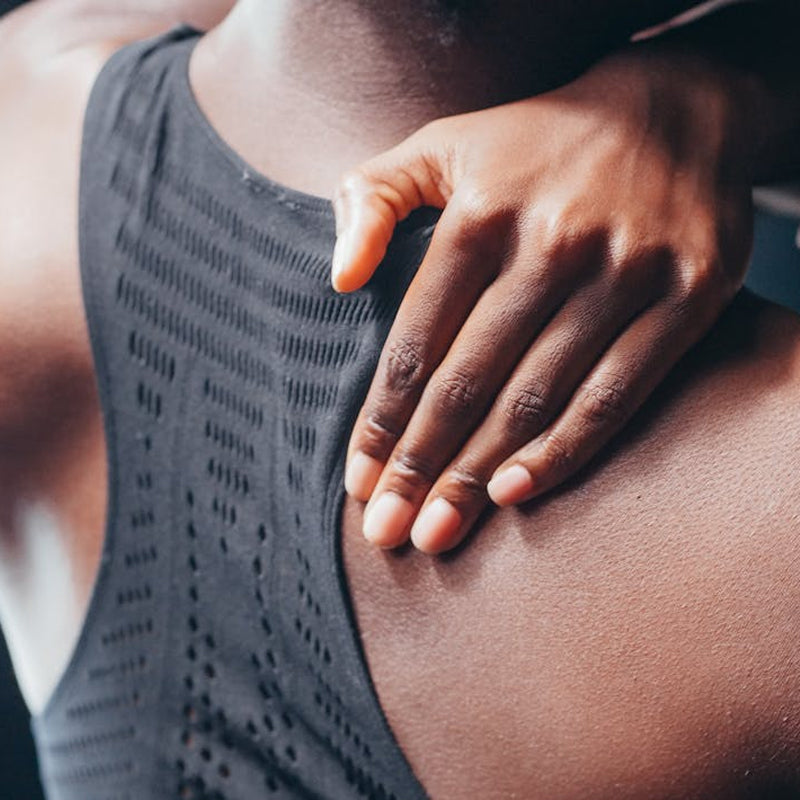
Deep tissue massage targets deeper muscle layers and is effective for chronic muscle tension caused by long-term stress and anxiety. It is especially helpful for the neck, shoulders, and upper back.
- Shiatsu Massage
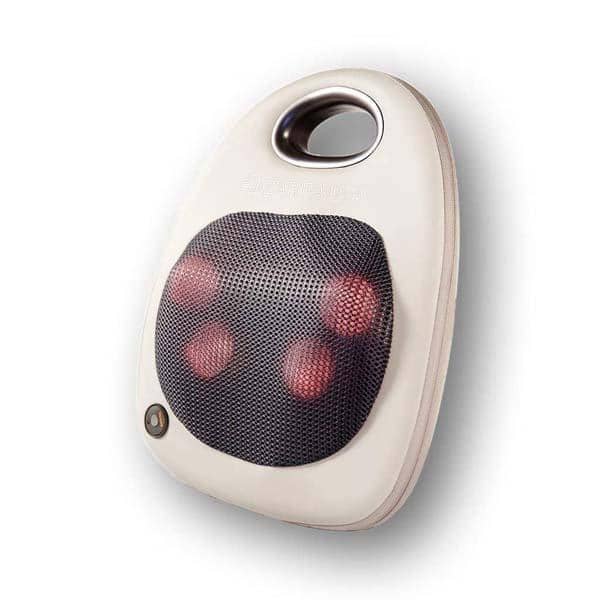
Shiatsu applies focused pressure to specific points on the body to restore energy flow and promote relaxation. Research supports its effectiveness in reducing stress and anxiety symptoms.
- Reflexology
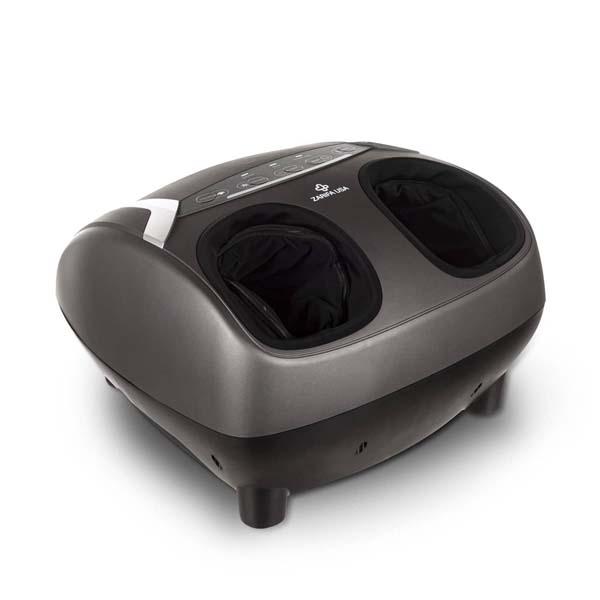
Reflexology stimulates pressure points in the feet, hands, and ears that correspond to different body systems. This technique supports relaxation, circulation, and emotional balance.
Incorporating Massage Therapy into Your Routine
To maximize the benefits of massage therapy for anxiety and depression, consider incorporating it into your regular health routine. Here are a few tips to get started:
- Set Regular Appointments: Schedule regular massage sessions to maintain consistency and maximize the therapeutic benefits.
- Combine with Other Therapies:Use massage therapy in conjunction with other treatments such as counseling, medication, or physical therapy for a comprehensive approach to managing anxiety and depression.
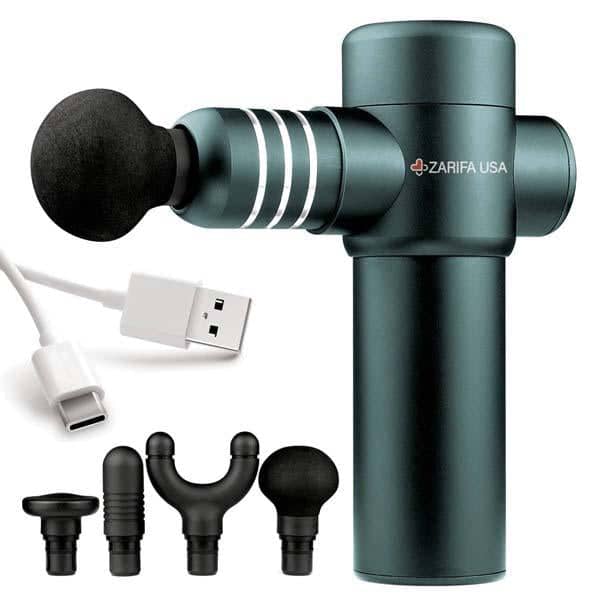
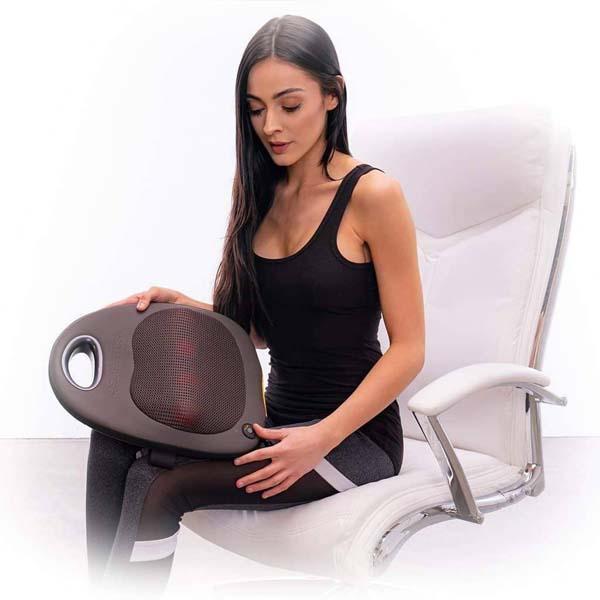
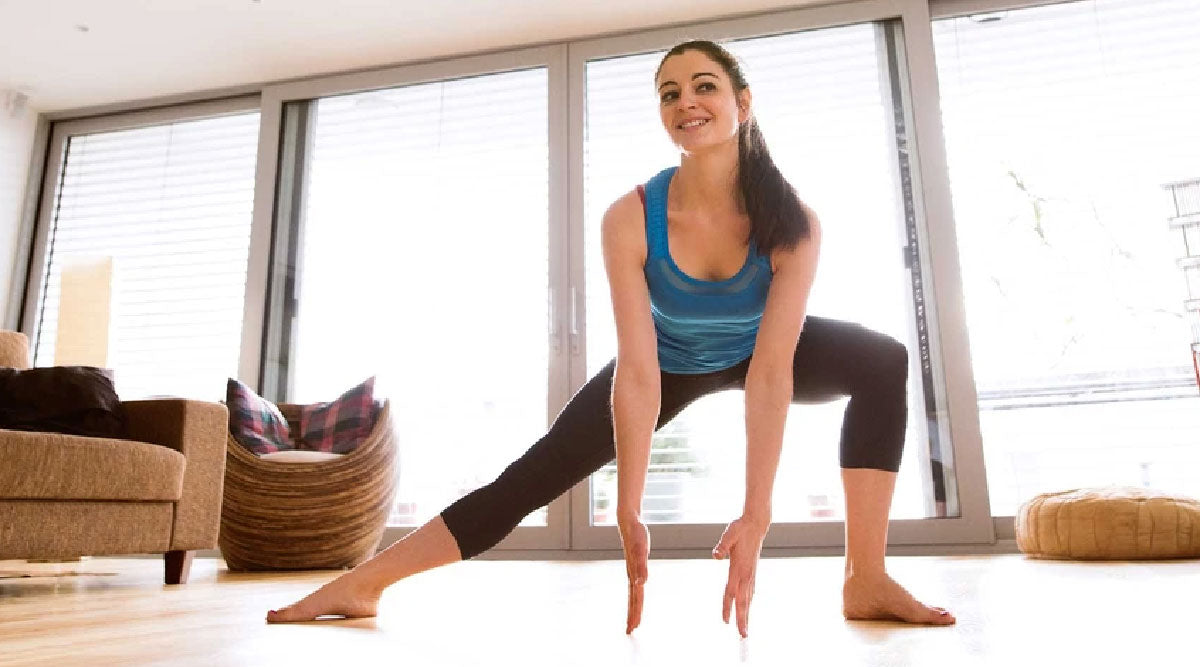
- Practice Self-Massage: Learn basic self-massage techniques to use at home between professional sessions. This can help manage stress and tension on a daily basis.
- Create a Relaxing Environment:Enhance the relaxation experience by creating a calming environment at home. Use essential oils, soft lighting, and soothing music to create a spa-like atmosphere.
Incorporating regular massage therapy into your routine can significantly reduce anxiety and improve overall well-being.
Discover a Smarter Way to Manage Stress and Support Emotional Balance
Massage therapy offers meaningful support for individuals experiencing anxiety and depression by addressing both physical tension and emotional stress. When combined with healthy lifestyle habits and professional guidance, it can be a powerful tool for improving overall well-being.
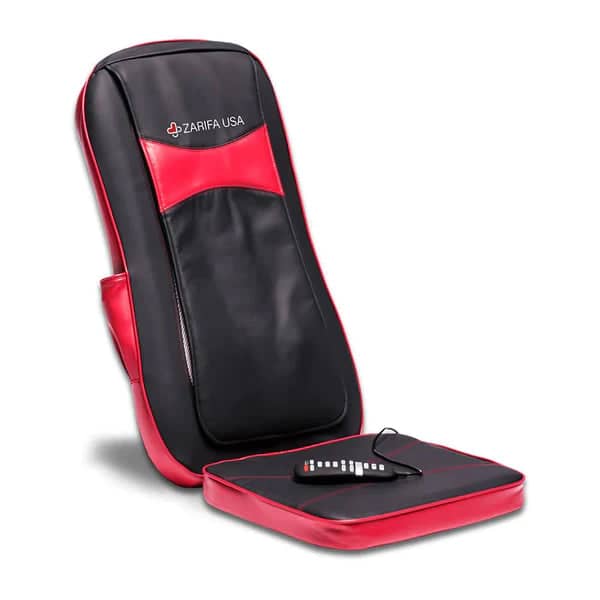
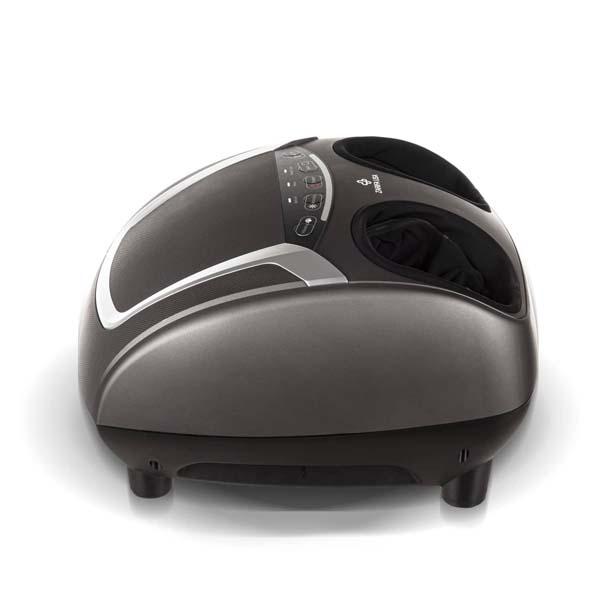
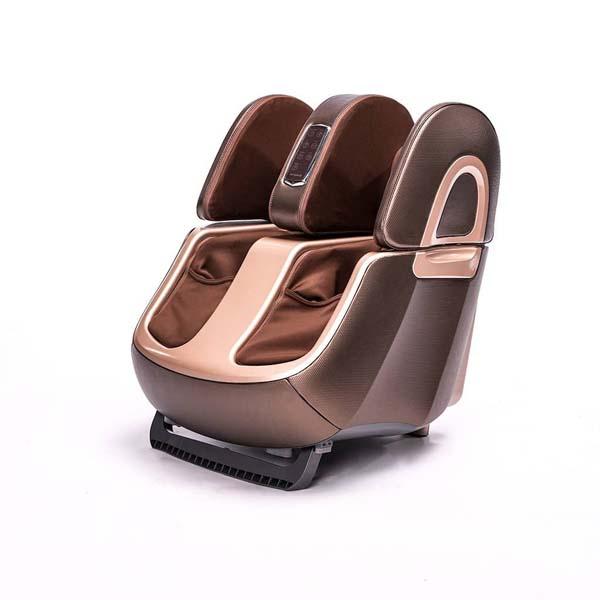
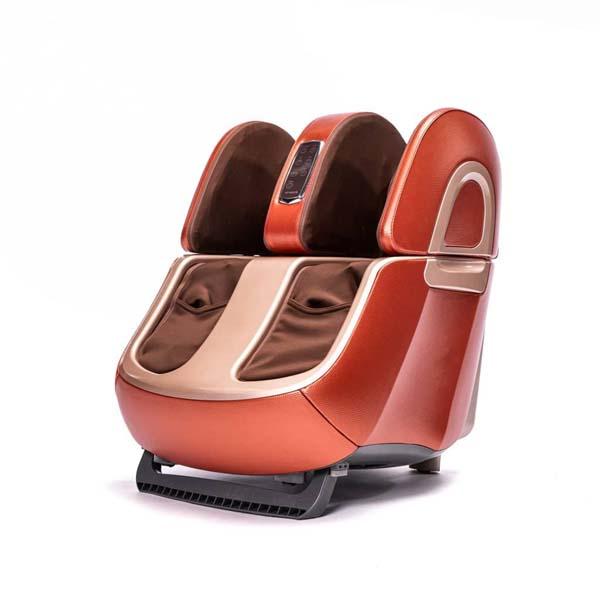
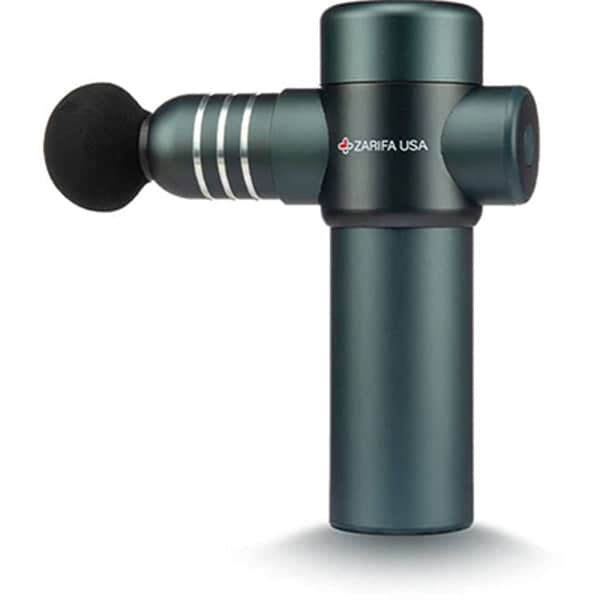
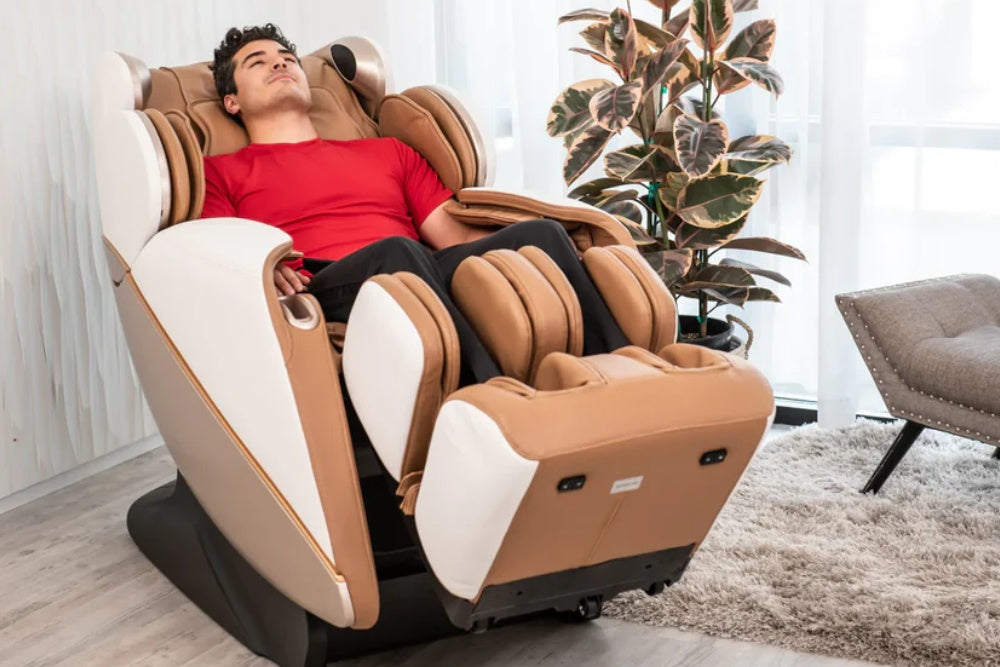
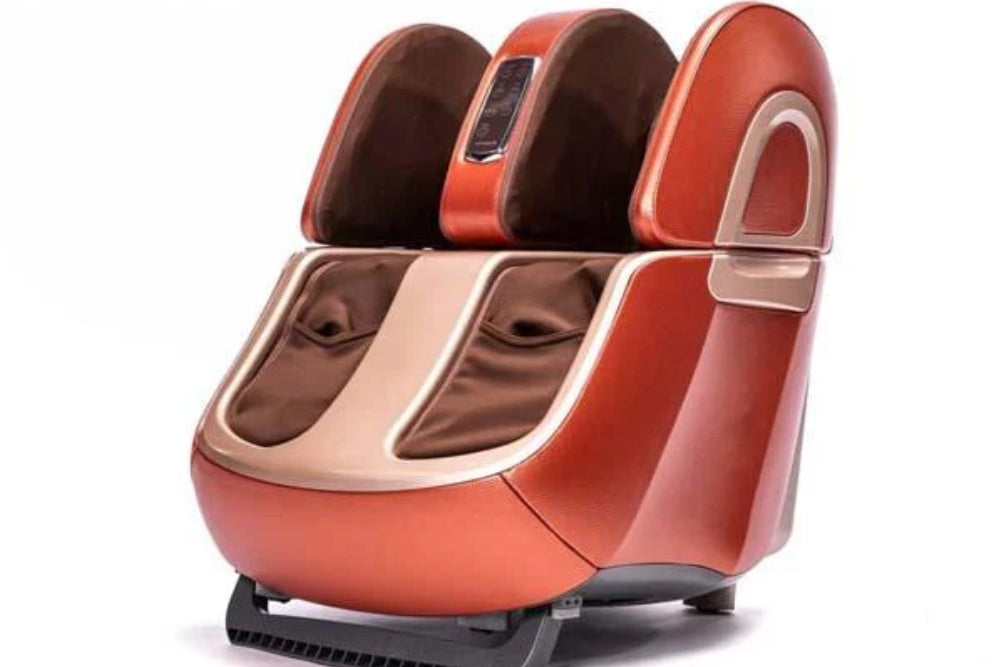
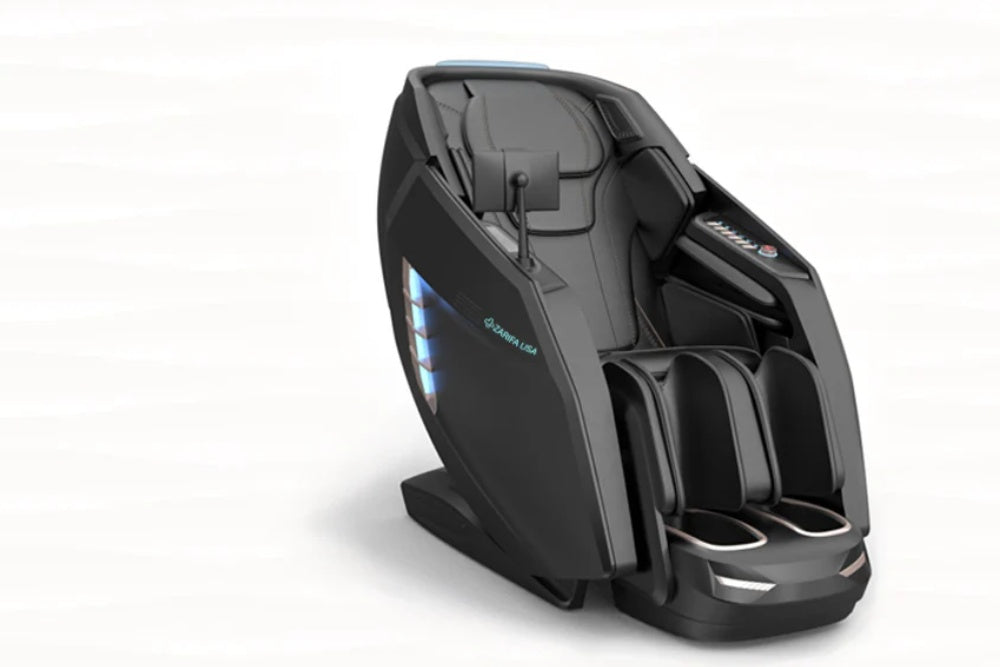
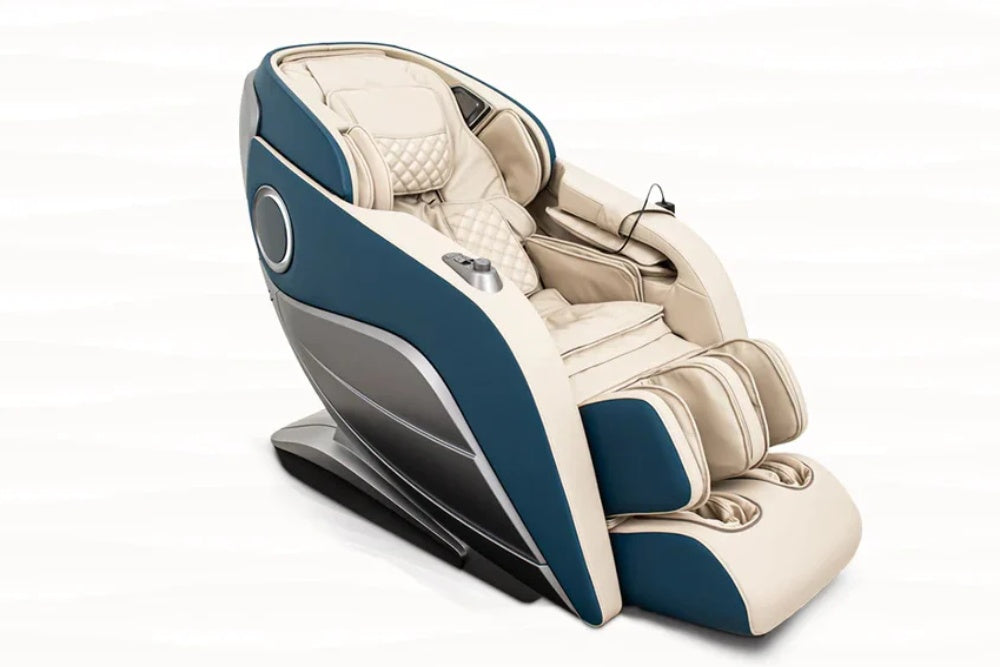
If you are looking for a convenient and consistent way to experience the benefits of massage therapy at home, Zarifa USA offers advanced massage chairs designed to promote relaxation, stress relief, and full-body comfort.
Explore your options today or schedule a consultation with Zarifa USA to find a solution tailored to your wellness needs and lifestyle.