Daily screen use has reshaped how people work, communicate, and relax, but it has also placed constant strain on the eyes. Hours spent in front of computers, tablets, and smartphones can lead to digital eye fatigue, dryness, headaches, and difficulty focusing. These symptoms, often grouped under digital eye strain, have become increasingly common across age groups and professions.
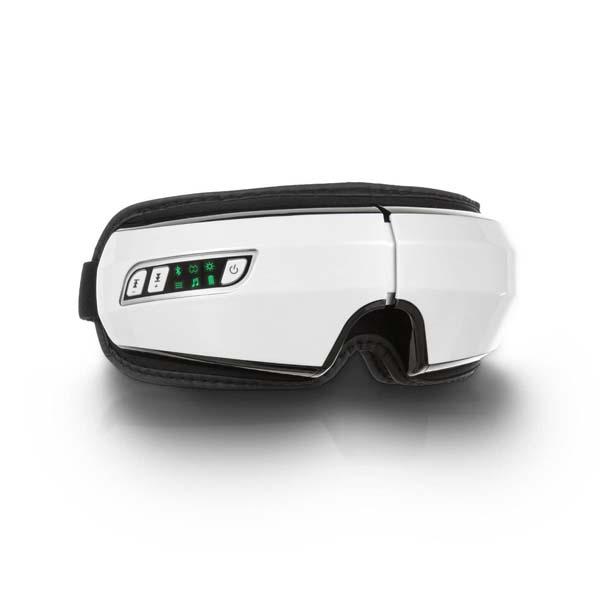
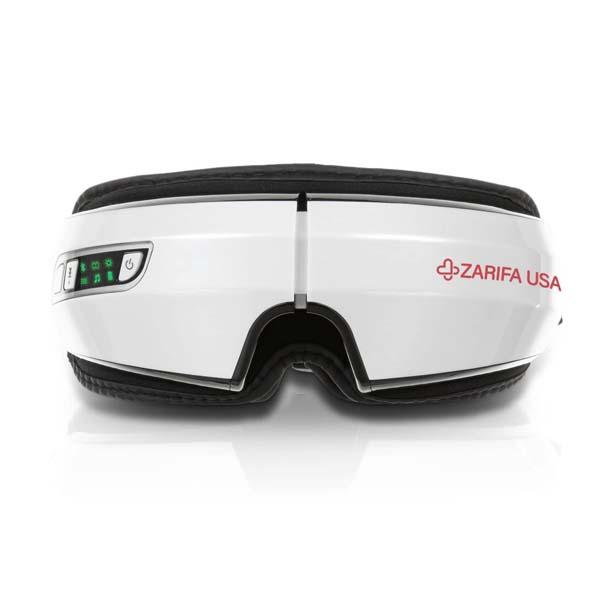
Alongside traditional eye care practices such as regular eye exams and proper screen habits, eye massagers have emerged as a practical wellness tool for relieving tension, improving comfort, and supporting eye recovery. Devices like the Zarifa Eye Massager use gentle compression, heat, and rhythmic massage to soothe tired eyes while encouraging relaxation.
This guide explains how modern lifestyles affect eye health, the causes and symptoms of digital eye strain, and how eye massagers can play a meaningful role in promoting everyday eye wellness.
The Impact of Modern Lifestyles and Digital Devices on Eye Health
In the digital age, modern lifestyles have undergone a significant transformation, heavily relying on electronic devices such as smartphones, tablets, computers, and televisions. While these advancements have undoubtedly improved connectivity and convenience, they have also brought about new challenges, particularly concerning eye health.
Prolonged exposure to screens, often characterized by staring at digital displays for extended periods, has become commonplace in today’s society. This phenomenon, known as digital eye strain or computer vision syndrome, has emerged as a prevalent issue affecting individuals of all ages.
One of the primary causes behind digital eye strain is the blue light emitted by electronic devices. Blue light exposure can lead to eye fatigue, dryness, and discomfort, as well as disrupt sleep patterns and circadian rhythms. Additionally, the constant focusing and refocusing required when viewing screens can strain the eye muscles, leading to headaches, blurred vision, and difficulty concentrating.
Exposure to bright light or spending time in a place that's too dim can tire the eyes, leading to fatigue, irritation, and burning sensation.
Moreover, modern lifestyles often involve other factors contributing to eye strain , such as poor lighting conditions, improper ergonomics, and decreased blinking rates. These factors increase the strain placed on the eyes, further increasing the risk of discomfort and vision problems.
The impact of modern lifestyles on eye health extends beyond digital devices. Prolonged computer use and other digital devices such as cell phones and tablets can cause significant eye strain. Other activities, such as reading in low light, driving long distances, and exposure to excessive sunlight time without adequate eye protection, can also contribute to eye strain and discomfort.
To mitigate the adverse effects of modern lifestyles on eye health, adopting healthy habits and practices is essential. This includes taking regular breaks from screens, practicing the 20-20-20 rule (taking a 20-second break every 20 minutes to look at something 20 feet away), adjusting screen settings to reduce blue light exposure, ensuring proper lighting and ergonomics, and wearing protective eyewear when necessary.
By being mindful of the impact of modern lifestyles on eye health and implementing preventive measures, individuals can safeguard their vision and maintain optimal eye health.
Causes And Symptoms of Digital Eye Strain
Eye strain, also known as asthenopia, is a common condition that affects millions of people worldwide. It occurs when the eyes become tired from intense or prolonged use, resulting in discomfort and vision disturbances. Eye strain, or asthenopia, develops when the eyes become fatigued from prolonged or intense use. The most common cause today is extended screen time, which exposes the eyes to glare, blue light, and constant refocusing demands. Sitting too close to a screen, poor posture, or improper lighting can further worsen symptoms.
Common signs of eye strain include:
- Eye discomfort or aching
- Blurred or double vision
- Dry, watery, or gritty-feeling eyes
- Headaches, especially around the temples
- Neck and shoulder tension from poor posture
Other symptoms may include light sensitivity, difficulty concentrating, and general fatigue. When these issues occur regularly, simple adjustments such as taking screen breaks, improving lighting, and maintaining proper posture can help. If symptoms persist, an eye care professional should evaluate vision and eye health.
How Eye Massagers Help Relieve Eye Strain
Eye massagers offer a non-invasive way to reduce tension and promote relaxation around the eyes. Most devices use a combination of gentle air compression, vibration, and heat therapy to stimulate circulation, relax muscles, and ease discomfort.
By applying controlled pressure to specific areas around the eyes, these devices help release tight muscles and reduce fatigue. Heat therapy further enhances relaxation by soothing tired eye tissues and promoting blood flow. Many models also include customizable settings so users can adjust intensity, temperature, and massage style based on personal preference.
Portability is another advantage. Most eye massagers are lightweight, rechargeable, and easy to carry, making them suitable for use at home, at work, or while traveling. Some models even feature Bluetooth connectivity, allowing users to listen to calming music during their session.
Studies and user feedback suggest that regular use of eye massagers can reduce symptoms of digital eye strain
Key Features to Consider When Choosing an Eye Massager
- Massage Techniques and Programs
Look for devices that offer multiple massage modes, such as air compression, vibration, heat therapy, and acupressure. Variety allows users to target different types of discomfort, from tension headaches to dryness or general fatigue.
- Comfort and Fit
A well-designed eye massager should fit comfortably over the eyes and nose bridge. Adjustable straps, soft padding, and lightweight materials improve comfort and usability.
- Portability and Battery Life
Compact, rechargeable models are ideal for daily use and travel. USB charging adds convenience, while longer battery life reduces the need for frequent recharging.
- Technology and Customization
Features such as adjustable intensity levels, built-in timers, Bluetooth music, and smart sensors enhance the user experience and allow for greater personalization.
- Safety and Reliability
Choose devices that meet recognized safety standards and include features such as automatic shut-off and temperature control to prevent overheating.
Give Your Eyes the Care They Deserve
Take a proactive step toward clearer, calmer, and more comfortable vision with Zarifa USA’s premium eye massagers. Designed for everyday use, our devices help reduce tension, improve circulation, and promote deep relaxation after long screen hours. Explore Zarifa USA today and find an eye massager that fits your lifestyle, your routine, and your wellness goals.
FAQs
What massage techniques are available in eye massagers?
Eye massagers typically offer a variety of techniques such as compression, vibration, heat therapy, and acupressure.
How important is comfort and fit when selecting an eye massager?
Comfort and fit are crucial for a relaxing experience; choose a device with an ergonomic design and adjustable straps for a snug fit.
Can I use an eye massager while traveling?
Yes, opt for a portable and lightweight eye massager with a rechargeable battery for on-the-go relaxation.
What innovative features should I look for in an eye massager?
Look for features like adjustable settings, timers, Bluetooth connectivity, and smart sensors for personalized and convenient use.
Are there safety considerations when choosing an eye massager?
Yes, ensure the device is FDA-approved, has built-in safety features like automatic shut-off, and meets medical device standards.