In this article
Neck spasms occur when muscles in the neck tighten suddenly and involuntarily. This unexpected contraction can limit movement, cause stiffness, and make even simple head turns uncomfortable. In some cases, prolonged spasms may also trigger headaches or radiating pain into the shoulders and upper back.
Understanding what causes neck spasms and how to treat them effectively can help reduce discomfort and prevent recurring episodes.
What Causes Neck Muscle Spasms?
Neck muscle spasms are often the body’s protective response to overuse, strain, or imbalance. When muscles are overstretched or placed under excessive stress, they contract to prevent further injury. In other cases, incorrect nerve signals may trigger muscle tightening without warning.
Common causes of neck spasms include:
- Poor posture while working, reading, or using electronic devices
- Sleeping in an awkward position or using an unsupportive pillow or mattress
- Sudden movements or lifting heavy objects
- Prolonged stress or emotional tension
- Dehydration and muscle fatigue
- Sports injuries or accidents such as whiplash
According to the Cleveland Clinic, muscle spasms often develop due to repetitive strain or muscle fatigue, especially when posture and ergonomics are ignored.
Symptoms of Neck Spasms
The severity of neck spasms can vary from mild stiffness to intense pain that interferes with daily activities. Some individuals experience additional symptoms due to prolonged muscle tension and restricted blood flow.
Common symptoms include:
- Sudden stiffness and limited range of motion
- A tight or knotted sensation in the neck muscles
- Headaches caused by referred pain
- Shoulder or upper back discomfort
- Dizziness or fatigue due to ongoing muscle contraction
- Tingling or weakness if nerves are irritated
- If symptoms worsen or extend into the arms or hands, medical evaluation is recommended.
Effective Remedies for Neck Muscle Spasms
Most neck spasms improve within five to seven days using conservative treatments. Persistent pain may require professional evaluation or physical therapy.
Heat or Cold Therapy
Both heat and cold therapy can provide relief depending on personal preference. Heat helps relax tight muscles and improve circulation, while cold reduces inflammation and numbs pain.
- Apply a warm compress, heating pad, or warm shower
- Use an ice pack wrapped in a towel
- Apply for 15 to 20 minutes, several times daily
Avoid placing ice or heat directly on the skin to prevent irritation.
Stretching and Gentle Movement
Stretching helps release muscle tension and restore flexibility. Slow, controlled movements are essential to avoid aggravating the spasm.
- Tilt your head gently toward one shoulder until a stretch is felt
- Hold for 10 seconds and repeat on the opposite side
- Sit upright, clasp hands behind your back, and gently tilt your head to the side
If a stretch causes pain, discontinue and try a different movement.
Over the Counter Pain Relief
Nonprescription medications such as ibuprofen or acetaminophen may reduce inflammation and discomfort. Always read labels carefully and consult a healthcare provider if you are taking other medications or have underlying conditions.
Massage Therapy
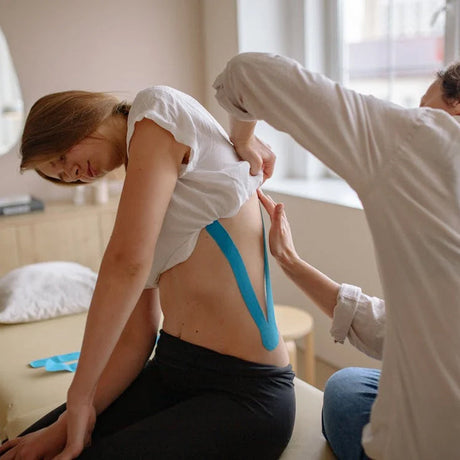
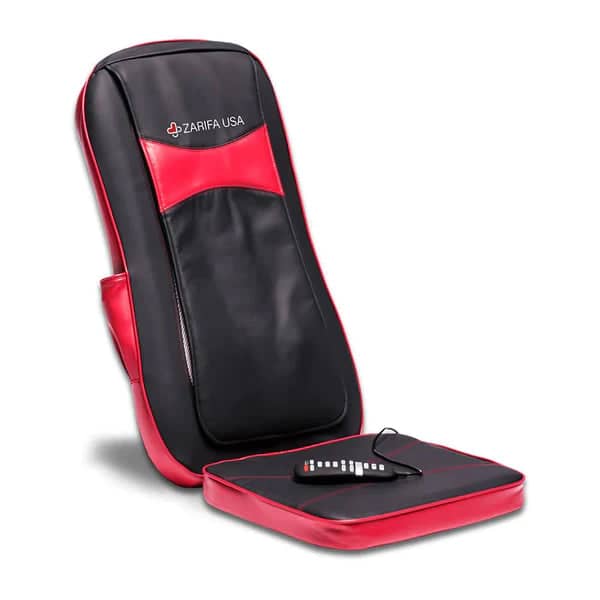
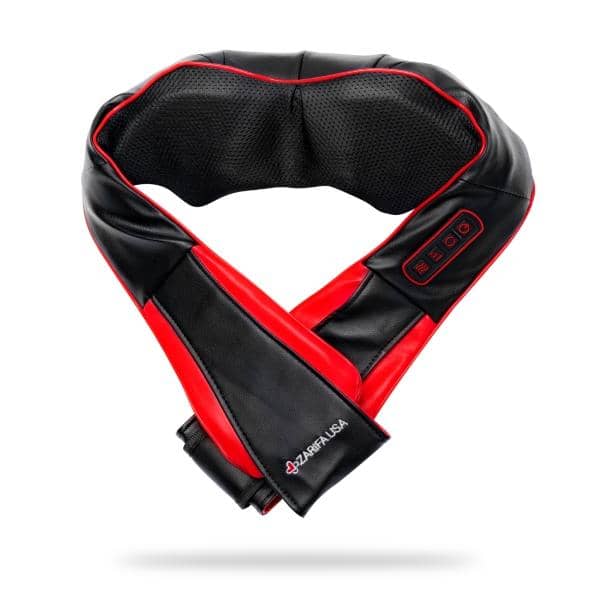
Massage therapy can help relax tight muscles, improve blood flow, and restore range of motion. A trained massage therapist can target trigger points responsible for muscle tension. For those seeking at home relief, neck and shoulder massagers offer a convenient alternative to professional sessions.
Research published by the National Institutes of Health supports massage therapy as an effective option for reducing muscle tension and improving mobility.
Activity Modifications and Posture Awareness
Remaining active is encouraged, but certain movements may need to be limited temporarily.
- Avoid heavy lifting and strenuous activities for the first few days
- Maintain proper posture while sitting and working
- Adjust workstation ergonomics to reduce neck strain
- Avoid driving if neck movement is significantly restricted
Small posture corrections can significantly reduce the likelihood of future spasms.
When to See a Doctor or Physical Therapist
Medical attention is advised if neck spasms:
- Persist longer than two weeks
- Worsen despite home treatment
- Limit head movement significantly
- Radiate into the arms or shoulders
- Are accompanied by fever, numbness, or weakness
Physical therapists often recommend strengthening and range of motion exercises to support long term recovery and prevent flare ups.
Long Term Neck Care and Pain Prevention
Stress management plays an important role in preventing muscle tension. Relaxation techniques such as deep breathing, mindfulness, meditation, and progressive muscle relaxation may reduce stress related neck tightness.
Support Your Neck Health With Daily Muscle Relief
Managing neck spasms requires consistency and proper muscle care. Incorporating regular stretching, posture awareness, and muscle relaxation into your routine can help prevent recurring discomfort. Using a dedicated neck and shoulder massager after long workdays or physically demanding activities may support muscle recovery and relaxation.
If pain becomes severe or persistent, consult a medical professional to determine the most appropriate treatment plan.
Take the Next Step Toward Lasting Neck Relief
If neck spasms are affecting your comfort, productivity, or quality of life, proactive muscle care can make a meaningful difference. Zarifa USA offers advanced neck and shoulder massage solutions designed to support muscle relaxation, improve circulation, and promote daily recovery from tension and strain. Whether you are managing recurring discomfort or looking to prevent future flare ups, incorporating targeted massage therapy into your routine can help support long term neck health.
Explore Zarifa USA’s collection today and schedule a consultation to determine the right solution for your recovery and wellness goals.