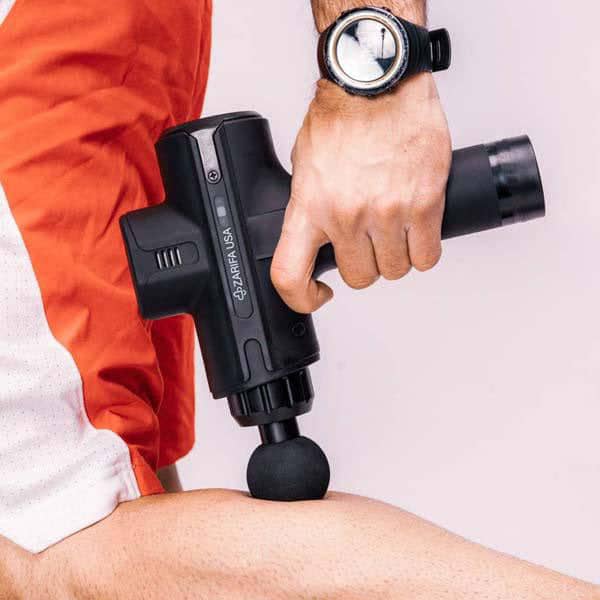
The short answer is yes. Major arteries, nerves, lymphatic vessels, and organs might be damaged by massage guns when improperly used. Consulting with a massage therapist can provide guidance on the safe usage of a massage gun and help prevent injury. Additionally, seeking advice from a physical therapist is crucial for understanding the safe application of massage guns, especially for those recovering from injury or muscle pain. Massage guns are highly effective tools when used correctly and by trained individuals. However, untrained users may be at increased risk of injury. Inappropriate or excessive use may result in more harm than benefit.
A John Hopkins study claims that every organ, blood vessel, bone, nerve fiber, and muscle is held in place by a tiny layer of connective tissue called fascia. When excessive force is applied, such as from a powerful motor, blood vessels may be damaged, leading to inflammation and bruising.
The purpose of massage treatment is to enhance blood flow, which supplies our muscles with healthy nutrients and oxygen. By damaging blood vessels, you negate these potential benefits.
What Are Massage Guns, and How do They Work?
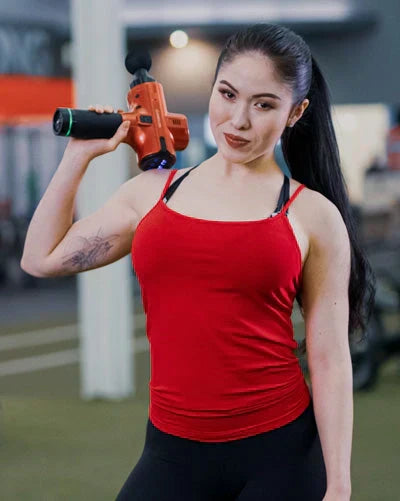
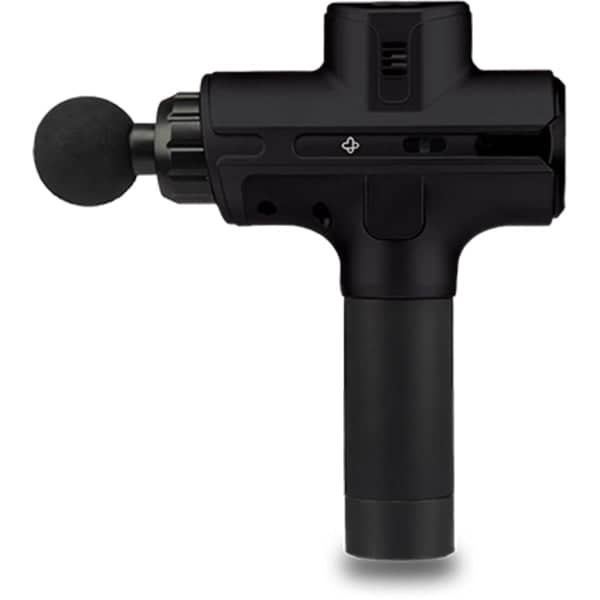
Small and compact, a massage gun resembles and sounds like a drill. Massage guns usually come with a variety of attachments and speeds that ease muscle soreness. Massage guns are a form of percussive therapy, using repetitive pressure and vibration to massage soft tissue. They also utilize vibration therapy to promote muscle recovery. Massage guns are sometimes referred to as vibratory or percussion-based therapy devices, and similar therapeutic tools have been used for many years.
Most medical professionals and therapists concur that stimulating muscle tissue reduces pain, increases circulation, and relieves tension. Studies have shown that massagers promote short-term muscle length and diminish delayed-onset muscle soreness (DOMS). After intense exercise, DOMS can cause muscle soreness lasting up to 72 hours. Massage guns may help decrease muscle soreness and support faster muscle recovery in the areas engaged during exercise.
Is Using a Massage Gun Harmful?
A massager gun is a safe choice in the hands of a competent user. Inexperienced new users may encounter various problems due to improper handling. Improper or excessive use of massage guns could cause muscle pain and injury. Applying continuous pressure or vibration to a single area for too long may result in increased muscle tension, tissue damage, and significant discomfort.
How Can Massage Guns be Dangerous?
Massage guns can pose risks if they are used improperly on certain muscle groups. Incorrect application may worsen muscle soreness and contribute to discomfort rather than relief.
Massage guns can be dangerous in the following ways:
Damage to Blood Vessels from Massage Guns
When blood vessels break, a medical disorder known as blood vessel rupture results. As blood vessels rupture, blood may leak into the surrounding muscle tissue, resulting in bruising and localized swelling.
Dermal Damage
Your skin, also known as the dermis, is the primary tissue layer that helps protect your internal organs. Massage therapy tools and techniques first interact with the skin before affecting deeper tissues. Just below the epidermis, there are many blood vessels and nerve endings. Even though these nerve endings and blood vessels are protected, the protective coatings of collagen and elastin fibers change significantly with age, gender, and health.
If you are young, muscular, and have thick skin, you'll probably be able to handle the high-frequency vibrations of a massage gun. The massage gun's lowest setting will probably be too intense for someone with soft, sensitive skin.
Pulled Skin and Muscles
Repetitive, rapid impacts from a percussive massage gun can stretch the collagen and elastin fibers in the skin and underlying muscle tissue. The percussion massage gun's quick, constant strikes to your skin over time may cause your skin to become sagging and stretched.
Skeletal Muscle Damage
Skeletal muscle is heavier and thicker than fat. It's composed of protein, actin, and myosin. Fascia is a protective, fibrous, web-like tissue that surrounds the muscles. If used improperly, a massage gun has the potential to damage skeletal muscle or surrounding tissues.
Every organ, blood vessel, bone, nerve fiber, and muscle are covered in fascia. Fascia is a thin layer of connective tissue that surrounds them and holds them in place. Applying excessive force to this area with a high-intensity massage gun can damage blood vessels, increase inflammation, and lead to bruising.
Massage treatment improves blood flow, which supplies our muscles with oxygen and nutrients. As you push the massage gun into your muscle, the skin, fat, fascia, nerves, and blood vessels receive hundreds of firm up-and-down pulses. If these tissues are damaged through improper use, the potential benefits of massage can be negated.
Nerve Sensitivity
As a result of the percussion therapy tool's pressure, rapid strokes, and mechanical force, your skin's nerve endings can send unwanted messages to your brain. This overstimulation may temporarily increase your blood pressure and heart rate.
Muscle Contractions
When neurons fire fight or flight signals, muscles react by contracting. Increased muscle contractions, especially in response to external stimuli, are ineffective when a muscle is trying to relax and release tension.
The Following Situations Warrant not Using a Massage Gun:
Sprain
A sprain is a form of muscle or ligament damage. A quick movement that stretches the muscle past its breaking point causes this injury. People experiencing a sprain may sometimes hear a popping sound at the moment of injury. Using massage tools on a sprained area can worsen the damage and delay recovery.
Strain
Whenever a muscle is strained beyond its usual range of motion, an injury of this sort results. This is frequently the consequence of poor form, quick movements, and misuse of the muscles. Using a massage gun on a strained muscle can intensify the injury and delay healing.
Inflammation
Damage-related inflammation is the body's natural reaction to injury. The body sends blood to the injured region, causing inflammation. Tendinitis, fasciitis, bursitis, and periostitis are a few common inflammatory disorders. Individuals experiencing inflammation should avoid using a massage gun, as it may worsen the condition and slow the healing process.
Fractured bones
Even though this one might seem obvious, some people have attempted it. Fractured bones shouldn't be subjected to percussion massage gun therapy. This applies even to individuals who have been cleared for exercise. Applying force to a broken or recently repaired bone can cause further fractures or serious injury. Do not attempt this under any circumstances.
Safety Guidelines for Using a Massage Gun
Don't Go Overboard
Extended periods of massage may not necessarily result in faster recovery. Due to the strength of the massage gun, you should keep your sessions to a maximum of three minutes for any big muscles, such as the quadriceps, and a maximum of two minutes for smaller muscles like those around the neck. Focus on improving circulation and gently stimulating the muscles just enough to promote relaxation.
Don't Use If You Are on Blood Thinners
At all costs, avoid using your massage tool on your legs if you take blood thinners to prevent clotting. Visit a nearby massage parlor instead, and request a Swedish-style massage.
Don't Use If You Are Highly Susceptible to Nausea
If loud, high-frequency vibrations make you feel queasy, use caution when applying a massage gun near your head. A standard massage gun's beat is strong enough to displace the fluid in your inner ear, which can result in nausea and vomiting in some people.
Don't Use If You Have Sensory Deficits
People should avoid using a massage gun on any areas of the body that are numb. This is especially important for individuals with peripheral neuropathy, often caused by diabetes. You could hurt yourself without even realizing it if you don't have dependable sensory input.
Read the Cautions and Restrictions
- Do not use a massage gun during pregnancy without consulting your doctor first.
- Never administer to minors, the elderly, or anybody with a medical condition for whom it is not recommended in the unit's documentation. First, speak with your healthcare practitioner.
- Use only as long as instructed.
- Do not use the massage gun on the breast, face, or head.
- Do not rest your body on a massage gun before going to bed.
The Bottom Line
Spending money on physio sessions, sports massages, and other rehabilitation techniques can add up quickly. Investing in a massage gun can be a one-time expense that helps save money over the long term.
A note of caution before you use a massage gun: make sure you use your massage gun safely and follow instructions for the best results. Massage guns can be effective tools for healing and recovery, but they can be harmful if used improperly.
Lastly, don't fall for the lies of other manufacturers that massagers are a miraculous new invention. In reality, they are modern versions of vibrating massage tools that have existed for decades.
All Zarifa USA products are HSA and FSA eligible. This allows you to use your health savings funds toward the purchase of any of our products.
Protect your muscles and recover safely. Learn how to use massage guns properly and avoid injuries today.