In this article
Your nervous system is composed of a prodigious system of nerves. These nerves (from the peripheral nervous system) are like live wires carrying information between your brain and spinal cord (central nervous system), and the rest of the body. From your heart muscle to each individual tooth, every structure has its own dedicated nerve supply, ensuring that your body functions seamlessly.
Damage to any one or more of the nerves that carry information from/or to the brain can lead to a condition called neuropathy. In this discussion, we will explore how massage chairs can help alleviate symptoms of neuropathy and support neuropathy-focused massage therapy.
What Is Peripheral Neuropathy?
Peripheral neuropathy is a condition where there is disruption of the peripheral nervous system. In this disease, the peripheral nerves are damaged and unable to carry nerve impulses between the CNS and the rest of the body.
As per the National Institute of Neurological Disorders and Stroke, more than 20 million people have been estimated to be suffering from neuropathy in the United States alone. The actual number may be even higher, as this complex condition is frequently misdiagnosed due to its often confusing and subtle symptoms.
Types of Neuropathies
Mononeuropathy
Mononeuropathy refers to the condition where only one nerve is involved (damaged). This condition is often caused by prolonged pressure on the affected nerve, leading to localized pain, numbness, or weakness.
Carpal tunnel syndrome is a common example of peripheral mononeuropathy. It develops in the wrist when the median nerve is compressed or irritated, often as a result of repetitive motion, overuse, or injury. This can lead to symptoms such as pain, numbness, and tingling in the hand and fingers.
Mononeuropathy Multiplex
Also known as multiple mononeuropathies, this condition is characterized by damage to two more nerves present in different areas of the body.
Polyneuropathy
When many or most of the nerves are affected, the condition is called polyneuropathy. It is more common than mononeuropathy or multi-neuropathy and can affect both sensory and motor functions. One of the most frequent causes of polyneuropathy is diabetes, making diabetic patients particularly susceptible to this condition.
The most common type of polyneuropathy is diabetic neuropathy. It is a complication of long-standing diabetes in patients with poorly controlled blood sugar levels. Over time, high blood sugar can damage nerves and reduce blood flow, resulting in diabetic peripheral neuropathy, which often causes pain, tingling, or numbness in the hands and feet.
Symptoms
Disruption of the intricate network of peripheral nerves manifests itself in the following ways:
Tingling and Burning
This is a typical neurological presentation. A lot of patients complain of having sensations of pins and needles type of tingling in the affected area i.e. arms and legs. Persistent burning, tingling, or numbness in these regions can be a strong indicator of neuropathy, particularly in individuals with diabetes.
Pain
Neuropathy, especially diabetic neuropathy, can be associated with chronic pain with or without pain. When pain is present, it can vary in intensity and quality. Some patients describe it as throbbing or stabbing, while others compare it to sudden, lightning-like jolts. This variability in symptoms is common in nerve-related conditions.
Muscle Weakness
When a motor nerve is involved (damaged) you shall experience muscle weakness on that side. In addition to weakness, you might also notice muscle shrinking (wasting) and muscle fasciculations i.e. uncontrolled muscle twitchings.
Other Symptoms
When the nerves that control internal organs are disrupted, as occurs in conditions like Guillain-Barre syndrome, the resulting symptoms vary depending on the organ involved. Chronic polyneuropathy can manifest in several ways, including:
- Diarrhea/constipation
- Loss of bowel/bladder
- Sexual dysfunction
- Arrhythmia of the heart
- Blood pressure undulations
Causes Of Neuropathy
In most cases (1/3rd of all cases) neuropathies are idiopathic and no one knows the underlying cause. While some neuropathic conditions are inherited, peripheral neuropathy can also develop later in life due to factors such as diabetes, injury, infections, or exposure to toxins.
Acquired Neuropathy
There are different causes and risk factors that can lead this nerve issue:
Underlying Disease
Conditions such as diabetes, kidney disease, and hypothyroidism can contribute to nerve damage over time. Auto-immune diseases may also lead to aggressive destruction of nerve cells by the body's own defense system.
Certain autoimmune and inflammatory diseases, including rheumatoid arthritis, lupus erythematosus, and Sjögren's syndrome, are associated with an increased risk of developing neuropathies. These conditions can contribute to nerve damage through chronic inflammation or immune system attacks on nerve tissue.
Infections such as Lyme diseases, AIDS, and shingles can be the cause.
Cancer can also damage nerves.
Trauma to the nerves in falls, car accidents, etc can also lead to nerve compression and eventually neuropathy.
Poor Lifestyle
Deficiencies in essential vitamins, often caused by poor nutrition or chronic alcohol consumption, are also well-known risk factors for neuropathy. Without adequate vitamins such as B12, nerve function can be impaired, increasing the likelihood of nerve damage over time.
Medical Treatment
The use of certain medicines (anti-seizure drugs) and chemotherapy can also act as precipitating factors for nerve damage and neuropathies.
Inherited Neuropathy
Charcot-Marie-Tooth disease (CMT) is the most common inherited form of polyneuropathy. It primarily affects the muscles in the feet, lower legs, and hands, leading to weakness, reduced coordination, and difficulties with balance and grip.
Treatment for Pain Relief
Managing neuropathy begins with identifying and addressing the underlying cause. If it's due to diabetes, then diabetic control is primary to remove the perpetuating factor, or if the cause is an infection then the infection is treated.
Symptomatic management of nerve symptoms include:
Medications
Medications are often used to help manage neuropathy symptoms. Antidepressants, such as duloxetine, and anti-seizure medications, including pregabalin and gabapentin, can reduce pain and discomfort. In cases of severe or extreme pain, narcotic medications may sometimes be added to the treatment plan under careful medical supervision.
Surgery
In cases of neuropathy following injury, surgery can help relieve symptoms. The surgical option is frequently selected in cases of nerve compression due to a herniated disk, or in carpal tunnel syndrome.
Other Procedures
Many neuropathic conditions do not respond well to medications, and surgery is often not a viable option. For this reason, alternative therapies can play a crucial role in managing symptoms. These include:
- Massage therapy and physical therapy
- Neuromuscular therapy (NMT) and trigger point therapy
- Occupational therapy
Adopting a healthy lifestyle/ diet and shunning alcohol can also be very helpful.
Foot Massage Therapy for Neuropathy
No matter the underlying cause, massage therapy has proven to be one of the most effective ways to manage neuropathy symptoms. Neuropathy patients who have acquired the diseases due to cancer, chemotherapy treatment, or diabetes are all in praise for the massage therapy for neuropathy.
As per a randomized controlled study, aromatherapy massage is effective in relieving neuropathic fatigue and pain. This symptomatic relief greatly improves the quality of life of the patients.
Foot massage intervention in patients suffering from peripheral neuropathy due to Non-Hodgkin’s lymphoma has shown promising results. A 2020 study found that regular foot massage not only reduced pain levels but also improved sleep quality. Similarly, targeted hand and foot massage can help relieve common neuropathy symptoms, including numbness, tingling, and discomfort, offering a non-drug approach to improving quality of life.
Another detailed study published in the American Society of Clinical Oncology concluded that a 6 weeks session of massage therapy is highly efficacious in providing relief from chemotherapy-induced peripheral neuropathy. Deep tissue massage, which involves slow, deliberate strokes and targeted pressure, has been shown to be especially effective in reducing chronic pain, easing inflammation, and promoting recovery from nerve or tissue injury.
On the other hand, symptoms of neuropathy induced by diabetes can also be alleviated using self-massage. A study shows that Self-Thai foot massage and Thai foot massage by a massage therapist can efficaciously improve the condition by enhancing the blood flow to the foot and the ankle. Using gentle techniques is essential to ensure safety while providing effective relief for diabetic neuropathy patients.
A meta-analysis and systematic review suggest that combining traditional Chinese medicine foot baths with massage therapy can yield superior results for neuropathy relief. Acupuncture/acupressure may also be done along with massage therapy. Massage therapy can also help with muscular pain by increasing blood flow and releasing muscle tension, and it is effective in reducing nerve pain associated with peripheral neuropathy. Overall, pain reduction is a significant benefit of various massage therapies, improving overall wellness.
Massage Chairs for Neuropathy
Studies reveal that self-massage and foot massage therapy can mean a great deal of relief for the patients. A study found that self-administered foot reflexology massage helps improve neuropathic symptoms in individuals with diabetes-induced polyneuropathy by boosting blood circulation and supporting nerve health.
Similarly, gynecologic patients suffering from peripheral neuropathy can experience a reduction in depression/anxiety and pain following a self-foot reflexology massage for 6 weeks.
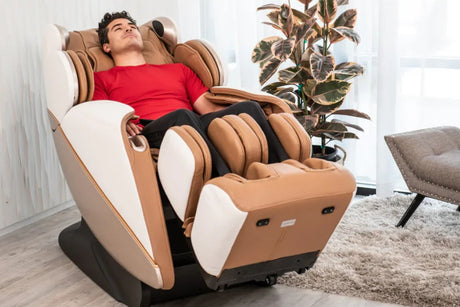
Advancements in technology have made self-care more accessible than ever. Today, one of the most effective and convenient ways to enjoy a therapeutic self-massage is through a high-quality massage chair.
Yes! Massage chairs can be your partner in relief and a replacement to the hands of a massage therapist.
A 2019 study has advocated the use of massage chairs as an alternative therapy for managing pain, stress, and anxiety. The research found that partner chair massage is a safe and effective complementary approach, helping to reduce pain, fatigue, and stress while promoting overall well-being.
Foot massage (from a massage chair or a professional physical therapist) is proven to be highly effective in improving balance performance in diabetic neuropathy patients.
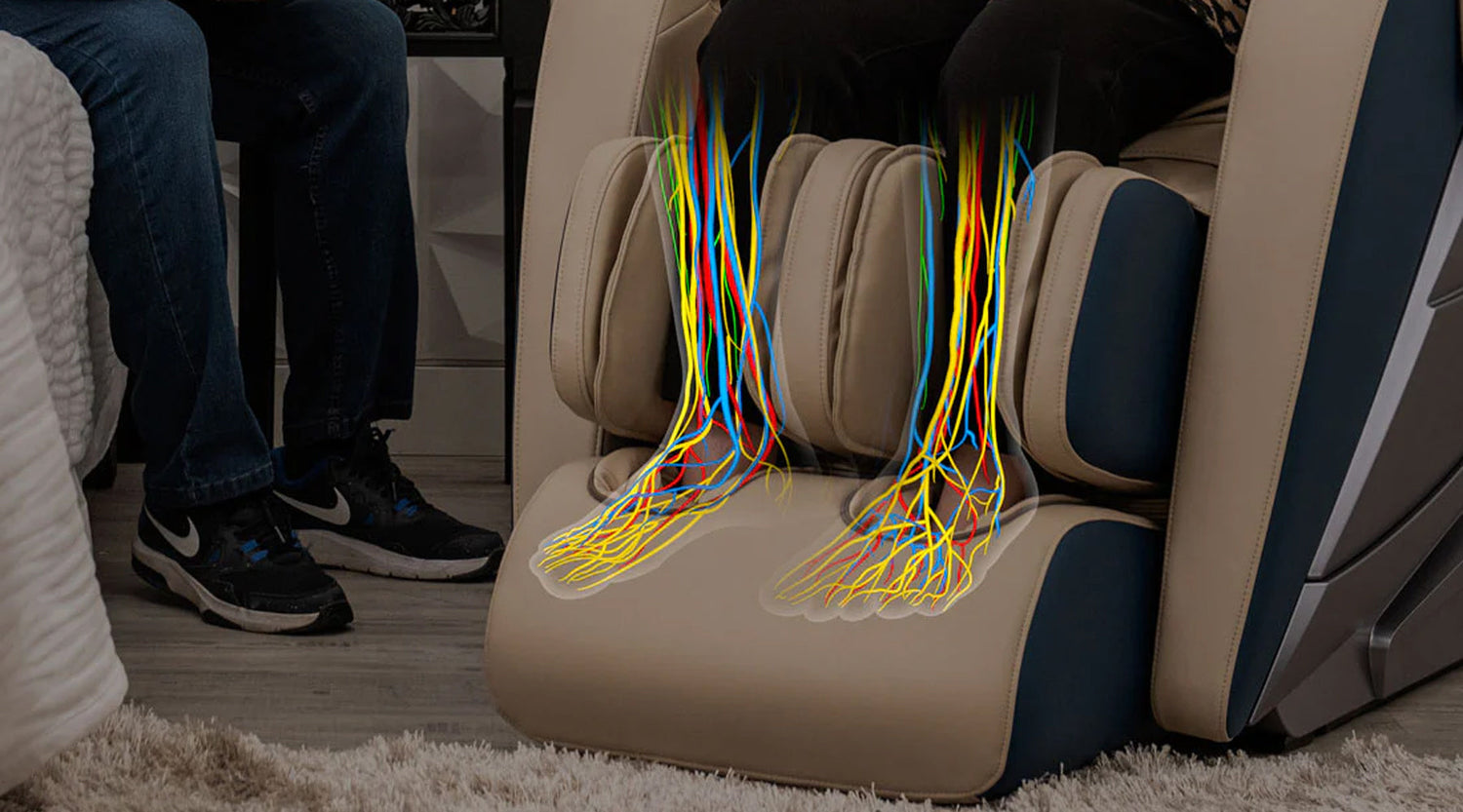
Most modern massage chairs are laced with highly effective and precise airbags that mimic the effect of kneading hands of a professional. Built-in foot rollers further enhance their effectiveness, targeting neuropathy-related discomfort, particularly in cases of diabetic neuropathy, by improving circulation and relieving tension in the feet.
Best Massage Chairs for Neuropathy
Massage chairs have different benefits and are used to treat different issues, one of which is neuropathy. If you are searching for a massage chair to relieve neuropathic discomfort, you’ve come to the right place. We have curated a selection of the best massage chairs for neuropathy and created a comprehensive guide to help you choose the perfect chair for your needs.
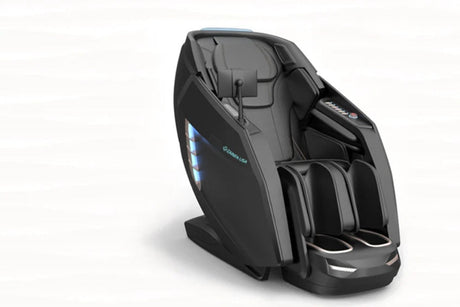
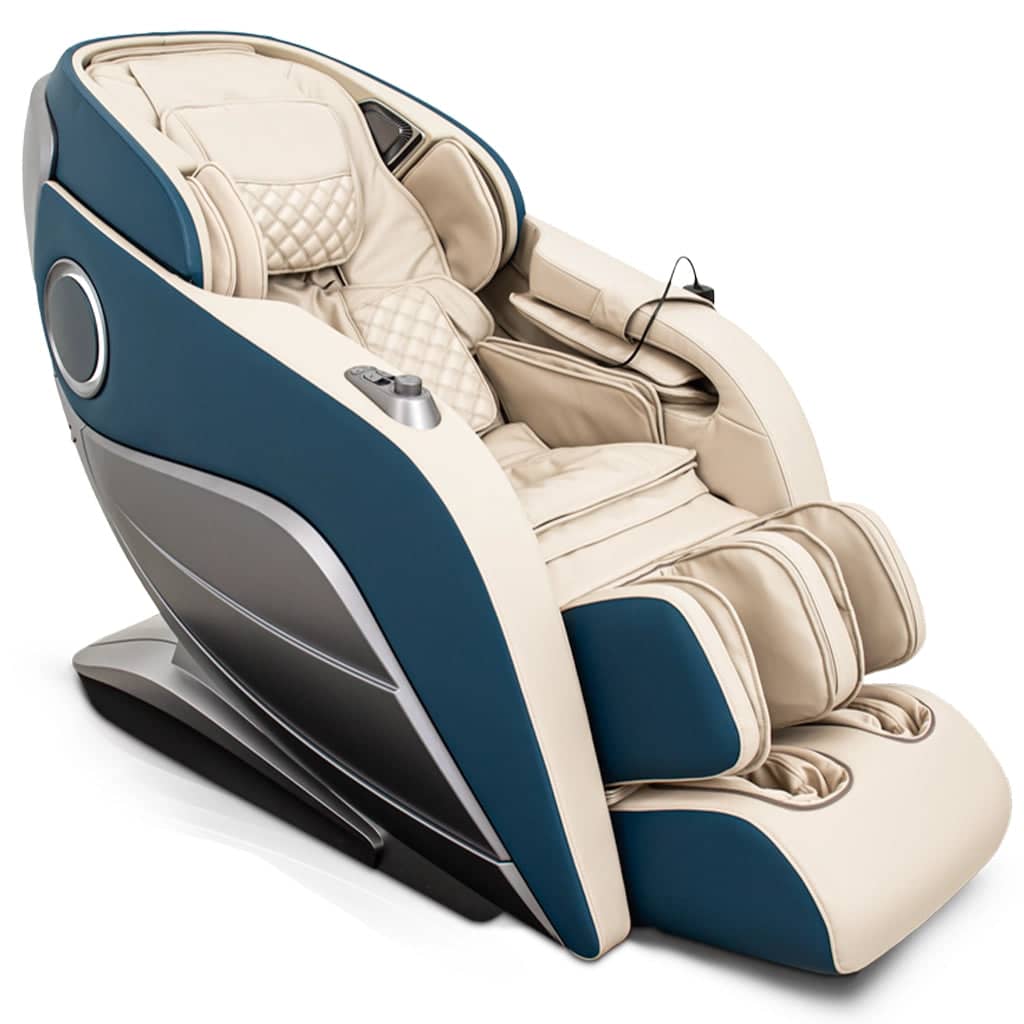
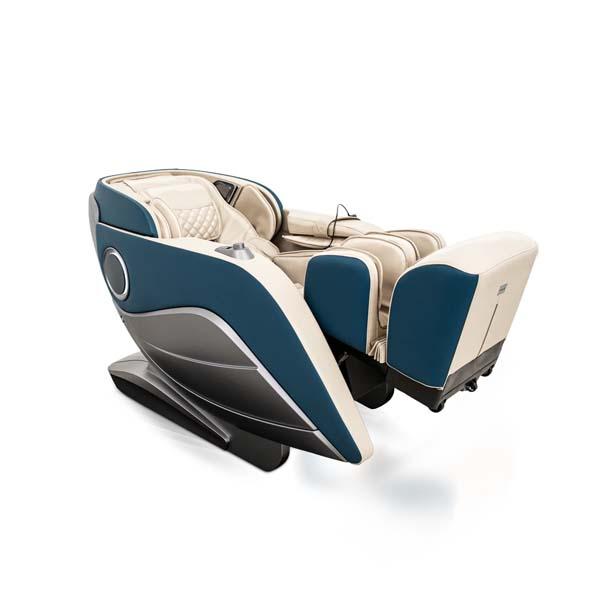
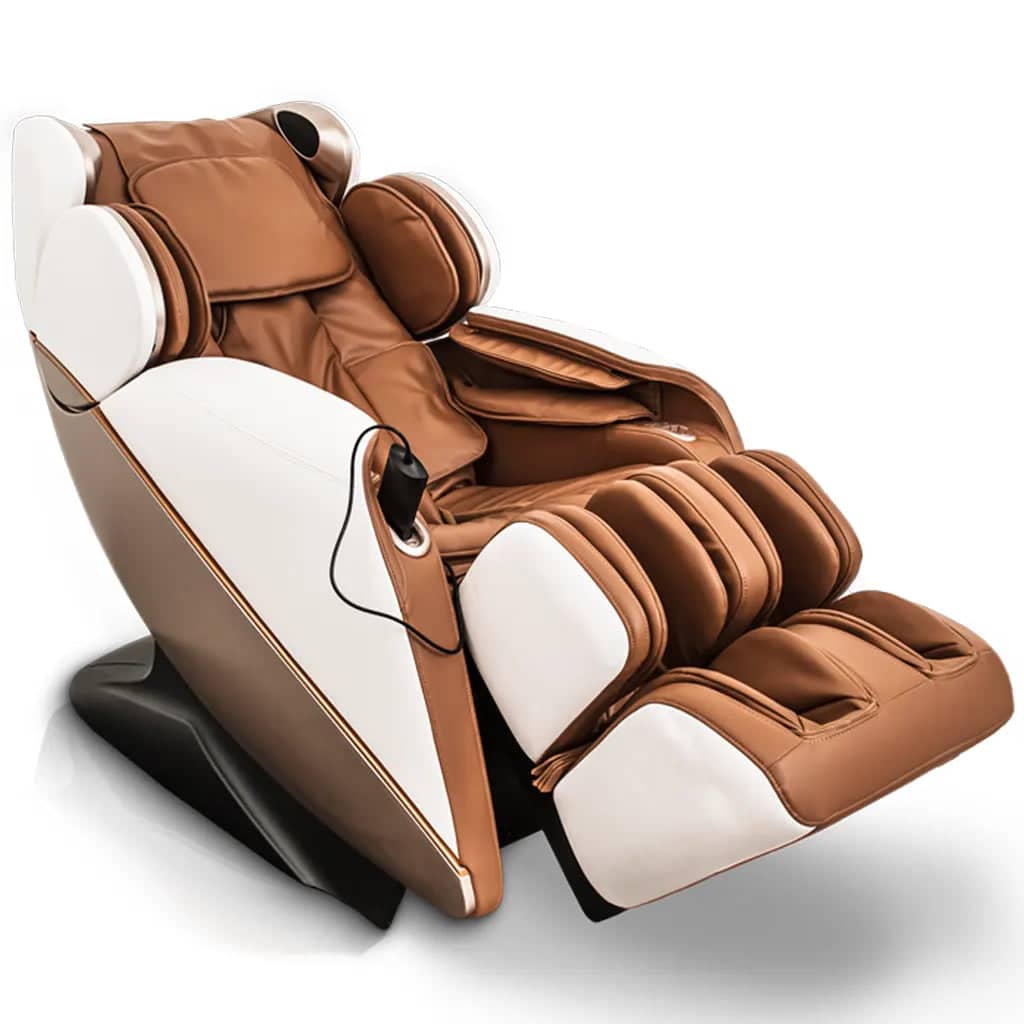
Z-Smart Massage Chair Plus
This Z-smart massage chair is a perfect massage chair that covers a great range of luxury features that one can think of. With an AI voice control for easy handling and multiple other features like a perfect body massage, you can get the best massage for treating neuropathy. With a 3D access controller, you can use your voice to control your massage. Multiple massage positions ensure every area of your body is cared for, helping alleviate aches and pains. The companion app adds convenience, giving you complete control through an intuitive touchscreen menu.
Pros
- Full body massage
- Advanced rollers
- Extended massage range
- Back width adjustment
- O2 ionizer
- Space-saving
- LED lights accent
Cons
- Expensive
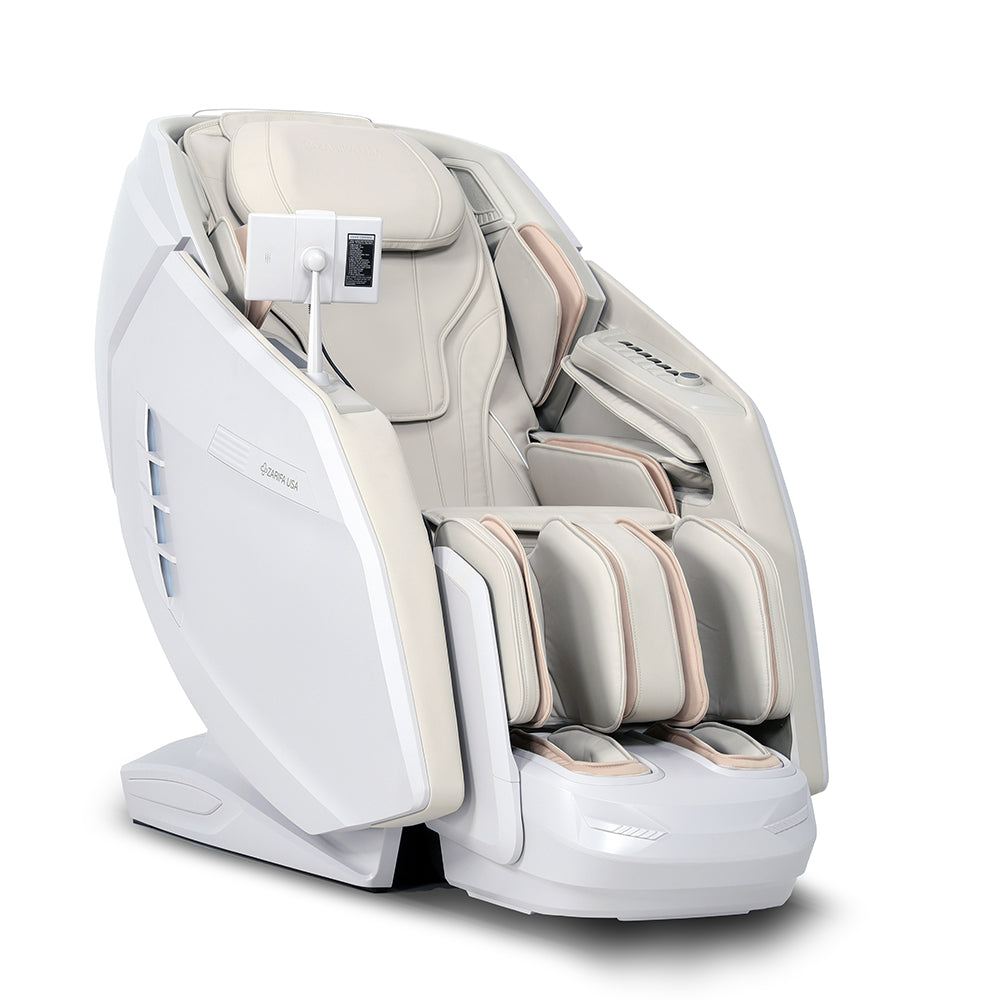
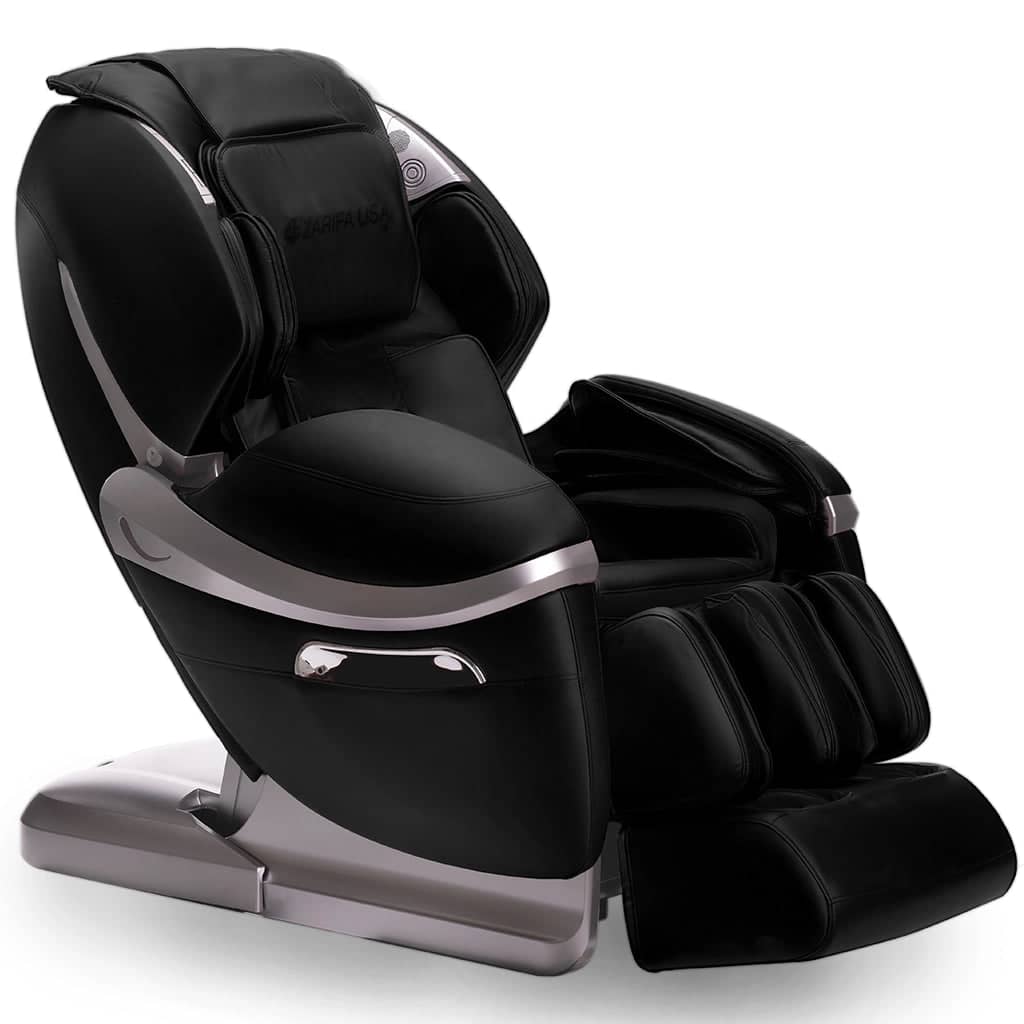
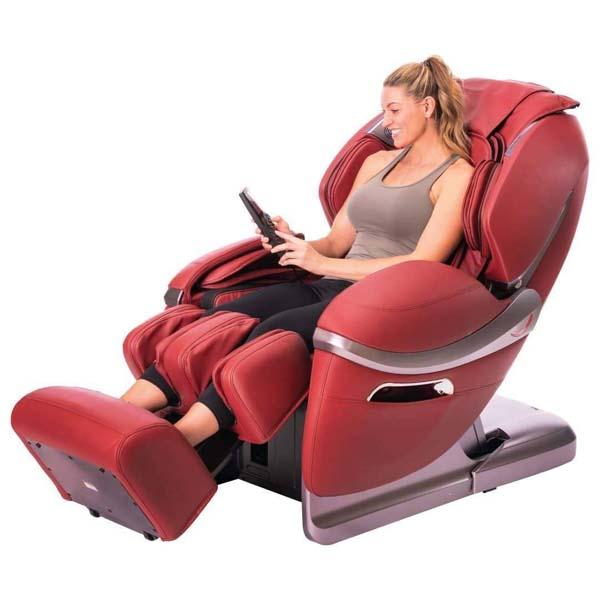
Z-Smart Massage Chair
The Z-Smart massage chair is designed to relieve tense muscles and provide a comprehensive full-body massage. It reaches areas that traditional massage often cannot, thanks to advanced 3D and 4D massage programs that allow you to adjust speed and intensity for a personalized experience.. Get a massage like the ones offered by a massage therapist. The infrared heating system offers complete comfort during your massage and the LED accent lighting creates a perfectly relaxing environment. The airbags of this massage chair offer kneading massage like real hands.
Pros
- Easy controls
- Infrared heating system
- Foot coverage
- Whole-body massage
- Back width adjustment
- O2 ionizer
- Adjustable motor pivots
- 3D and 4D massages
Cons
- Heavy
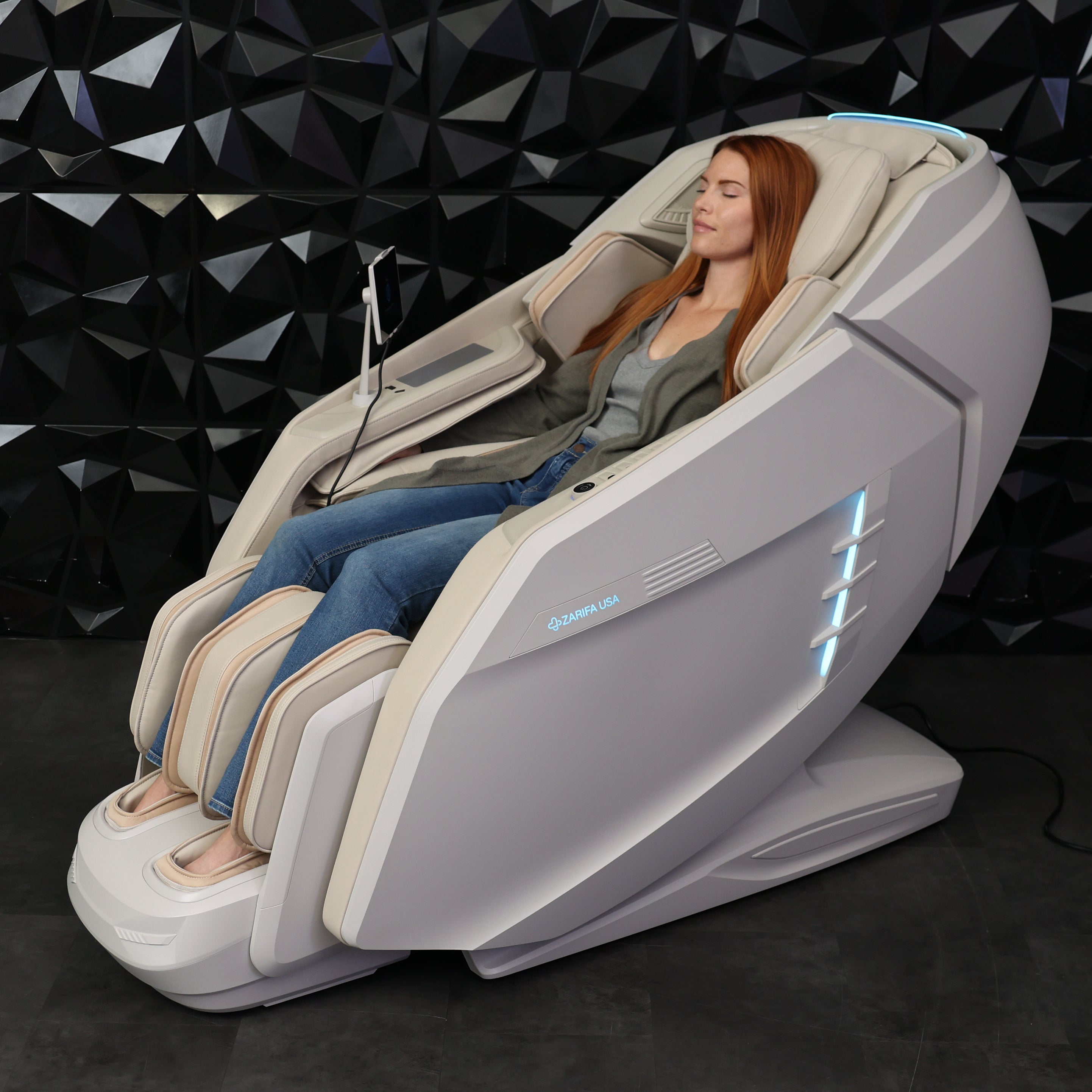
Z-Dream Massage Chair
Z-dream massage chair supports perfect hand controls with massage airbag targeting and heat support that offer a perfect, customized body massage. Its eight massage programs intelligently adapt to the user’s body, ensuring a personalized and effective experience. The built-in Bluetooth surround sound system creates a soothing environment with music, elevating the massage experience to ultimate comfort and relaxation.
Pros
- Adjustable spine width
- Heating system
- Multiple massage positions
- Whole-body massage
- Zero gravity
- Bluetooth surround sound
- Quick and easy access
- Space-saving
Cons
- Expensive
Z-Cloud Massage Chair
This Z-cloud massage chair supports superior ergonomics with a perfect L+S track massage with adjustable massage rollers. Z-clouds massage chair offers complete customization of size and a world-class design suited for all individuals. The chair features immersive 3D surround sound, while the companion app offers easy control via an intuitive touchscreen. Adjustable massage settings and zero-gravity positioning elevate the experience, providing a deeply relaxing, personalized, and therapeutic massage.
Pros
- Full-body massage
- Adjustable motor pivots
- Back-width adjustment
- Extended massage range
- Zero gravity
- 3D digital speakers
- Convenient storage pouch
- Space-saving
- Adjustable leg base
Cons
- Heavy
Features to consider before buying a massage chair for neuropathy
There are multiple things that you need to consider when buying a massage chair for neuropathy. Here are a few factors to keep in mind.
Massage functions
Massage chairs offer different functions from simple vibration to rolling and other massages. Some low-end massage chairs offer only simple features like rolling and vibration, but high-end massage chairs offer multiple features including Shiatsu, tapping, heat therapy, vibration, sound therapy, etc. When choosing a massage chair, it’s essential to consider the functions it offers to ensure it meets your therapeutic and relaxation needs.
The size of the chair
Most massage chairs have a size between 5 to 7 inches and take a weight of up to 280lbs. Nevertheless, if you want a chair of a specific weight or size, be sure to check the measurements of size, weight, and height. Considering these factors ensures you choose a chair that fits your space and provides optimal comfort and support.
The price
Ultimately, one of the most important factors when choosing a massage chair is the price. While high-quality chairs can be a significant investment, their benefits often justify the cost. Based on the functions offered, the prices of massage chairs will vary. So set a price range, and then search for your massage chair.
FAQ's
How Do You Calm Down Your Neuropathy?
There are some simple ways that can help you with neuropathic symptoms:
- Carry out massagesof your hands and feet to improve circulation and get instant pain relief.
- Give up cigarette smoking.
- Avoid alcohol usage.
- Adopt a healthy diet.
- Avoid prolonged pressure to your elbows and knees.
Why Is My Neuropathy Getting Worse
You might experience an aggravation of symptoms due to the short-circuiting of nerves in the neuropathic region. This progression underscores the importance of early management and supportive therapies to protect nerve health.
Is Massage Chair Really Good for Neuropathy?
Yes! Massage chairs are equally good as professional massage therapy. Self-massage is clearly indicated to be fruitful for neuropathy patients. For this reason, massage chairs are a safe, effective, and convenient solution for managing neuropathic discomfort and improving overall wellness.
Can Vibration Massage Be Good for Neuropathy?
Yes! Research shows that whole-body vibration massage therapy is an effective adjunctive treatment for chemotherapy-induced peripheral neuropathy.
Neuropathy results from the degeneration of nerves due to an underlying condition, such as diabetes, infection, or chemotherapy. Diabetic neuropathy and Gillian barre syndrome are common examples of neuropathies. Pain, burning/tingling are experienced by patients that can be managed using medicines, surgery, occupational and physical therapy. Massage therapy is the best and most convenient way of relieving pain, fatigue, and other neurological symptoms. Modern massage chairs can precisely replicate the hands of a professional massage therapist, delivering consistent, therapeutic relief in the comfort of your home.
Experience drug-free relief from neuropathic pain and fatigue with a Zarifa USA massage chair. Shop now to find your perfect therapeutic massage solution today!