For more than a thousand years, massage has been used as a way to relax the muscles and increase one’s well-being. From the gentle relaxation method to the more vigorous ones, massages have many variations. One of the most popular massage methods is deep tissue massage which is an advanced method of massaging that targets several issues. The target of a deep tissue massage is to relieve discomfort and pain and improve the body’s ability to heal itself.
If you have ever faced a muscle sprain or any such injury, you may have received a deep tissue massage under the treatment program. This massage is quite common for relaxing the muscles. But do you know about the benefits that a deep tissue massage offers? If you don’t yet know, allow us to explain!
What Is Deep tissue massage?
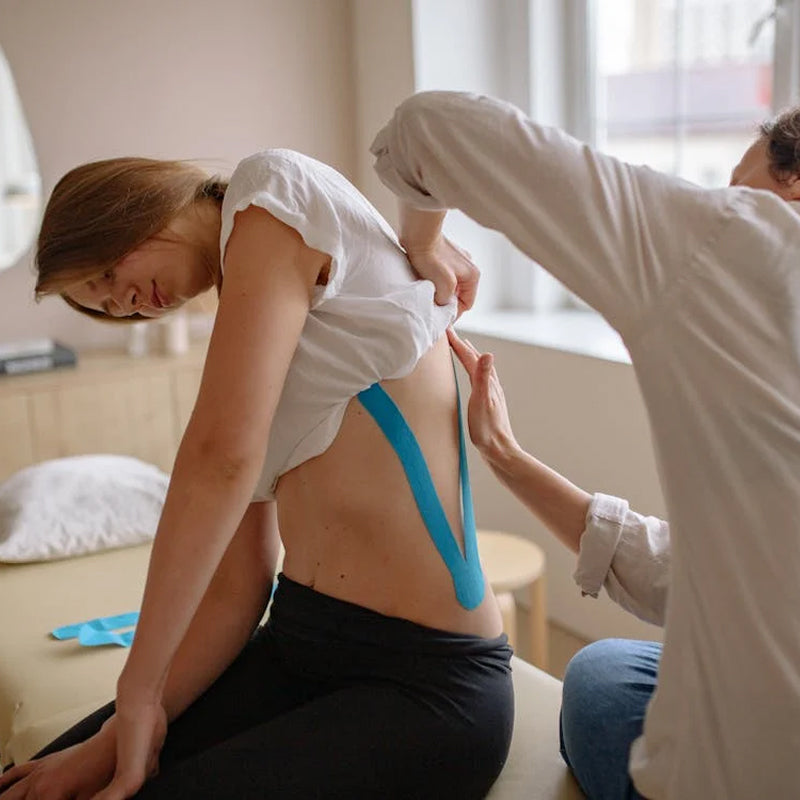
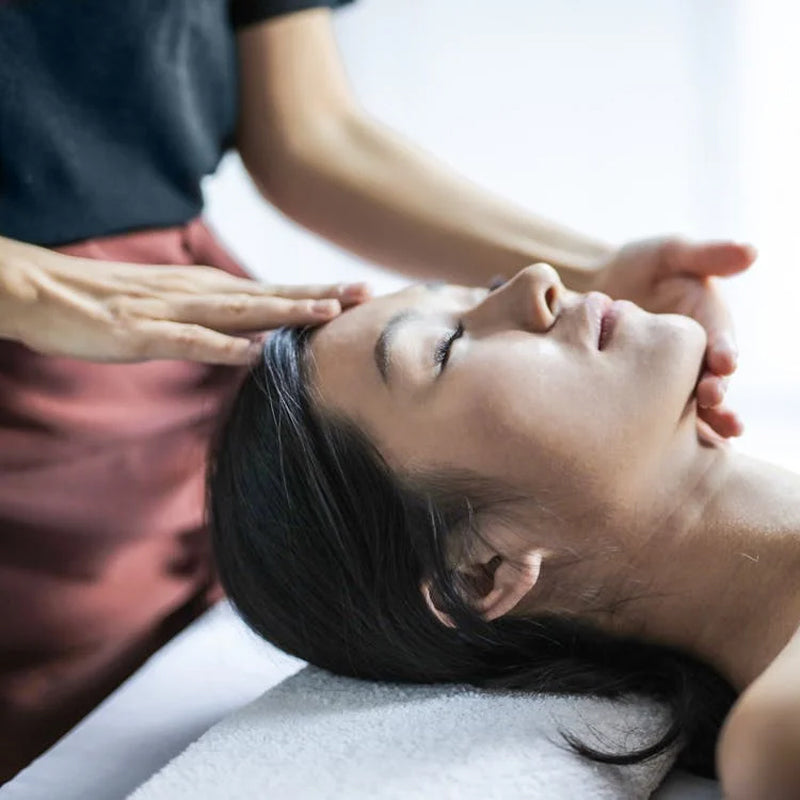
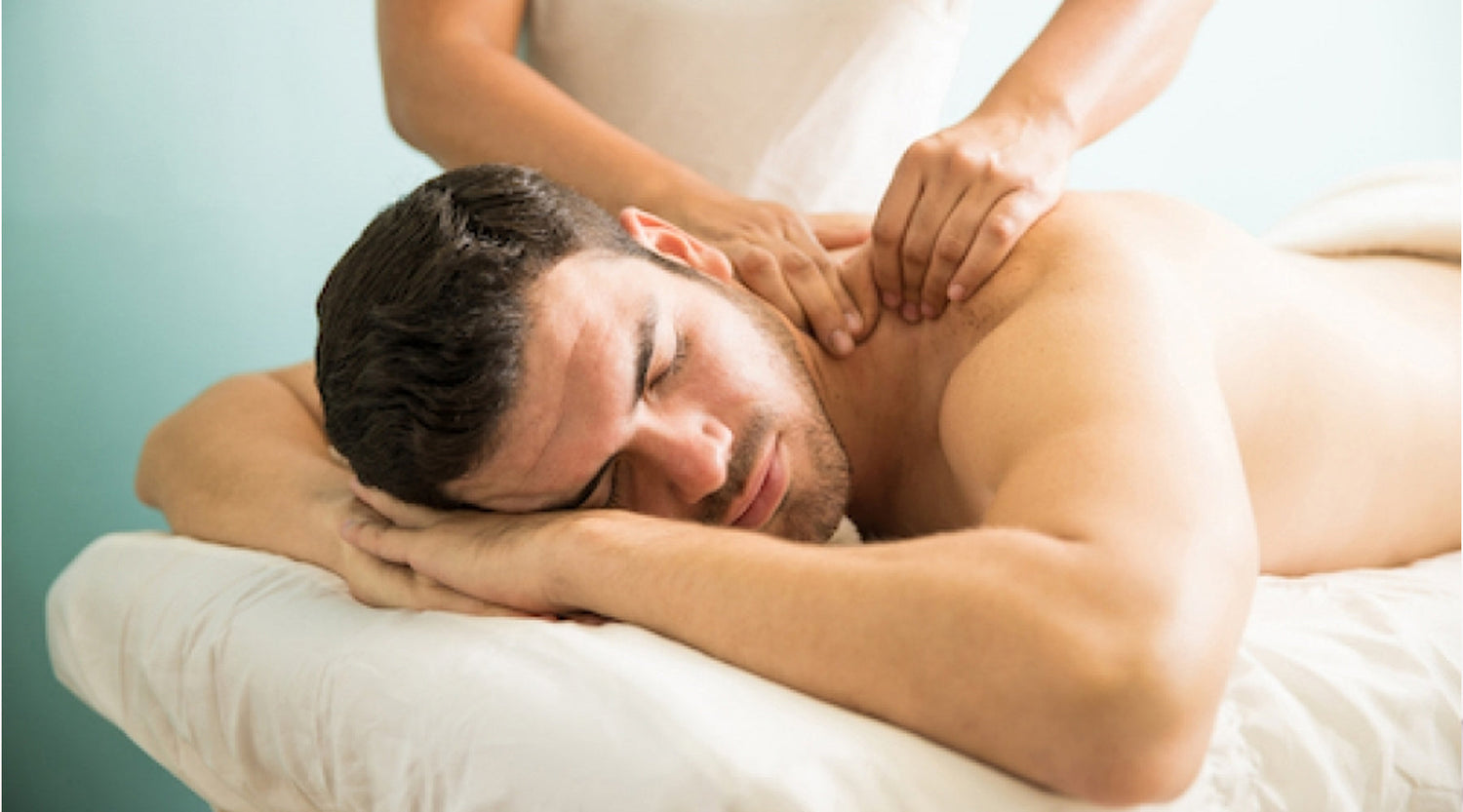
A deep tissue massage is a type of massage that dives deeper into the layers of the fascia and the muscles in loosening the existing stiffness, freeing the scar tissue, and restoring the usual muscle function. Massage therapists performing the deep tissue massage may often exert an uncomfortable or firm pressure that digs deep into the muscles with their thumbs, palms, or fingers. Sometimes the masseur may even use their elbows, knees, or forearms to dig deep into the body muscles to release muscle tension and restore the natural flow of the lymph and blood. A cold pack or heating pad may also be used to relax the tightened muscles.
How Does Deep Tissue Massage work?
Generally, deep tissue massages help break up scar tissue and muscular adhesions (the "knots" we feel in our muscles are actually muscle adhesions, which are bands of rigid and painful muscle tissue). These knots can clog our arteries, causing pain and discomfort.
Your massage therapist would normally start with lighter pressure to warm up your muscles before moving to deeper pressure.
Stripping, which is deep pressure that glides along the length of your muscle fibers, and friction, which is pressure applied across the grain of your muscle to break up adhesions and align tissue fibers, are two prominent deep tissue massage techniques.
Benefits of Deep Tissue Massage
A deep tissue massage offers not just physical but also numerous mental health benefits. Like any other massage, this one also offers several benefits, making it an easy way to treat medical issues and relax the muscles. Let’s discuss some of the benefits of a deep tissue massage.
-
Stress and Anxiety Relief
A deep tissue massage can be an amazing stress reliever. Whether you experience stress at work or home, this massage can help you detach and relax for a good, long period. Increasing the oxytocin and lowering the cortisol levels, a deep tissue massage helps to relax and soothe the body. Moreover, this massage also relieves the physical symptoms that stress brings like tension headaches, and tight shoulders and muscles. Hence, this massage is a great way to give your body a break from stress.
-
Lowers Heart Rate and Blood Pressure
A deep tissue massage helps to reduce the tension and stress in the body thereby having a positive impact on the blood pressure. A relaxing deep tissue massage has favorable impacts on arterial, diastolic, and systolic, blood pressure. By increasing the levels of serotonin this massage also encourages positive feelings as well as happiness. This type of massage can therefore lower the heart rate and blood pressure.
-
Reduces Pain
A deep tissue massage can help treat many different medical conditions. The conditions that this massage can help with include plantar fasciitis, lower back chronic pain, stiff necks, and fibromyalgia. Chronic pain often is triggered by muscle tension, and this can be reduced by a deep tissue massage as it helps to loosen the tightened tissue clusters that cause pain. Research has proven that a deep tissue massage is a more effective and cost-effective way to treat chronic pain than other medical treatments. So one thing that a deep tissue massage helps with is reducing body pain.
-
Reduces Symptoms Of Arthritis
A deep tissue massage serves as a great way to treat the symptoms of arthritis including stiffness, pain, sleep issues, and limited joint motion range. Mild pressure deep tissue massage helps with reducing arthritis pain and also eases muscle tension, allowing an improved range of motion. This massage also improves one’s sleep by reducing arthritis pain that often keeps patients awake at night. So, one thing that this massage can help with is to improve one’s sleep.
-
Eases Muscle Movement and Breaks Scar Tissue
People often report stiffness and chronic pain in areas where there is scar tissue present. A regular deep tissue massage can aid in breaking this scar tissue and improve the lymphatic drainage and circulation that in turn improves the range of motion and flexibility around the scar tissue area. Those people who recover from surgeries are often recommended a deep tissue massage to help reduce the scar tissue and improve muscle movement.
-
Aids in Easing the Pain of Labor and Delivery
All women experience pain when it comes to labor and delivery. A deep tissue massage can help relieve this pain. Often before labor, prenatal massages are given as a way for women to ease the tight muscles and relax. Moreover, this massage boosts the levels of cortisol in the blood thereby helping women fight their anxiety, depression, back, and leg pain. Research has shown that those women who receive regular massages before and during labor suffered less pain as compared to those who hadn’t received these regular massages. Moreover, their labor times were also shorter than those who hadn’t received regular massages. Therefore, deep tissue massages greatly help women with labor and delivery.
-
Restores and Recovers Injured Muscles
In the case of injured muscles, a deep tissue massage offers a way to stretch the twisted or tight muscles and also supports the removal of toxins from these muscles. Sports-related injuries are often treated with a deep tissue massage. Not only that, but many athletes also add this massage to their usual protocols for recovery because it also helps in preventing injuries, reducing muscle fatigue, and delaying the beginning of muscle soreness. Hence, this type of massage greatly helps with the recovery of injured muscles.
Side effects of Deep Massage therapy
When you get a deep tissue massage, you run the risk of experiencing negative effects. But what exactly are they? And how much of an impact can it have on you?
You need all the facts to make an informed decision about whether a deep tissue massage is right for you. Although you may not encounter any of these as a result of massage therapy, it's always good to be aware of the potential side effects.
- Sore/aching muscles
- Pain
- Sleepiness
- Headache
- Nausea
Techniques of Deep Massage therapy
Many people believe that all such treatments should be administered with strong pulses and that the greater the compression, the more effective the treatment. That is not at all the case.
Extra force on the muscles can be harmful to them, while too little pressure may not be enough to correct the problem. What is most important? Is that the proper amount of pressure applied in the proper location? Getting both components just right increase the likelihood of successfully resolving the issue.
Treatments are typically done with oil, but they can also be done 'dry,' that is, without the use of any oil or cream. Some practitioners use the powder for powerful and related therapies.
- Muscle Energy Technique (MET)
Basically, Muscle Energy Technique is a type of stretching practiced by sports massage specialists, osteopaths, physical therapists, and wellness professionals. Stretching postural muscles that are prone to shortening is thought to be particularly beneficial with MET. Also, in MET, the client actively participates in the therapeutic session by resisting the practitioner's movement.
- Trigger Point Therapy
Trigger point therapy focuses on relieving pain at its source by applying pressure to unpleasant and sensitive parts of the body. The benefit of trigger point massage is that it relieves pain by releasing constricted muscle regions. After just one treatment, you may notice a reduction in pain.
- Cross Fiber Friction
Cross-fiber friction is used to treat tense, rigid muscles and lesions. There are no lotions or oils used during this technique because creating friction is essential to treatment. Applying pressure across the grain of a muscle to release adhesions and heal tissue fibers may be painful at first, but it will become less so over time.
- Active Release Treatment (ART)
Active Release Treatment a mix of assessment and treatment. A therapist will check the muscles, tendons, ligaments, and nerves of a patient with their hands in order to develop a therapy plan.
Deep tissue massage cost
A deep tissue massage will set you back anything from $90 to $110 each session. The cost of a massage is determined by the length of the session, travel expenses, the massage therapist's skill, and optional services such as hot stone treatment or aromatherapy. Some massage therapists provide package deals with lower pre-treatment costs.
Self-Care Alternatives: Massage Guns
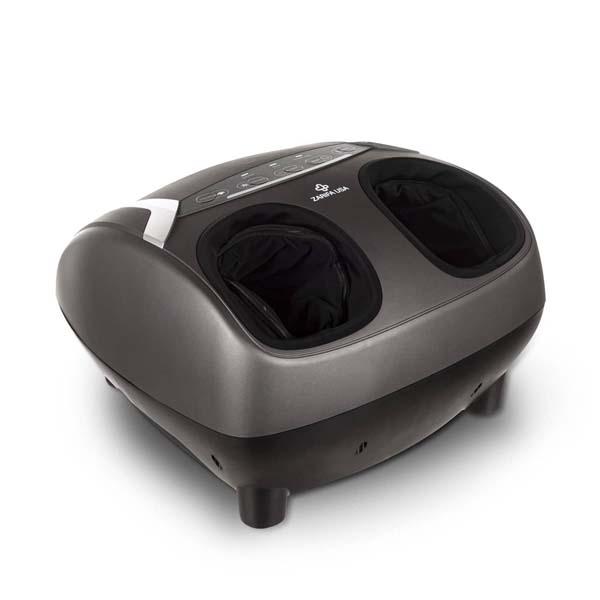
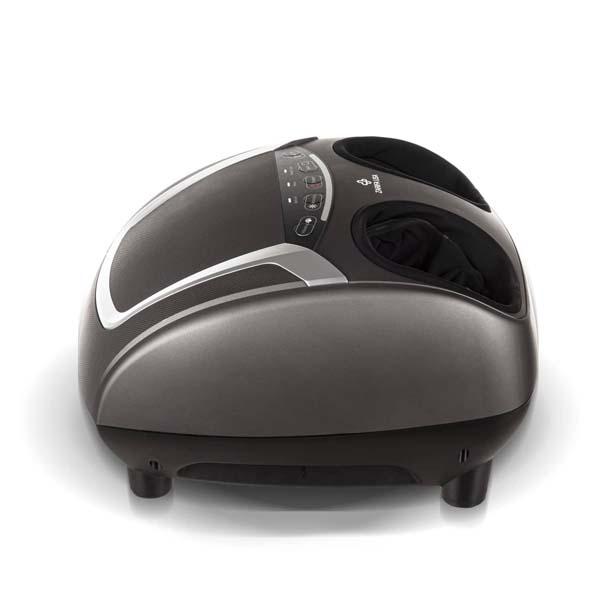
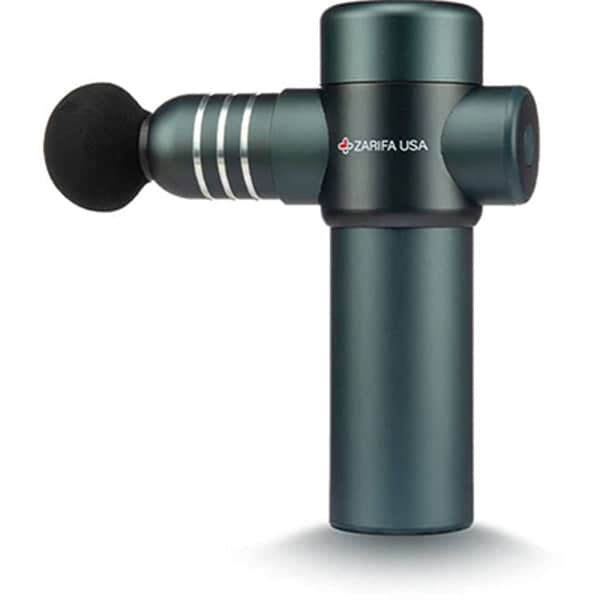
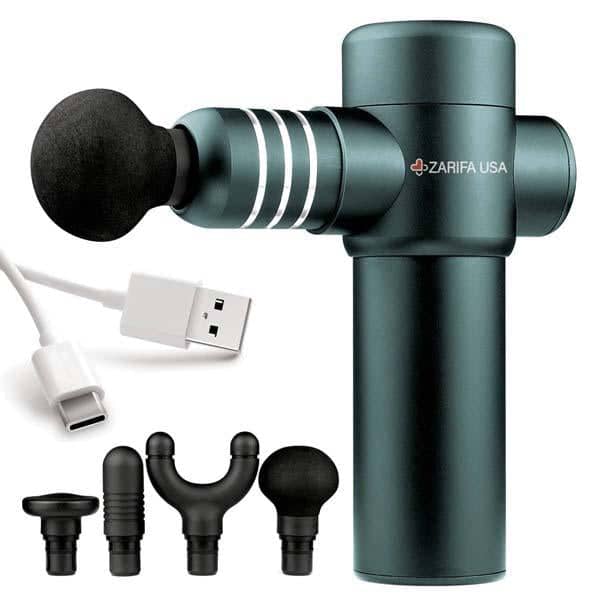
For at-home maintenance between sessions, a high-quality massage gun can complement professional deep tissue work. Percussive therapy devices use rapid pulses to stimulate muscles, release tension, and improve circulation. While not a replacement for professional massage therapy, massage guns can help support recovery and target sore areas more frequently.
Explore Therapeutic Massage Options for Your Wellness Goals
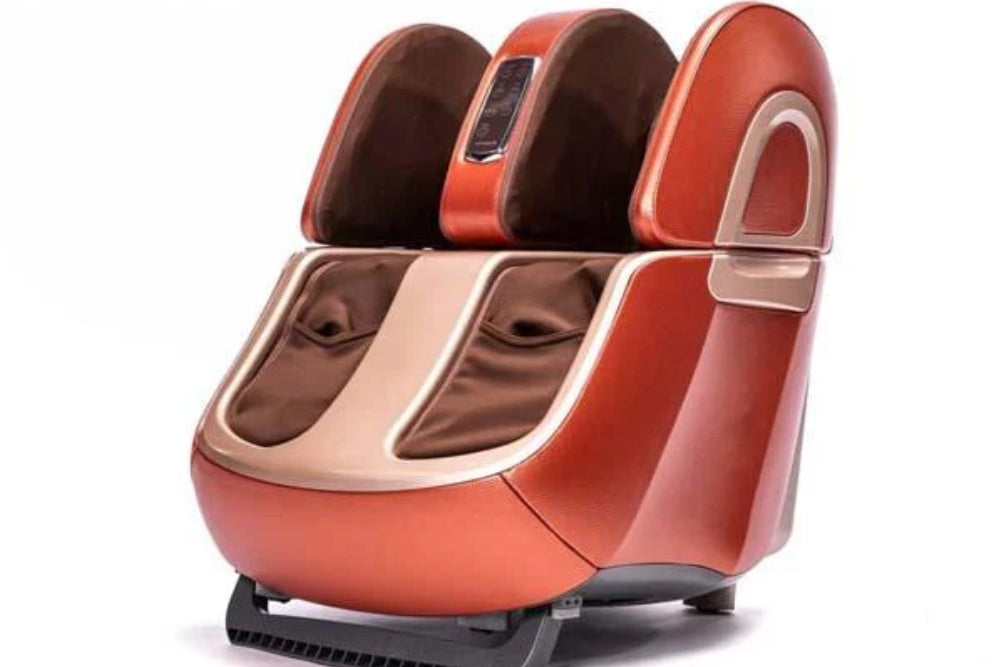
If you’re ready to experience the benefits of deep tissue massage for pain relief, improved mobility, and reduced stress, start by exploring trusted massage solutions that fit your lifestyle. Adding advanced recovery tools like massage chairs and percussion massagers for at-home use, taking action today can help you feel better tomorrow. Visit our collection of wellness products and expert guides to find tools and insights that support your healing journey.