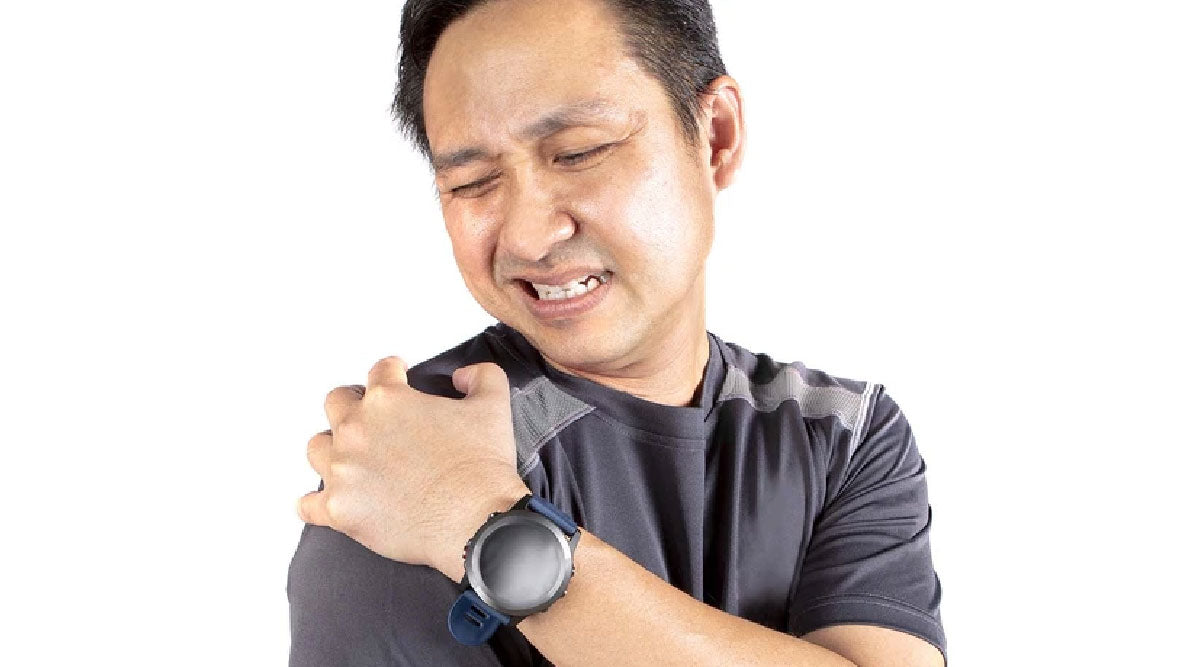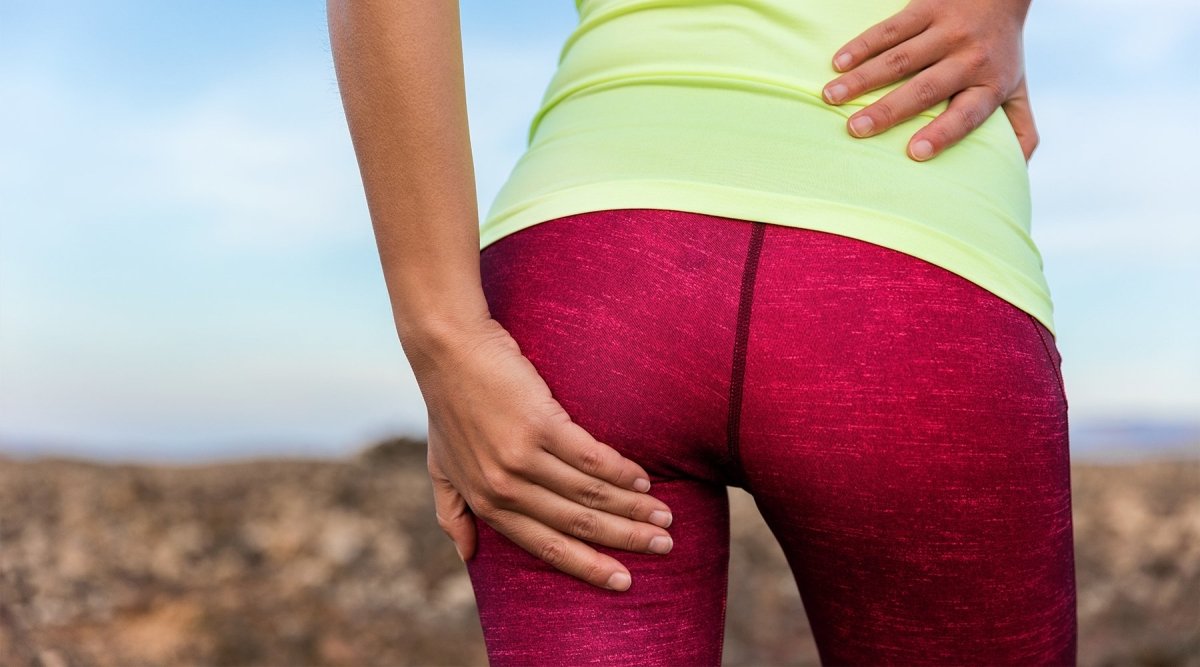
Before assuming your lower back pain is due to a spinal injury, consider that it could be caused by the Gluteus Medius muscle pain, commonly referred to as butt pain.
The Gluteus Medius is so often involved with lower back pain it is sometimes called the “Lumbago Muscle”
Releasing tension and trigger points in this muscle can help reduce lower back pain in most cases.
What is the Gluteus Medius?
In Scientific Terms, the Gluteus Medius is one of them:
The three gluteal muscles are a broad, thick, radiating muscle, situated on the outer surface of the pelvis.
The posterior third of the Gluteus Medius is covered by the gluteus maximus, while the anterior two-thirds are covered by the gluteal aponeurosis, which separates the muscle from the superficial fascia and skin.
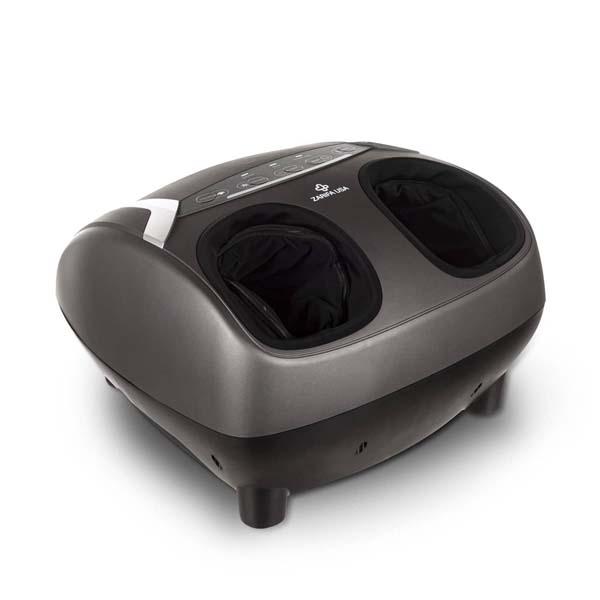
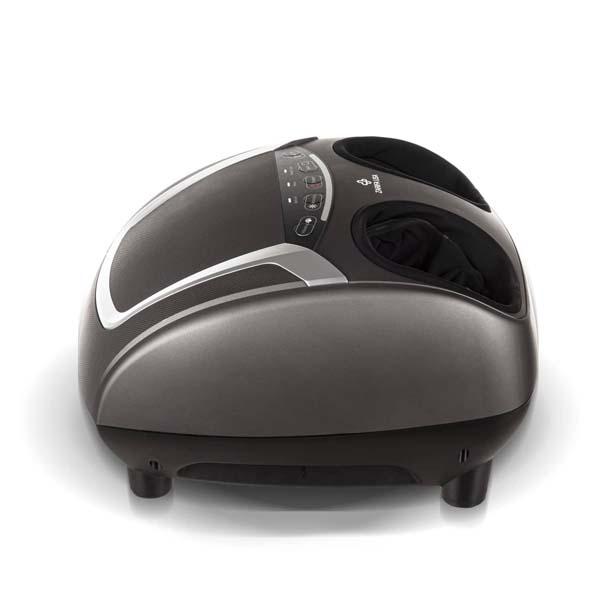
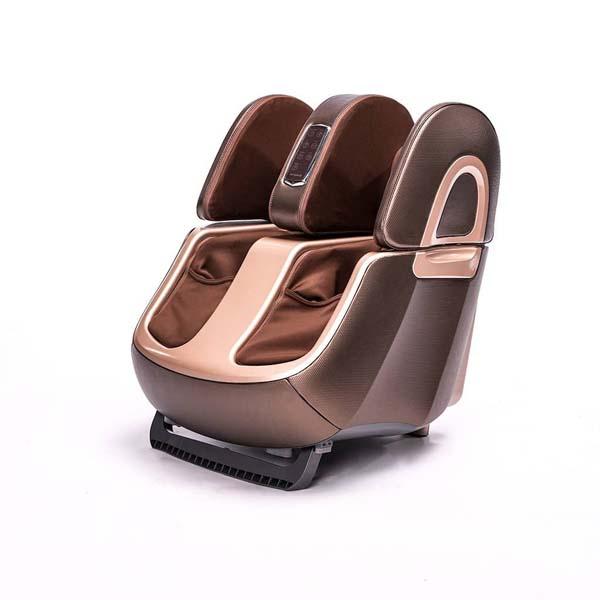
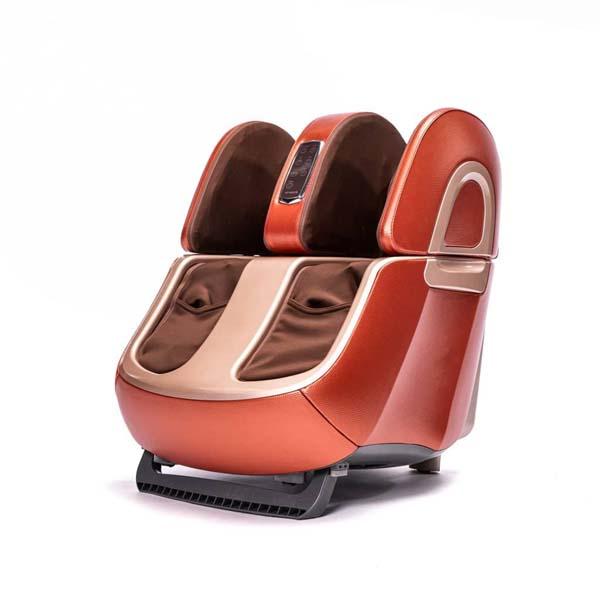
BUY SHIATSU MASSAGERS
Where are the Gluteus Medius Pain Patterns?
Refer to the pain illustrations to get a clearer idea of where Gluteus Medius pain is typically felt. The areas highlighted in a deeper red indicate regions where pain is more commonly experienced.
What are my Massage Options
If you are seeking instant relief, utilize the help of a massage ball, which is easy to find at your local sporting goods store.
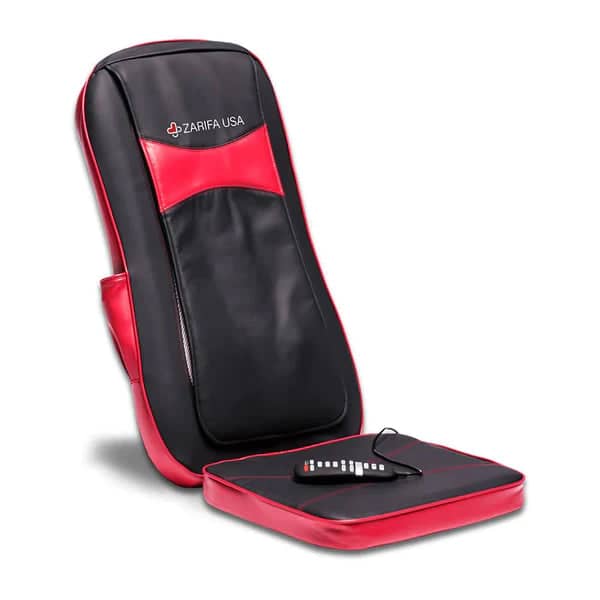
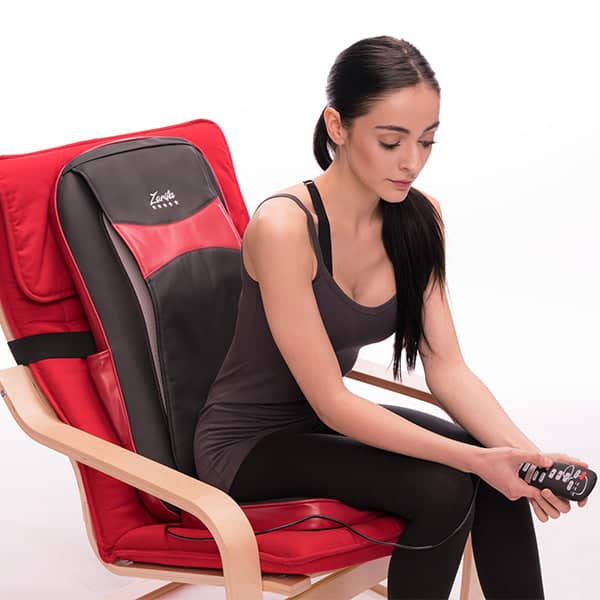
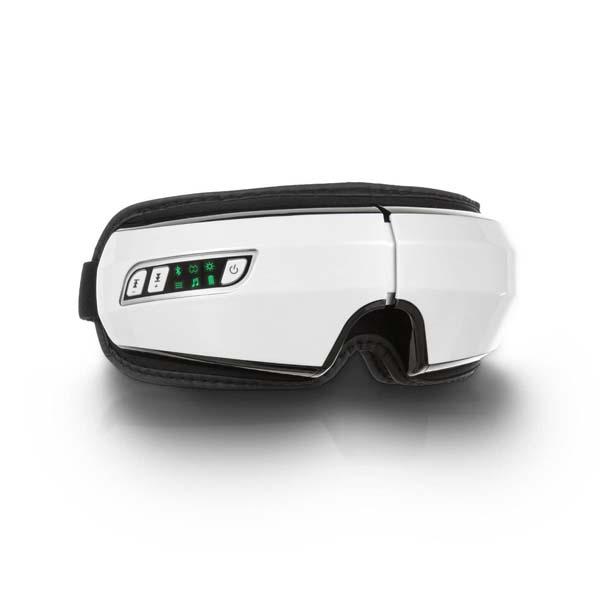
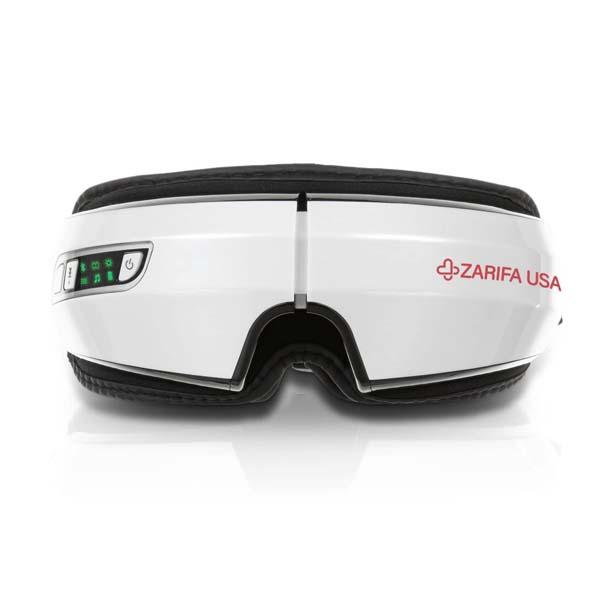
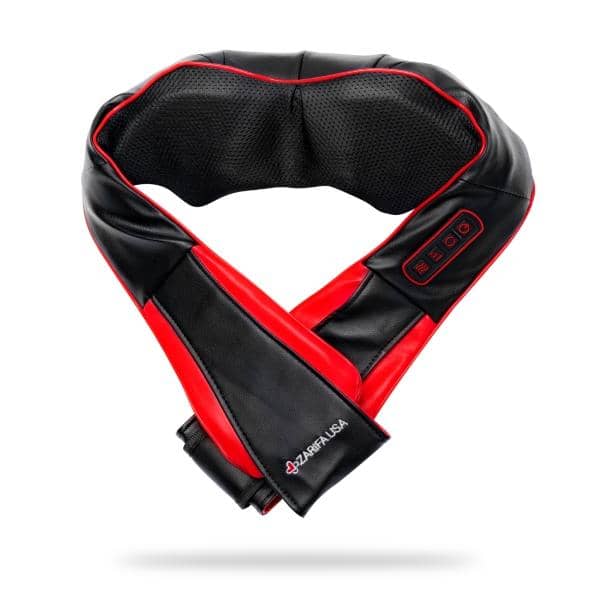
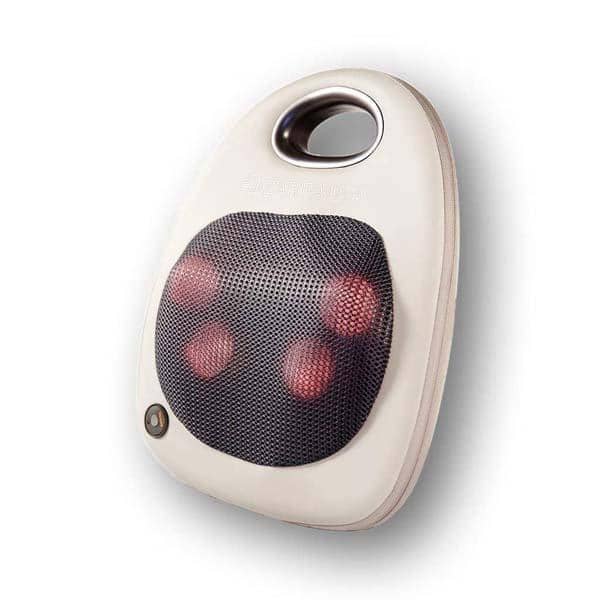
However, we recommend using our Shiatsu massager lineup, especially our smaller massage pillow and neck massager, for the most precise targeting. They provide a stronger massage than a traditional massage ball and also feature infrared heating technology for enhanced relief.
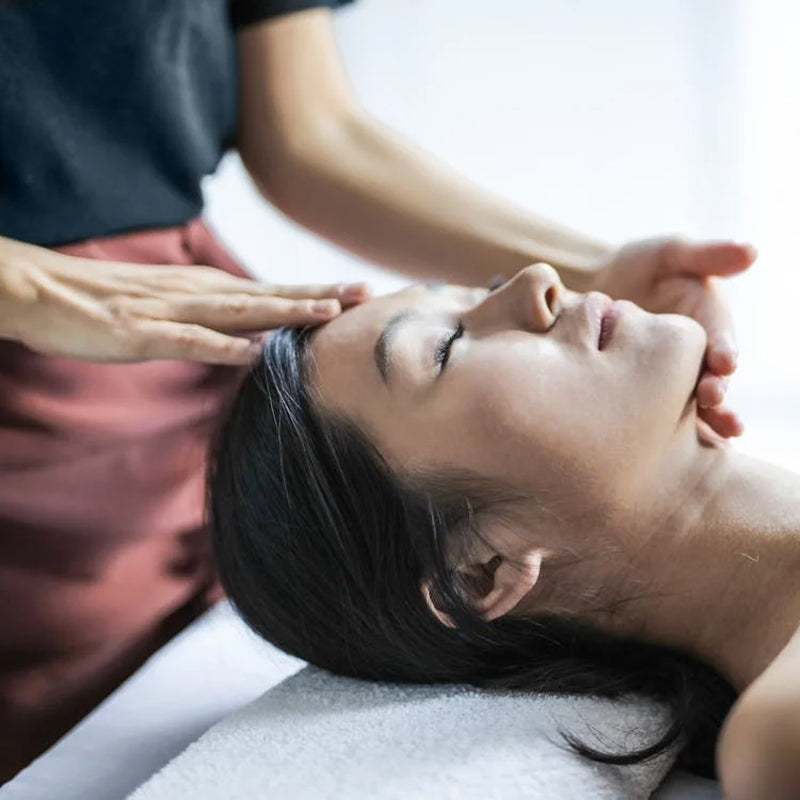
"Massage is what the body needs"
Shop Our Full-Body Massager
Gluteus Medius Massage Technique
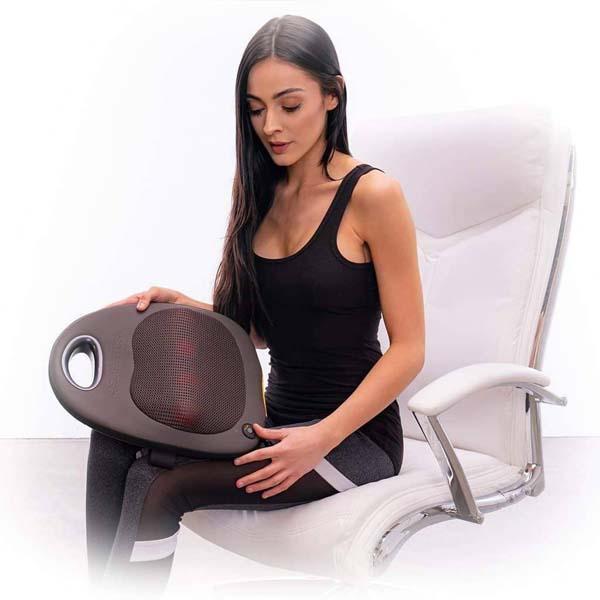
Position the massager between your body and the wall, and gently pull on the pressure straps while it rests against your Gluteus Medius.
Start at the lowest setting and activate the Infrared Heat.
Gradually increase the pressure and intensity to your desired level of strength.
Do so for 15 min at a time on each side three times a day for best results.
The Role of the Gluteus Medius in Daily Movement
The Gluteus Medius is a critical muscle for stabilizing the pelvis and supporting proper posture. Located on the side of the hip, it helps control leg movements, balance when standing on one leg, and proper alignment during walking or running. Weakness or overuse of this muscle can cause compensation in the lower back, hips, and knees, often leading to pain and discomfort. Many people underestimate its importance because its symptoms are often mistaken for general back or hip pain.
Common Triggers for Gluteus Medius Pain
Several factors contribute to Gluteus Medius pain. Prolonged sitting, particularly in chairs that don’t provide adequate support, can weaken the muscle over time. High-impact activities, like running or jumping, or repetitive bending and lifting, place additional strain on the muscle. In some cases, an imbalance between the Gluteus Medius and other gluteal muscles can create tension, leading to trigger points or localized pain. Understanding these triggers is key to preventing chronic discomfort.
Signs You Might Be Experiencing Gluteus Medius Dysfunction
Pain caused by the Gluteus Medius can present in various ways. Some individuals feel a dull ache deep in the side of the hip, while others experience sharp or radiating pain down the outer thigh. You might also notice difficulty standing on one leg or pain that worsens when climbing stairs. Unlike lower back pain caused by spinal issues, Gluteus Medius pain often improves with targeted muscle activation and stretching, making it a muscle-specific concern rather than a structural spinal problem.
Effective Stretching Strategies
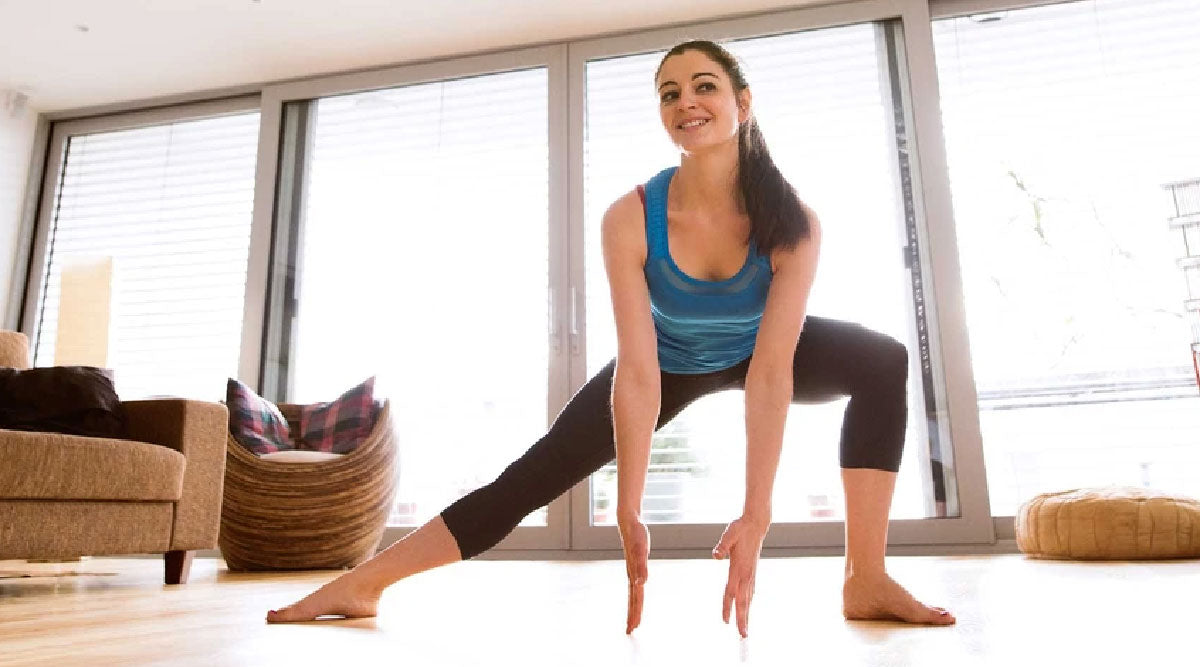
Targeted stretches can help relieve Gluteus Medius tension and improve overall hip mobility. Lateral leg raises and side-lying hip abductions gently engage and stretch the muscle. Foam rolling the side of the hip can also help release tight tissue and increase blood flow. Incorporating these stretches into your daily routine, especially before or after physical activity, reduces the risk of developing trigger points and prevents strain from impacting other parts of the body, like the lower back.
Advantages of Heat and Massage Therapy
Massage therapy paired with heat is highly effective for addressing Gluteus Medius discomfort. Heat increases blood circulation, which relaxes the muscle and promotes healing. Devices like Shiatsu massagers or heated massage pillows target the muscle more precisely than traditional methods, offering deeper relief. Regular use can reduce tension, enhance muscle function, and prevent the pain from spreading to surrounding areas. For many individuals, combining massage with gentle stretching produces the best results for long-term comfort.
Incorporating Strengthening Exercises for Prevention
Preventing Gluteus Medius pain goes beyond relief, it requires building strength and endurance in the muscle. Exercises like clamshells, lateral band walks, and single-leg bridges strengthen the Gluteus Medius and improve hip stability. Stronger gluteal muscles help maintain proper posture, reduce compensatory stress on the lower back, and minimize the risk of re-injury. Over time, consistent strength training not only alleviates current discomfort but also supports overall mobility and pain-free movement.
Take control of your back health today. Explore our Shiatsu massagers and targeted tools to relieve Gluteus Medius pain safely and effectively.