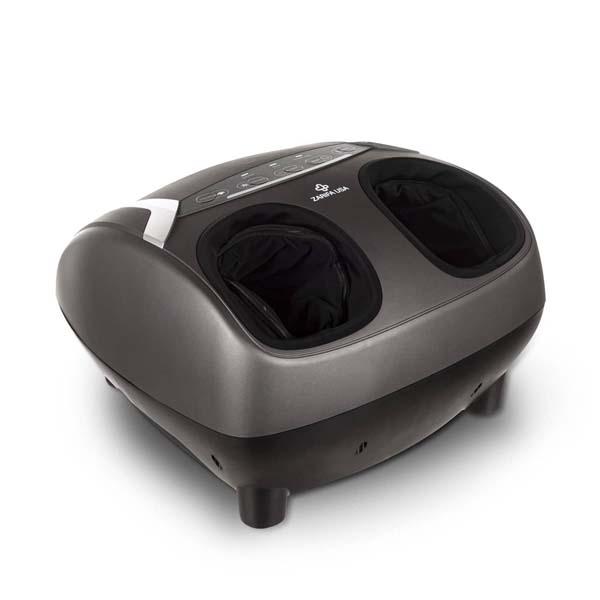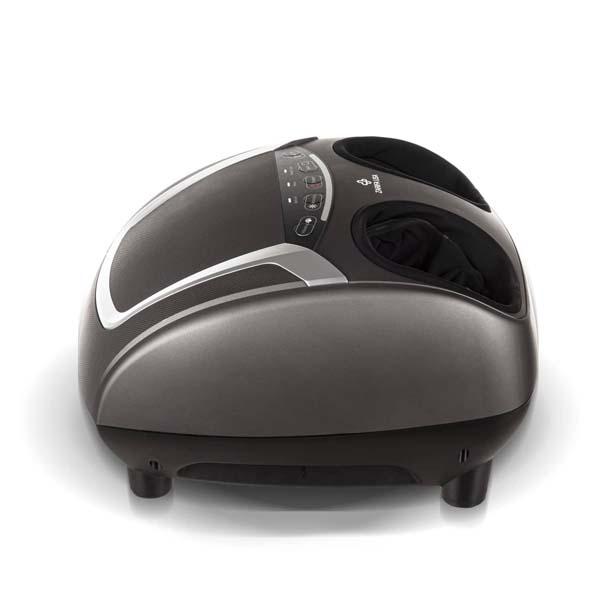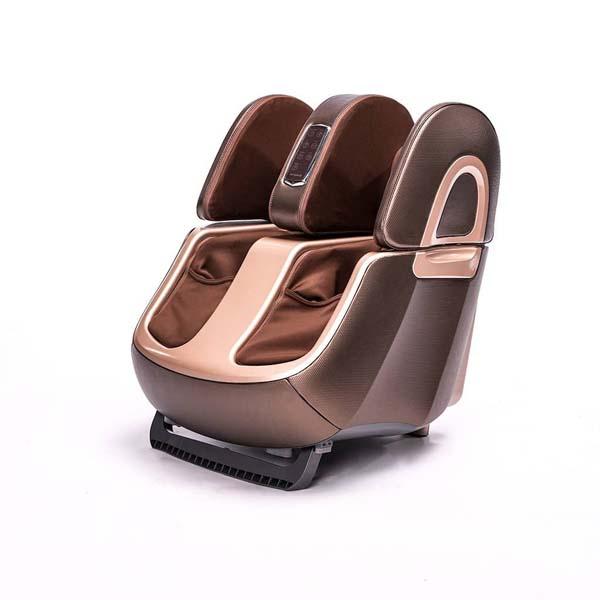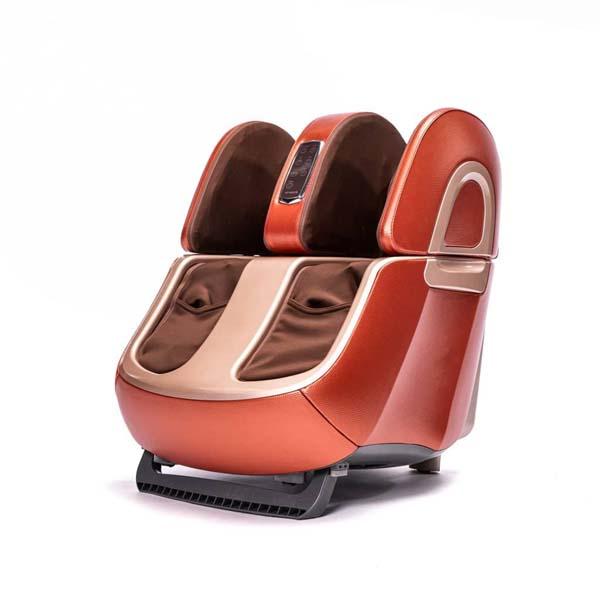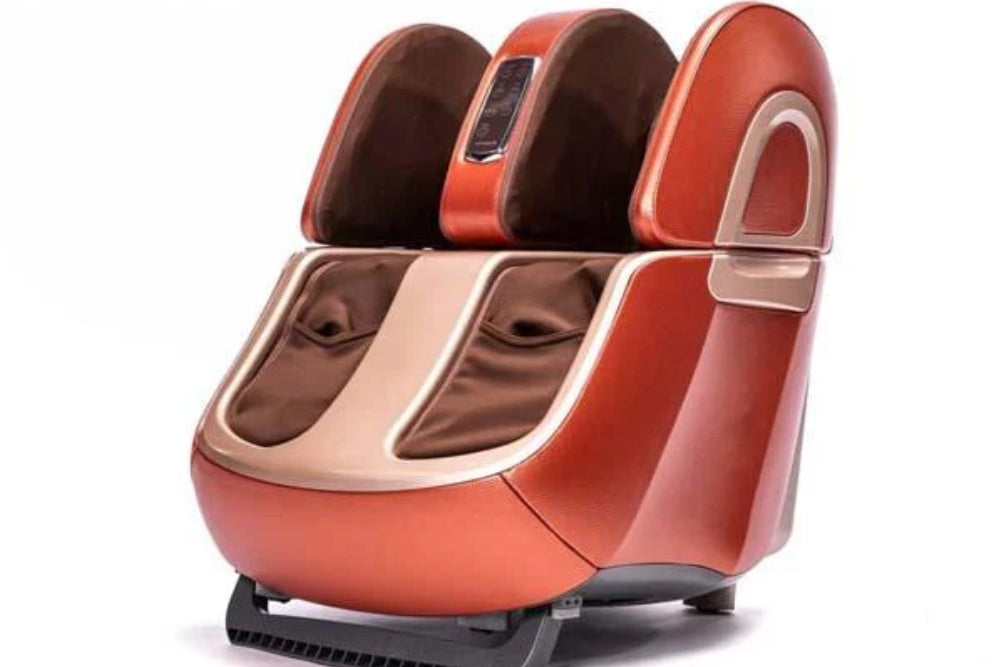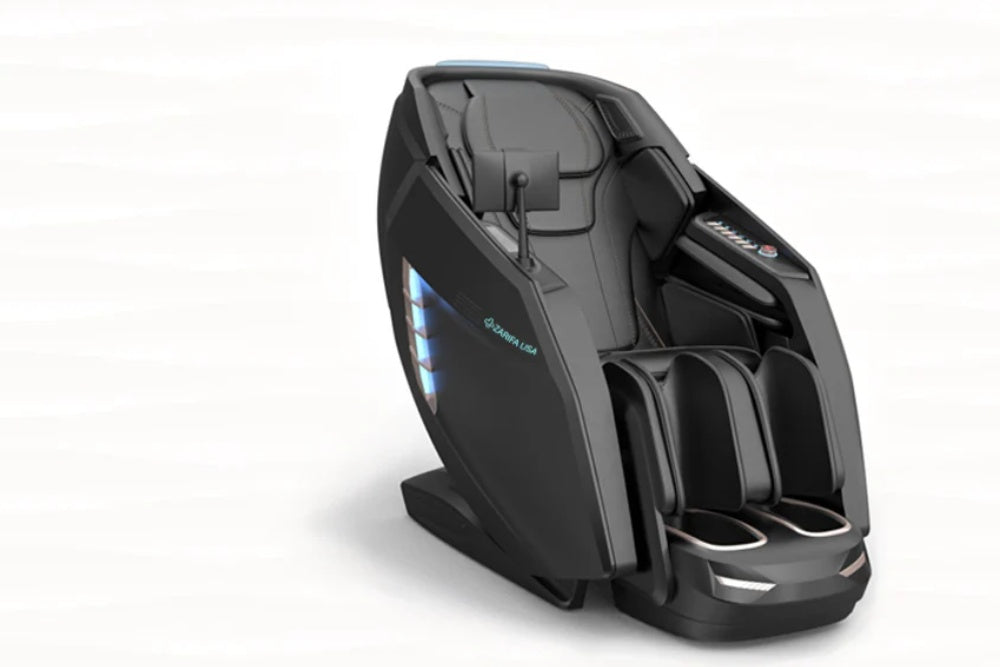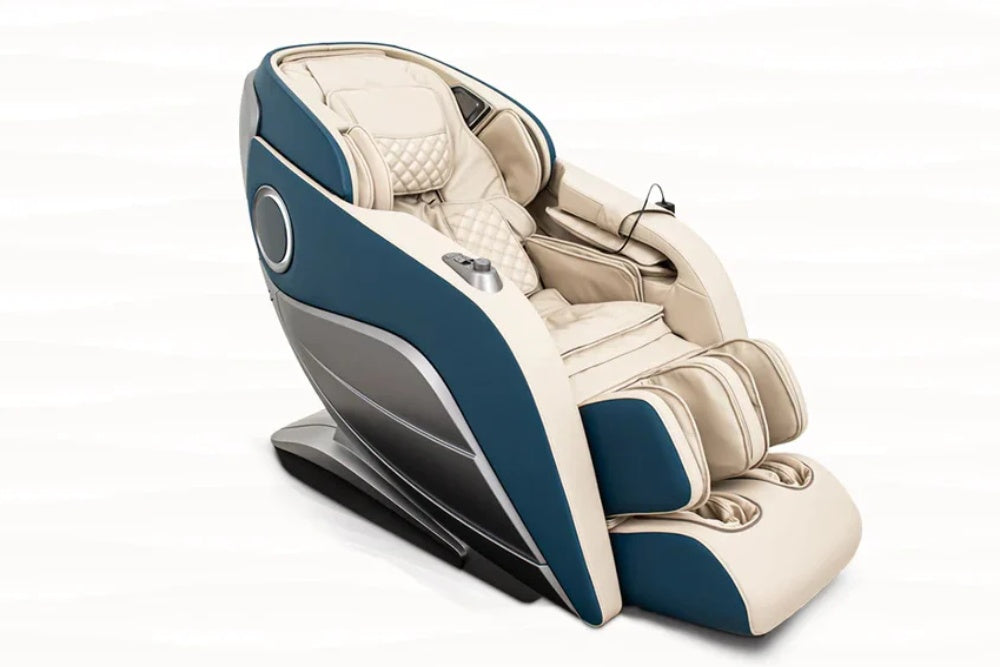
Using health spending accounts to purchase medical equipment requires careful consideration of eligibility rules. An FSA foot massager is not automatically covered because most accounts restrict spending to items tied directly to medical conditions. Funds from health savings accounts or flexible spending accounts can be applied to devices that serve a treatment purpose, rather than for general comfort. Here is what you need to know.
Health Spending Accounts and Medical Purchases
Health accounts exist to help manage expenses related to diagnosed medical conditions. They are designed to reduce out-of-pocket costs for equipment, treatments, and supplies that support medical outcomes. Items purchased solely for personal comfort are generally not eligible for reimbursement. Administrators review claims carefully to confirm that each purchase is connected to a medical need and fits within the regulations set by account guidelines. Foot massagers can provide symptom relief when linked to specific conditions such as poor circulation, neuropathy, or chronic foot pain. To qualify, the purchase must be clearly recommended by a licensed healthcare provider.
Medical Conditions that May Qualify
Certain conditions can support the use of health funds for a foot massager. Chronic pain, nerve discomfort, swelling, or circulation limitations are commonly documented in medical records. A healthcare provider must connect these conditions to the therapeutic benefits of the device. This establishes that the massager is an extension of ongoing treatment rather than a convenience item. When the device is linked to a prescribed treatment plan, it may help reduce the frequency of clinical visits and support consistent therapy at home. Properly documented use reinforces the medical intent and demonstrates measurable benefit.
The Importance of Medical Documentation
A letter from a licensed healthcare provider forms the basis for approval. This letter should explain the medical condition, treatment objectives, and why a foot massager is needed. Administrators review these letters to confirm that the device supports documented therapy goals. Proper documentation distinguishes eligible medical purchases from items purchased for general wellness. Incomplete or vague statements may lead to delays or denial, and detailed explanations of symptoms, limitations, and intended use strengthen the claim. Documentation must be kept current to reflect any ongoing treatment plan. Organized records also help to simplify the review process and reduce follow-up requirements.
Differences Between Health Savings Accounts and Flexible Spending Accounts
Health savings accounts and flexible spending accounts operate under similar rules for medical equipment. Health savings accounts allow funds to roll over year after year and are tied to high-deductible insurance plans. Flexible spending accounts often require spending within a defined plan year and are generally tied to employer benefits. Understanding these differences will influence how purchases can be planned and approved. Timing matters with flexible spending accounts because unspent funds may expire at the end of the plan year. Larger purchases, such as a foot massager, should be considered in advance to maximize fund availability.
Planning The Purchase of a Foot Massager
Planning for a foot massager purchase involves medical documentation, account confirmation, and product selection. Obtaining all necessary documents before completing a purchase reduces the risk of denied claims. Understanding how each account handles reimbursement ensures that funds are used correctly. Proper preparation prevents financial issues and allows the process to move efficiently. It is also important to remember that checking account policies before shopping will help you understand what is covered and what is not eligible for funding.
Selecting a Foot Massager for Medical Use
Foot massagers vary in design, intensity, and therapeutic features. Devices intended for medical use focus on reducing pain, swelling, and circulation issues. Adjustable settings support controlled therapy, while ergonomic design targets affected areas effectively. Choosing a device that aligns with documented medical needs strengthens justification for account approval. This is the reason why matching device features to the documented condition is important. Circulation issues respond better to massagers with compression or heat functions. Nerve discomfort may benefit from vibration or kneading components. Selecting the right device supports consistent therapy and demonstrates alignment with treatment objectives.
Safety and Product Standards
Therapeutic foot massagers often meet industry standards for electrical safety, mechanical reliability, and material durability. Administrators may review product descriptions to verify their suitability for the stated medical condition. Clear documentation of features and intended use supports claims and demonstrates that the purchase is not simply for relaxation. Devices marketed as medical or therapeutic are more likely to meet account requirements than those that are not. Transparency in product specifications helps administrators understand the medical purpose, reduce follow-up questions, and therefore shorten approval timelines. Compliance with safety and technical standards supports smooth processing.
Using Health Funds During Checkout
Some sellers allow direct payment using health accounts and automatically submit the required documentation for approval without further intervention. Other types of purchases require customers to complete full payment first, after which a reimbursement submission must be made to receive funds. Developing a clear understanding of the entire process helps individuals manage their finances effectively and prevents the risk of claims being rejected. Receipts, invoices, and supporting medical documentation should be carefully organized and prepared for submission to the account administrator. In most cases, digital copies of these documents are acceptable for review and approval by administrators.
Post-Purchase Review and Approval
Following a purchase, administrators typically conduct a detailed review to verify eligibility and confirm that all criteria have been met. Approval results in the application of funds to the account once the documentation and purchase details are fully aligned. Any missing, incomplete, or unclear information can trigger requests for clarification or additional supporting records from the purchaser. Responding promptly and accurately to such requests helps prevent unnecessary delays and supports proper processing of claims. Maintaining organized documentation after each purchase is critical for protecting account balances and avoiding administrative complications.
Making a Successful Purchase
Purchasing a foot massager with health funds requires careful coordination of medical documentation, account verification, and selection of an appropriate product. Thorough planning reduces financial risk and ensures full compliance with the applicable rules and policies. Taking the time to prepare detailed documentation increases the likelihood that reimbursement claims will be successfully approved. Paying attention to every detail not only supports therapeutic benefits but also helps protect allocated funds.
Zarifa USA supports people managing chronic pain by offering non-drug massage therapy solutions designed to deliver measurable outcomes. Our focus is on providing equipment that allows consistent home-based therapy for those with documented conditions. Accessible devices facilitate regular use and therapeutic benefit. Our approach emphasizes safety, reliability, and practical pain management.
If you have questions about our medically approved massage products, please contact us and speak to a member of our team.