In this article
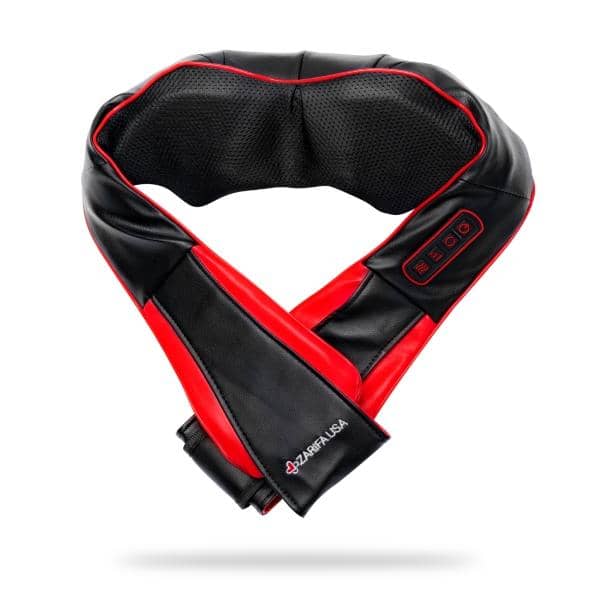
Back pain affects millions of Americans each year, and finding relief without relying on medications is a growing priority. An FSA back massager can be a valuable tool for managing chronic discomfort and supporting overall musculoskeletal health. These devices target tension and stiffness in the back muscles and, under certain circumstances, can qualify as a reimbursable medical expense through Health Savings Accounts or Flexible Spending Accounts. Understanding the requirements and proper documentation allows for an effective and compliant use of these tax-advantaged funds.
Understanding HSA and FSA Accounts
Health Savings Accounts and Flexible Spending Accounts are designed to help manage medical costs using pre-tax dollars. An HSA is generally linked to a high-deductible health insurance plan and allows funds to accumulate year over year, providing flexibility for future medical expenses. FSAs are offered through employers and typically require funds to be used within a specific plan year, although some plans allow limited rollover or grace periods. Both accounts reduce taxable income and can cover a variety of medical needs when documentation confirms the expense is medically necessary.
Determining Eligibility for Back Massagers
Not all back massagers automatically qualify for HSA or FSA reimbursement. The device must be intended to treat or manage a specific medical condition, such as chronic back pain, muscle strain, or recovery from injury. Products used primarily for relaxation or general comfort do not meet the criteria for qualified medical expenses. A letter from a healthcare professional confirming medical necessity is usually required to support any claim. The device should target areas identified as problematic by a medical professional, and evidence of ongoing symptoms or a diagnosed condition strengthens eligibility. The IRS expects claims to show that the product directly addresses a health concern.
Obtaining a Letter of Medical Necessity
A letter of medical necessity should describe the medical condition being treated and explain how a back massager will relieve symptoms or assist in therapy. The document must come from a licensed healthcare professional and include details such as the expected duration of use and any specific treatment goals. Having thorough documentation helps prevent denials from the plan administrator and ensures compliance with account requirements. The letter should reference current symptoms and describe how the device complements other medical treatments. It can also describe alternative therapies considered and why a back massager was selected. Maintaining copies of all documents supports future claims if questions arise.
Purchasing a Back Massager with HSA or FSA Funds
After confirming eligibility and obtaining a letter of medical necessity, the next step is to select a back massager that meets medical requirements. Some vendors accept HSA or FSA cards directly, allowing for a seamless purchase. If the vendor does not accept these cards, payment can be made out of pocket, and reimbursement can be requested from the plan administrator. The receipt should include the date of purchase, the product description, the total cost, and the name of the retailer. Choosing a device with features recommended by a healthcare professional will help to support therapy effectiveness. It is important to verify that the vendor accepts tax-advantaged funds before finalizing the purchase. Documenting the purchase method helps reconcile account records efficiently.
Understanding Documentation Requirements
Submitting a claim for an FSA back massager involves more than a receipt and the LMN. Many administrators require detailed documentation that clearly links the device to the treatment of a specific condition. This may include a copy of the healthcare provider’s note, the medical diagnosis, and a statement outlining how the back massager will aid in symptom relief. Having clear and complete documentation will help to minimize delays in claim approval. Plans may also request a description of previous treatments and ongoing care plans to confirm the eligibility of your claim. This means that you must keep all related documents together, even for past treatment procedures, to ensure a smooth review process.
Reimbursement and Account Management
Reimbursement processes vary depending on the administrator and the type of account. Some HSA or FSA plans allow for instant reimbursement when using a plan card, while others require submitting a claim form along with supporting documentation. It is important to verify the procedure with the account administrator before making a purchase. Regularly reviewing account balances and keeping track of eligible medical expenses allows for efficient management of funds, reducing the risk of unused dollars expiring at the end of the plan year for FSAs. Planning purchases strategically maximizes the value of contributions. Reimbursement timelines differ, so allowing extra time for approval is recommended. Maintaining organized files reduces the risk of missing required documentation. Account holders can track previous claims to support future submissions.
Selecting the Right Back Massager
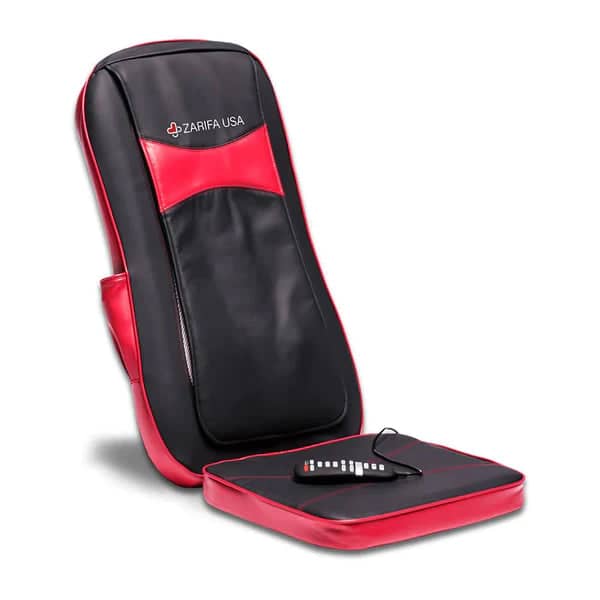
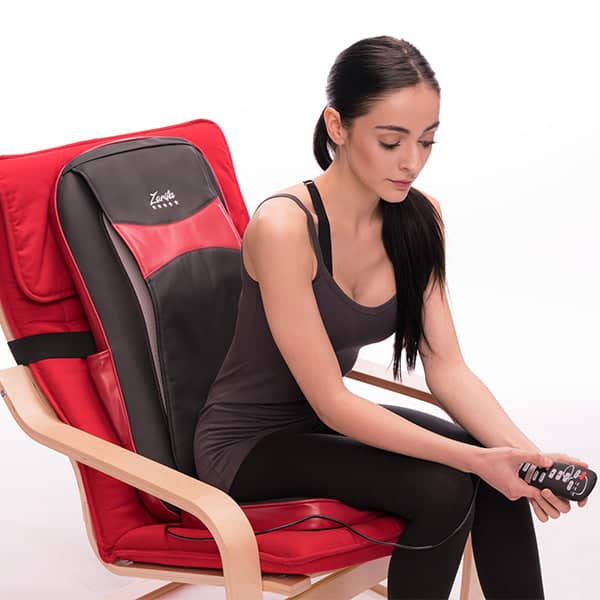
Choosing a back massager for medical purposes requires careful consideration of features, comfort, and effectiveness. Look for devices designed to address specific areas of the back with targeted pressure, heat, or vibration. Consulting with a healthcare professional can help determine which type of massager is most suitable for the medical condition being treated. Selecting an appropriate device supports proper therapy and can make a noticeable difference in daily comfort and pain management. Ergonomic design contributes to long-term usability and reduces strain during use.
Common Questions About Back Massager Eligibility
Several factors can affect whether a back massager qualifies for HSA or FSA reimbursement. The medical necessity of the device, the clarity of documentation, and the policies of the account administrator all influence approval. While some devices may be automatically approved under certain plans, others may require additional paperwork to confirm their use is treatment-oriented. Account holders should verify eligibility for new products before making a purchase. Understanding prior claim approvals for similar items can clarify expectations. Changes in plan rules or IRS guidance may impact reimbursement over time.
Benefits Beyond Reimbursement
Using a medically approved back massager offers advantages beyond potential tax benefits. Regular use under guidance from a healthcare provider can decrease muscle tension, improve circulation, and enhance overall mobility. The device can support rehabilitation, reduce reliance on medications, and encourage consistent therapy at home. By aligning treatment goals with reimbursement procedures, back massagers become both a practical and cost-effective tool for managing chronic conditions.
At Zarifa USA, we focus on providing solutions that deliver positive medical outcomes and non-drug pain relief for those managing chronic conditions. Thorough planning and careful record-keeping when using health accounts to purchase a back massager for pain management helps ensure compliance with tax rules.
For inquiries about selecting or purchasing a medically approved back massager, contact us today.