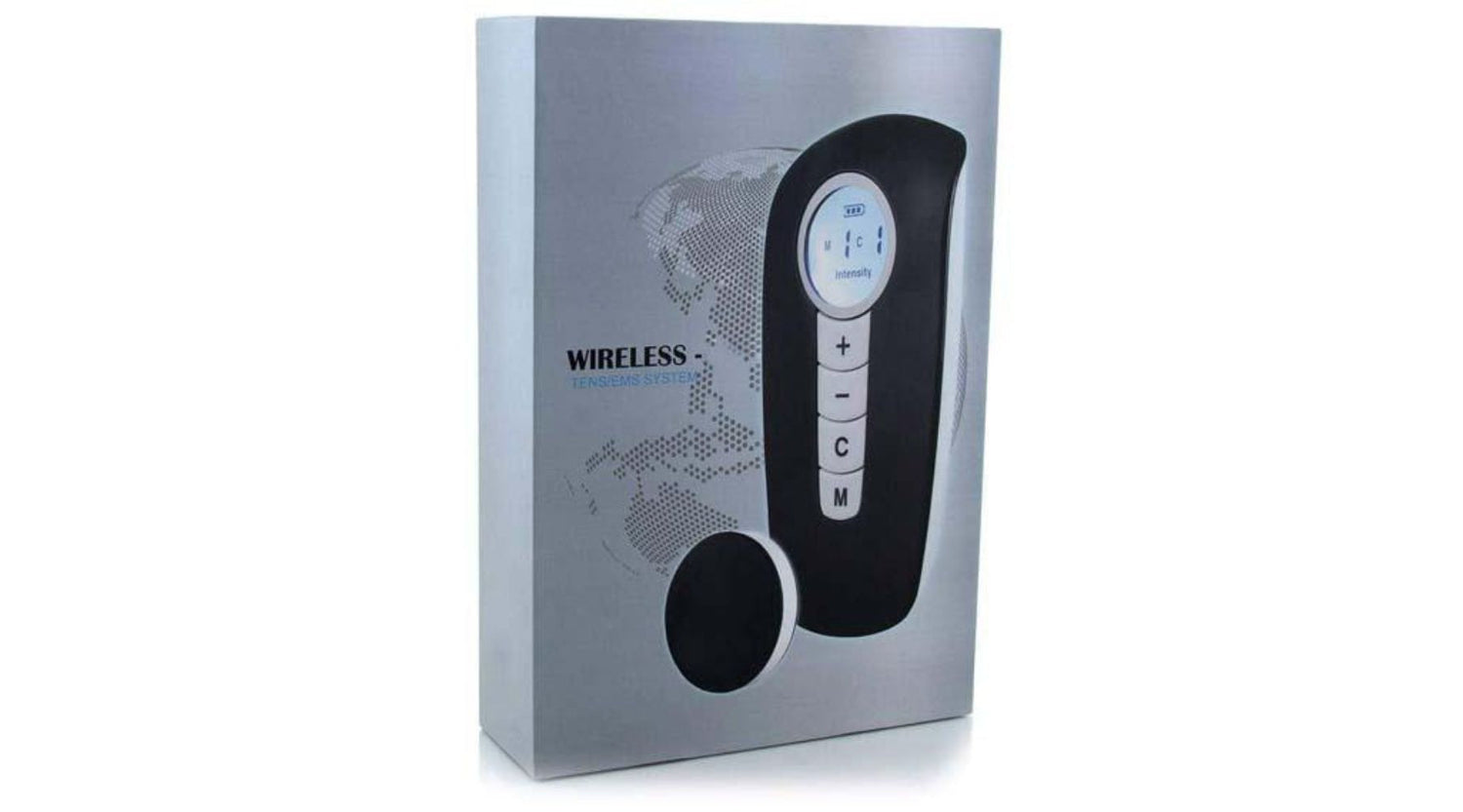
You’ve probably heard of a TENS unit before or seen one at a medical office. These machines are a form of pain management that’s been around for decades. Many athletes swear by them, but it’s important to understand these devices before you purchase one for yourself.
This guide will walk you through what you need to know about TENS units, including who should avoid them, how they work, and how you should place the pads on your body.
What Is a TENS Unit?
A TENS unit is a small, battery-powered device that sends electrical pulses through electrodes placed on the skin. These pulses help to relieve pain by stimulating nerves and promoting blood circulation. TENS units are widely used for muscle pain, joint pain, and even chronic conditions like arthritis and fibromyalgia. The electrodes are typically placed on areas where pain is felt, such as the neck, back, knees, or shoulders, providing targeted relief.
The Parts of a TENS Unit
There are a few working parts of a TENS unit. These machines are fairly simple to understand, even without a medical background. Each unit will feature the TENS pad, which controls the device, and the electrodes. Additional TENs accessories are also available for purchase separately.
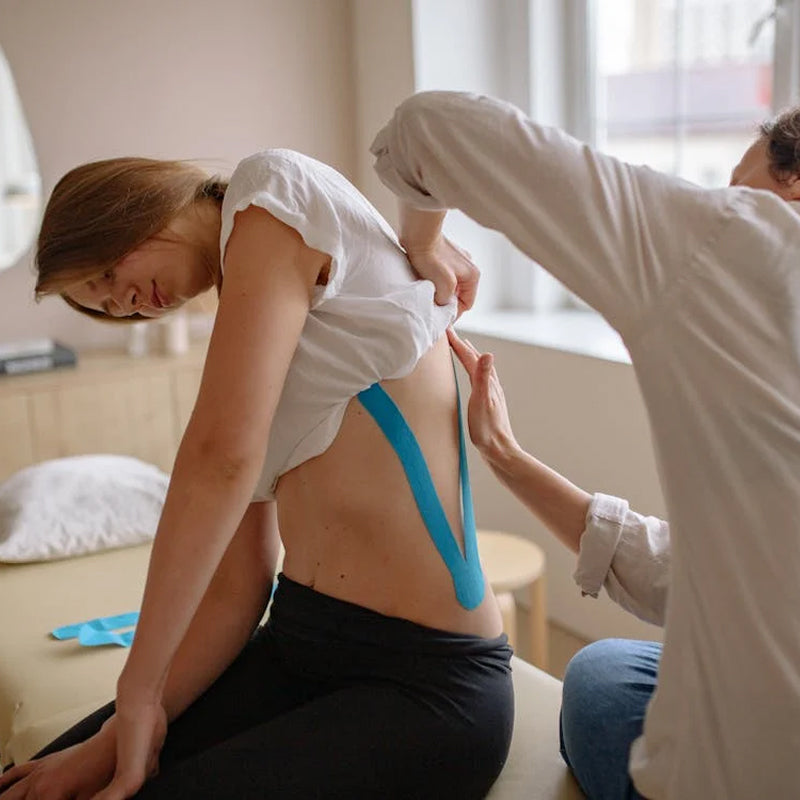
The pad will control the impulse intensity, session length, and rhythm. It gives you complete control over your experience. The electrodes can be wireless or wired, depending on which system type you choose. You place these sticky pads on the area you’d like to work on, then let the device do the work. The most common placement areas include elbows, knees, neck, shoulders, lower back, abdomen, and legs.
Pro Placement Tip:
Remember to place the electrodes on your muscles and not your bones. You want to stimulate blood flow to the muscles to help loosen them up and remove pain.
How TENS Units Provide Pain Relief
There are two main theories behind why TENS units are effective at providing pain relief: Endorphin Production and Gate Control Theory.
- Endorphin Production Therapy
Endorphins are the feel-good hormone, one of your body’s natural chemicals known as neurotransmitters. These chemicals do more than improve your mood and help make you happy. Endorphins naturally reduce the amount of pain we feel in our bodies or let us know when we’re in a stressful situation.
Our body releases endorphins during times of pleasure, exercise, and enjoyment. This theory suggests that the TENS unit helps our bodies produce the endorphin hormone more effectively and reduce pain. This is similar to the natural way the body responds to exercise or pleasure, reducing pain and boosting mood.
- Gate Control Theory
Pain is your body’s warning system to tell you something is wrong. The injury location signals your spine that you’ve experienced a broken bone, sprain, or cut. The signal travels from the spine to the brain to decode the feeling of pain.
Patrick Wall and Ronald Melzack created the gate control theory when the first TENS unit was developed in 1965. The idea explores how our nerves recognize pain and how touch obstructs perception. The pain signals pass through several “gates” as they travel from the central nervous system to the spinal cord to the brain.
The combination of small and large fibers creates these gates. Small fibers are pain fibers, and large fibers are for skin senses, such as pressure and touch. They can either hinder the pain signals as they travel or allow them to pass through the nervous system.
When your body feels more small fiber pain than large fiber pain, the pain gate opens, allowing the signal to travel to the brain and become decoded. The more pain signals that pass through, the more pain you will feel. The opposite is true when large fiber activity is present. In this instance, the pain gate will close, and the pain nerves won’t be allowed to pass through. That means no pain!
This theory explains why people sometimes shake or rub the area where an injury occurs. Shaking and rubbing the injury site produces more large fiber activity, diminishing small fiber activity and decreasing the pain sensation.
TENS Units for Various Conditions
Since these devices help treat and reduce pain, they can viably treat various conditions that cause chronic pain. Some of these conditions include:
- Injuries
- Menstrual cramps and pain
- Fibromyalgia
- Chronic muscle pain
- Osteoarthritis
- Endometriosis
- Diabetic neuropathy
Always consult your primary care physician before beginning any treatment with the TENS unit. Adding a session with the device to your wellness regimen is a fantastic way to receive pain relief.
How to Use a TENS Unit
Using a TENS unit is straightforward, but there are a few essential tips to ensure its effectiveness. First, it's crucial to place the electrodes on the area where you're experiencing pain. You can apply the electrodes to muscles or joints, but avoid placing them on broken or irritated skin. Start with a low intensity and gradually increase it until you feel a mild, comfortable tingling sensation. Sessions typically last between 15 to 30 minutes, and you can use the TENS unit multiple times a day, depending on your needs.
For best results, it's important to be consistent with your TENS therapy, and don’t forget to consult with a healthcare provider if you have any concerns or underlying health conditions.
Who Should Avoid Using a TENS Unit?
While TENS units are safe for most people, certain individuals should avoid using them. Those with pacemakers or other implanted electronic devices should not use a TENS unit as the electrical impulses could interfere with these devices. Pregnant women should also avoid using a TENS unit on their abdomen or lower back, as it may trigger contractions. Additionally, people with epilepsy should refrain from using TENS units, as electrical stimulation could trigger seizures. Always consult with a healthcare professional before using a TENS unit, especially if you have any health concerns.
Why Choose Zarifa USA for Your TENS Unit?
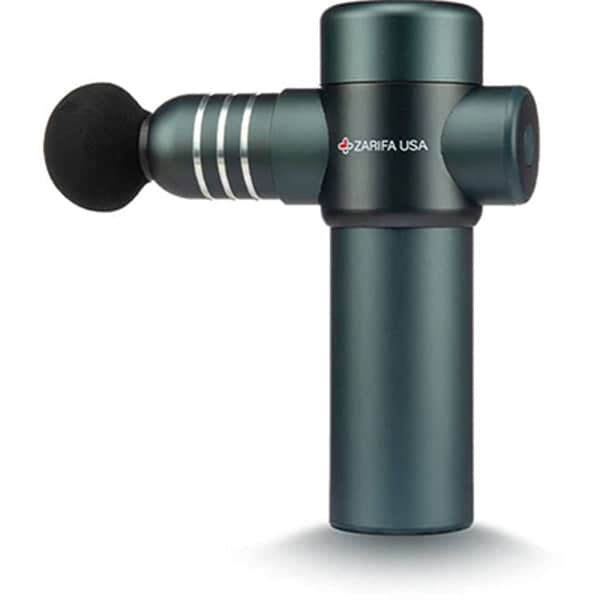
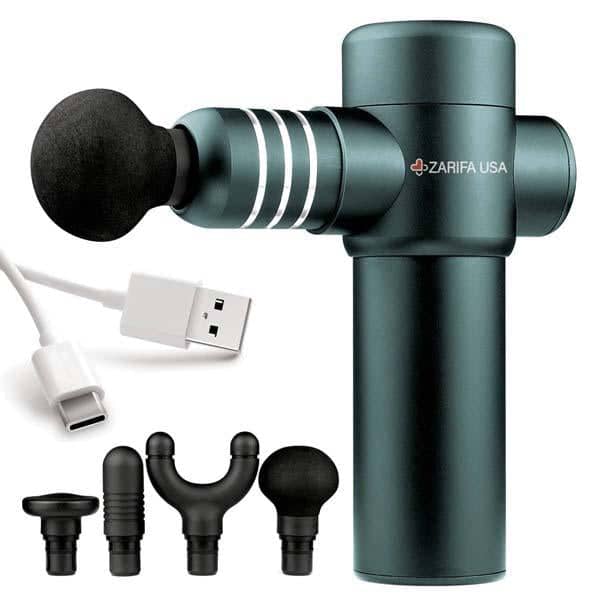
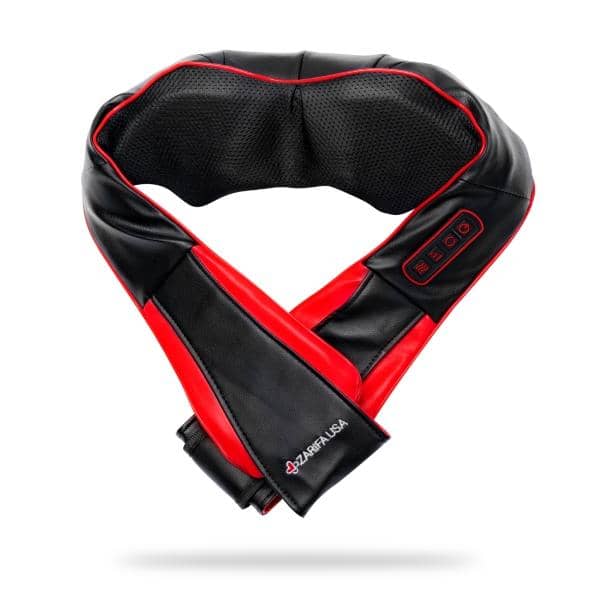
Zarifa USA offers a range of high-quality TENS units designed to provide fast and effective pain relief. Our products are user-friendly, portable, and come equipped with the latest technology to ensure the best results for muscle recovery and pain management. Plus, all our TENS units are HSA and FSA eligible, meaning you can use your health savings funds to purchase one.