★★★★★

What is Included In Pain Management?

What is Included In Pain Management?

Suggested by experts and experienced by many who suffer, note that the emotional wellbeing of a person in pain, impacts the overall experience of the pain and the recovery. That is if we seek to understand the cause and learn practical ways to cope with the pain, the quality of life can and will improve. Some key strategies might include:

  • Physical therapy (cold or heat packs, massages, hydrotherapy, stretching, and specifically designed exercises)
  • Psychological therapy (cognitive behavioral therapy, relaxation techniques, meditation)
  • Mind and body techniques such as acupuncture
  • Community support groups
  • Pain medication (which we don't promote, see your doctor)

Two main types of pain include:

  1. Acute pain is a normal response to the medical condition or the injury. Starting immediately and usually lasting only for a short period
  2. Chronic pain continues beyond the time of injury/condition and most likely lasts for much longer than three months

Pain could be something like a sharp stab to a dull ache. Pain can also range from extreme to mild. It can occur in one part of the body or many parts or areas, happening on and off or consistently.

Some of the most common causes are:

  1. An injury
  2. Some medical conditions such as cancer, arthritis, or back problems
  3. Surgeries

What is involved in pain management treatment?

A pain management specialist treats a person’s pain and will coordinate with other pain care providers, including physical rehab, counseling, and physical therapy.

There are many non-medicinal treatments available to help manage pain. Typically, a good combination of suggested treatments and therapies will most often be most effective versus only capitalizing on one treatment plan.

Pain management techniques

Non-medicinal options:

  1. Heat or cold: ice packs are used immediately after an injury to reduce swelling. Heat is usually better for relieving chronic muscle or joint injuries.
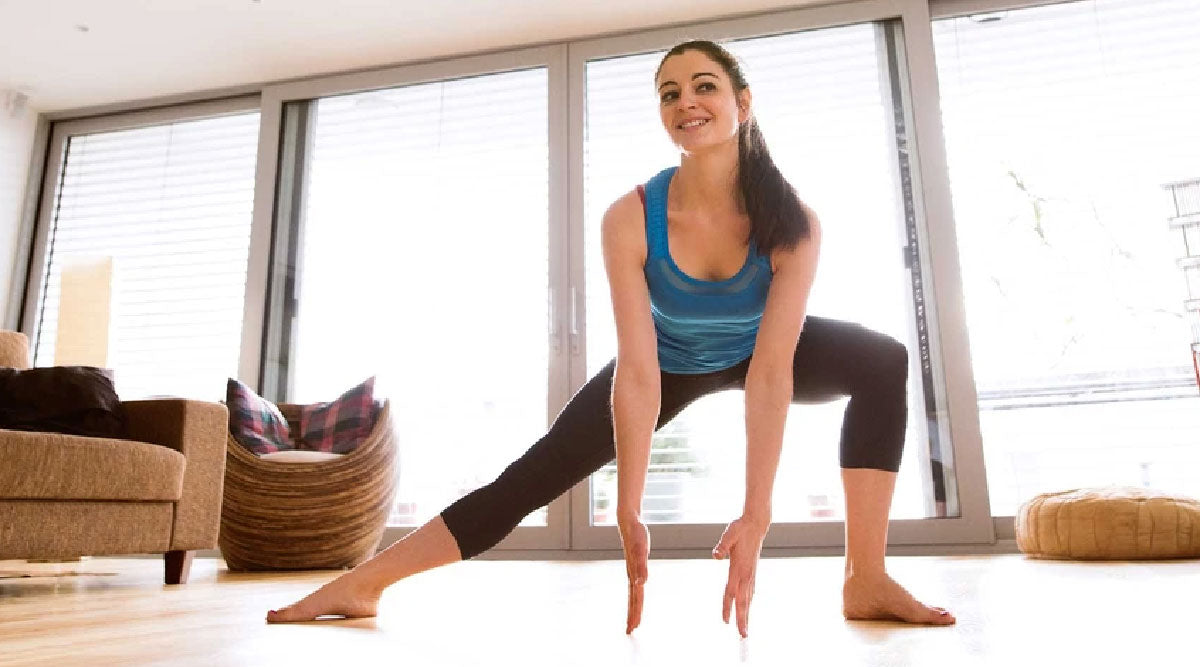
  2. Physical therapy: walking, stretching, strengthening, or aerobic exercises keep the body mobile and staying active; it will also improve one’s mood.
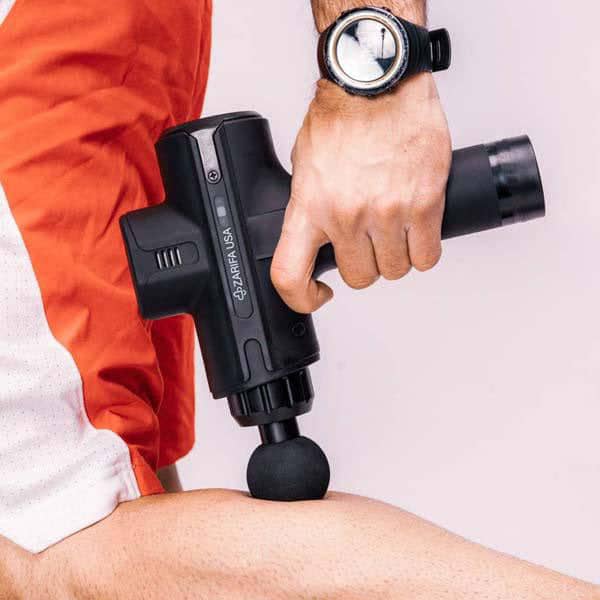
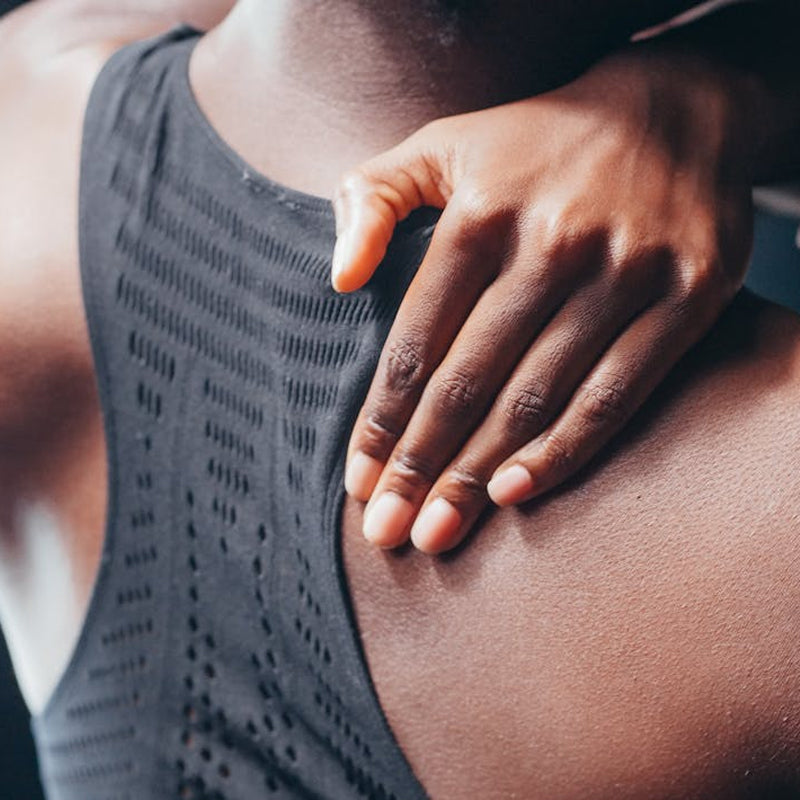
  3. Massage is another form of physical therapy suited to soft tissue injuries. Avoid if the pain is in the joints/bones.
  4. Relaxation and stress management techniques include yoga and meditation
  5. Cognitive behavior therapy (CBT) is a form of psychological therapy that can help a person learn to change how they think and, in turn, how they feel and behave regarding the pain.
  6. Acupuncture inserts thin needles into specific points on the skin, restoring balance within the body while encouraging the body to heal by releasing its natural pain-relieving endorphins.
  7. Transcutaneous electrical nerve stimulation (TENS) therapy use low voltage electrical currents that pass through the skin via the electrodes, prompting a pain-relieving response from the body as a result

As one of the oldest healing traditions/therapies first used by Ancient Greeks, Egyptians, Chinese, Indians, and Native peoples, massage therapy has many styles:

  • Swedish Massage
  • Ayurvedic Massage
  • Thai Massage
  • Hot Stone Massage
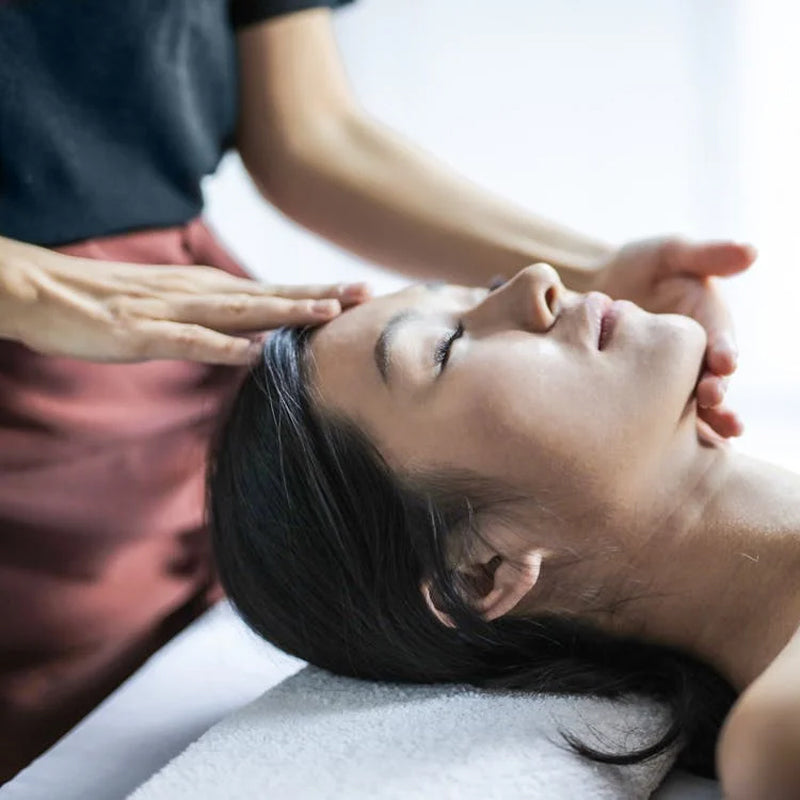
  • Head Massage
  • Aromatherapy Massage
  • Acupressure Massage
  • Lomi Massage
  • Kalari Massage

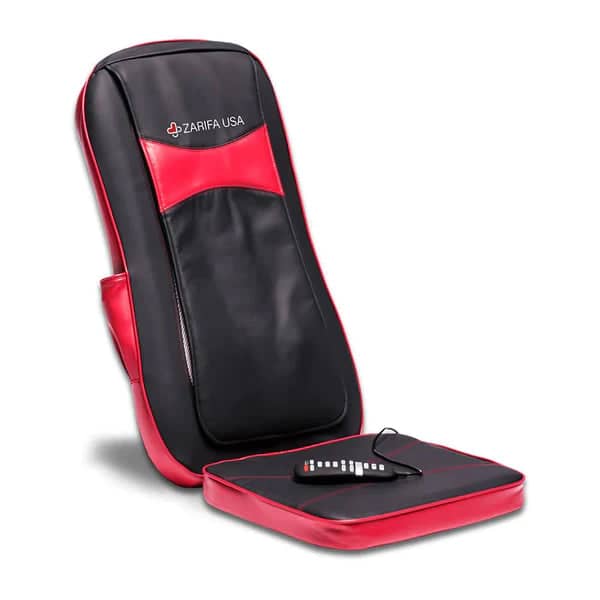
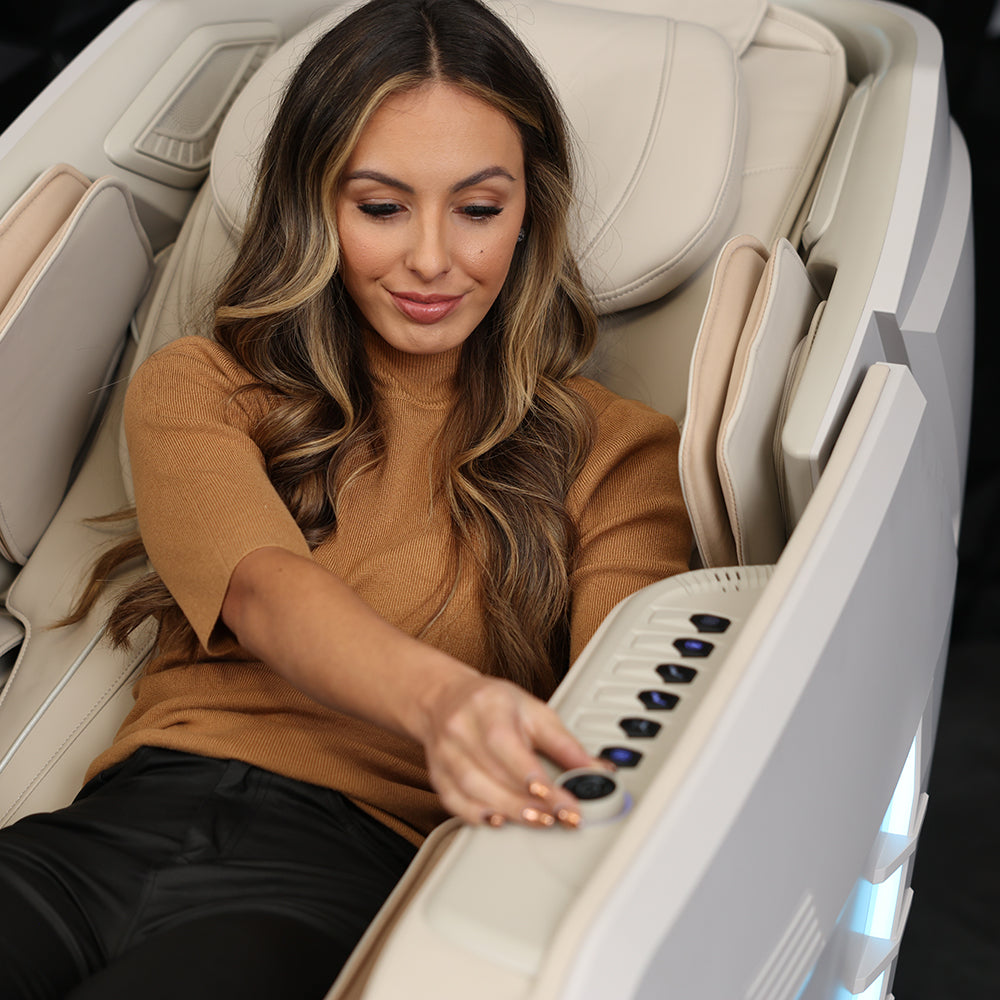
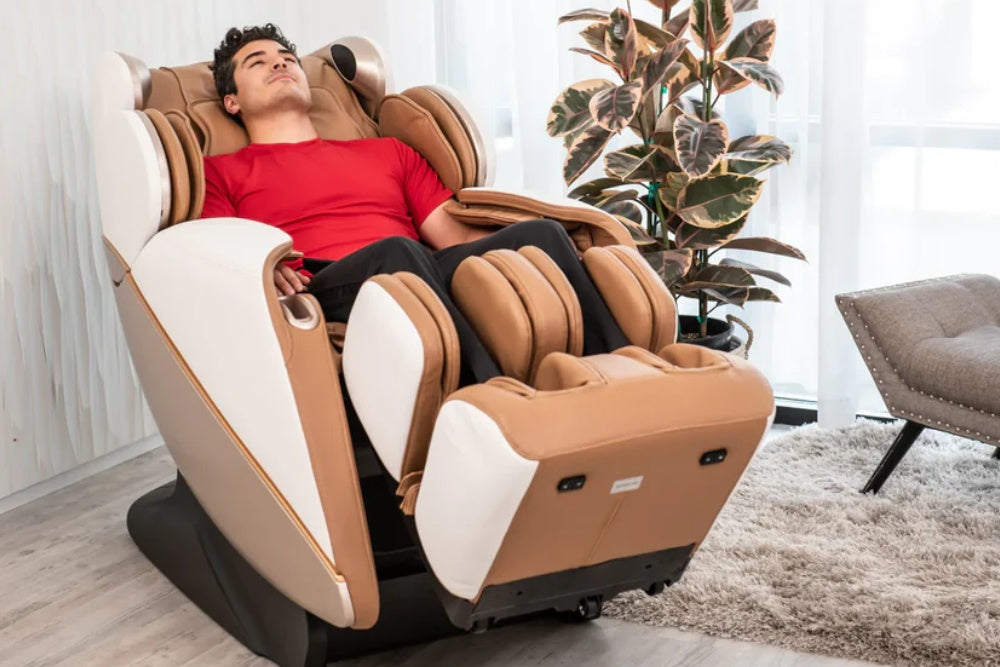
Some think of massage chairs as luxurious pieces of furniture; however, they are so much more than that and with many benefits other than occasional muscle relaxation. Numerous clinical studies show significant improvement in blood circulation, immunity response, muscle recovery, and managing hypertension.

Some people enjoy massage because it regularly produces feelings of caring, comfort, and connection.  Although, massage is not meant to be a replacement for one’s regular medical care.

Generally, massage is considered part of integrative medicine and is increasingly being offered along with standard treatment for a wide range of conditions that may include the following but not limited to:

    1. Reducing stress and increasing relaxation
    2. Reducing pain and muscle soreness and tension
    3. Improving energy and alertness
    4. Lowering heart rate and blood pressure
    5. Anxiety
    6. Digestive disorders
    7. Fibromyalgia
    8. Headaches
    9. Insomnia related to stress
    10. Low back pain
    11. Myofascial pain syndrome
    12. Nerve pain
    13. Soft tissue strains or injuries
    14. Sports injuries
    15. Temporomandibular joint pain
    16. Upper back and neck pain

Psychological pain management techniques

Pain will sometimes persist and will not be relieved quickly. Some ideas below are on how to get best a handle on the pain that seems to be relentless:

  1. Focus on improving day-to-day functions instead of trying to stop the pain
  2. Acceptance in that the pain probably will not go away, and flare-ups will occur. Talk therapy to yourself during the difficult moments
  3. Educate yourself regarding the condition, so there is very little room to worry unnecessarily
  4. Reach out to friends and family for help by letting them know exactly what type of support you are going to need
  5. Ease depression by whatever method works best for you but be sure not to isolate; stay connected
  6. Never increase pain medications without talking to the medical professional who prescribed them first
  7. Increased dosages probably will not help the pain and, depending on the medication, could have a high chance of chemical dependence or withdrawals
  8. Improve physical fitness by eating healthy foods and getting all the rest that is recommended and needed for recovery
  9. Avoid allowing the pain to stop living a “normal” life but always gently reintroduce activities, or cut back on certain activities should the pain flare-up
  10. Find rewarding and enjoyable activities that will not make the condition worse
  11. Find the best suited coping skills and strategies from a professional counselor or a psychologist

Who to seek for needed help in pain management:

  1. Doctor/General Practitioner
  2. Pharmacist
  3. Physiotherapist
  4. Occupational therapist
  5. Counselor
  6. Psychologist
★★★★★
★★★★★
★★★★★
★★★★★

Massage Therapy Blogs

View all
Neuro Massage: Pain Relief and Muscle Health Through Targeted Therapy

Neuro Massage: Pain Relief and Muscle Health Through Targeted Therapy

Neuro massage therapy is a specialized technique designed to relieve pain and muscle tension by targeting specific trigger points in the muscles. In this article, we explore how neuro massage works...

Understanding Soreness from Massage: Causes and Relief Tips

Understanding Soreness from Massage: Causes and Relief Tips

Feeling sore after a massage? You’re not alone. Soreness from massage is common and usually indicates that the treatment was effective. This article will help you understand why you feel sore, how ...

What Toxins Are Released After Massage? The Comprehensive Guide

What Toxins Are Released After Massage? The Comprehensive Guide

  Curious about what toxins are released after massage? During a massage, the body releases acids and waste products, such as lactic acid, uric acid, and creatinine from muscles into the bloodstrea...

In-Depth Review of the Z Smart Pro Massage Chair: Benefits of Back Massage

In-Depth Review of the Z Smart Pro Massage Chair: Benefits of Back Massage

Curious about the benefits of back massage? They can ease muscle tension, alleviate chronic pain, and lower stress. This article will explore these health perks and how the Z Smart Pro Massage Chai...

Soft Tissue Massage Techniques, and Key Differences from Deep Tissue Massage

Soft Tissue Massage Techniques, and Key Differences from Deep Tissue Massage

Soft tissue massage targets muscles, tendons, and ligaments to offer relaxation and minor pain relief. This article explains its benefits, techniques, and how it differs from deep tissue massage. K...

Best Tips on How to Prepare for a Massage

Best Tips on How to Prepare for a Massage

Want to make the most of your massage? Knowing how to prepare for a massage can significantly enhance your relaxation and overall experience. This guide will walk you through the key steps, from st...

Pain Management Blogs

View all
What Causes Neck and Shoulder Pain During Pregnancy?

What Causes Neck and Shoulder Pain During Pregnancy?

A woman's body changes a lot throughout pregnancy, resulting in problems like pain, vomiting, and more. Shoulder and neck pain are typical responses of the body during pregnancy. An estimated...

Restless Leg SyndromeRestless Leg Syndrome (RLS) : Causes , Symptoms, Treatment

Restless Leg Syndrome (RLS): How To Ease Pain

What Is Restless Leg Syndrome? Willis-Ekbom disease (restless legs syndrome (RLS)) or more commonly known as restless leg syndrome is a disruptor of sleep and rest. It is a neurological disorder...

Utah Business Names Zarifa USA a 2020 Emerging Business

Utah Business Names Zarifa USA a 2020 Emerging Business

Zarfia USA is proud to be named an Emerging Business in the Utah Business list of fastest growing companies. Each year, Utah Business recognizes the emerging and fastest growing companies in the st...

Tens Unit Placement For Sciatica

Tens Unit Placement For Sciatica

If you suffer from the pain of sciatica, you may be wondering if a TENS unit can be used for sciatica pain relief. The answer is yes. TENS units can relieve sciatica pain—even the radiating, shoot...

Deep Knots in Shoulder Blade

Deep Knots in Shoulder Blade

They can come out of nowhere: one moment you’re fine, and the next a spot of painful muscle tension is aching in your shoulder blades. What Are Muscle Knots Most commonly referred to as muscle kno...

How to Use a Muscle Gun for Knots

How to Use a Muscle Gun for Knots

We have all experienced muscle tightness and soreness at some point. Excruciating or uncomfortable pain in your muscles usually means you have a knot. You might be familiar with the word knot,...

Product Blogs

View all
Massage Chair Features: 10 Things To Look For Before Buying

Massage Chair Features: 10 Things To Look For Before Buying

Investing in a massage chair requires careful attention to the massage chair features that matter most for comfort and long-term benefit. Choosing a model without understanding its capabilities can...

How To Choose The Best Foot Massager Machine For Your Needs

How To Choose The Best Foot Massager Machine For Your Needs

Selecting the best foot massager machine requires careful consideration of personal comfort, foot conditions, and daily routines. A high-quality foot massager can reduce muscle tension, ease sorene...

How To Buy HSA Or FSA Eligible Massage Chairs

How To Buy HSA Or FSA Eligible Massage Chairs

Investing in a massage chair through health spending accounts involves more than selecting a product that provides comfort. A massage chair FSA-eligible purchase requires clear medical justificatio...

Can You Buy A Foot Massager With Your HSA/FSA Card?

Can You Buy A Foot Massager With Your HSA/FSA Card?

Using health spending accounts to purchase medical equipment requires careful consideration of eligibility rules. An FSA foot massager is not automatically covered because most accounts restrict sp...

Are Back Massagers HSA/FSA Eligible?

Are Back Massagers HSA/FSA Eligible?

Back pain affects millions of Americans each year, and finding relief without relying on medications is a growing priority. An FSA back massager can be a valuable tool for managing chronic discomfo...

Why the Zarifa Z-Smart Foot Massager is the best Foot Massager on the Market | Zarifa USA

Why the Zarifa Z-Smart Foot Massager is the best Foot Massager on the Market

Our feet take a lot from us. They hold the weight of our entire body all day long, and they take the brunt of the pounding when we run, walk, and workout on them. Even just standing for long period...