A neck strain occurs when muscles or ligaments in the neck are overstretched or torn, often resulting in pain, stiffness, and limited mobility. Because the neck supports the head and allows a wide range of motion, even minor strain can significantly impact daily comfort. Neck strain can occur during athletic activities, sudden movements, poor posture, or even routine actions such as sleeping in an awkward position or spending extended hours looking at screens.
Regardless of how it develops, addressing neck strain early is essential to prevent prolonged discomfort or recurring flare-ups. While mild cases often improve with conservative care, more severe symptoms may require professional evaluation. The information below is intended for general education and should not replace personalized medical advice.
Common Causes of Neck Strain
The neck, also known as the cervical spine, is a complex structure made up of muscles, ligaments, tendons, joints, nerves, and vertebrae cushioned by intervertebral discs. Injury or inflammation affecting any of these components can lead to pain or stiffness.
Neck strain commonly occurs when muscles are forced to perform tasks they are not conditioned for. Typical causes include:
- Sudden or forceful movements during sports or exercise
- Poor posture while working, driving, or using electronic devices
- Overstretching during warm-ups or workouts
- Applying excessive force to cold or fatigued muscles
- Prolonged static positions, such as watching television or working at a computer
Modern lifestyles that involve extended screen time have significantly increased the frequency of posture-related neck strain.
Symptoms of a Strained Neck Muscle
Neck strain symptoms can range from mild discomfort to more persistent pain that affects movement and daily function. Common signs include:
- Pain in the back of the neck or upper shoulders that worsens with movement
- Reduced range of motion or difficulty turning the head
- Headaches that radiate from the base of the skull
- Neck stiffness or tightness
- Fatigue or irritability due to discomfort
- Tingling, numbness, or weakness in the arms or hands
While many cases resolve with basic care, symptoms that worsen or persist should be evaluated by a medical professional.
Home Remedies and Self-Care for Neck Pain Relief
For mild to moderate neck strain, conservative care can help reduce inflammation and promote healing.
- Cold and Heat Therapy
Ice is typically recommended during the first 48 to 72 hours to reduce inflammation. After that, heat therapy using warm showers, heating pads, or compresses may help relax tight muscles. Avoid sleeping with heat or ice applied to prevent skin injury.
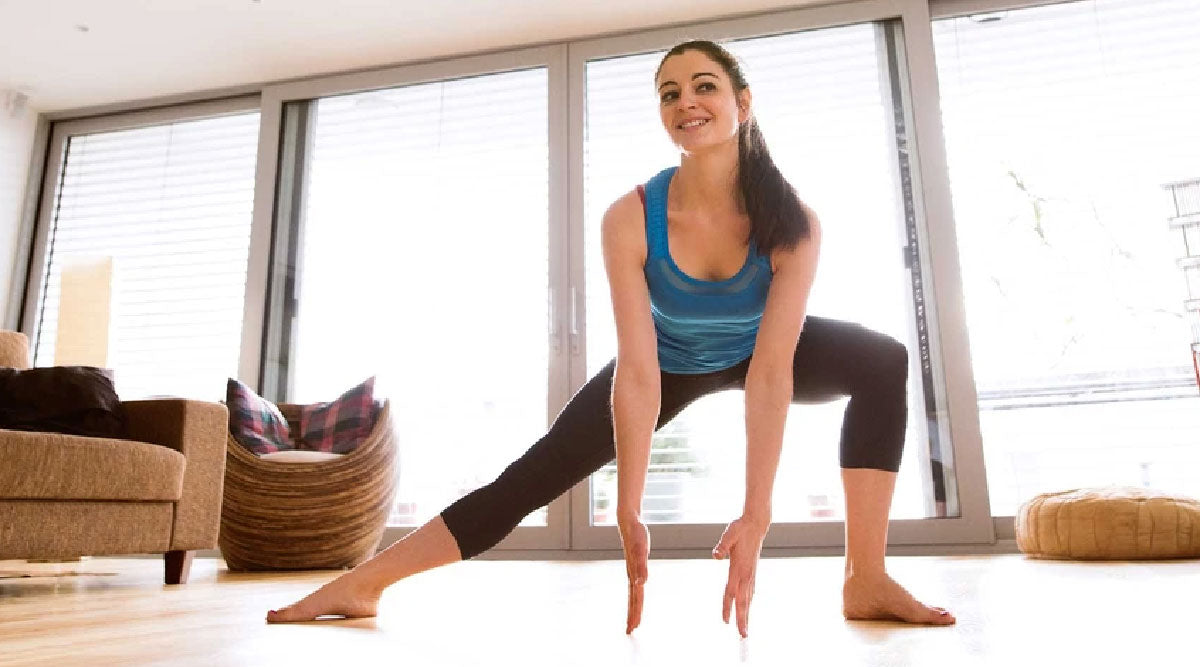
- Gentle Movement and Stretching
Remaining active while avoiding sudden or painful movements can help maintain mobility. Slow, controlled movements such as side-to-side neck rotations or gentle tilts can support recovery.
- Pain Relief Options
Over-the-counter medications such as ibuprofen or acetaminophen may help manage discomfort when used as directed.
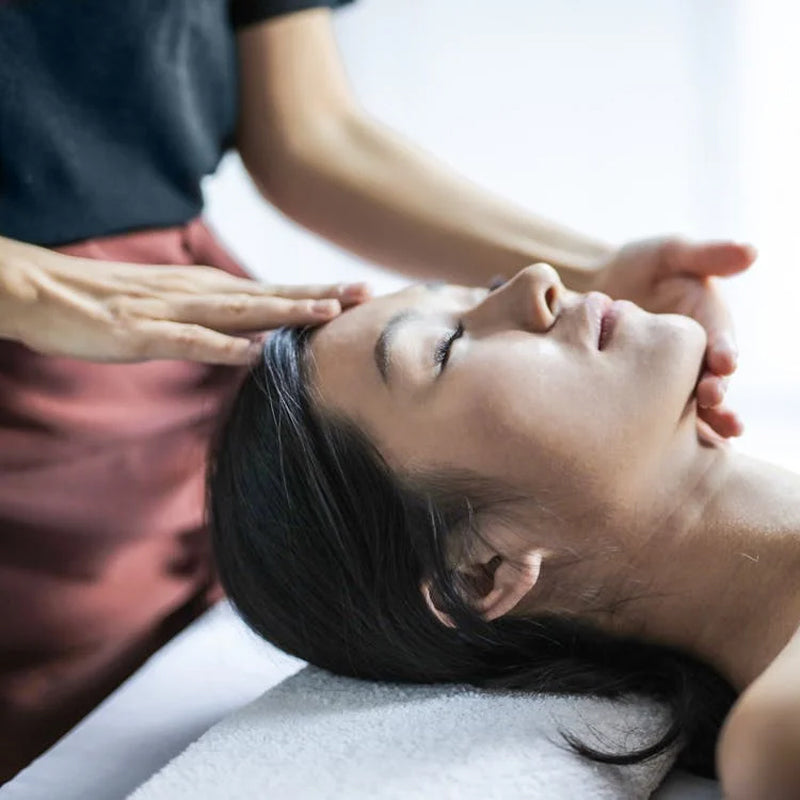
- Massage Therapy
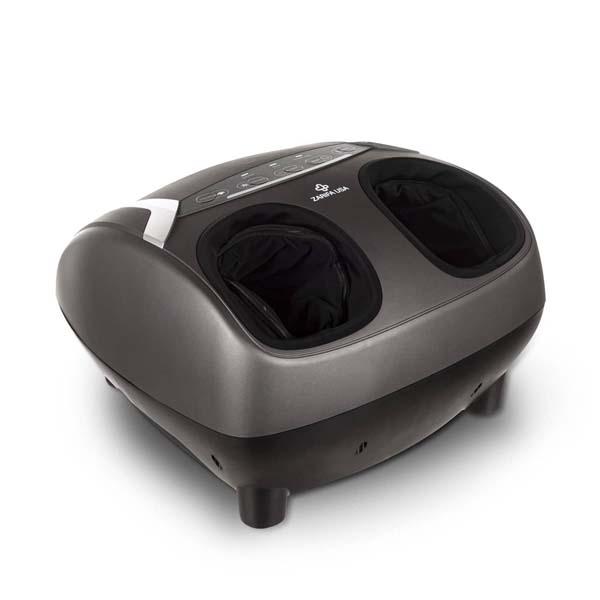
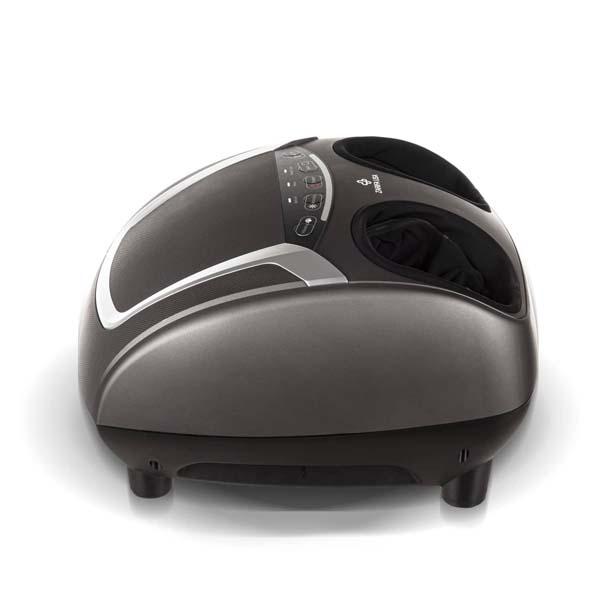
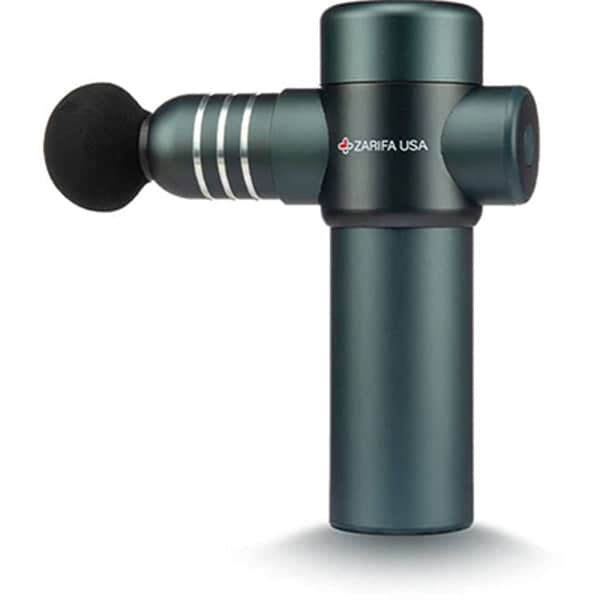
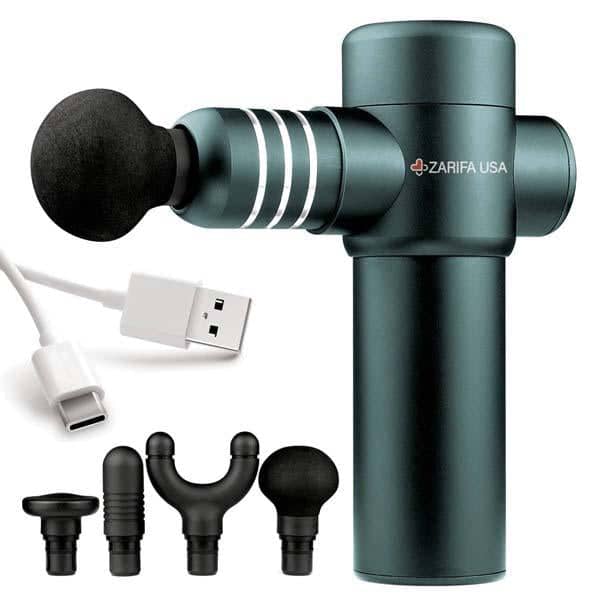
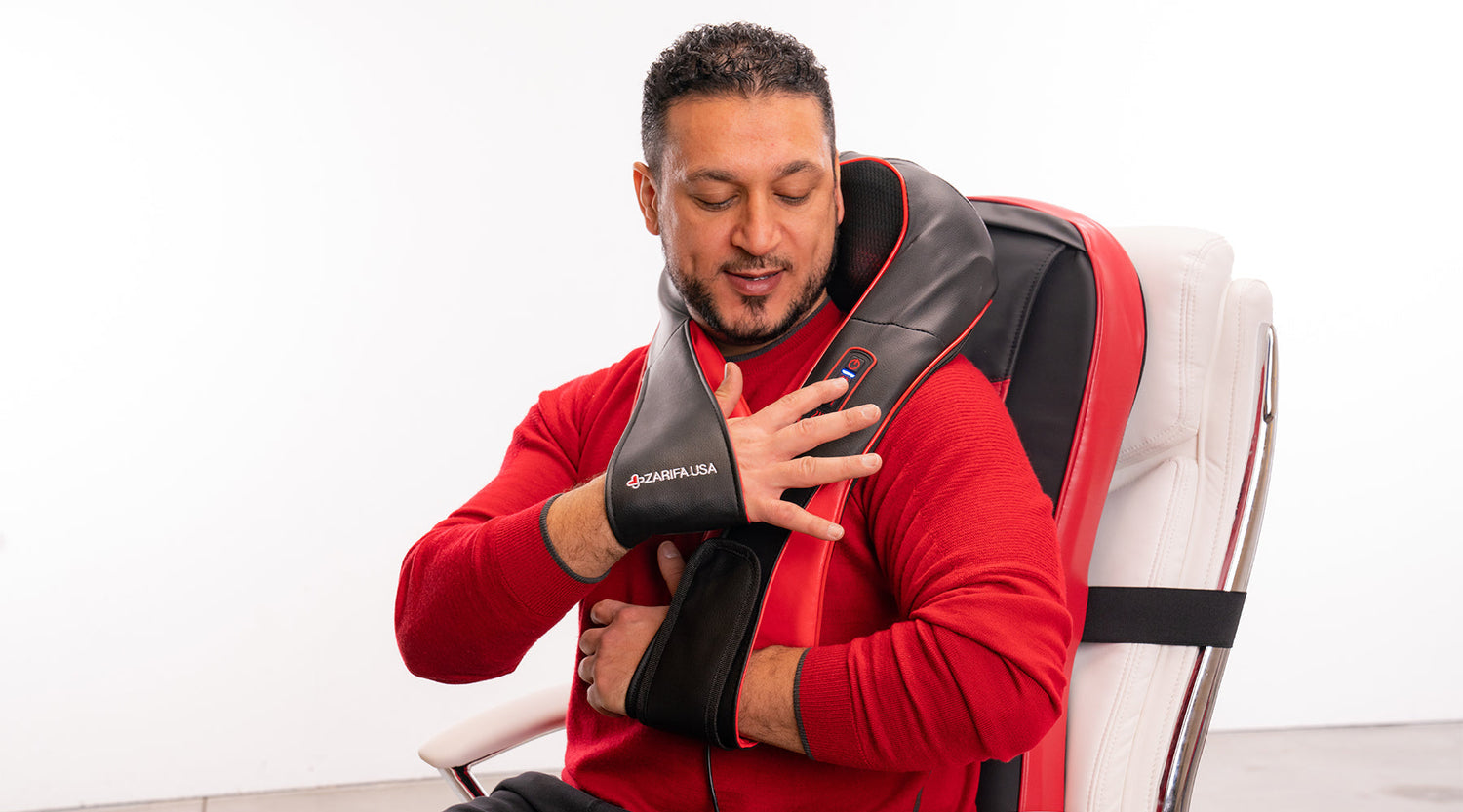
Massaging sore areas can help improve circulation and ease muscle tension. Using a neck and shoulder massager may provide consistent relief and support relaxation after long workdays.
- Sleep and Posture Support
Sleeping on a firm mattress and using a supportive neck pillow can reduce strain overnight. Avoid prolonged positions that place stress on the neck.
Stress Reduction and Its Role in Neck Health
Emotional stress often contributes to increased muscle tension in the neck and shoulders, which can delay recovery. Relaxation techniques such as deep breathing, meditation, mindfulness practices, and progressive muscle relaxation may help reduce muscle tightness and support healing.
When Physical Therapy May Help
For persistent or recurring neck strain, a physical therapist may provide targeted exercises to strengthen and stretch the neck, shoulders, and upper back. Therapy often includes isometric exercises, range-of-motion training, and posture correction strategies.
Some individuals may also benefit from treatments such as ultrasound therapy or gentle traction performed under professional supervision. Home traction devices should only be used with proper guidance.
When to See a Doctor
Seek medical attention if neck pain is severe, lasts for several weeks, limits movement, or radiates into the shoulders or arms. Symptoms such as fever, weakness, or numbness may indicate a more serious condition requiring further evaluation.
Supporting Ongoing Neck Comfort and Prevention
Evaluating daily habits that contribute to neck strain, such as workstation setup, screen positioning, and sleeping posture, can help prevent future flare-ups. Establishing a routine that includes gentle stretching, stress management, and regular muscle relaxation can support long-term neck health.
At Zarifa USA, we offer advanced neck and shoulder massage solutions designed to help relieve muscle tension and support daily recovery. Schedule a consultation to explore massage therapy tools as part of a regular wellness routine may help reduce strain caused by modern work and lifestyle demands.
If your neck discomfort is persistent or worsening, consult a healthcare professional for diagnosis and treatment guidance. For everyday muscle tension and preventive care, incorporating targeted massage and ergonomic habits can help you stay comfortable and active.