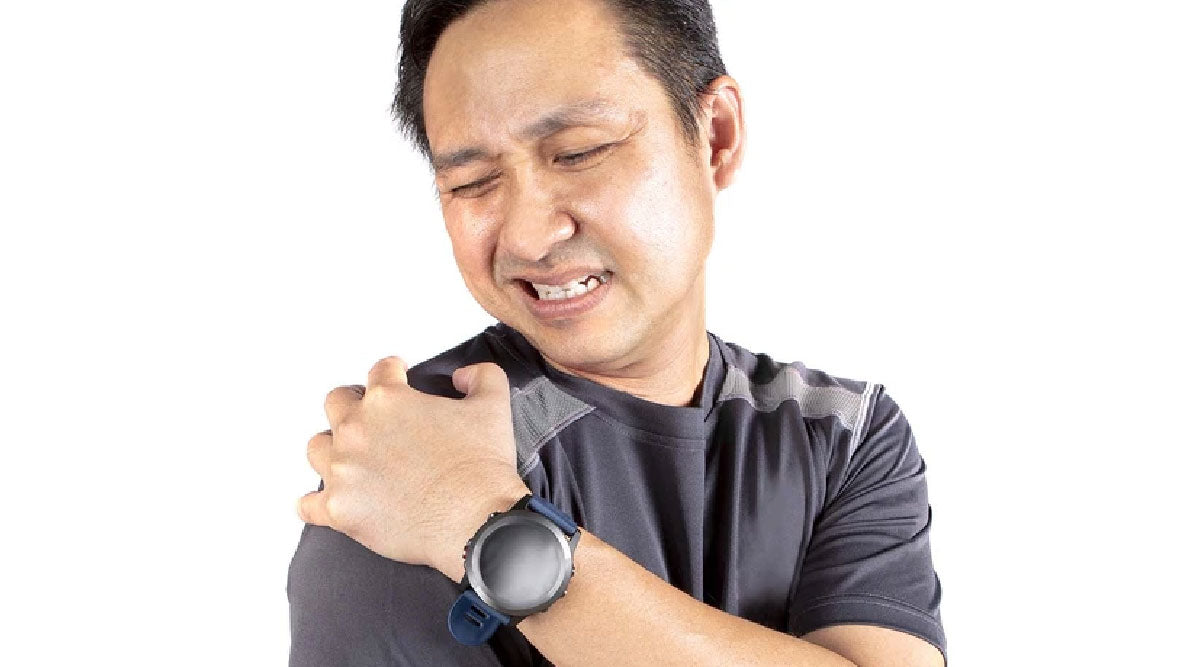
You're not the only one if you have back discomfort. Back pain is one of history's most frequent health issues, not only because of sports. Daily activities such as gardening and household chores, combined with poor posture and aging, are typical causes of back problems. Back pain can appear in different forms, ranging from a sudden, sharp ache to a dull, persistent discomfort.
What causes back pain?
There are several probable reasons for back pain. Because the back plays such a crucial role in the body, discomfort in this area is surprisingly common. Back pain is often caused by physical injuries, tight muscles, poor posture, spinal structural problems, or weak core strength.
Urgent care to do for your lower back pain:
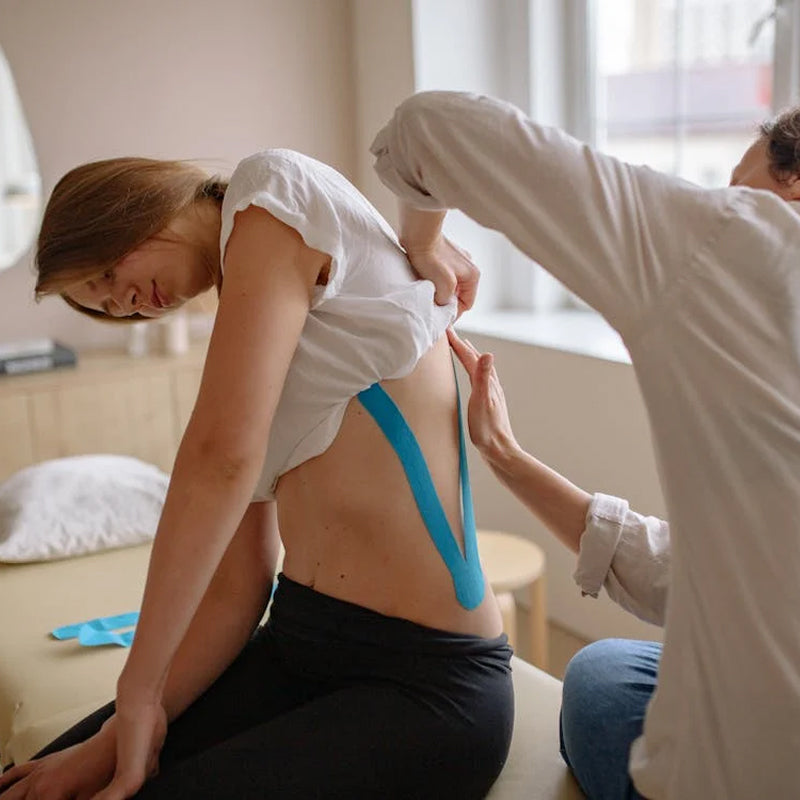
The degree of your pain will determine if your back discomfort requires medical care. Your primary healthcare provider may not always be available when back pain strikes, as it can occur at any time. In such cases, emergency care can help relieve your pain.
Anti-inflammatory medication:
In several back pain instances, the first urgent treatment involves a non-steroidal anti-inflammatory medicine (NSAID) such as ibuprofen (Motrin) or naproxen (Aleve). These medications help reduce pain and inflammation. Many NSAIDs are available over the counter, but in some situations, your doctor may prescribe a stronger NSAID or another anti-inflammatory medication that is more suitable for your specific condition.
Exercise and Strengthening:
Your provider may prescribe workouts to help treat your back pain depending on the reason and degree of the pain. They can work with you to develop a safe exercise program that strengthens your back, abdominal, and leg muscles. These muscles play a key role in supporting the spine. Relaxing and strengthening these muscles can help reduce back discomfort and prevent future injuries.
Exercises for those with low discomfort in their back are beneficial. They can assist muscle repair and safeguard you from future discomfort. Your doctor may also advise reverse tension to ease muscular tension, decrease back spasms and alleviate flexibility.
Using electric massagers:
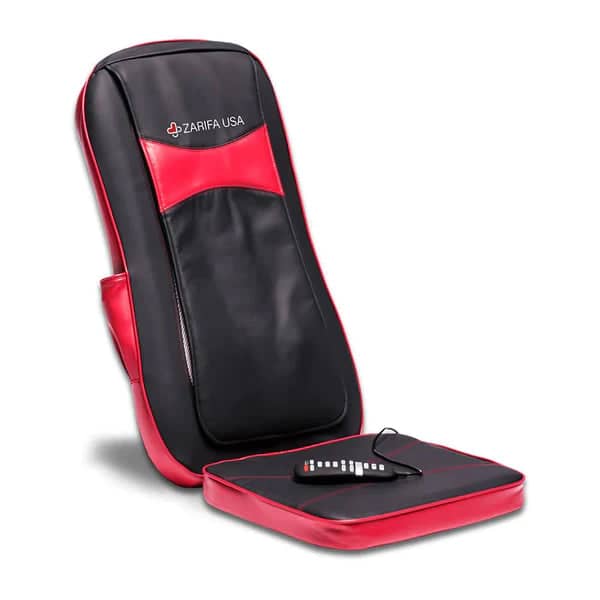
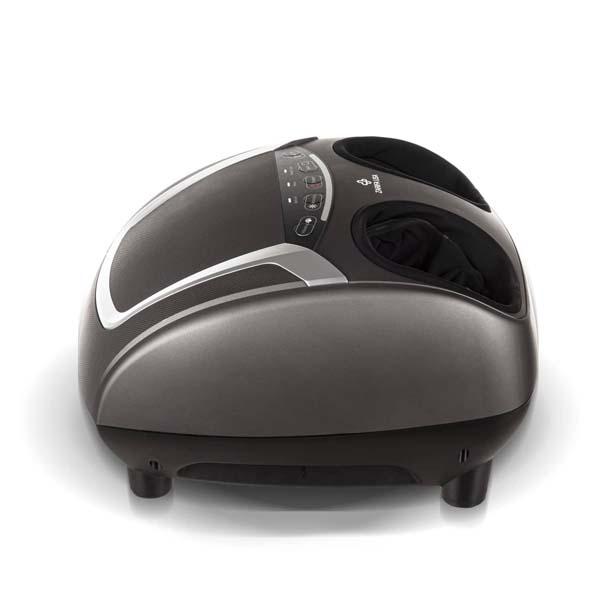
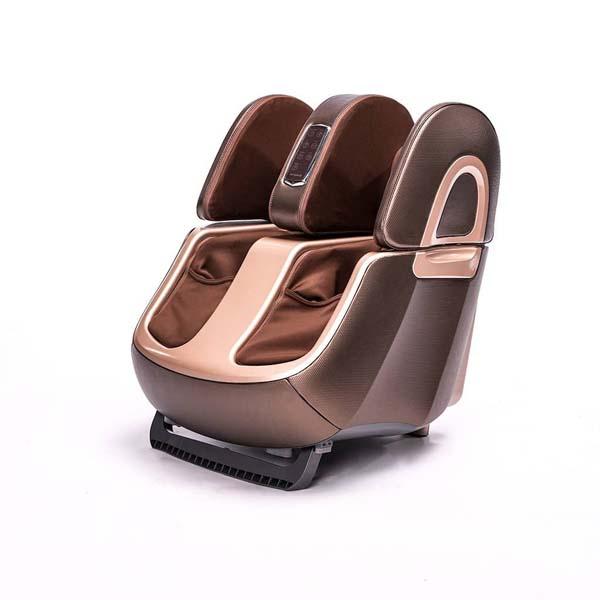
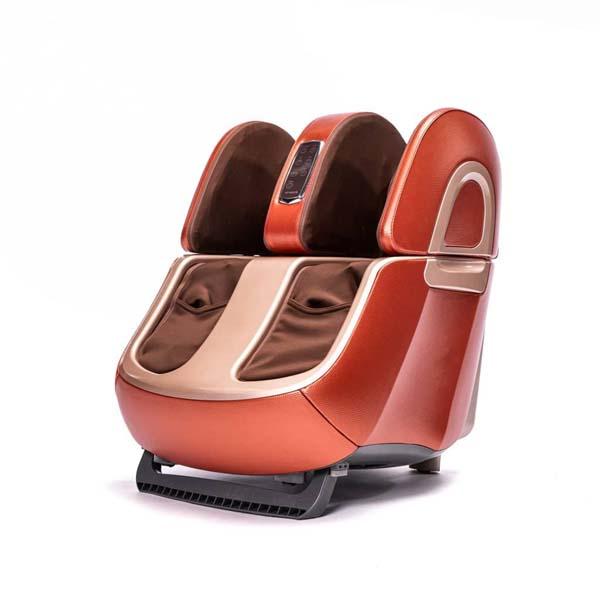
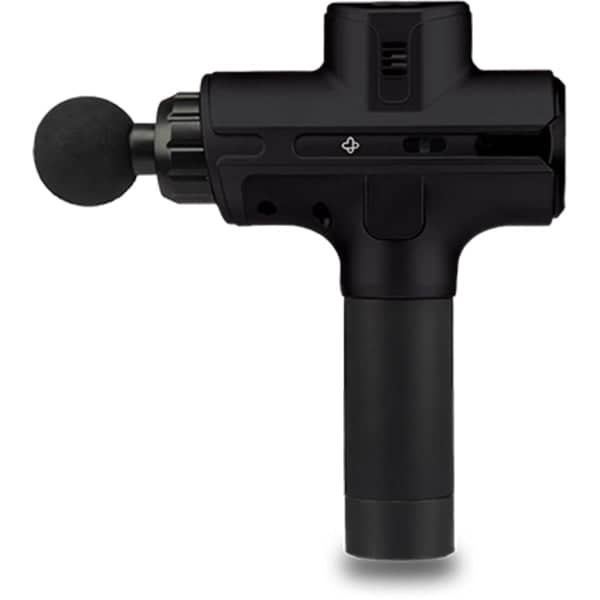
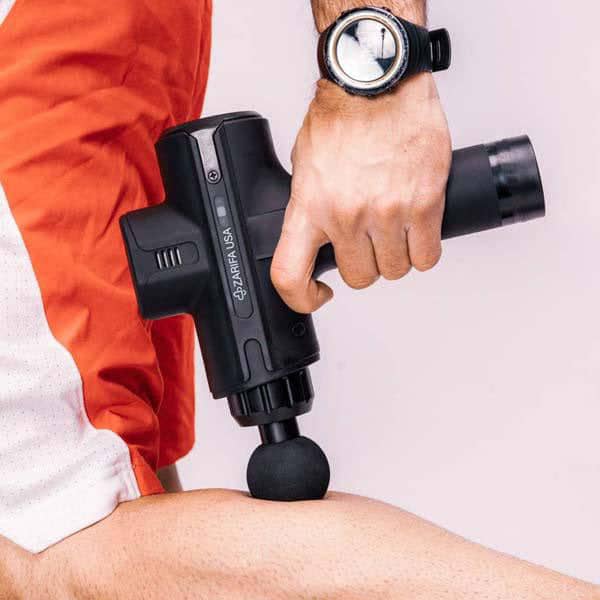
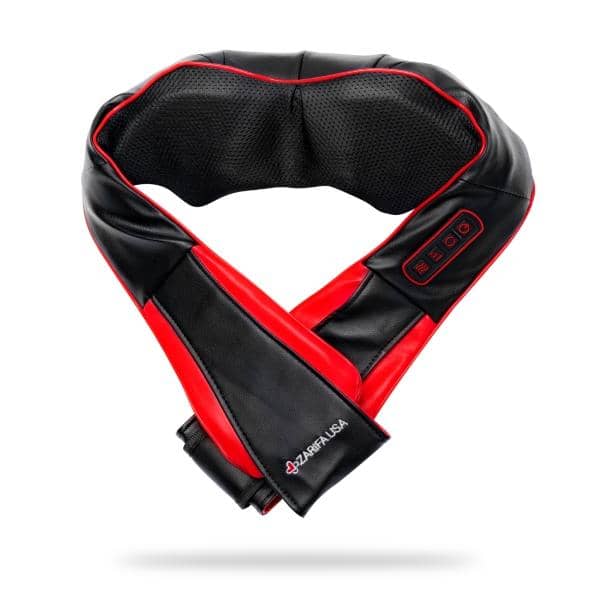
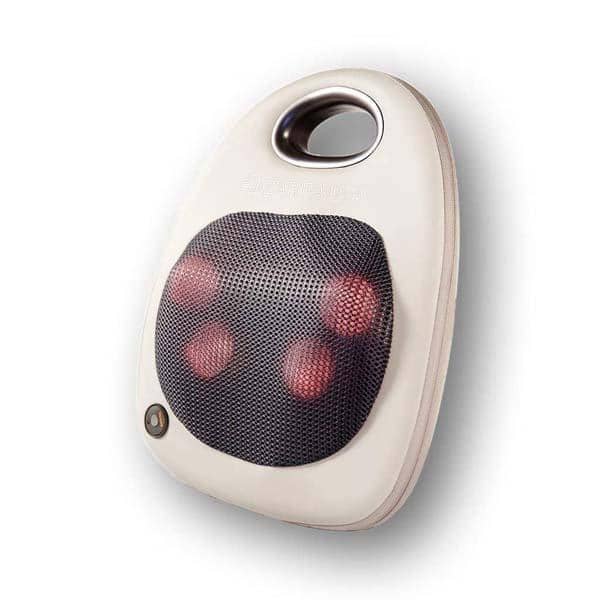
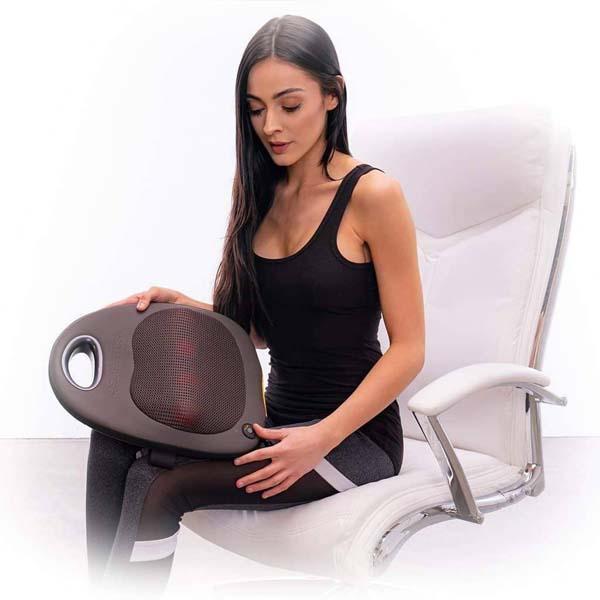
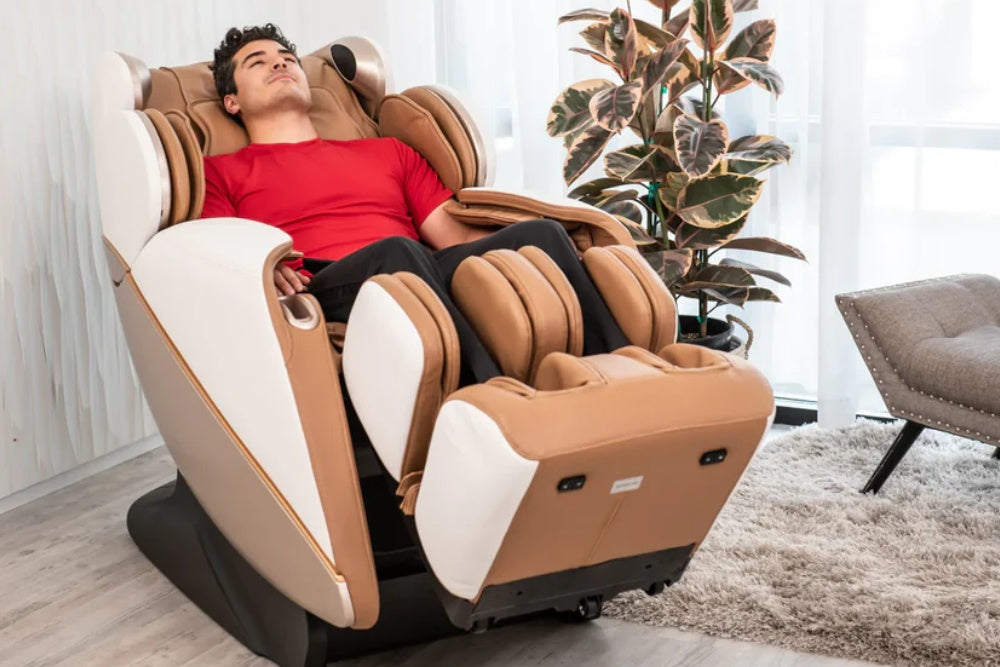
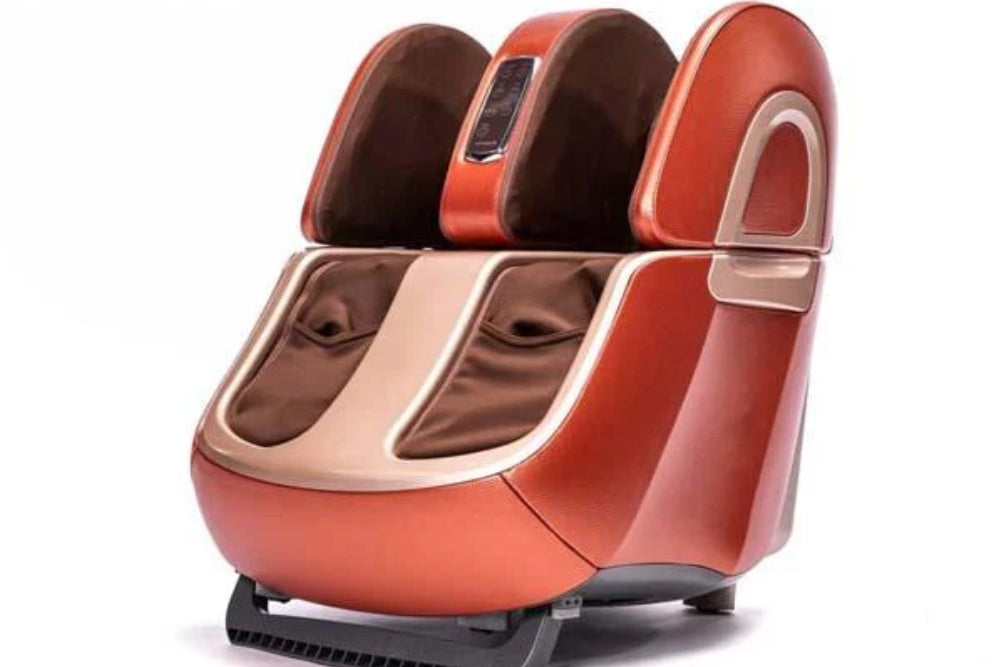
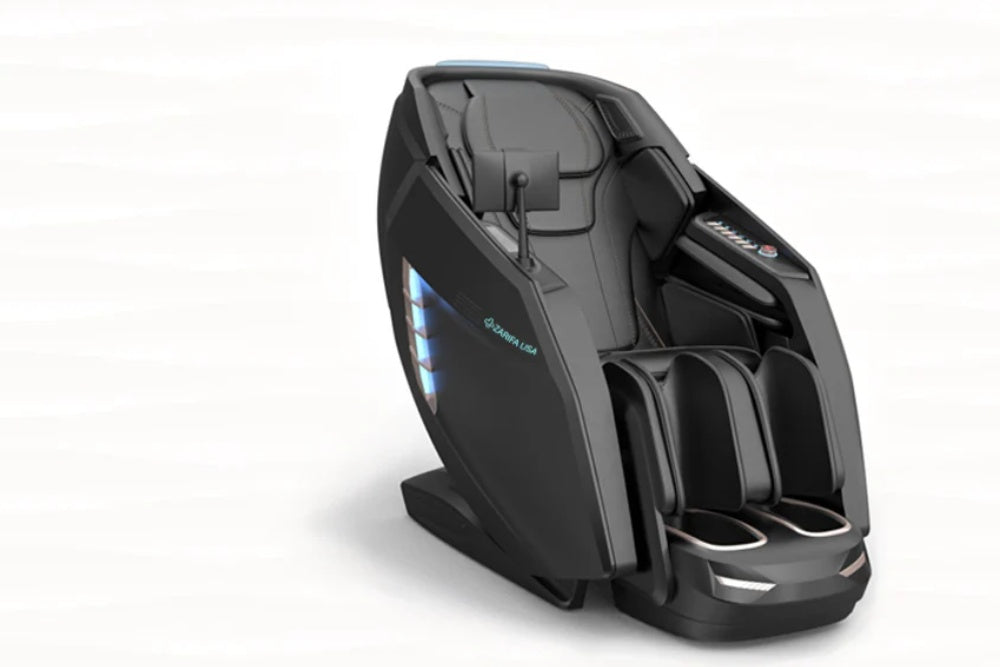
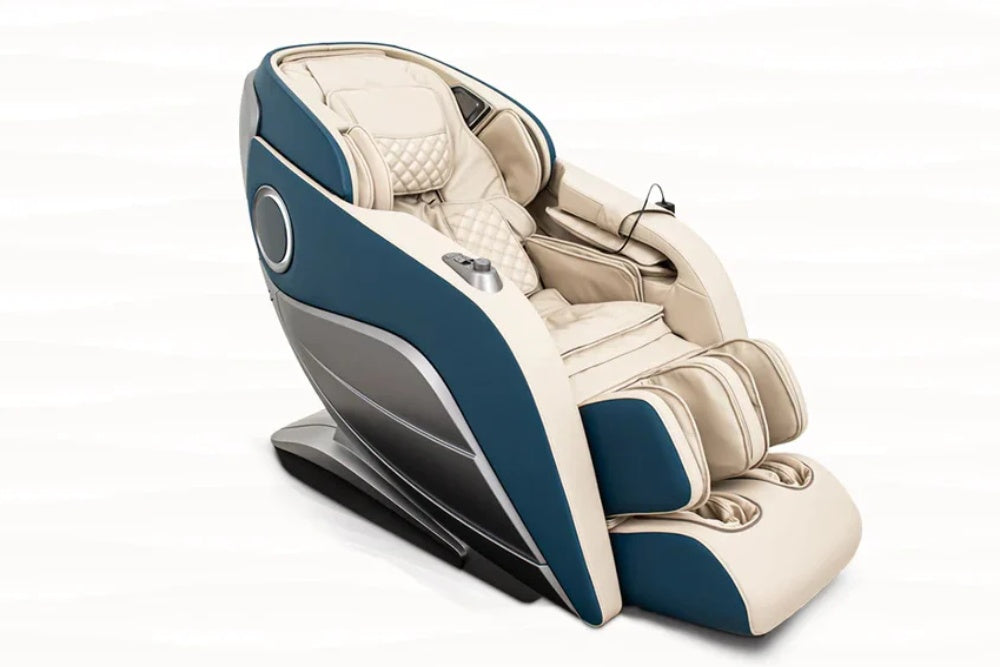
Research demonstrates that back massagers promote circulation, soothe rigid muscles and enhance your posture. It's not surprising, therefore, that you seek one!
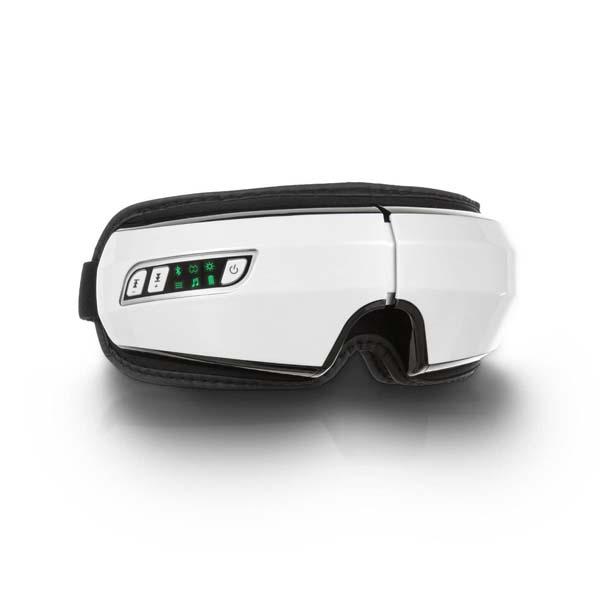
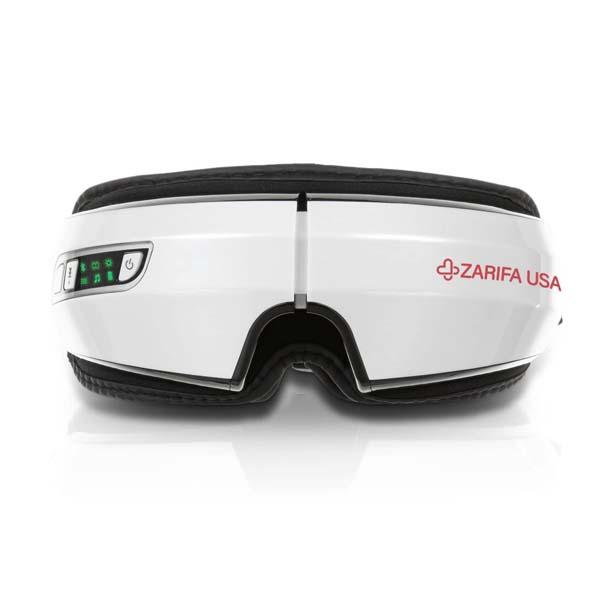
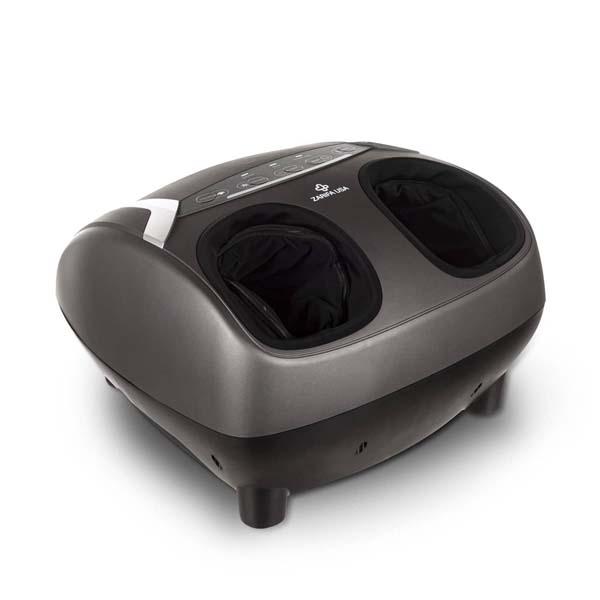
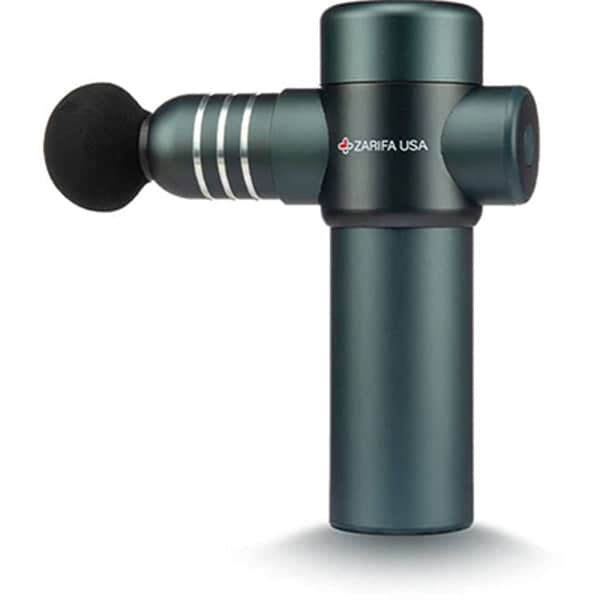
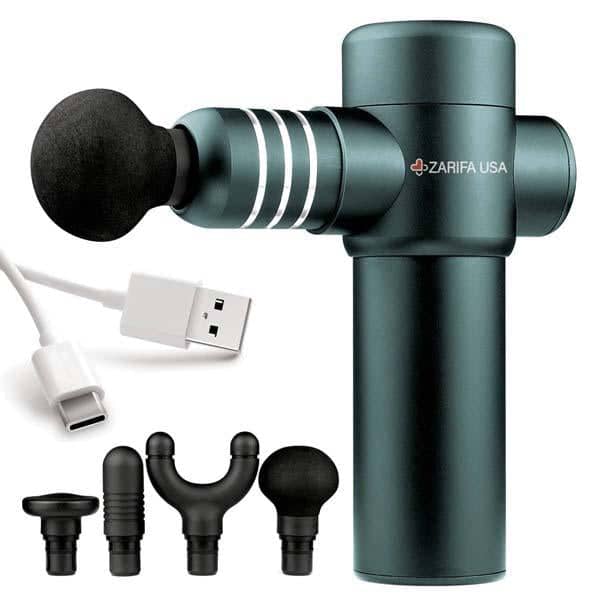
Fortunately, back massagers can help relieve stress and stiffness in your lumbar spine. The most effective massager is one that fits your lifestyle and targets the areas where you experience pain, such as a Zarifa massager. This device can reach difficult areas with minimal effort, and it also allows you to focus on specific spots that need extra attention.
Trigger point injection:
For discomfort generated by "twists," known as trigger points, trigger point injection is recommended. This can help back discomfort by easing surrounding nerves. A physician also treats this issue with injections at trigger points (TPI).
Injecting a local anesthetic or saline, sometimes combined with a corticosteroid, into the trigger point generally takes only a few minutes. This treatment inactivates the trigger point and helps relieve discomfort.
Yoga:
There are several kinds of yoga, an extensive discipline involving the practice of certain positions, exercises and meditation. Yoga may stretch and strengthen your muscles and improve posture, however, if they exacerbate your symptoms, you may need to alter some positions.
With consistent effort, regular stretching can help relieve back discomfort. If you are unsure which exercises are best for you, consult your doctor for guidance in selecting the most effective back pain exercises.
Topical medication:
The feeling can be reduced by a lot of rubbing and chemicals. For example, the pain pathways in the region concerned may be desensitized by creams containing capsaicin. Research shows that topical medications can be just as effective as oral drugs, and many have been proven to work significantly better than a placebo. These treatments are available in various forms, including gels, creams, and patches.
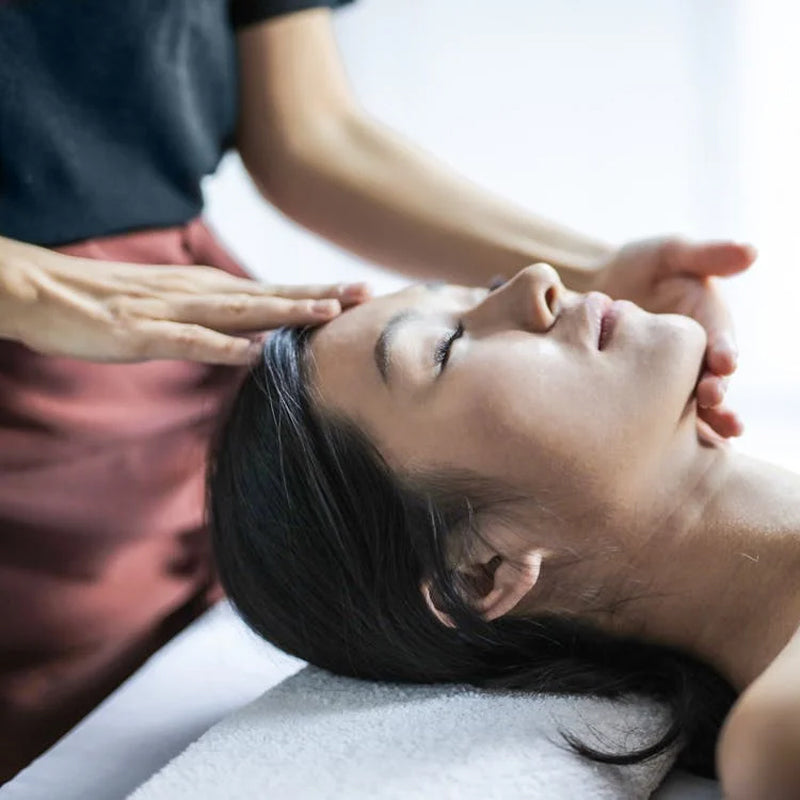
Massaging a tight or strained muscle gently with topical medication is one of the most efficient techniques of relieving it and reducing pain.
Sleeping position:
A few days' sleep on the floor can significantly improve your back, using a pillow beneath your feet, even though it is more challenging. If you're a side-sleeper, you can relax your muscles by laying a cushion between your knees.
Sleeping on your stomach can be harmful to your back. If this is the only position in which you can sleep, many clinics recommend placing a pillow under your lower abdomen and pelvis to help reduce strain on your back.
Epsom Salt Bath:
Epsom salt, or magnesium sulfate, is used in the skin and in aching muscles. Soaking for around 20 minutes might help relieve back pain, particularly after activity.
Make sure the water is warm when taking an Epsom salt bath. Warm water can help reduce muscle swelling, while cold water may cause muscle cramps. The Arthritis Foundation recommends a temperature of 92–100°F (33–38°C). Water above 104°F (40°C), especially for individuals with heart conditions, is not recommended.
Wrapping it up!
Back pain is a frequent condition, and the older you grow, the higher it's. Indeed, at some time in their life, the majority of people deal with back discomfort. Back discomfort can become persistent for a tiny percentage.
Most cases of lower back pain resolve with proper therapy and time. In some situations, support from a doctor may be required through prescribed medications or injections. In rare cases, surgery may be considered.
The real key is that there are steps you can take to prevent back pain, especially if you have experienced it before and want to avoid future episodes.
Lower back pain does not have to control your life. By understanding its causes and taking proactive steps, you can reduce discomfort, prevent future episodes, and move with confidence again. Start prioritizing your back health today.