★★★★★

Delayed Onset Muscle Soreness

DELAYED ONSET MUSCLE SORENESS

Doms in Forearms: Why Are They Sore After Working Out?

Understanding Forearm Soreness

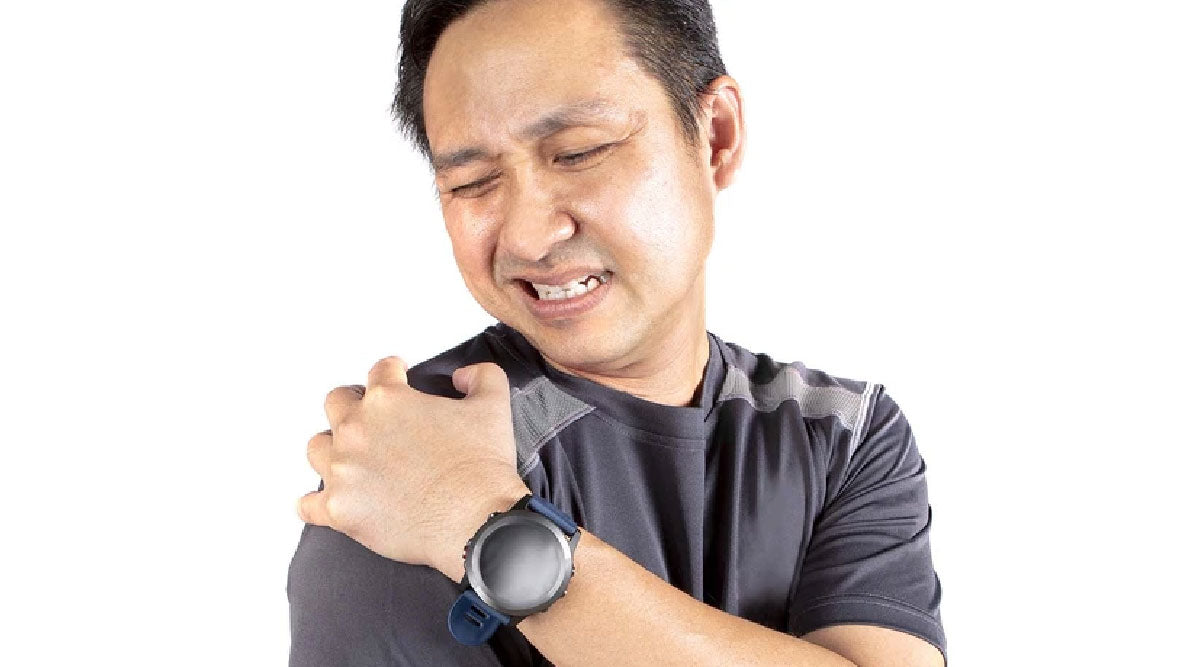
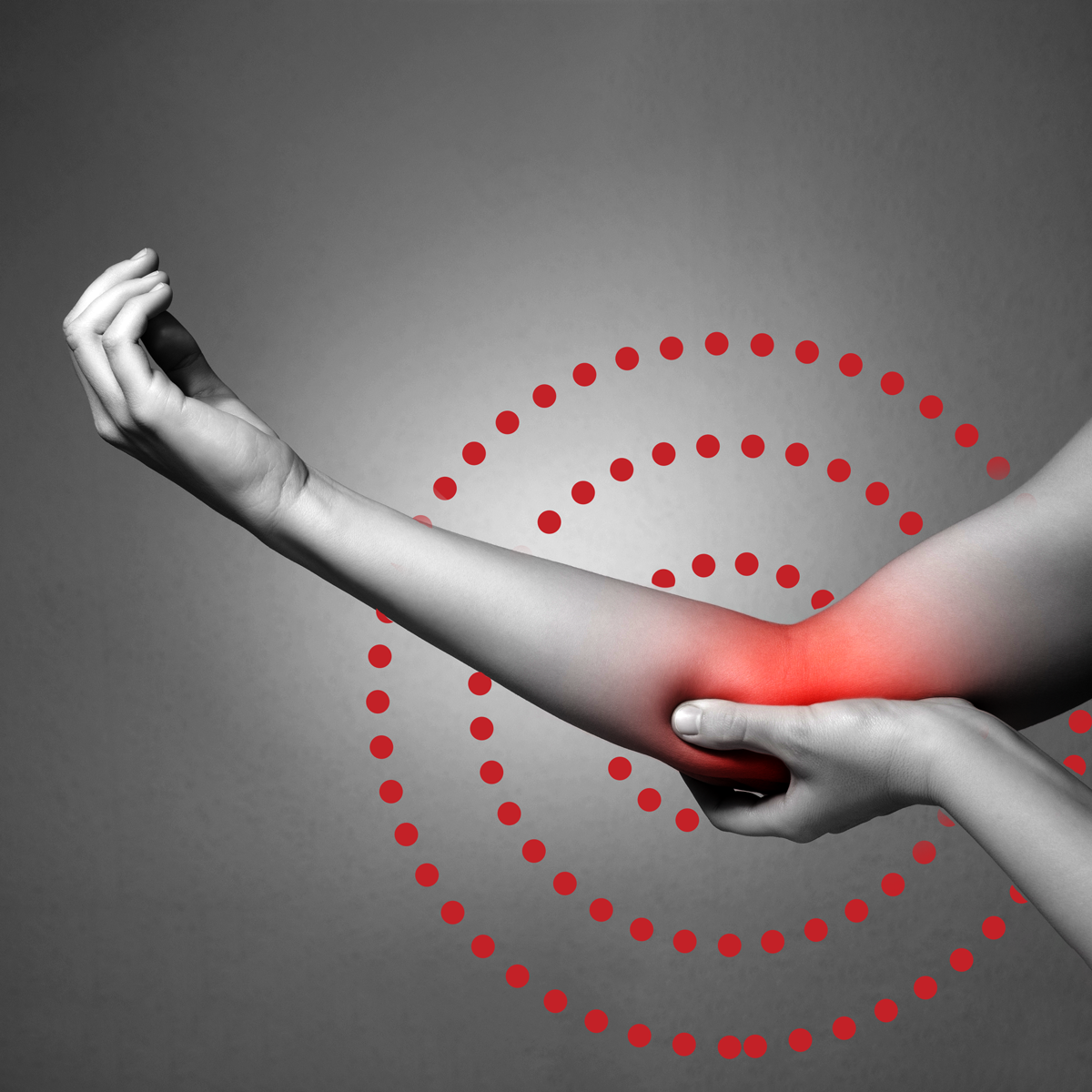
Forearm soreness is a common experience for many individuals, especially those who engage in regular exercise or physical activity. Whether you’re lifting weights, typing for long hours, or gripping tools, your forearms are constantly at work. This soreness can stem from various factors, including muscle strain, overuse, or poor technique. By understanding the underlying causes of forearm soreness, you can take proactive steps to prevent and manage this type of pain, ensuring a more comfortable and effective workout routine.

Pain Relief for DOMS and other Arm Pain.

There are several reasons why you might experience pain in your forearms during or after your workout. If you work out with weights, experiencing a burn as you approach fatigue, and occasionally feeling sharp pain the following day, are a matter of course. Using ice can help numb the pain receptors and reduce soft tissue swelling, providing immediate relief. However, injuries caused by resistance training are relatively common, and you should consult your physician if you have pain that is intense or persists.

Delayed Onset Muscle Soreness and Exercise Induced Muscle Damage

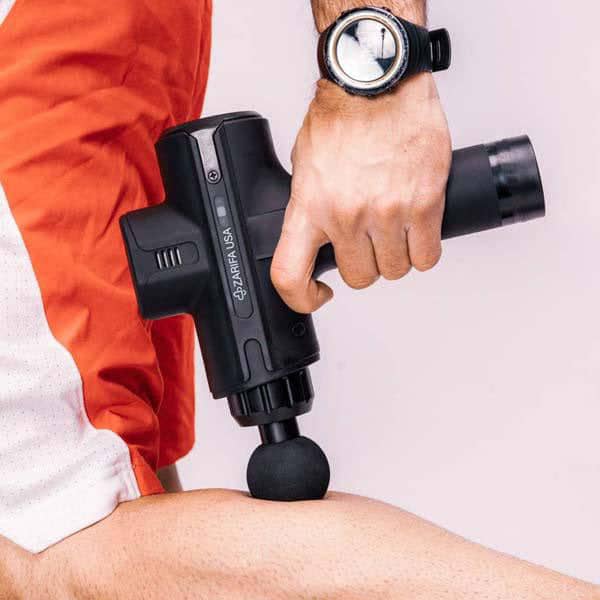
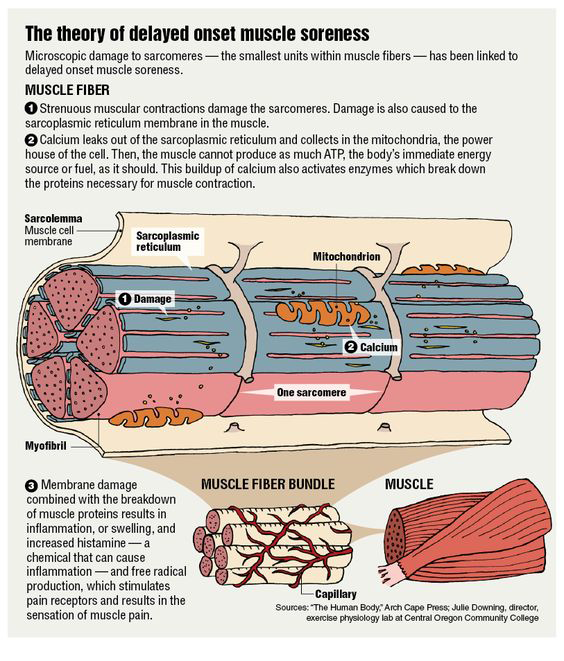
Delayed onset muscle soreness, or DOMS, is the soreness that you begin to feel 12 to 48 hours after an intense workout due to exercise induced muscle damage. Soreness in your forearms, following a strenuous exercise or biceps training, is caused by micro-damage to the muscles and is not usually cause for concern. However, you should avoid training your biceps or forearms again until the DOMS has subsided. Massage and stretching exercises for the forearms can help to alleviate the pain associated with DOMS.
Causes of Forearm Soreness

Forearm soreness can be attributed to several factors, each contributing to the discomfort you might feel after an intense workout or repetitive activity:

  • Muscle Strain: Overuse or repetitive strain on the muscles in the forearm can lead to soreness and pain. This is common in activities that require continuous gripping or lifting weights.
  • Poor Technique: Using improper form when lifting weights or performing exercises can place unnecessary strain on the forearm muscles, leading to soreness. Ensuring correct technique is crucial to avoid this.
  • Overuse: Engaging in repetitive activities, such as typing, gripping, or even certain sports, can cause strain on the forearm muscles, resulting in soreness.
  • Injury: Trauma or injury to the forearm, such as strains, sprains, or tears, can cause significant soreness and pain. It’s important to differentiate between general soreness and injury-related pain to seek appropriate treatment.

Anatomy and Movement

The forearm is a complex region of the body, comprising multiple muscles, bones, and joints. It plays a crucial role in various movements, including flexion, extension, and rotation. Understanding the anatomy and movement of the forearm helps in recognizing how soreness can develop. The forearm muscles work in coordination to perform tasks, and any disruption in this harmony, whether due to overuse or poor technique, can lead to muscle soreness. By appreciating the forearm’s intricate structure, you can better understand the importance of proper care and technique during physical activities.

Muscle Tension and Tightness

Muscle tension and tightness are common culprits behind forearm soreness. When the muscles in the forearm become tense or tight, it can lead to pain and discomfort. This tension can arise from various factors, including overuse, poor technique, or injury. For instance, repetitive activities like typing or lifting weights without proper form can cause the muscles to tighten, leading to soreness. Addressing muscle tension through stretching exercises and proper warm-up routines can help alleviate this discomfort and reduce the risk of injury.

Symptoms and Diagnosis

The symptoms of forearm soreness can vary depending on the underlying cause. Common symptoms include:

  • Pain or tenderness in the forearm
  • Swelling or inflammation
  • Limited range of motion
  • Weakness or fatigue

Diagnosing forearm soreness typically involves a physical examination and a review of your medical history. In some cases, imaging tests, such as X-rays or MRI scans, may be ordered to rule out underlying conditions. Recognizing these symptoms early and seeking appropriate medical advice can help in managing the soreness effectively and preventing further complications.

Injury

Pain in your forearms can also signal an injury in the area. It is important to learn the difference between soreness and a legitimate injury. Common injuries of the forearms include strains, sprains and tears. If the pain you experience in your forearms during biceps curls is sudden or severe, stop training immediately and seek medical advice. Warming up your forearms with some light sets and stretches, before starting your main workout, can help you avoid injury. Consulting a healthcare professional for exercise rehabilitation can help manage and treat forearm injuries effectively.

Treatment

Consult with your doctor before undergoing treatment for Forearm muscle pain. Improving blood flow to the affected area can help reduce pain and promote healing.

If the pain isn’t severe we recommend using our TENS and EMS Units to subside any issues you are having.

Start on a low intensity and work your way up. The Six Pack can also be used as Buttery Fly Pads on the same region.

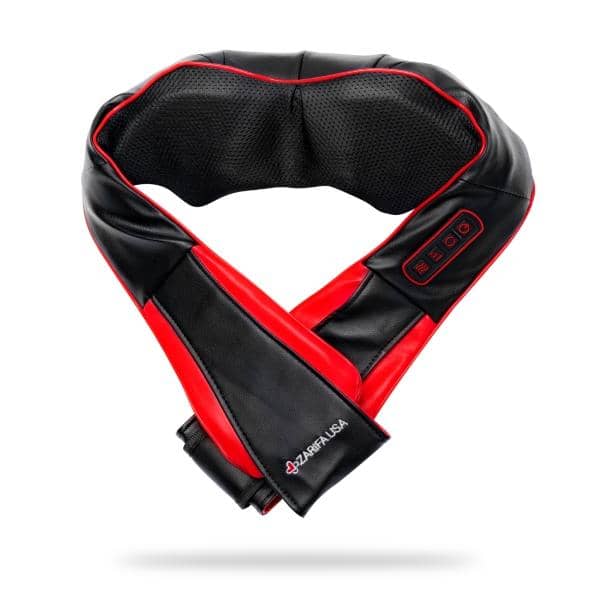
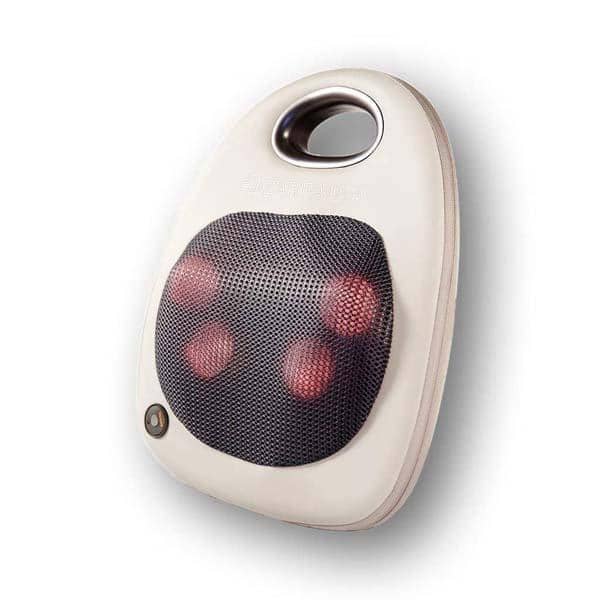
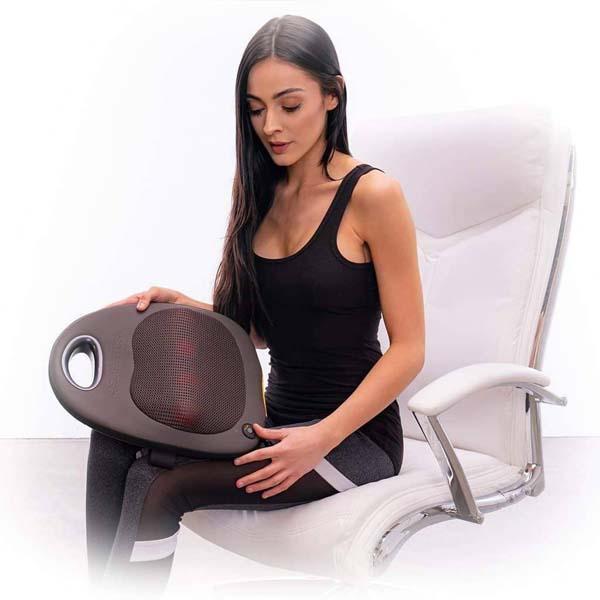
Consider our Shiatsu Pillow and Neck Massager as effective treatment options as well

Zarifa IQ Massager Pro V - Zarifa USA


★★★★★
★★★★★
★★★★★
★★★★★

Massage Therapy Blogs

View all
Top Benefits of Neuro Massage Therapy

Top Benefits of Neuro Massage Therapy

Neuro massage therapy is a specialized technique designed to relieve pain and muscle tension by targeting specific trigger points in the muscles. In this article, we explore how neuro massage works...

Understanding Soreness from Massage: Causes and Relief Tips

Understanding Soreness from Massage: Causes and Relief Tips

Feeling sore after a massage? You’re not alone. Soreness from massage is common and usually indicates that the treatment was effective. This article will help you understand why you feel sore, how ...

What Toxins Are Released After Massage? The Comprehensive Guide

What Toxins Are Released After Massage? The Comprehensive Guide

  Curious about what toxins are released after massage? During a massage, the body releases acids and waste products, such as lactic acid, uric acid, and creatinine from muscles into the bloodstrea...

In-Depth Review of the Z Smart Pro Massage Chair: Benefits of Back Massage

In-Depth Review of the Z Smart Pro Massage Chair: Benefits of Back Massage

Curious about the benefits of back massage? They can ease muscle tension, alleviate chronic pain, and lower stress. This article will explore these health perks and how the Z Smart Pro Massage Chai...

Soft Tissue Massage Techniques, and Key Differences from Deep Tissue Massage

Soft Tissue Massage Techniques, and Key Differences from Deep Tissue Massage

Soft tissue massage targets muscles, tendons, and ligaments to offer relaxation and minor pain relief. This article explains its benefits, techniques, and how it differs from deep tissue massage. K...

Best Tips on How to Prepare for a Massage

Best Tips on How to Prepare for a Massage

Want to make the most of your massage? Knowing how to prepare for a massage can significantly enhance your relaxation and overall experience. This guide will walk you through the key steps, from st...

Pain Management Blogs

View all
What Causes Neck and Shoulder Pain During Pregnancy?

What Causes Neck and Shoulder Pain During Pregnancy?

A woman's body changes a lot throughout pregnancy, resulting in problems like pain, vomiting, and more. Shoulder and neck pain are typical responses of the body during pregnancy. An estimated...

Restless Leg SyndromeRestless Leg Syndrome (RLS) : Causes , Symptoms, Treatment

Restless Leg Syndrome (RLS): How To Ease Pain

What Is Restless Leg Syndrome? Willis-Ekbom disease (restless legs syndrome (RLS)) or more commonly known as restless leg syndrome is a disruptor of sleep and rest. It is a neurological disorder...

Utah Business Names Zarifa USA a 2020 Emerging Business

Utah Business Names Zarifa USA a 2020 Emerging Business

Zarfia USA is proud to be named an Emerging Business in the Utah Business list of fastest growing companies. Each year, Utah Business recognizes the emerging and fastest growing companies in the st...

Tens Unit Placement For Sciatica

Tens Unit Placement For Sciatica

If you suffer from the pain of sciatica, you may be wondering if a TENS unit can be used for sciatica pain relief. The answer is yes. TENS units can relieve sciatica pain—even the radiating, shoot...

Deep Knots in Shoulder Blade

Deep Knots in Shoulder Blade

They can come out of nowhere: one moment you’re fine, and the next a spot of painful muscle tension is aching in your shoulder blades. What Are Muscle Knots Most commonly referred to as muscle kno...

How to Use a Muscle Gun for Knots

How to Use a Muscle Gun for Knots

We have all experienced muscle tightness and soreness at some point. Excruciating or uncomfortable pain in your muscles usually means you have a knot. You might be familiar with the word knot,...

Product Blogs

View all
Massage Chair Features: 10 Things To Look For Before Buying

Massage Chair Features: 10 Things To Look For Before Buying

Investing in a massage chair requires careful attention to the massage chair features that matter most for comfort and long-term benefit. Choosing a model without understanding its capabilities can...

How To Choose The Best Foot Massager Machine For Your Needs

How To Choose The Best Foot Massager Machine For Your Needs

Selecting the best foot massager machine requires careful consideration of personal comfort, foot conditions, and daily routines. A high-quality foot massager can reduce muscle tension, ease sorene...

How To Buy HSA Or FSA Eligible Massage Chairs

How To Buy HSA Or FSA Eligible Massage Chairs

Investing in a massage chair through health spending accounts involves more than selecting a product that provides comfort. A massage chair FSA-eligible purchase requires clear medical justificatio...

Can You Buy A Foot Massager With Your HSA/FSA Card?

Can You Buy A Foot Massager With Your HSA/FSA Card?

Using health spending accounts to purchase medical equipment requires careful consideration of eligibility rules. An FSA foot massager is not automatically covered because most accounts restrict sp...

Are Back Massagers HSA/FSA Eligible?

Are Back Massagers HSA/FSA Eligible?

Back pain affects millions of Americans each year, and finding relief without relying on medications is a growing priority. An FSA back massager can be a valuable tool for managing chronic discomfo...

Why the Zarifa Z-Smart Foot Massager is the best Foot Massager on the Market | Zarifa USA

Why the Zarifa Z-Smart Foot Massager is the best Foot Massager on the Market

Our feet take a lot from us. They hold the weight of our entire body all day long, and they take the brunt of the pounding when we run, walk, and workout on them. Even just standing for long period...