In this article
The long and tortuous course of the sciatic nerve makes it prone to getting impinged and pressed. As a result, 1 to 5% of people worldwide experience sciatic nerve issues each year. The severe pain caused by sciatic nerve impingement can significantly disrupt daily life and is a major reason for missed workdays.
The worst part of sciatic nerve inflammation i.e. sciatica is that it takes a long time to subside. People who are prone to sciatica often find themselves confined to bed due to the sudden, sharp, electric-like pain.
Symptoms of Sciatica
The manifestation of sciatic nerve impingement varies between individuals. In most cases, represents itself as sharp, shock-like pain that travels from behind the buttocks down to the thigh or even up to the foot. Some people also experience altered sensations such as numbness, tingling, burning, or a pins-and-needles feeling along the nerve’s path.
Causes of Sciatica
Sciatica is the outcome of a lumbar disc herniation in most cases. When a spinal disc slips out of place, it can put pressure on the nearby sciatic nerve, leading to pain and abnormal sensations such as numbness or tingling. This condition can result from a variety of factors, including:
- Injury/trauma
- Working in incorrect postures
- Sports injuries
There are certain risk factors that put a step closer to developing sciatica. Obesity is a significant risk factor for sharp radiating sciatic nerve pain. Other contributing factors include unhealthy lifestyle habits such as smoking, physical strain on the spine, and psychological stress, including depression.
Treatment of Sciatica
Every person suffering from the gnawing pain of sciatica wants to get instant relief. Alas! This is easier said than done. There are numerous treatment modalities for sciatica, however, massage therapy for sciatica is the closest to instant relief provision. One common cause of sciatica is piriformis syndrome, a condition in which the sciatic nerve becomes compressed by the piriformis muscle in the buttocks. This can result in both lower back pain and radiating sciatic pain.
Massage Therapy
A lot of people around the world visit a physical therapist to alleviate leg pain. Massage therapy is a proven effective modality in managing sciatic nerve pain. To further enhance results, modern therapists often combine massage sessions with Transcutaneous Electrical Nerve Stimulation (TENS).
The use of traditional massage for easing sciatica is advocated by a study published in the World Journal Of Pharmaceutical Sciences. Physiotherapy has been shown to effectively reduce pain and improve quality of life. Even better results can be achieved when physiotherapy is combined with electrotherapy or targeted exercise.
According to a study carried out in 2020, deep friction massage can lead to a significant reduction in low back pain caused by piriformis syndrome. Participants who received a combination of Muscle Energy Technique (MET) and deep friction massage experienced even greater improvements in both range of motion and pain sensitivity.
You should consider getting a massage session because it has been proven by studies that massage therapy leads to an increased range of motion, a noticeable decrease in pain, and quicker healing.
Massage Guns for Sciatica
Going to the massage therapist can be hectic and full of danger considering the life-threatening coronavirus conditions.
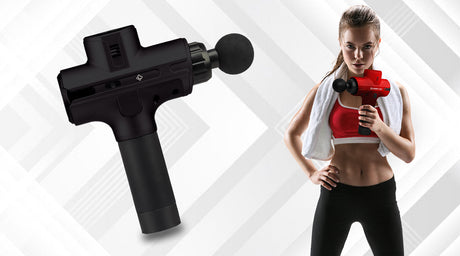
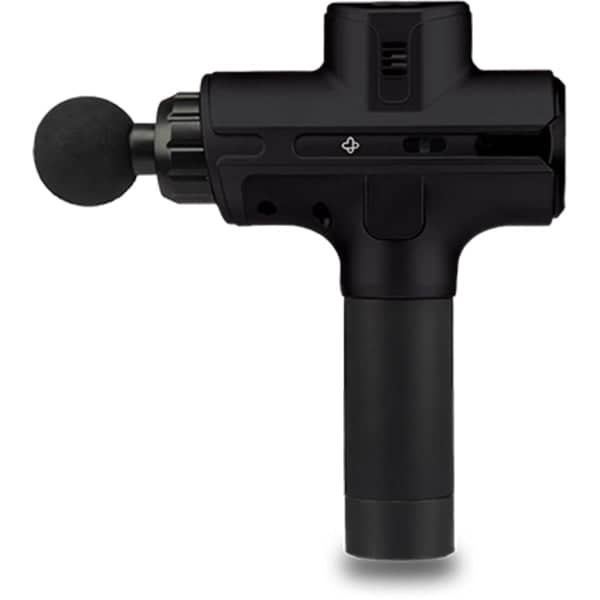
Don't worry there is a reliable alternative to an in-house massage session, welcome the massage gun. This electric device can help relieve pain and reduce inflammation in your legs and buttocks faster than you might expect. Best of all, you don’t have to wait for a massage therapist’s appointment to get relief.
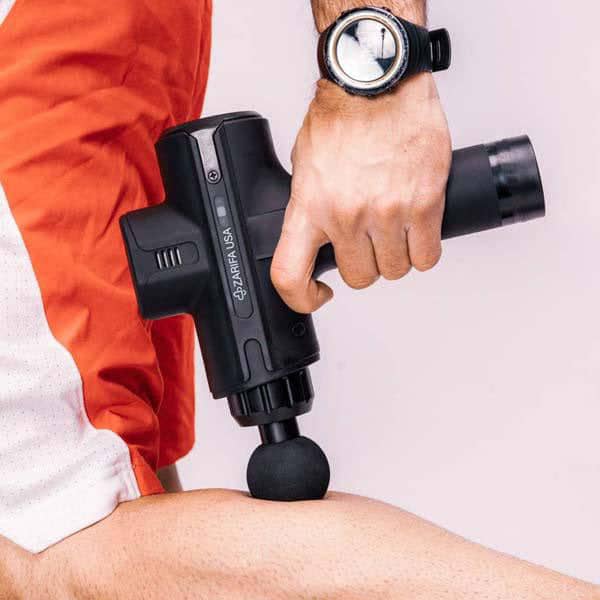
Modern massage guns are designed to mimic the hands of a professional masseuse and offer numerous benefits for people suffering from sciatica. As the massager gun eases the painful site physically, the requirement of pain-killer drugs is reduced, saving you from the risk of gastric ulcers, excessive loading of kidneys, and skin allergies.
Research has shown that massage guns for sciatica can effectively improve lower limb mobility while cutting down levels of pain.
How to Use Massage Gun for Sciatica
Using a massage gun for sciatica may seem simple, but achieving effective and fast relief requires proper technique.
Follow these steps to ensure proper relaxation and pain relief:
- Lie down on a flat surface with your arms relaxed by your sides.
- Ask a friend/family to handle the massage gun.
- The massage gun handler should use light vibrations via the rounded head of the massage gun.
- Start with slow and liner strokes.
- Stop the massage if it becomes uncomfortable or causes pain; comfort is key.
- Avoid direct stimulation on the painful vertebra.
- Apply only moderate pressure, keeping the massage gun positioned sideways relative to the body rather than perpendicular.
- After a few minutes, switch to the bullet head to target specific painful or inflamed spots. Apply gentle stimulation for at least 15 seconds per area.
You can also use the U-shaped head and slide from the base of the spine to the cervical spine.
Rest and Medications
Taking a break from work has helped many people find relief. Resting is often the first step in reducing severe pain. Alternating heat and cold therapy on the affected area can also provide additional relief for some individuals.
Add some nerve pain-killing medicines such as gabapentin and pregabalin. However, the safest intervention is therapy through a massage gun as evident from studies.
Best Massage Guns
Getting an ideal massage gun for sciatica is difficult but not anymore. Zarifa USA offers top-quality massage guns designed to address a variety of nerve and muscle issues. If you’re tired of the persistent pain caused by sciatica, click here to get the ultimate tool for fast and effective relief: a massage gun specifically for sciatica.
Prevention of Sciatica
Preventing sciatica requires a combination of healthy habits and ergonomic practices. Regular exercise that strengthens the back and core muscles can greatly reduce the risk of developing sciatic pain. Yoga and Pilates are particularly beneficial as they improve flexibility and strengthen the muscles around the spine. Maintaining proper posture, especially while sitting for long periods, is crucial. Ergonomic chairs that support the natural curve of the spine can help prevent the onset of sciatic symptoms. Additionally, maintaining a healthy weight can reduce the pressure on the spine and the sciatic nerve.
Advanced Treatment Options
Although traditional approaches such as physical therapy and medication are effective, certain cases may benefit from more advanced treatment options:
- Epidural Steroid Injections: These are used to reduce inflammation around the sciatic nerve.
- Microdiscectomy: This is a minimally invasive surgery that involves removing the part of the intervertebral disc that is pressing on the sciatic nerve.
- Laser Therapy: A modern treatment method that utilizes light therapy to reduce inflammation and relieve pain.
Exploring these advanced treatments can provide additional pathways to relief for those suffering from severe sciatica.
Lifestyle Adjustments for Managing Sciatica
Lifestyle changes can play a significant role in managing sciatica pain:
- Diet: Include anti-inflammatory foods in your diet, such as turmeric, ginger, leafy green vegetables, and omega-3-rich foods, to help reduce inflammation and support overall joint and nerve health.
- Hydration: Staying hydrated helps maintain the fluidity of the spine and may reduce the risk of disc herniation.
- Stress Management: Stress can worsen sciatica symptoms. Practicing meditation, deep breathing exercises, or seeking counseling can help effectively manage stress and reduce its impact on pain.
Technological Innovations in Sciatica Management
The integration of technology in treating sciatica has seen promising advancements:
- Wearable Devices: Posture-monitoring devices that alert users when they begin to slump can help prevent the development of sciatic pain.
- Virtual Reality Therapy: This approach is emerging as a valuable tool for pain management, providing patients with guided environments that teach relaxation techniques and stretching exercises to help relieve sciatica.
Community and Support
Joining support groups, either online or in-person, can provide emotional and practical support for managing sciatica. Connecting with others who share similar experiences and exchanging tips can be highly beneficial in coping with pain and improving daily life.
Conclusion
Sciatica is the inflammation of the sciatic nerve, often caused by poor posture, obesity, injury, trauma, or a slipped disc. Another related condition, piriformis syndrome, occurs when the nerve becomes trapped in the piriformis muscle. Taking rest, applying cold to the painful site can be helpful but the best solution is to get massage therapy. Thanks to the advancements in technology, now you don't need to visit a masseuse as all the benefits of a therapist's hands can be achieved via a massage gun for sciatica.
Stop letting sciatica control your life. Experience fast, drug-free relief with a massage gun for sciatica and regain comfort today.