Regular exercise offers numerous benefits for the human body. It strengthens muscles, supports heart health, and boosts brain function. Research also shows that consistent physical activity can help prevent many long-term illnesses.
From diabetes and obesity to osteoporosis and high blood pressure, exercise significantly reduces the risk of common health problems. Your body experiences wear and tear as you grow older. These degenerative changes also affect your bones and joints.
Contrary to popular belief, exercise is highly beneficial for managing the symptoms of joint health disorders. Most people with arthritis think that engaging in physical activity causes joints to ache. In reality, research shows that moderate exercise is safe for joints and can benefit people of all ages and body types, including older adults and those who are overweight.
In this article, we will discuss how your joints can benefit from resistance training and low-impact aerobics. We will also review studies that back up these benefits. First, however, let’s understand why regular exercise is essential for maintaining healthy, well-functioning joints.
Why Do Joints Need Physical Activity?
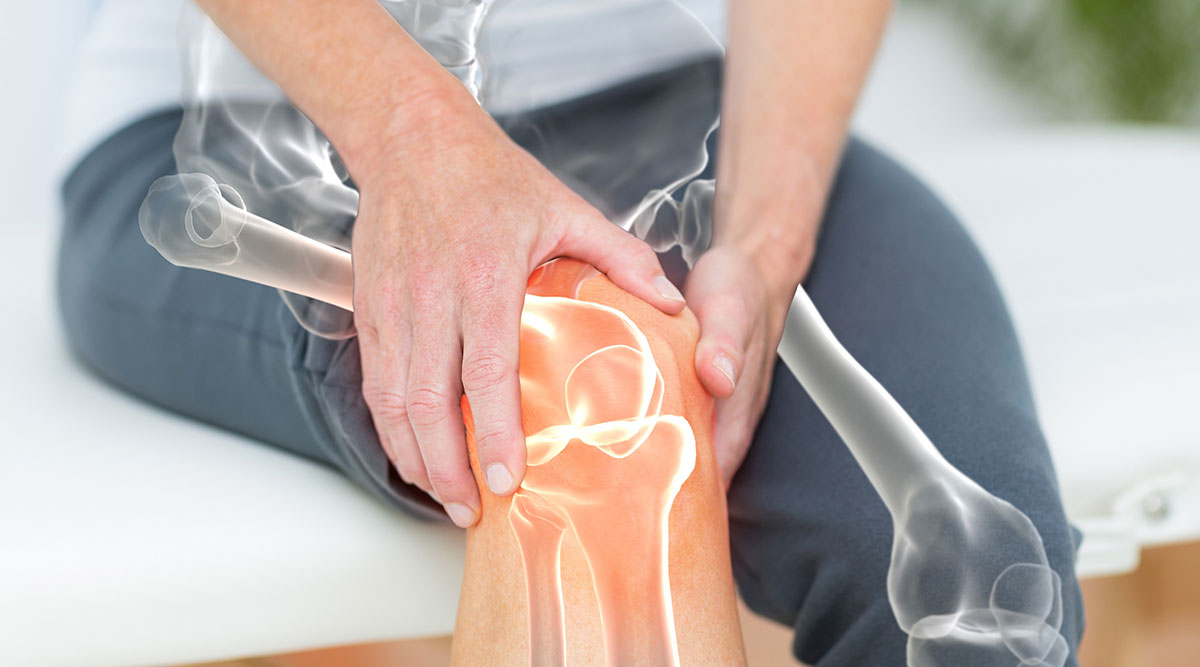
Like all other systems of your body, joints can benefit from exercise. Joints serve as the physical connection between your bones. They facilitate movement and link bones to muscles through tendons and ligaments.
Think of your joints as mechanical cogs. If they undergo any sort of movement over time, they are more likely to stop functioning. Exercise keeps joints well-lubricated, helps reduce inflammation and discomfort, and promotes a healthy balance between strength and flexibility.
Simply wearing comfortable shoes and sticking to a consistent exercise routine can make a big difference. Here are several science-backed benefits of exercise for maintaining healthy joints.
Benefits of Exercise for Joint Health
Increases Blood Flow In Joints:
Exercise makes your heart work harder, increasing blood circulation throughout your body. As your muscles contract and relax, they require more nutrients, which boosts blood flow to both your muscles and your joints. This helps keep your joints nourished and healthy.
According to a systematic review of several studies, there is a direct relationship between the intensity of exercise and the rate of blood flow through contracting muscles. Higher blood flow ensures that your muscles and joints receive a sufficient supply of essential nutrients, supporting their health and function.
Enhances The Circulation of Synovial Fluid:
Your joints are covered by a soft layer of connective tissue, also called the synovial membrane. This membrane produces the synovial fluid that fills the joint cavity. That is why it plays a vital role in the lubrication of the joint.
What’s more, the absence or deficiency of synovial fluid restricts your range of motion and causes pain in your joints. Research in preventive medicine indicates that regular exercise helps maintain proper circulation of synovial fluid, enabling your bones to move smoothly and comfortably within your joints.
Improves Joint Flexibility:
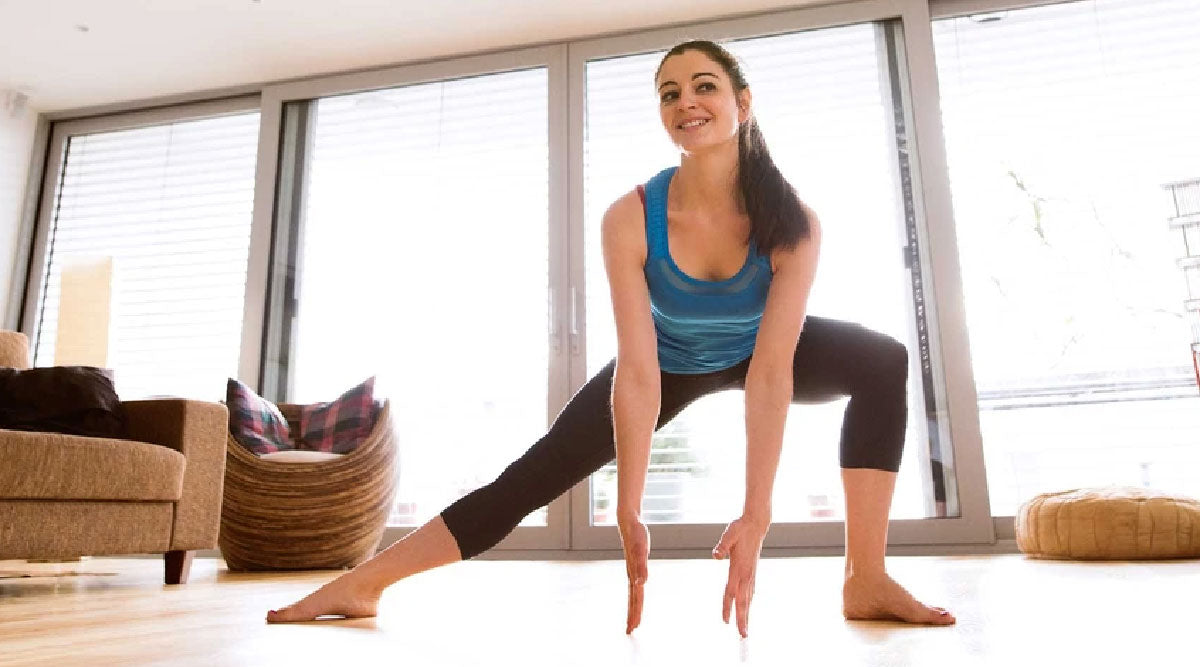
A sedentary lifestyle with minimal physical activity can cause joint stiffness, making everyday movements and simple chores uncomfortable or even painful. Incorporating light stretching exercises can help alleviate stiffness and improve joint mobility.
Engaging in low-impact physical activity on a regular basis can significantly improve your joint flexibility. Try to stick to a mild exercise such as yoga to maintain the normal functioning of your joints.
Nourishes Your Joints:
Another reason why exercise is great for your joints is that it maintains a steady supply of nutrients and oxygen. When you move, your joints are subjected to gentle pressure, which compresses the joint cavity and pushes water molecules through the cartilage. This process helps nourish and maintain the cartilage over time.
When you rest, the force acting on your joints disappears. Water molecules return and bring oxygen and vital nutrients that your joints need to carry out movements.
Rebuilds Damaged Cartilage:
While the role of genes in joint repair is still being studied, recent findings indicate that movement can activate genes that help strengthen and regenerate damaged cartilage. Beyond this, consistent exercise also reinforces the ligaments and tendons that support your joints, improving overall stability and function.
Adding a light exercise to your everyday routine will allow you to enjoy the full range of mobility. But keep in mind that engaging in high-intensity workouts can lead to the opposite effect.
Removes Cellular Waste:
Exercise also stimulates a natural process called autophagy, in which your body breaks down damaged cells in the joints. The waste products are then removed, helping maintain joint health and overall cellular renewal.
Moreover, exercise enhances various metabolic processes in your body. It protects your joints from any harmful toxins and maintains their integrity.
Strengthens Muscle Tissue:
Finally, exercise helps strengthen the muscles and connective tissues that surround your joints. These tissues act like natural braces, stabilizing your joints during movement. As a result, stronger supporting tissues lower the risk of joint injuries, such as fractures and dislocations.
How Can Massage Chairs Help?
Massage chairs can do wonders for your joint health. Recent advancements in technology have taken treatment procedures and facilities to a whole new level. You can now buy a massage chair that targets specific joints and muscle groups.
Isn’t it amazing? Massage chairs offer a convenient way for busy individuals to support joint health and circulation. By simply sitting in the chair, you can stimulate blood flow and gently mobilize every joint, helping your body stay healthy and relaxed.
In addition to exercise, a healthy diet is essential for maintaining joint health. Incorporate citrus fruits and leafy green vegetables into your meals, and consider nutrient supplements to help build stronger, more flexible joints.
The Bottom Line
If you are a healthy person planning to strengthen your joints, start making small changes to your lifestyle. Go for a walk in the morning or join a local gym.
If you are living with arthritis, it is important to work with a physiotherapist to develop a personalized exercise plan. Your physiotherapist will evaluate your condition and design low-impact stretching exercises that are safe and effective for your joints.
In summary, maintaining joint health from an early age is essential. Neglecting joint care can increase the risk of developing painful joint disorders later in life.
Take charge of your joint health today! Combine regular exercise with proper nutrition and consider drug-free solutions like Zarifa USA’s medical massage chairs for stronger, pain-free joints.