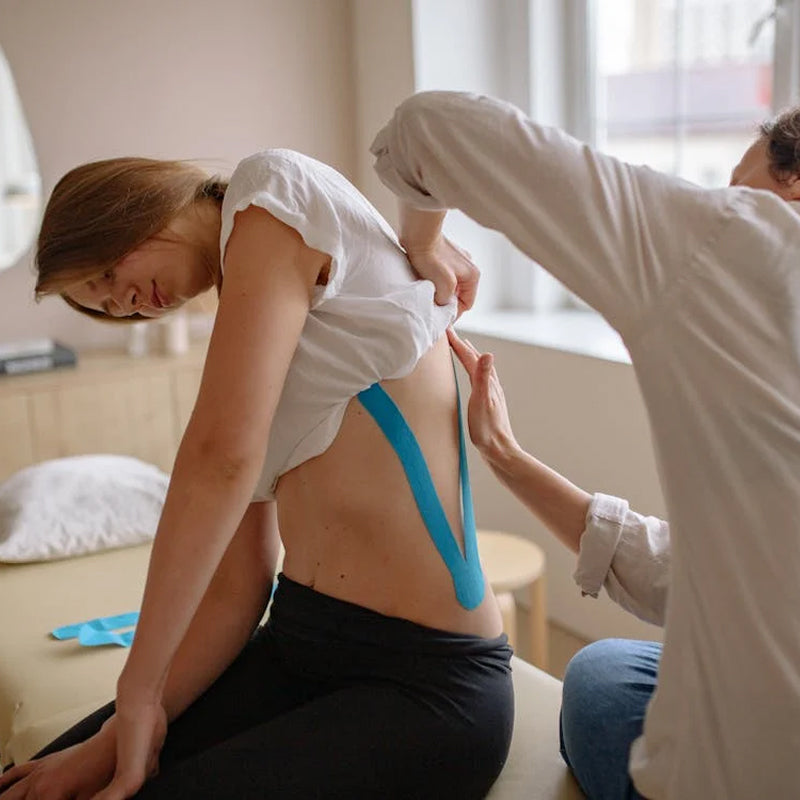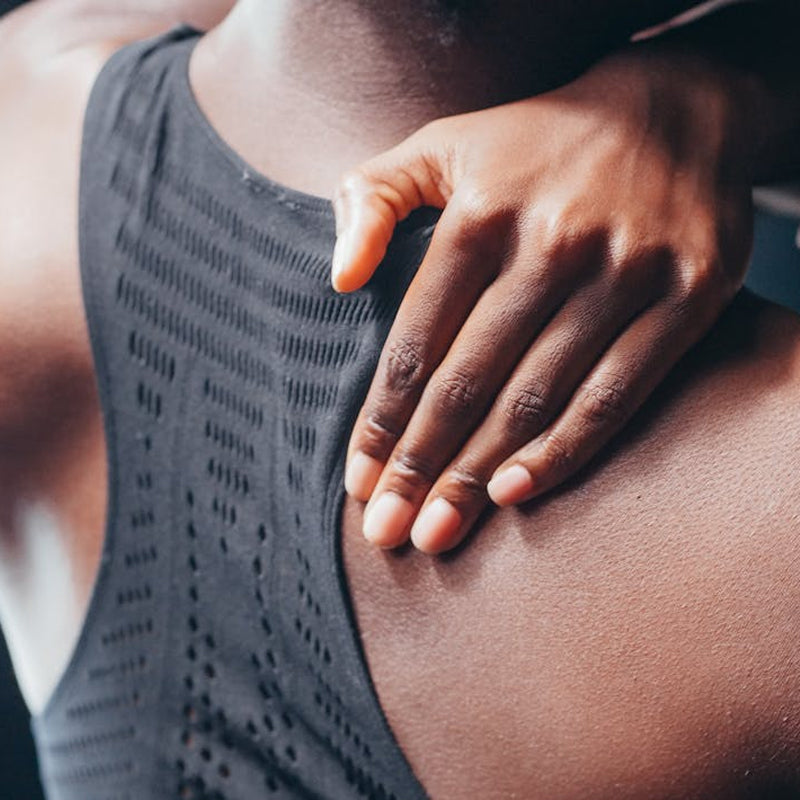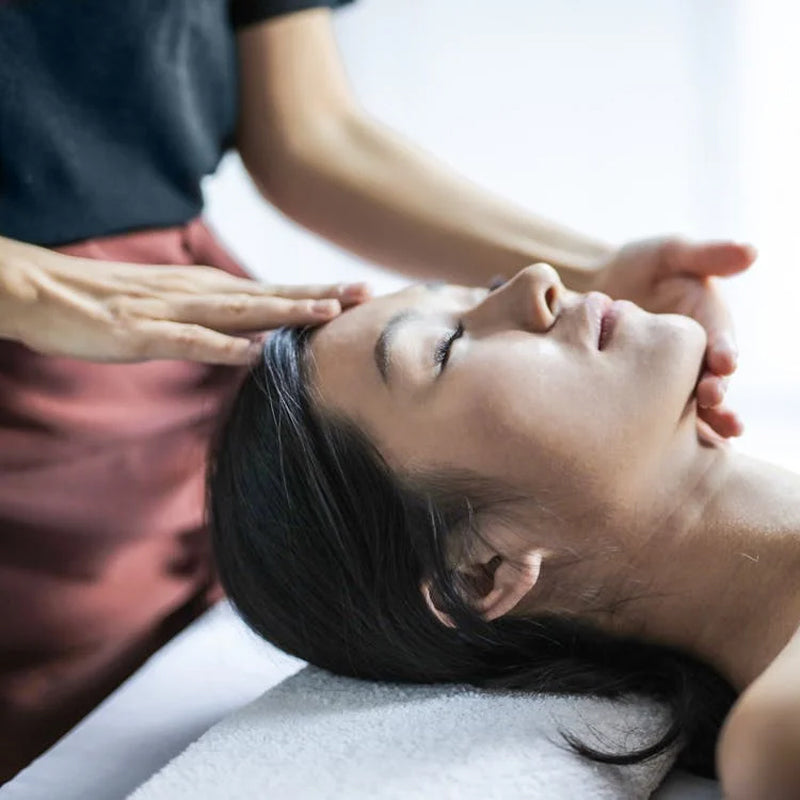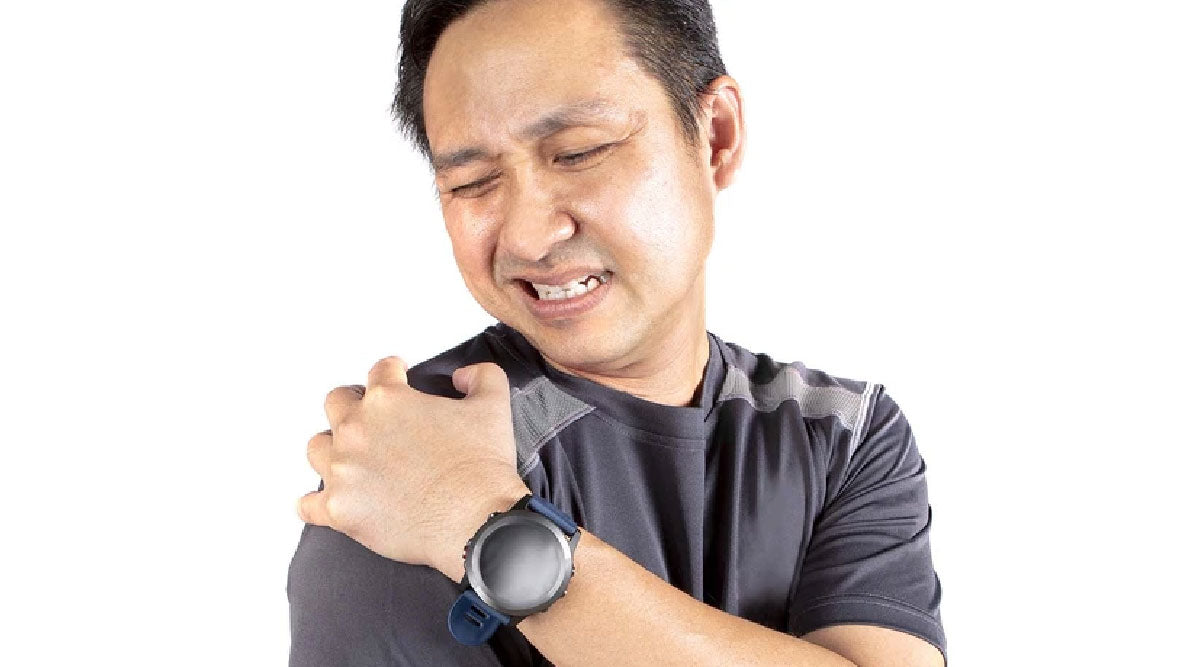
Shoulder discomfort is reported to affect between 16 and 26 percent of individuals; it is the 3rd most prevalent reason for orthopedic assessment in primary care, and around 1% of people see a general practitioner with new shoulder discomfort each year.
The range of motion of the shoulder is extensive and adaptable. When anything bad happens with your shoulder, it restricts your mobility and may cause a lot of pain and suffering. Shoulder knots may be produced by a variety of factors, including:
- An inactive way of life
- Using or damaging your muscles excessively
- Bad posture
- Aging
Having a healthy way of providing relief to your shoulders is important. Both using your hands and massage guns can prove to be quite beneficial when it comes to getting rid of muscle knots and pain. Well, here is everything you need to know about massaging your own shoulders!
Does Massage Actually Help Shoulder Pain?
Massage treatment may successfully expand your range of movement, relieve discomfort, and avoid additional damage to the shoulder, regardless of the source of your shoulder discomfort. It's because, for anybody suffering from shoulder discomfort, a shoulder massage provides the following benefits:
- Boosts blood flow
Massage treatment helps boost the amount of oxygen and other nutrients that reach your muscles by increasing the volume of new blood flow. This helps to expand the range of motion in the shoulder joint by naturally lowering blood pressure and improving circulation. The shoulder muscles may then relax, allowing tension to dissolve and relieve shoulder discomfort.
- Extends the range of motion
Massage treatment may relieve tension in the muscles around the shoulder, enabling the joint to move more freely. Muscle fibers are stretched, and trigger points are liberated in the greater depths of tissues around the shoulder, enhancing shoulder joint function and alleviating discomfort.
- Strengthens and stabilizes your muscles
Shoulder discomfort may also be caused by shoulder stiffness or muscular imbalance, as previously stated. Massage treatment may assist in enhancing posture and shoulder placement by strengthening and stabilizing muscles. Physiotherapy massage and trigger point stimulation treatments are very helpful for shoulder discomfort because they release stress in the neck/back neural pathway.
- Provides treatment for sports-related injuries
Shoulder discomfort and damage are often caused by progressive overload. Muscle exhaustion may be caused by lifting heavy weights at the gym, which may cause other muscles to help compensate and cause bodily harm. Massage may aid in the relief of athletic pain, discomfort, and the prevention of additional harm.
How To Massage Your Own Shoulders
When you wake up or go home from work, do you feel stiff and sore? If this is the case, your body may be becoming tight and forming unpleasant knots. Massage may assist in alleviating these problems by releasing your muscles and allowing you to relax.
Massage By Hand
- Bathe or shower in warm water and dry with a damp washcloth. Your shoulders will relax and prepare for a massage as a result of the warm water. Soaking with Epsom salts may help relieve muscle pain.
- Warm up a towel by putting it in the dryer while having a bath. Feel the comfort of wiping yourself with a comfortable, warm towel after you come out of the bath.
- To get the most out of your massage, work on yourbare skin directly. Alternatively, you may throw on some light clothing if privacy is a concern.
- Gently rub your body with massage oil. Massage will assist in warming up your muscles and improve the effectiveness of your massage. Either body lotion, balm, or athletic gel can assist in relaxing your shoulders and get rid of knots. Simply add a splash of massage oil in the center of one hand and rub your hands with it for at least fifteen seconds, just until the oil has heated up.
- Massaging your head and neck is a good idea. Headaches may be relieved by rubbing your shoulders and arms. Rub your left shoulder and the left side of your neck with your left hand, and vice versa. Starting at the base of your head and going down to your neck, tactfully stroke your fingers in little circles. When you feel a knot, massage it out with your fingertips in little circles, clockwise and then counter-clockwise.
Here are some additional self-massage methods to experiment with:
- Make fists with your hands and circularly massage your back.
- Put your fingers on your earlobe and glide them along your jaw softly till both palms touch your chin.
- Flex your shoulders back by embracing yourself once you've sorted out every knot.
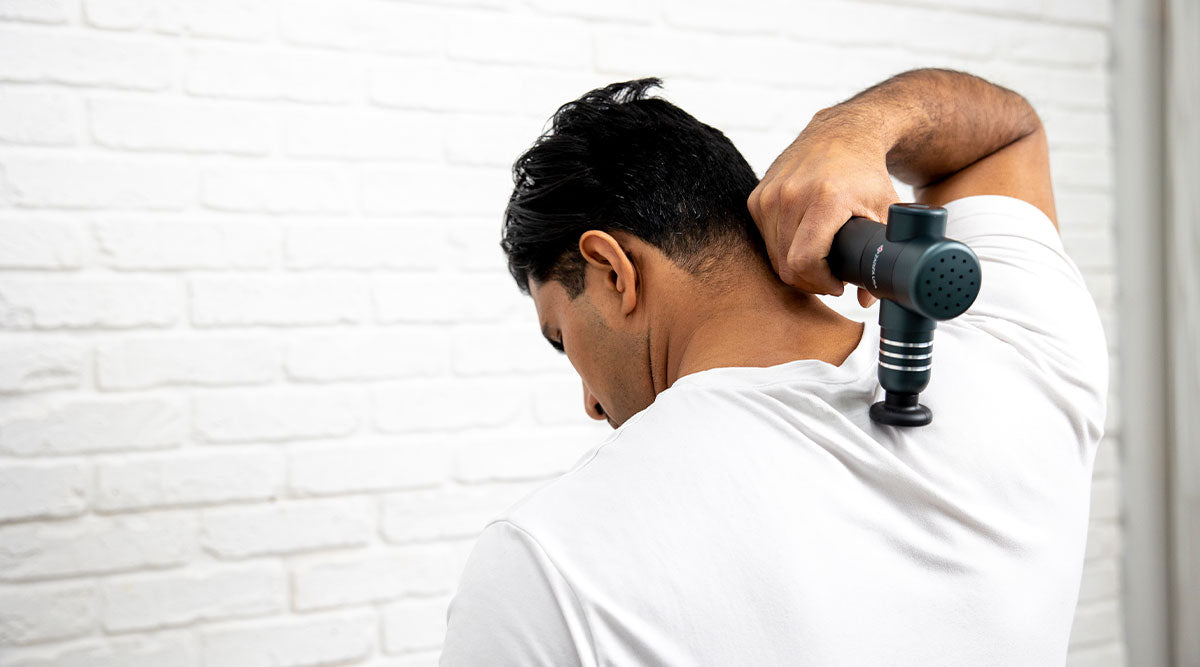
Massage Using a Shoulder Massage Gun
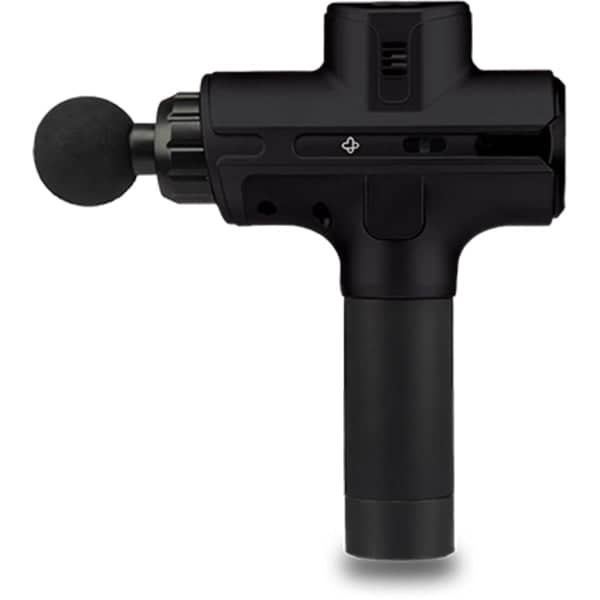
Rhythmic treatment, which stimulates particular muscles, relieves tension, decreases pain, and weariness, is one of the many advantages of using a massage gun. It's also great for improving blood flow and increasing body mobility. It is not only more useful, but it is also simpler to utilize.
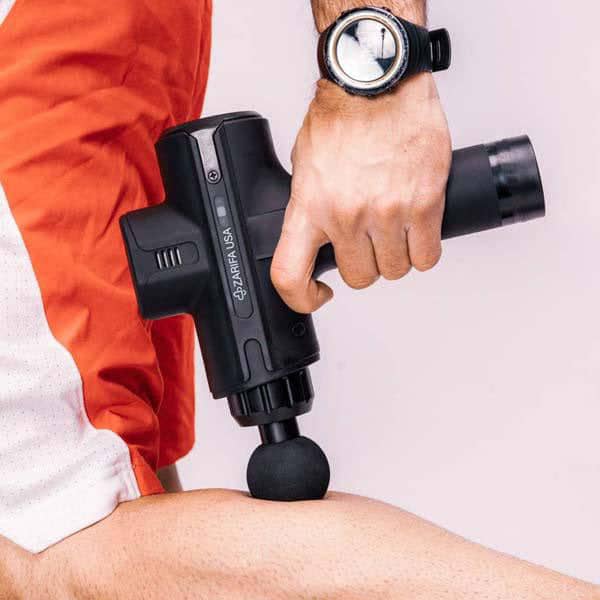
- For two minutes, glide the massaging gun over the muscle fibers, moving back and forth and also laterally.
- Do some simple spectrum exercises. Slowly and circularly move the shoulder while bending over. This will assist in reducing the chances of developing a stiff shoulder.
- Rubbing your shoulders with an electric massager will aid in the removal of lactic acid accumulation, allowing you to recover more quickly. It also aids in the reduction of stiffness and the enhancement of flexibility.
- Lifting heavy things and performing repeated overhead motions should be avoided if you have aching shoulders. Seek medical advice if the discomfort continues.
Target Areas for Effective Self-Massage
Self-massage is a powerful way to target specific areas of your body that commonly suffer from tension or discomfort. Understanding which muscles to focus on can enhance your recovery and relieve aches more effectively.
-
Neck, Shoulders, and Upper Back: These areas often accumulate tension due to poor posture, stress, or long hours of sitting at a desk. Using a massage gun or your hands, gently work the muscles in the neck and shoulders to release tightness and alleviate headaches. Focus on areas near the spine and at the base of the skull, where knots are common.
-
Lower Back and Hips: Lower back painis a widespread issue for many people, especially those with desk jobs or who sit for long periods. The muscles around your lower back and hips often tighten and become stiff, contributing to discomfort. Use massage tools or your hands to target the lumbar region and hip flexors for relief.
-
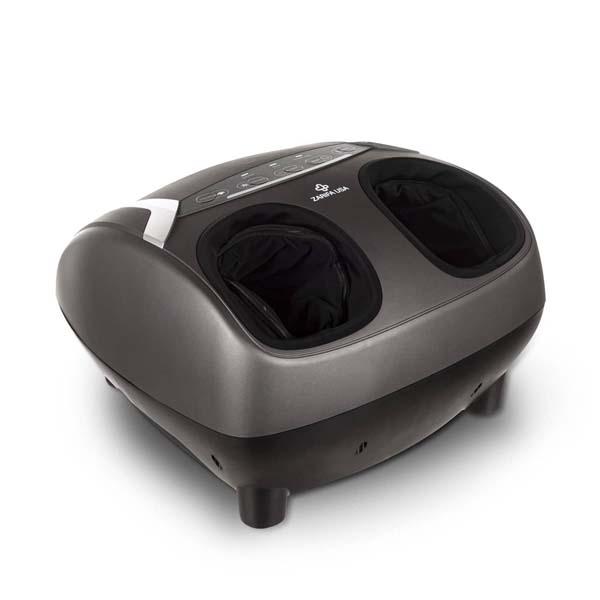
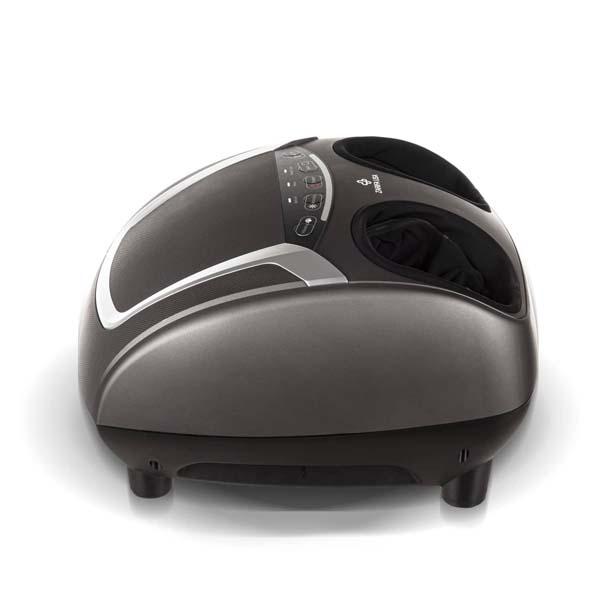
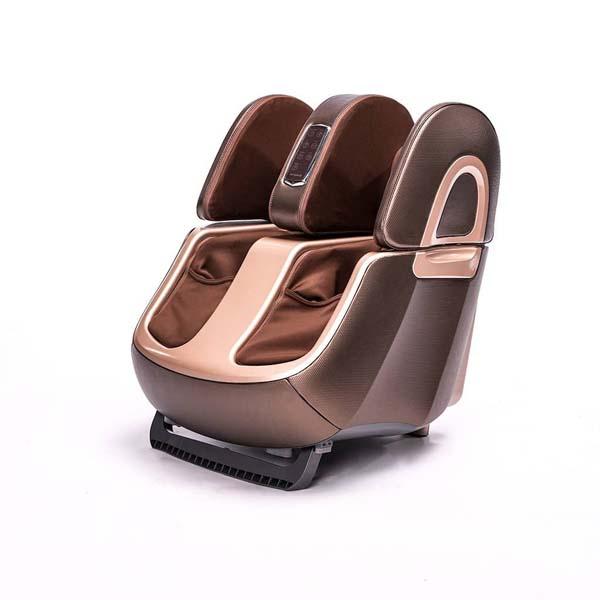
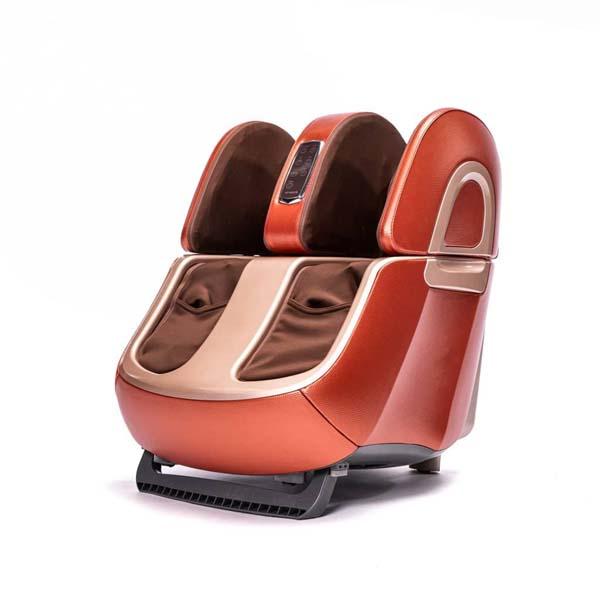
Feet and Calves: Often overlooked, the feet carry the entire weight of the body and are prone to pain, especially for those on their feet all day. Applying pressure to the soles of the feet and massaging the calves can improve circulation and reduce swelling, providing immediate relief.
- Arms and Hands: Tightness in the forearms and hands can result from repetitive tasks like typing or using a mouse. Self-massage in these areas can promote flexibility and relieve stiffness, helping you avoid overuse injuries like carpal tunnel syndrome.
How Often Should You Perform Self-Massage?
The frequency of self-massage depends on your body’s needs, activity level, and muscle condition. However, consistency is key for long-term benefits.
For active individuals or those with chronic muscle tension, it’s generally recommended to perform self-massage 2–3 times per week to aid muscle recovery and relieve soreness. After intense workouts, a daily massage may help ease discomfort and promote faster healing.
If stress is a major concern, incorporating self-massage into your daily routine can provide significant relaxation. A quick 5–10 minute massage session before bed or during work breaks can help reduce tension and improve your mood.
For individuals who sit for long periods, self-massages daily or several times a week can be beneficial for maintaining good posture and muscle flexibility. Focusing on areas like the neck, shoulders, and lower back can prevent stiffness and pain over time.
Experience Lasting Relief: Invest in Your Wellness Today
Are you ready to experience the full benefits of self-massage for muscle recovery, stress relief, and overall well-being? Whether you’re looking to reduce pain, improve flexibility, or relax after a long day, investing in the right self-massage tools can make all the difference.
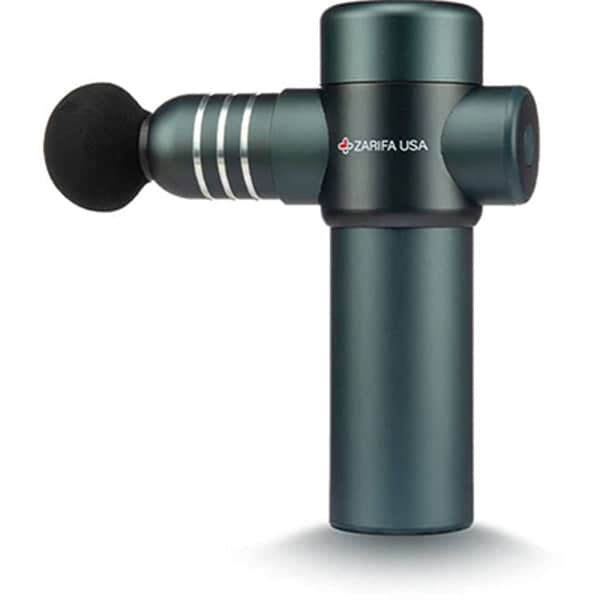
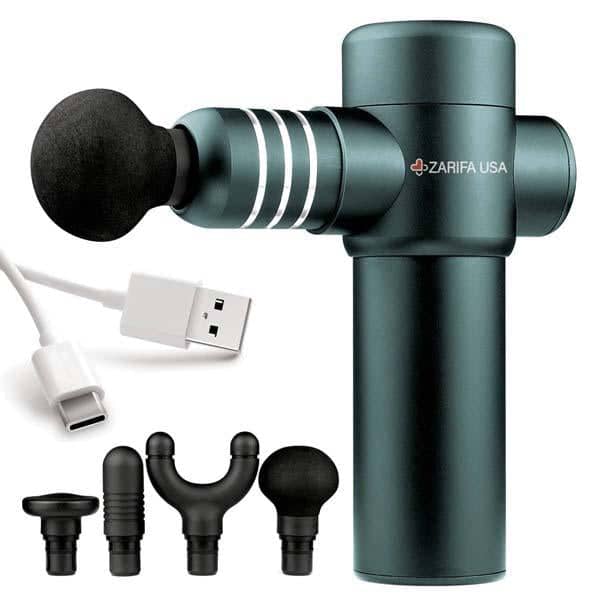
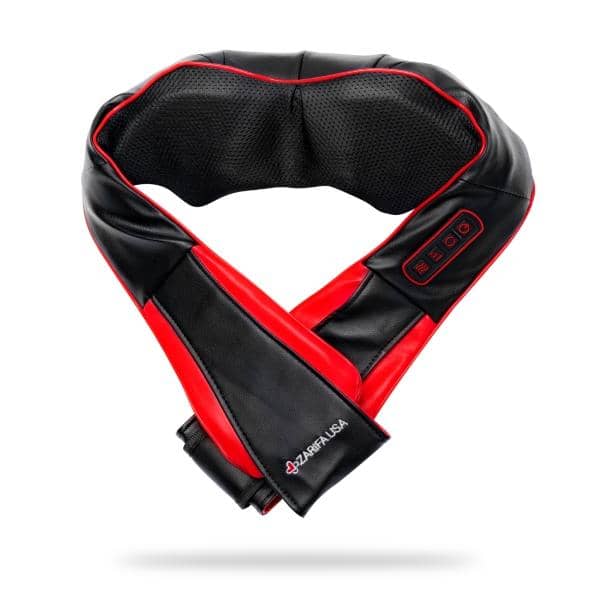
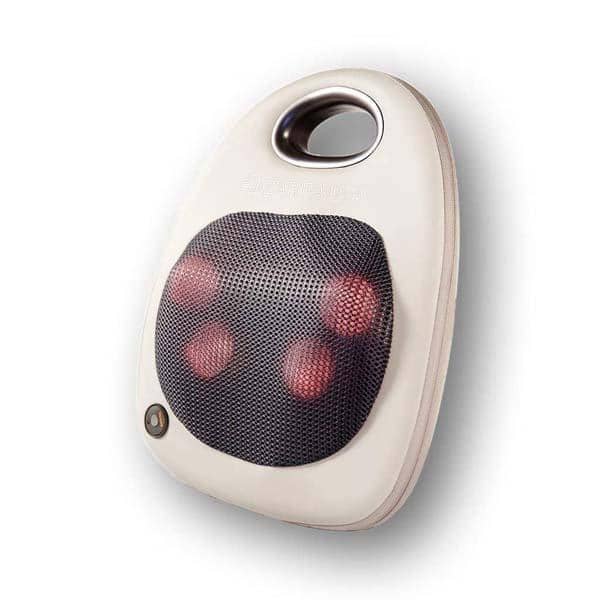
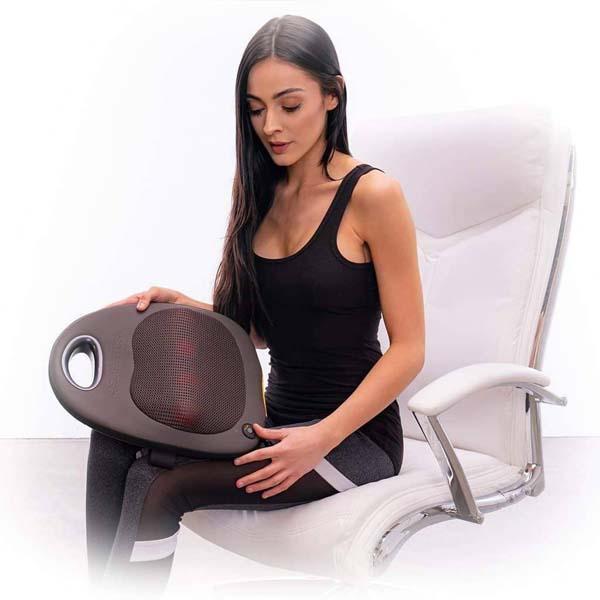
Explore our range of massage guns at Zarifa USA to take your wellness routine to the next level. With HSA/FSA eligibility, you can easily incorporate these tools into your self-care regimen. Don't wait—find the perfect device for your needs today and enjoy the comfort and relief you deserve.