Golf is widely recognized as one of the most beneficial physical activities for older adults. Researchers consistently highlight its ability to support physical health, mental well-being, and meaningful social connection. For seniors, golf offers a rare combination of low-impact exercise, gentle cardiovascular activity, and full-body movement, making it an excellent option for staying active well into later years.
Unlike high-impact sports, golf places less strain on the joints while still engaging muscles throughout the body. Walking the course promotes aerobic fitness, helping to elevate heart rate and reduce the risk of cardiovascular disease. At the same time, swinging a golf club strengthens the arms, shoulders, core, hips, and legs, supporting coordination and functional strength essential for daily life.
Physical and Mental Benefits of Golf for Seniors
Golf delivers more than just physical fitness benefits. The mental health advantages are equally significant. Playing golf requires focus, planning, and coordination, which can help support cognitive function and mental sharpness as people age. Strategizing shots, judging distance, and maintaining concentration all stimulate the brain in ways that benefit long-term cognitive health.
Social interaction is another major benefit. Golf can be played alone, but it is often enjoyed with friends or in groups, providing valuable opportunities for connection and community. These social interactions help reduce feelings of loneliness and isolation, which can become more common with age. Additionally, the sense of progress and achievement that comes from improving one’s game can boost confidence and overall quality of life.
Why Strength, Flexibility, and Balance Matter for Senior Golfers
Maintaining strength, flexibility, and balance is essential for seniors who want to continue playing golf safely and effectively. The golf swing requires coordinated movement across multiple muscle groups while shifting weight and rotating the torso. These motions help strengthen the back, core, hips, and legs while improving balance and coordination.
Improved balance is especially important for seniors, as it can reduce the risk of falls and injuries both on and off the course. Flexibility supports a smoother swing, greater range of motion, and reduced muscle stiffness, all of which contribute to better performance and lower injury risk.
How Seniors Can Stay in Shape for Golf
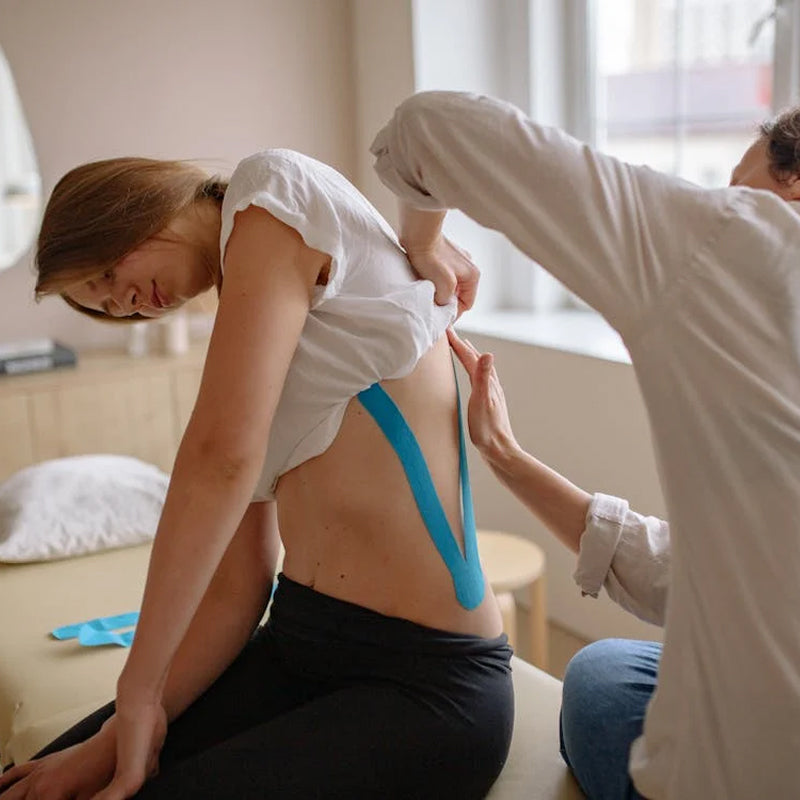
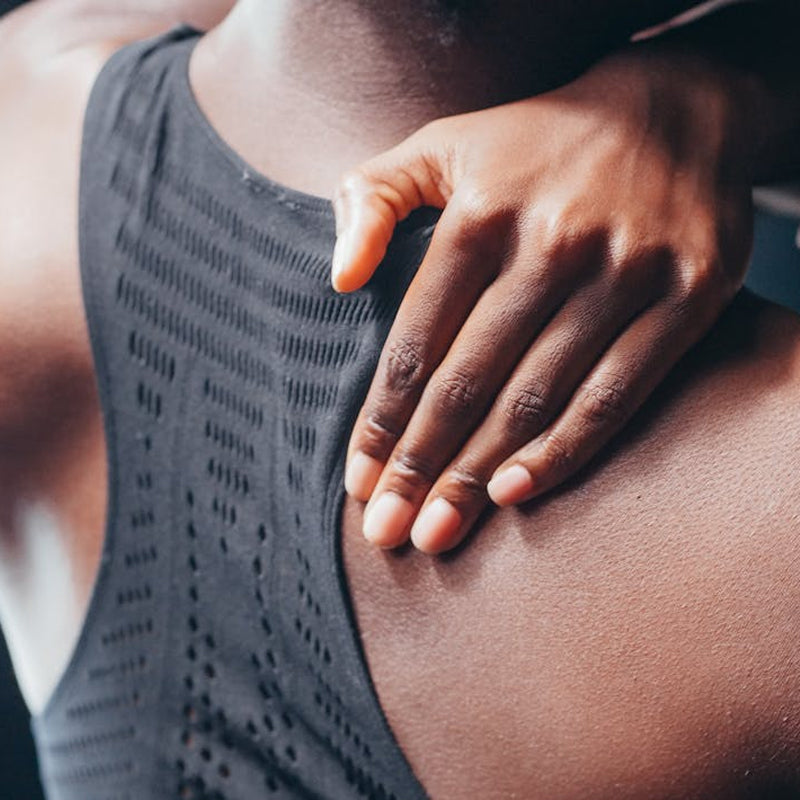
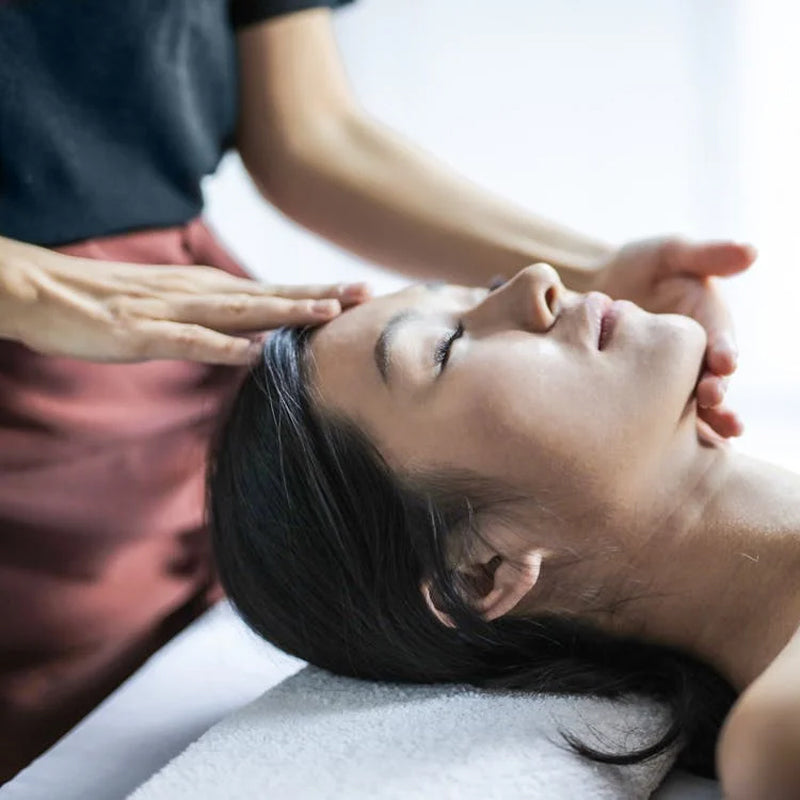
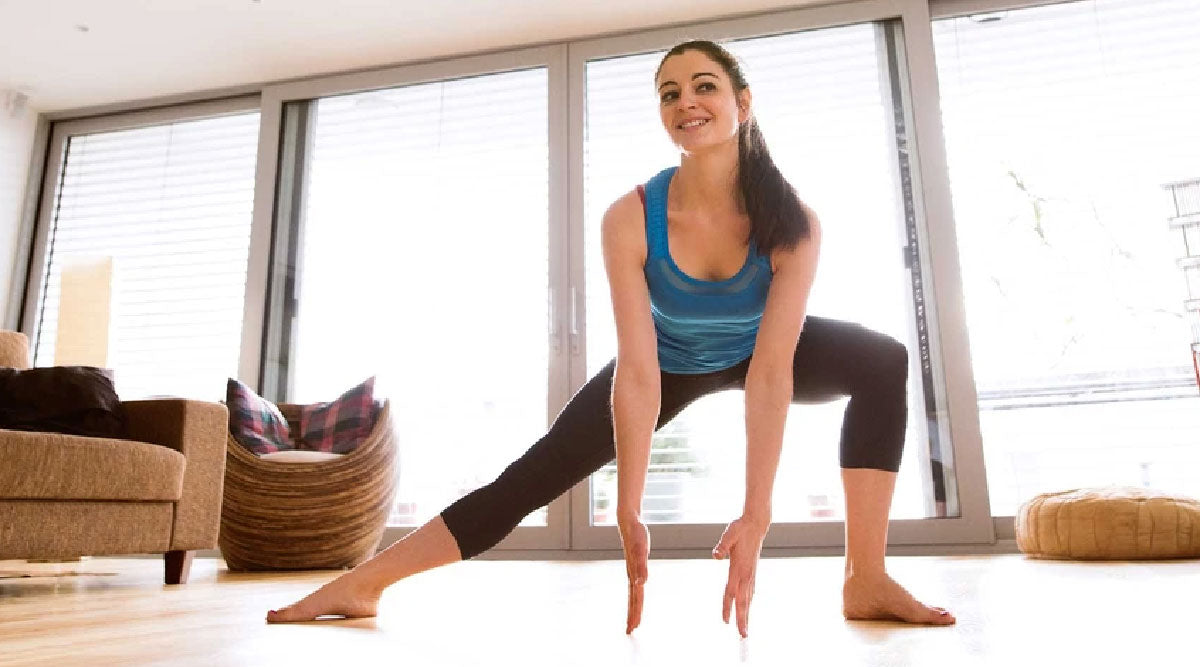
Preparation plays a key role in injury prevention and performance. Stretching and muscle relaxation should be part of every senior golfer’s routine before heading to the course. Gentle massage, whether through hands-on techniques or massage tools, can help loosen tight muscles and increase circulation before activity.
Strength training exercises that target golf-specific muscles are particularly beneficial. Weighted golf swings help build arm and shoulder strength while reinforcing balance. Resistance tubing around the ankles can strengthen the lower body and improve coordination. Core-focused movements, such as medicine ball side twists and prone press-ups, support spinal stability and rotational strength.
Flexibility exercises are equally important. Wall-based golf swing stretches help lengthen muscles used during rotation, while seated figure-four stretches target the hips and glutes. Hip flexor stretches using a chair and seated lower back stretches can improve mobility in key areas that influence posture and swing mechanics.
How Golf Helps Seniors Stay Active and Healthy
Golf supports cardiovascular fitness through continuous movement, especially for those who choose to walk the course. Studies show that even golfers using carts can burn significant calories during an 18-hole round, while those who walk may burn substantially more and cover several miles.
Beyond physical exertion, golf encourages time outdoors, exposure to natural scenery, and reduced stress. Being in an open, green environment can lower anxiety levels and promote relaxation. The mental engagement required during play also improves reaction time and decision-making skills.
Tips for Improving Distance and Performance as a Senior Golfer
As strength and flexibility change with age, technique becomes increasingly important. Seniors can generate more distance by focusing on proper hand and wrist engagement, early body rotation during the backswing, and controlled hip movement. Using lighter clubs, ensuring proper ball position, and selecting clubs with appropriate loft can also improve swing efficiency.
Being professionally fitted for clubs is especially important, as incorrect club length or weight can reduce distance and increase strain on the back and joints.
Supporting Back Health While Playing Golf
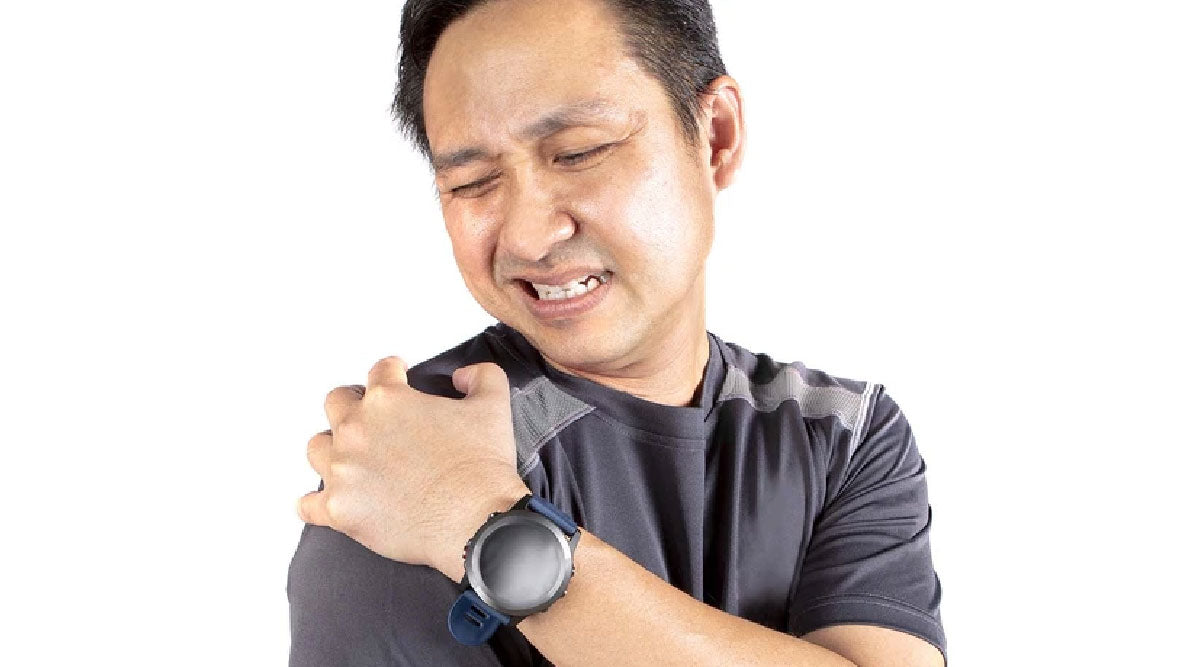
Golf can be beneficial for the back when proper precautions are taken. Correct swing mechanics, appropriate equipment, and consistent stretching can help prevent lower, middle, and upper back pain. Warm-up routines and massage therapy can further reduce muscle tension and improve flexibility.
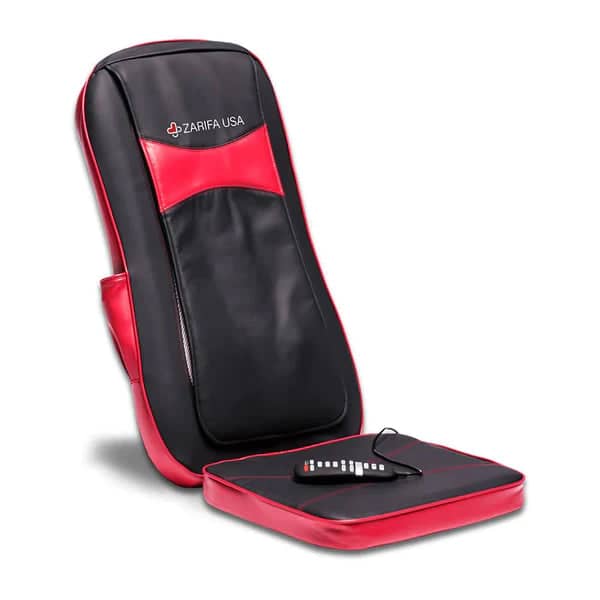
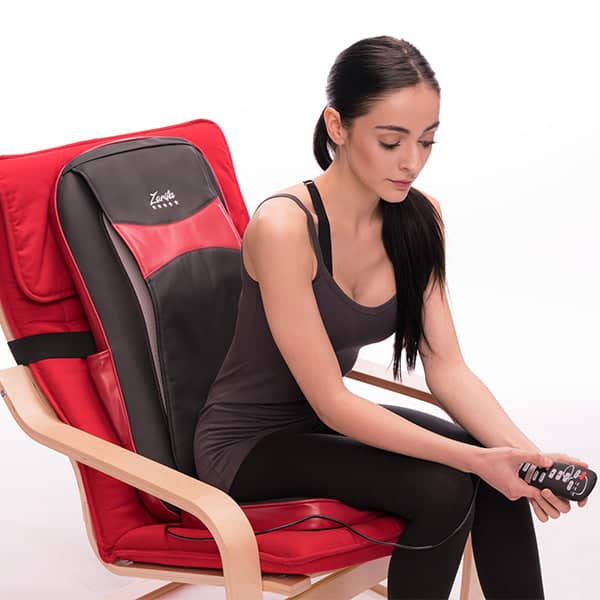
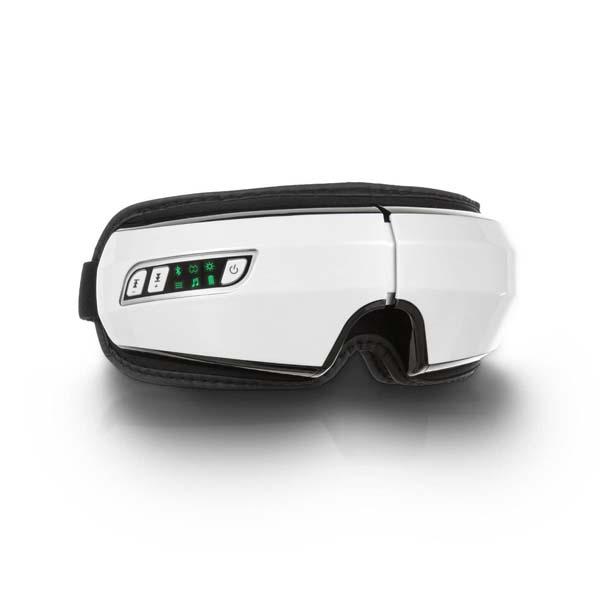
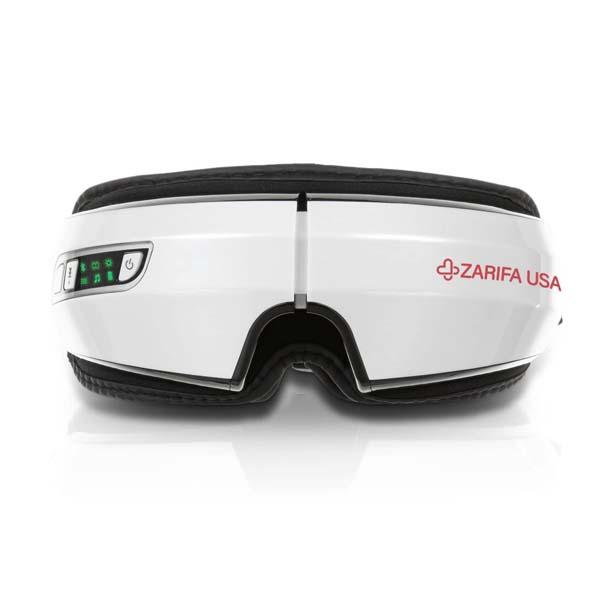
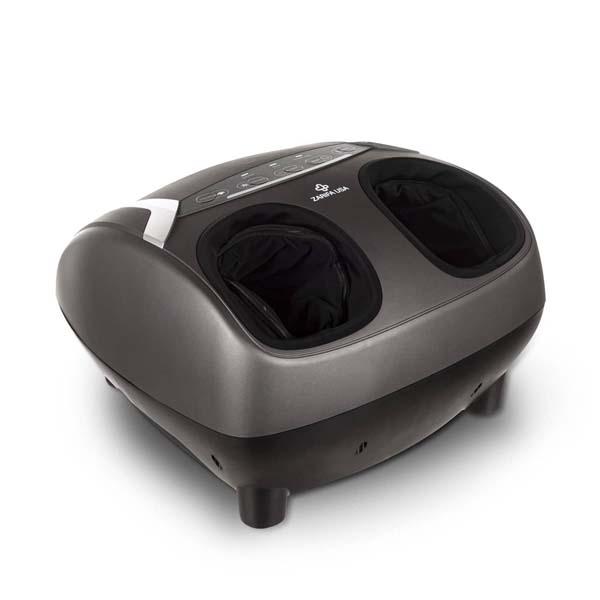
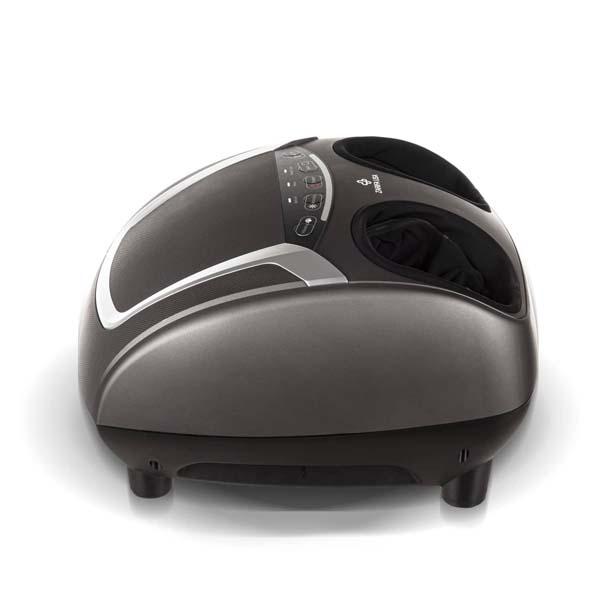
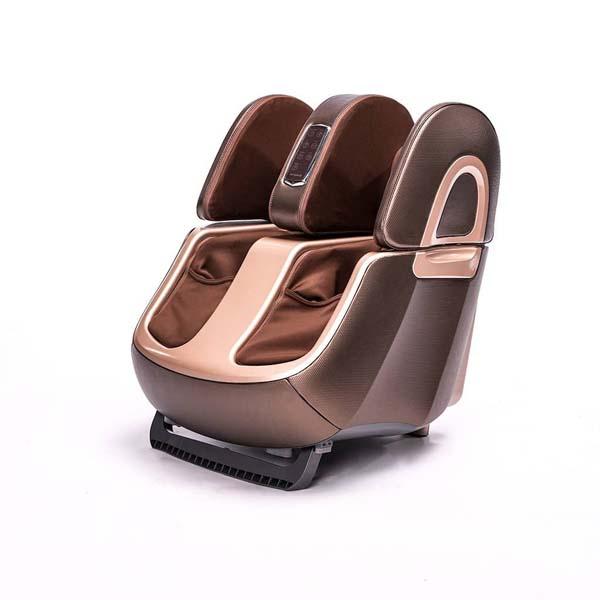
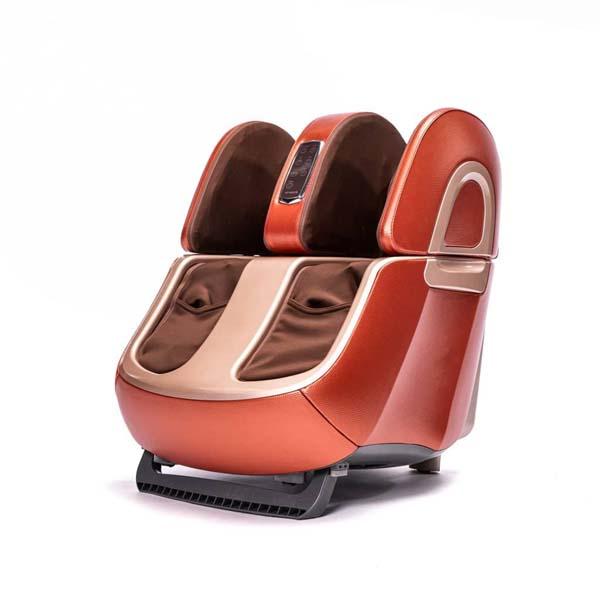
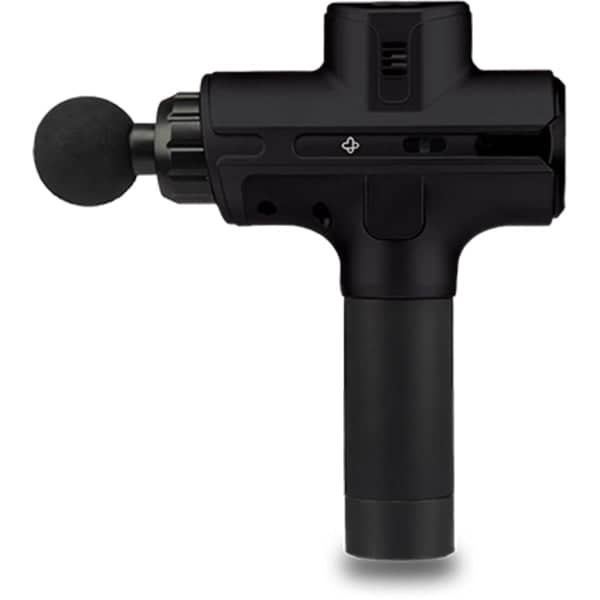
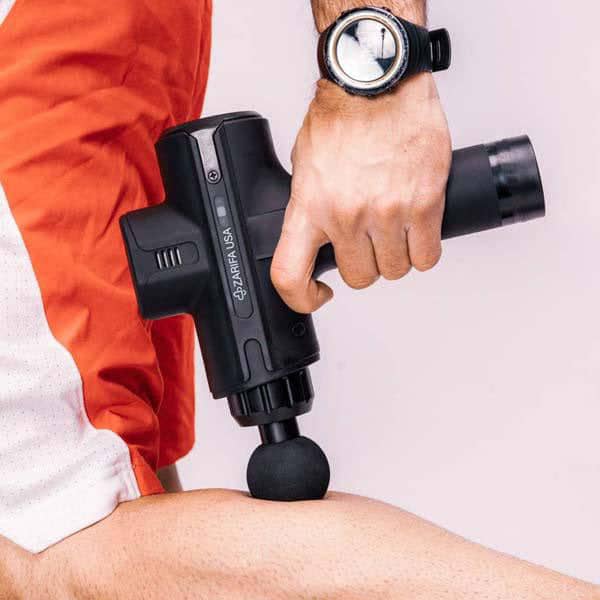
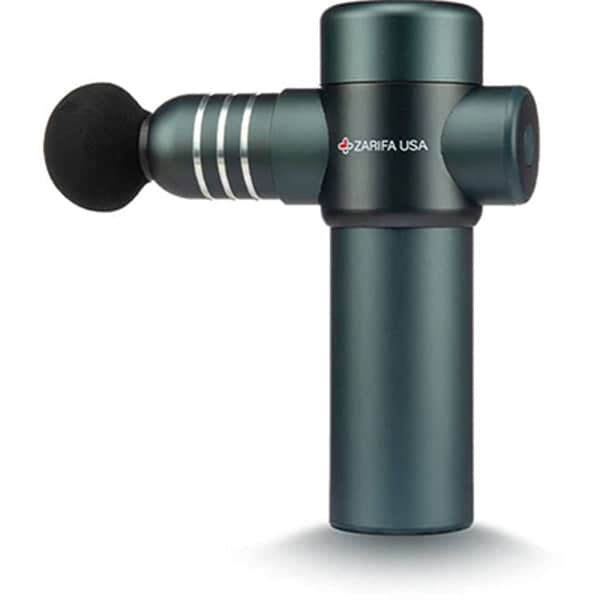
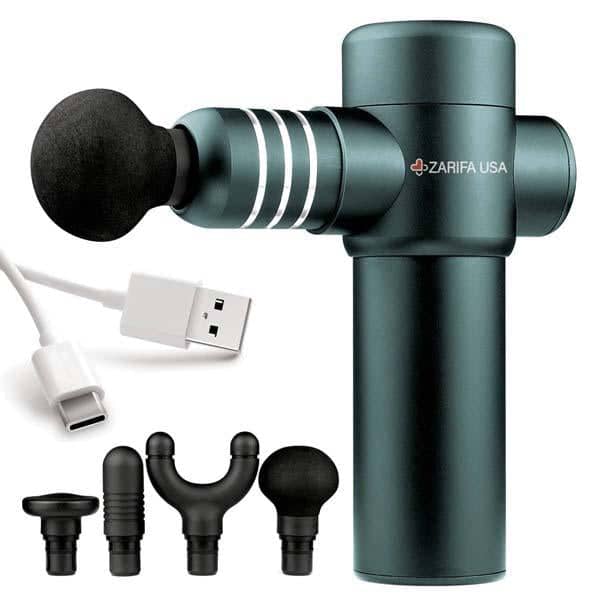
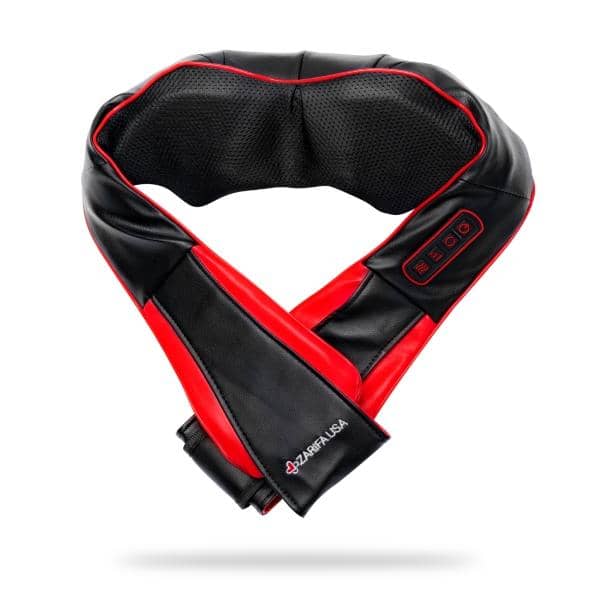
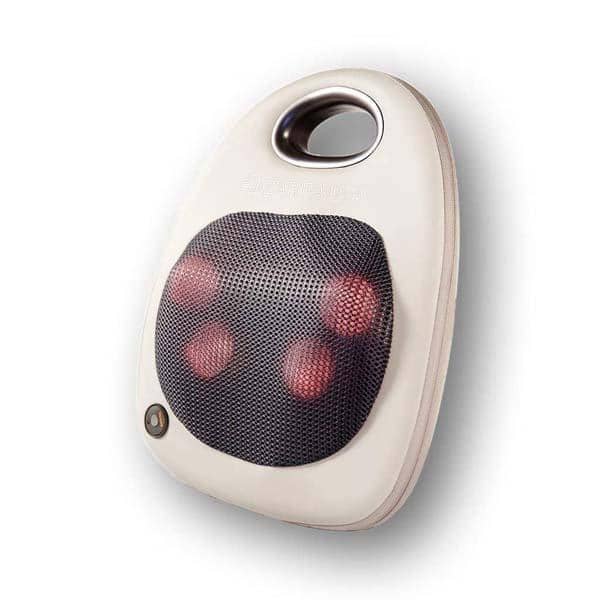
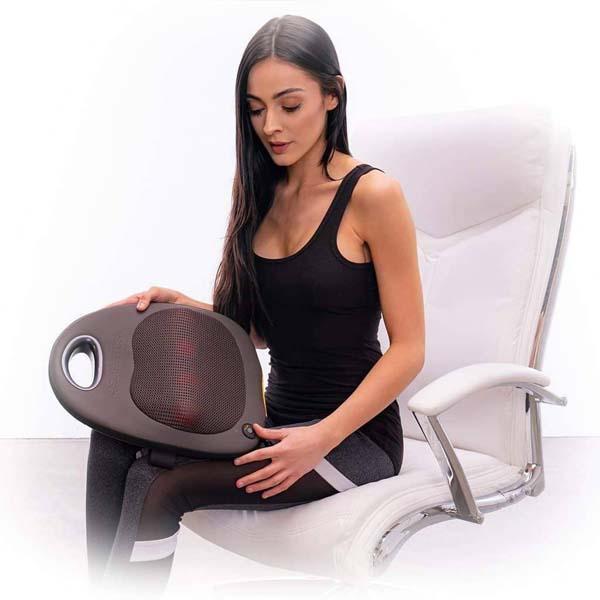
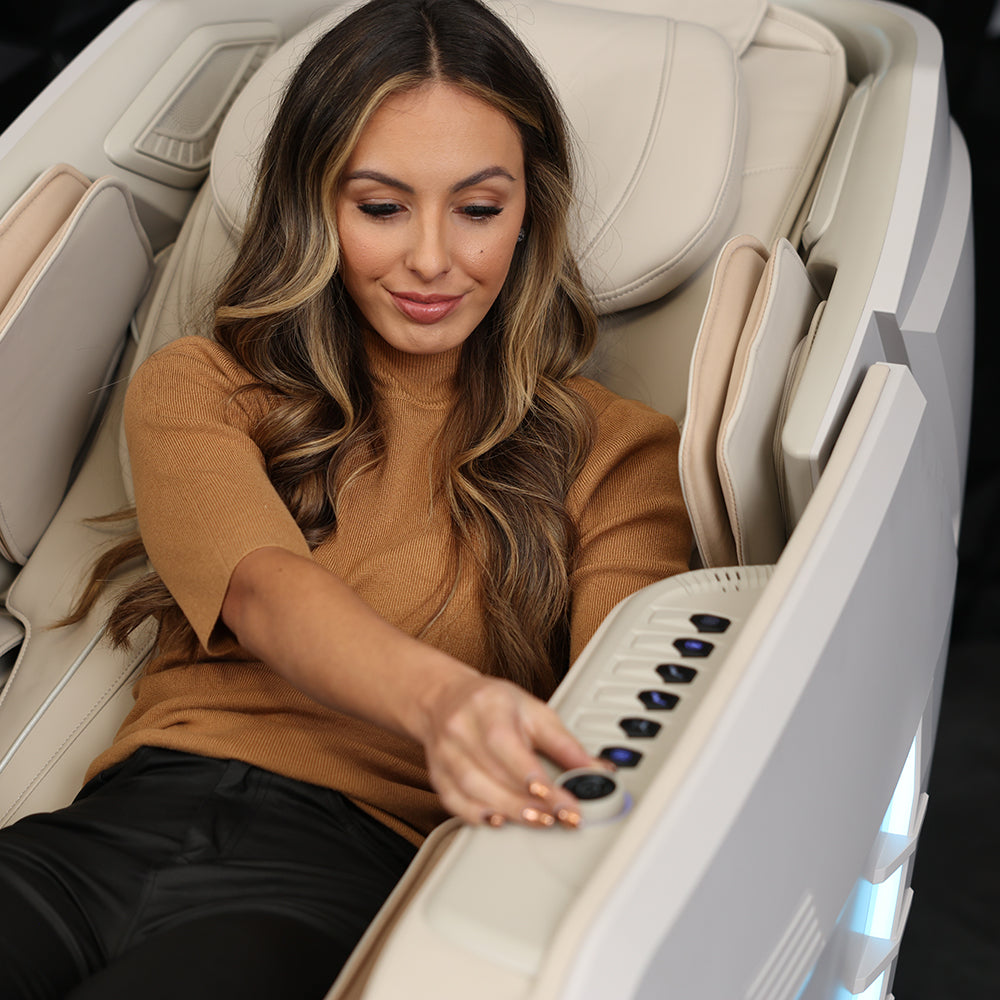
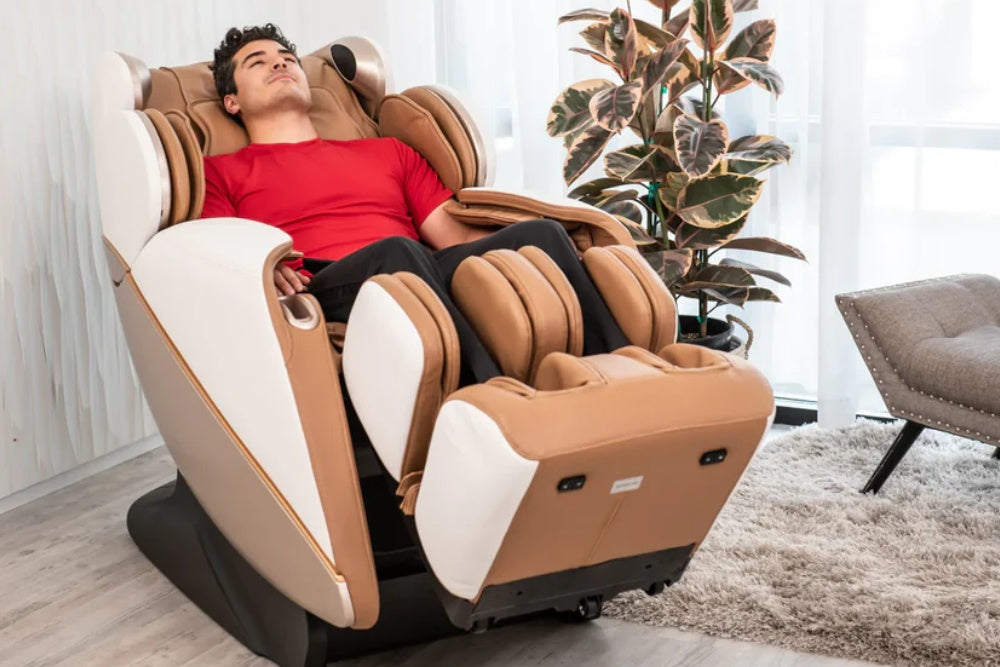
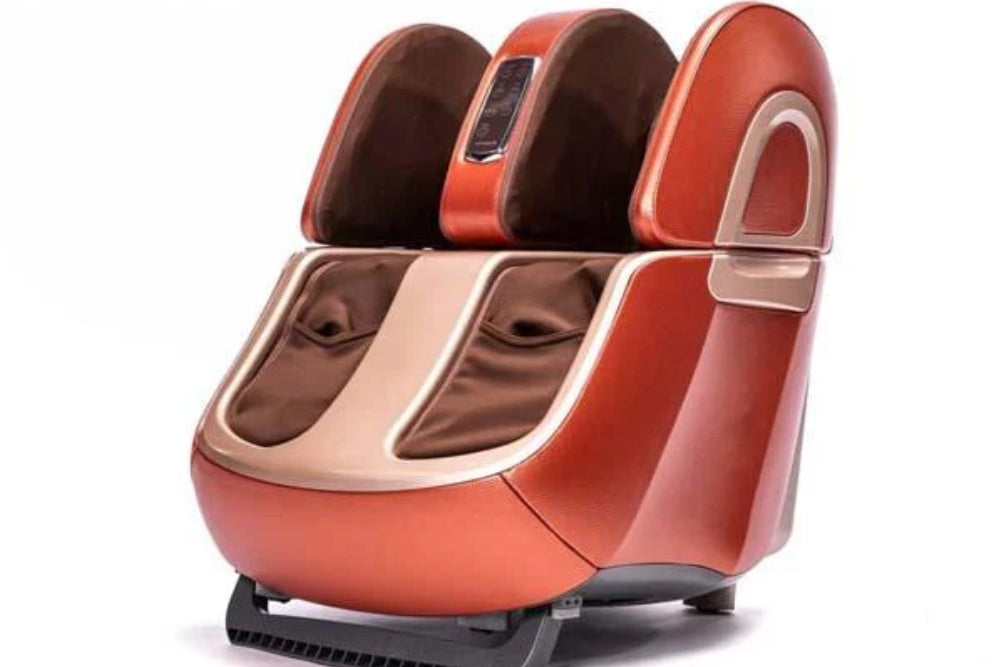
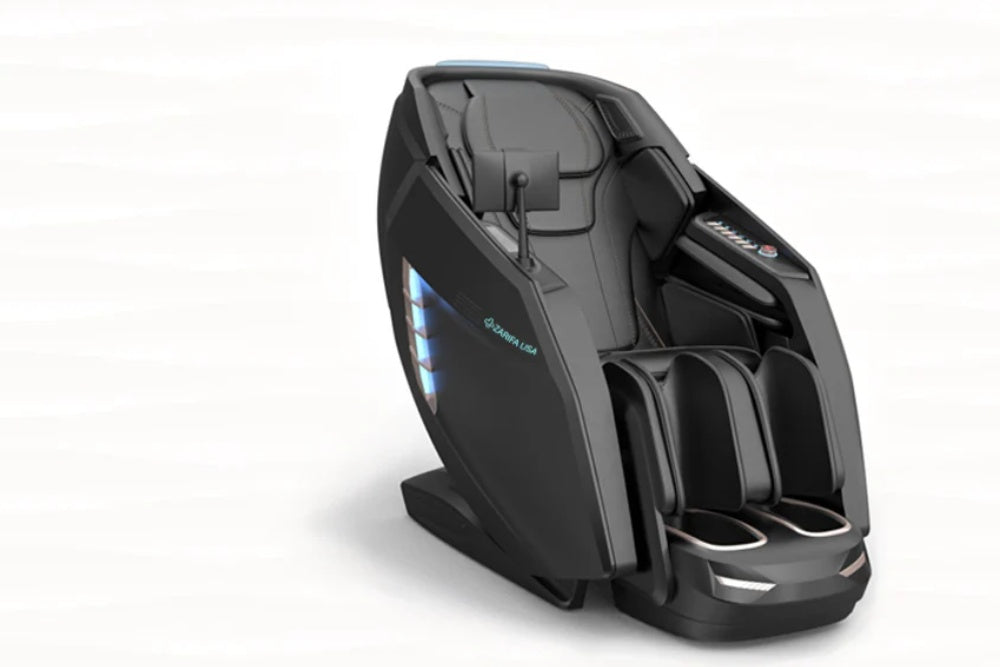
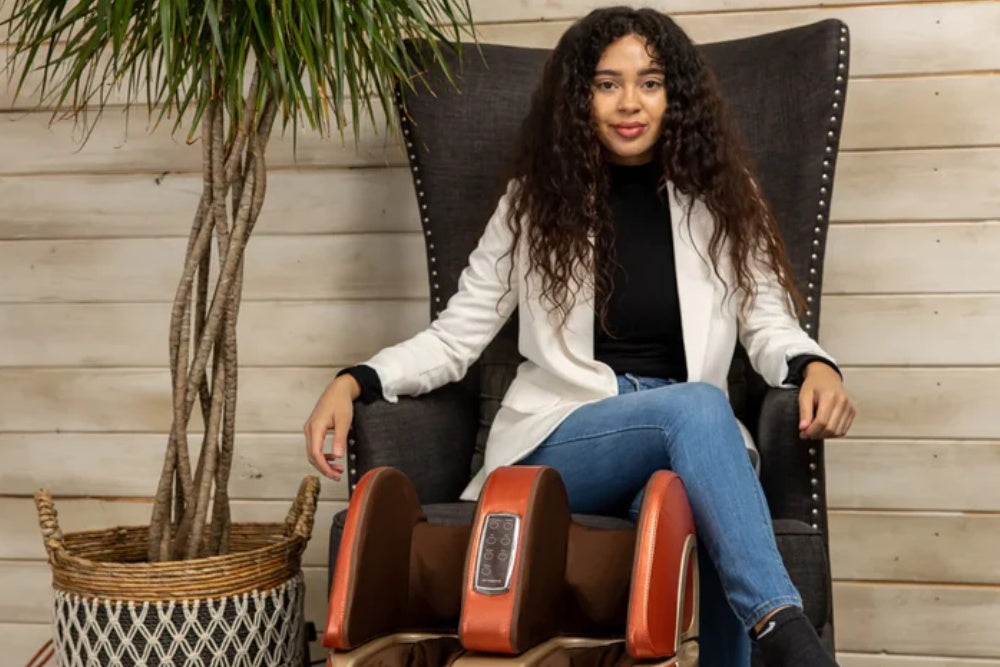
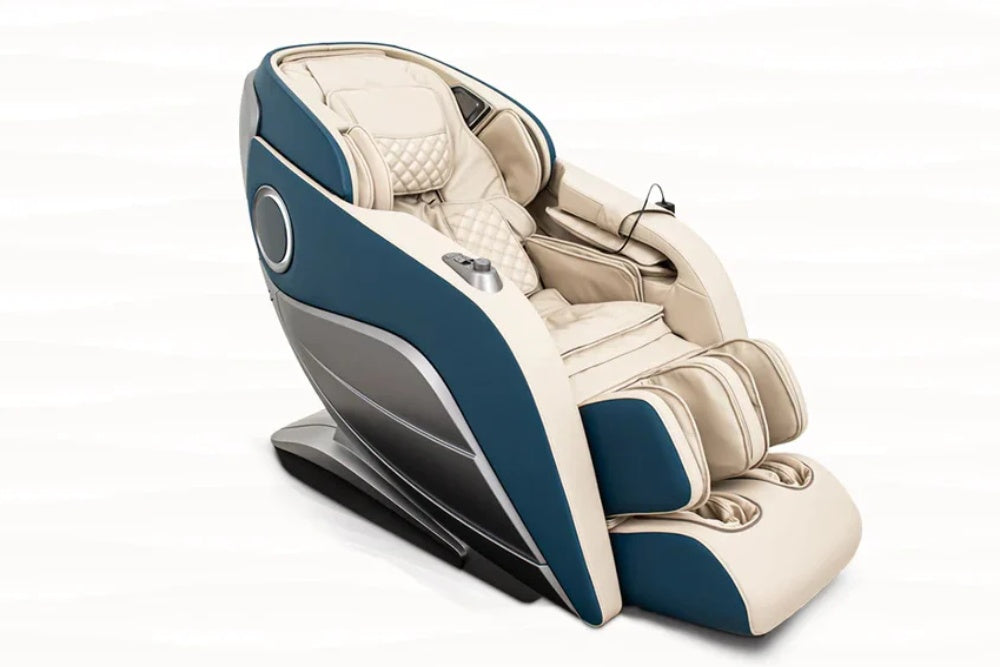
Massage tools, including massage chairs and handheld devices, may support muscle recovery by increasing circulation and easing stiffness after play. These tools can be used as part of a regular recovery routine to help seniors stay comfortable and active.
Final Thoughts on Senior Golf Fitness
Golf is an excellent form of exercise for seniors, offering physical, mental, and social benefits that support healthy aging. By focusing on strength, flexibility, balance, and proper recovery techniques, seniors can continue enjoying the game while reducing the risk of injury.
Before beginning any new exercise or wellness routine, seniors should consult a healthcare professional. With thoughtful preparation, consistent stretching, and attention to recovery, golf can remain a rewarding and sustainable activity well into the golden years.
Supporting Recovery and Longevity With Smart Wellness Tools
Staying active as a senior golfer is not only about performance on the course but also about recovery afterward. Muscles, joints, and connective tissues require proper care to maintain flexibility, reduce soreness, and prevent overuse injuries. Incorporating recovery-focused wellness tools into a regular routine can help seniors bounce back faster between rounds and stay consistent with their fitness goals.
Massage therapy plays an important role in post-golf recovery by improving circulation, reducing muscle tension, and supporting relaxation after repetitive swinging and walking. Using massage chairs or targeted massage devices at home can help seniors manage stiffness in the back, shoulders, hips, and legs while promoting overall comfort. When combined with stretching and proper warm-up habits, massage can support long-term mobility and help golfers continue enjoying the game safely.
At Zarifa USA, we offer wellness solutions designed to support active lifestyles and healthy aging. Whether you are looking to improve recovery after a round of golf or maintain flexibility and balance year-round, incorporating consistent muscle care into your routine can make a meaningful difference.
Explore options that support comfort, recovery, and performance so you can stay confident on the course and active for years to come.