Shiatsu massages have been around for centuries. You may have heard the term before, but its fascinating history is often overlooked. This uniquely Japanese technique is taught in massage therapy schools around the world.
Few people know the history of its development and the exact combinations of other methods and techniques. This article will explore this well-known practice and explain how shiatsu massage has evolved into the form we recognize today. Keep reading to discover more about the world of shiatsu massage.
Back To the Beginning
Tokujiro Namikoshi coined the term “Shiatsu” in the 1920s, but the history of this massage practice goes much deeper. To understand its origins, we need to explore Japanese and Chinese medicine as well as the traditional massage practices in Japan.
Shiatsu means “finger pressure,” which makes its Japanese origin fairly obvious. This massage therapy may be unique to Japan, but Shiatsu has roots in ancient Chinese philosophical ideas.
Before it was called Shiatsu, the practice was known as Anma, which itself originated from a traditional Chinese massage called Tui Na. In this way, Shiatsu can be traced back to the introduction of Tui Na in Japan.
Tui Na and Chinese Medicine
Tui Na means “to push, lift, and squeeze.” It’s a form of ancient Chinese massage where the massager applies rhythmic pressure to the body using their fingers and hands. They roll, knead, rub, and press different areas of the body.
There’s proof that Tui Na first popped up in Japan in 700 AD. From that time, this style of massage began to gain prominence and influence the development of massage practices throughout Japan.
Transitioning from Tui Na To Anma
Japanese practitioners modified Tui Na and created Amnaa in the 1300s. Akashi Kan Ichi was a physician and therapist who established Anma. In the 1600s, Sugiyama Waichi, a renowned blind acupuncturist and physician, helped popularize the modern form of Anma. His blindness also shaped the culture and traditions of the massage profession in Japan.
Blind massage therapists became the preferred practitioners for the next several hundred years. The Japanese government limited the profession to the blind since it was one of the only ways they could earn a living. At the same time, Anma was regulated through state licensing, which limited its development and caused the therapy to lose much of its scientific and therapeutic approach. As a result, its popularity declined, marking a challenging period for massage therapy in Japan.
Prohibition of Traditional Practices
During Emperor Mutsuhito’s reign, Japan was completely open to the world, though the emperor prohibited traditional practices. This ban included Anma. So, the Japanese people began to use Anma unofficially.
In 1911, a law recognized the professional figure who performed acupuncture because practitioners in the field of Japanese medicine became interested in Western practices. This legislation removed previous restrictions on practicing such treatments, paving the way for the development of Shiatsu.
Anma To Shiatsu
Anma eventually became the Shiatsu massage therapy technique. The word “Shiatsu” first appeared in a massage manual by Tenpeki Tamai in 1900. The finger pressure massage technique was still different from the Shiatsu we’re familiar with today.
At just seven years old, Tokujiro Namikoshi developed massage techniques that helped heal his mother’s rheumatism. He continued practicing this form of massage until the police intervened, arresting him for operating without a license.
In 1925, after receiving formal training, Tokujiro earned his license at the suggestion of his brother. Soon after, he opened a massage clinic. Unlike Anma, which applies pressure using the knees, fists, and elbows, Shiatsu relies exclusively on finger pressure. This style blends principles of ancient Chinese medicine with a scientific approach, giving it a unique identity. From there, Shiatsu began to spread throughout Japan and eventually across the world.
Shiatsu is a whole-body treatment and requires extensive knowledge of the Musculoskeletal structure of the body and nervous system. This understanding emphasizes the neuromuscular points.
Then Came Zen Shiatsu
A student of Namikoshi, named Shizuto Masunaga, created something fantastic with Shiatsu. He was a Chinese medicine scholar and a psychologist. He taught there for ten years before founding his own school, the Iokai Shiatsu Center, where he further developed his unique approach to the practice.
He developed a style that reflects Japanese Buddhist monks’ spiritual approach and simplicity. The practice follows the energy lines to help the back and abdomen. He named this style “Keiraku Shiatsu,” which translates to “Zen Shiatsu in the West.” It’s close to meditative and holistic methods.
Masunaga developed the Hara diagnosis, which is an abdominal diagnosis. This technique extended the traditional acupuncture meridians to include some extra meridians. His contributions continued to influence practitioners even after his death, reaching beyond Japan to the Western world and Europe.
Katsusuke Serizawa
Katsusuke Serizawa was a notable figure in the development of Shiatsu in this century. His work focused on “Tsubos,” or “effective points” on the meridian. Using modern electrical measurements, Serizawa was able to demonstrate the existence of these Tsubos. A Tsubo, also known as a meridian or acupuncture point, is a spot on the skin highly sensitive to the body’s bioelectrical impulses.
The style of Shiatsu Kasusuke Seizawa developed is known as Acupressure Shiatsu. This name is the western derivative of Tsubo Therapy, as it’s known in Japan.
Shiatsu is an incredibly well-known massage therapy style that’s relaxing and rejuvenating. Over the years, modern variations have emerged, but each continues to incorporate elements of traditional techniques. Some of these methods include:
- Shiatsu-Do combines stretching with movement, creating a more vigorous and dynamic form of Shiatsu.
- Nippon Shiatsu is a style commonly used in Japan. It’s a whole-body routine that emphasizes more points and can be robust.
- Movement Shiatsu incorporates light pressure to the points, guided movement, and gentle manipulations to resolve inner conflicts by bringing awareness to the body’s energy patterns.
- Zen Shiatsu focuses on the body’s meridians and can be practiced in either a gentle or more vigorous style.
- Healing Shiatsu is a gentle practice that incorporates meditation to promote relaxation and balance.
Shiatsu massages have been important for many individuals for centuries. Understanding the history of Shiatsu massages can help you decide if this technique is a good fit.
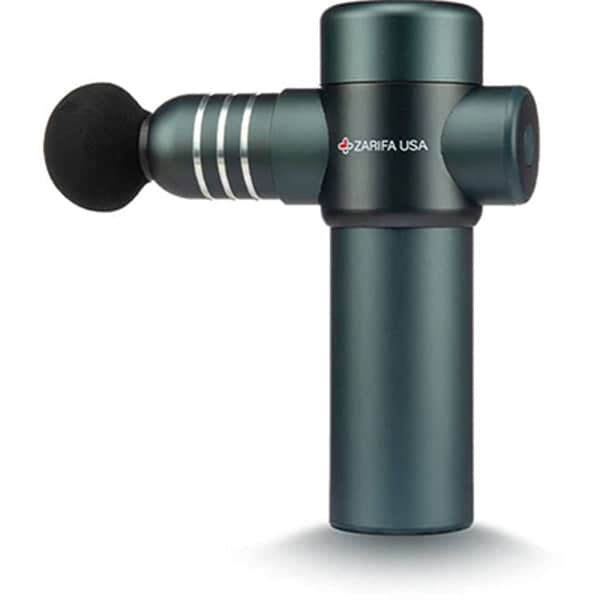
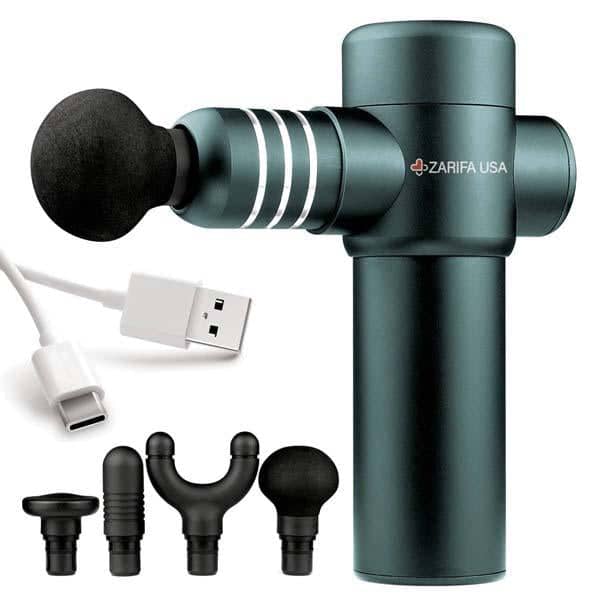
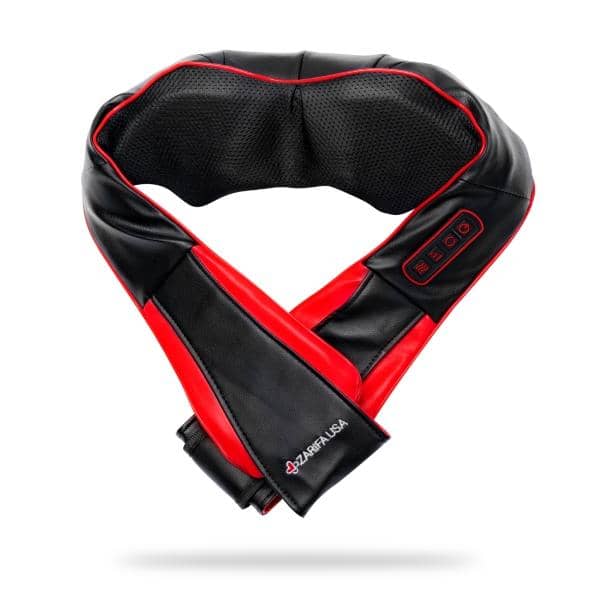
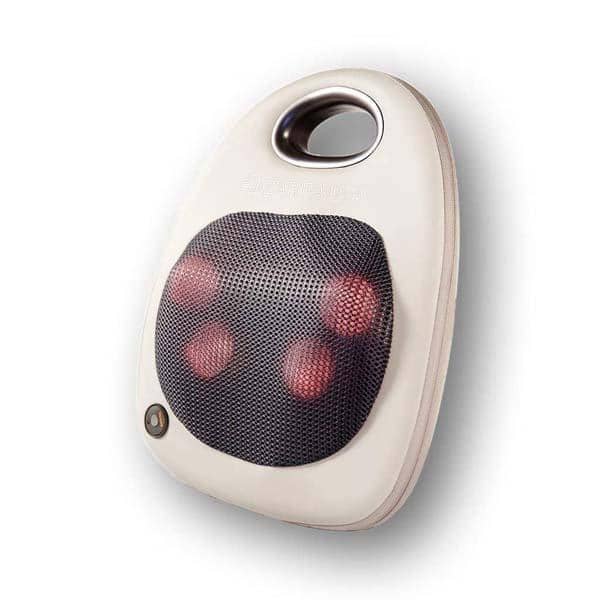
Zarifa offers back and neck Shiatsu massagers designed for home use. These affordable devices provide soothing relief on days when visiting a massage therapist isn’t possible.
Discover the benefits of Shiatsu massage for yourself and explore its rich history and techniques. Experience relaxation, balance, and well-being today.