From active athletes to professionals who sit at a desk all day, many people experience a familiar and frustrating sensation: a sharp, persistent pain in the shoulders, neck, or back that refuses to loosen. These painful areas are commonly referred to as muscle knots. While they are widely discussed in fitness and wellness circles, the exact physiological process behind muscle knot formation is still debated among medical professionals. What is certain is that muscle knots can significantly affect comfort, mobility, productivity, and sleep quality.
Understanding what muscle knots are and how to manage them effectively is the first step toward long-term relief.
What Are Muscle Knots?
Muscle knots are often described clinically as myofascial trigger points. They are sensitive areas within muscle tissue that become painful when compressed or stretched. Although there is no single agreed-upon explanation for how they form, researchers believe muscle knots involve both muscle fibers and surrounding fascia.
Athletes commonly experience knots after repetitive movements, intense workouts, or insufficient recovery. However, people with sedentary lifestyles are equally prone to developing them due to prolonged sitting, poor posture, and limited movement throughout the day.
One theory suggests muscle knots form as a result of microtears that occur naturally during physical activity. These microtears are part of the muscle-building process, but if healing is disrupted, tension may remain trapped within the muscle. Another widely accepted theory proposes that knots are localized muscle contractions or micro-cramps that restrict blood flow, leading to irritation, tightness, and pain. This explanation is particularly relevant for individuals who spend extended periods seated or under chronic stress.
In some cases, persistent knots may be associated with myofascial pain syndrome, a chronic condition characterized by ongoing muscle tension and recurring trigger points. Regardless of the cause, muscle knots should not be ignored, especially when they interfere with daily activities or sleep.
Common Symptoms of Muscle Knots
Muscle knots can present differently depending on their location and severity. Common symptoms include localized tenderness, stiffness, reduced range of motion, radiating pain, and discomfort that worsens with movement or pressure. Some individuals also experience headaches, neck pain, or referred pain in surrounding areas.
Can Muscle Knots Be Prevented?
Prevention begins with consistent muscle care and healthy movement habits. For active individuals, proper recovery plays a critical role. Stretching after workouts, maintaining hydration, and consuming a nutrient-rich diet that includes magnesium, potassium, and calcium can help support muscle function and reduce cramping.
For those with sedentary routines, movement is essential. Standing, stretching, or walking for a few minutes every hour can significantly reduce muscle tension. Maintaining good posture by keeping shoulders relaxed and the spine aligned can also prevent excessive strain on muscles.
Stress management techniques such as yoga, breathing exercises, and meditation may further reduce the likelihood of muscle knots, as emotional stress often manifests physically within the body.
Can Trigger Point Massage Tools Treat Muscle Knots?
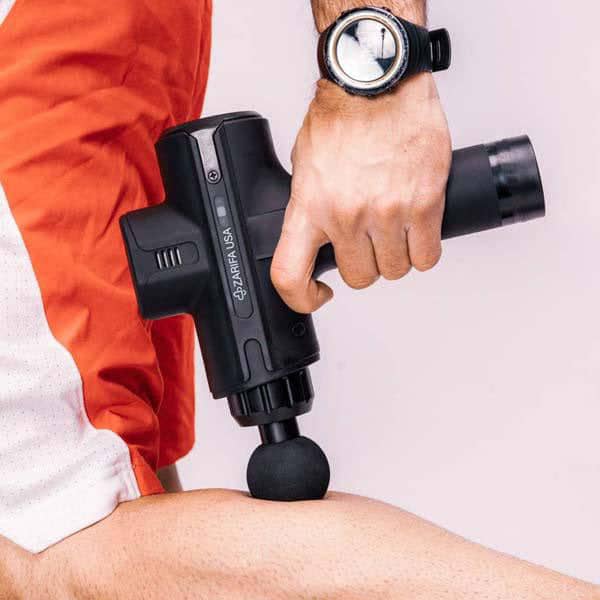
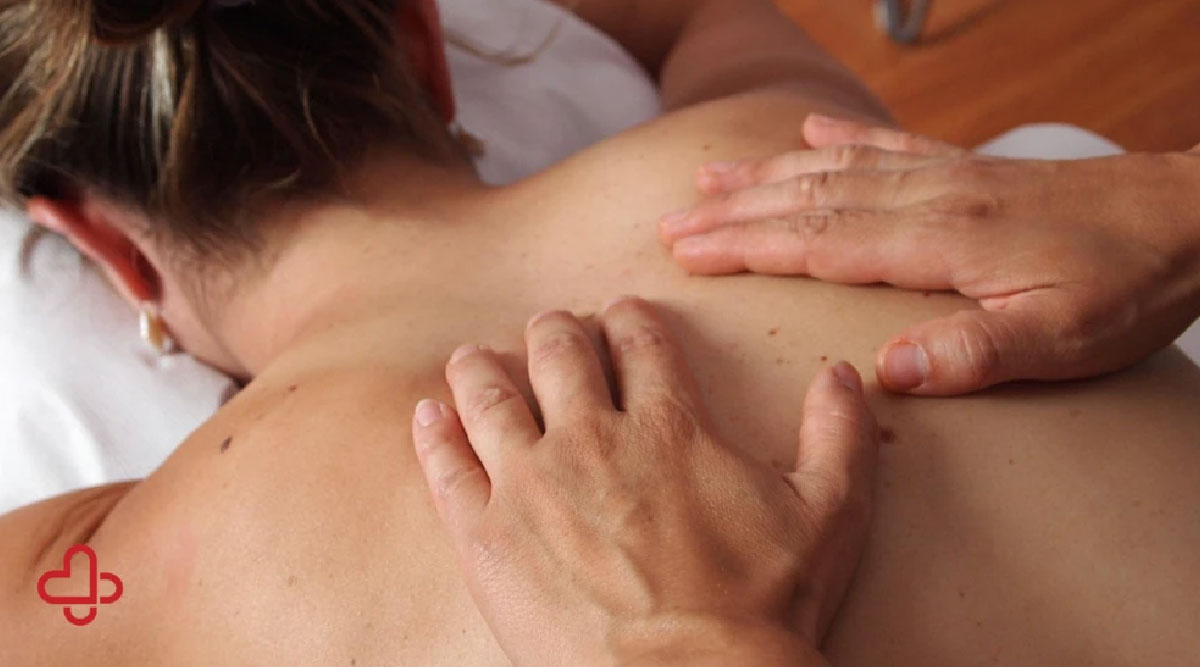
The good news is that muscle knots are highly treatable. One of the most effective approaches is deep tissue self-massage using trigger point massage tools. These tools allow targeted pressure to reach deeper layers of muscle and fascia, helping release tension and restore circulation.
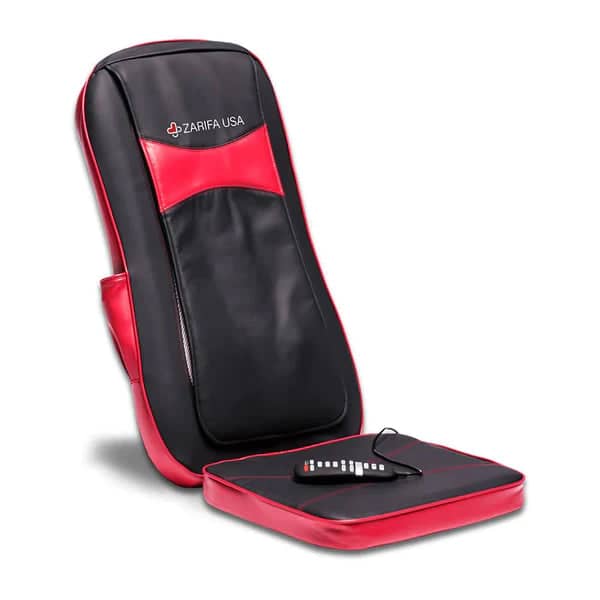
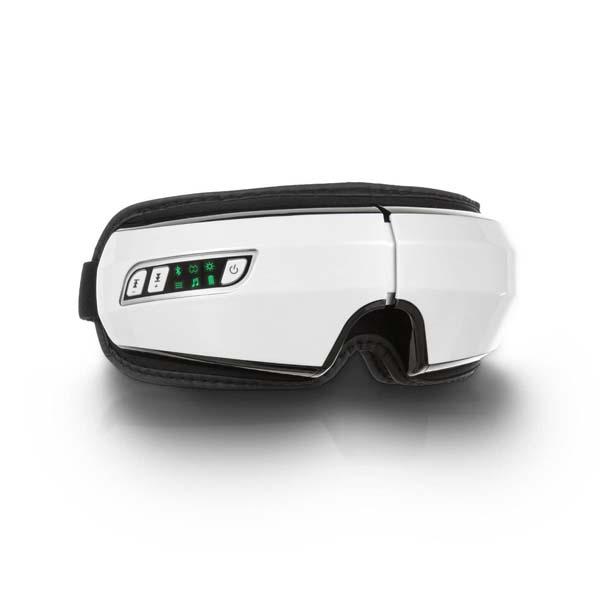
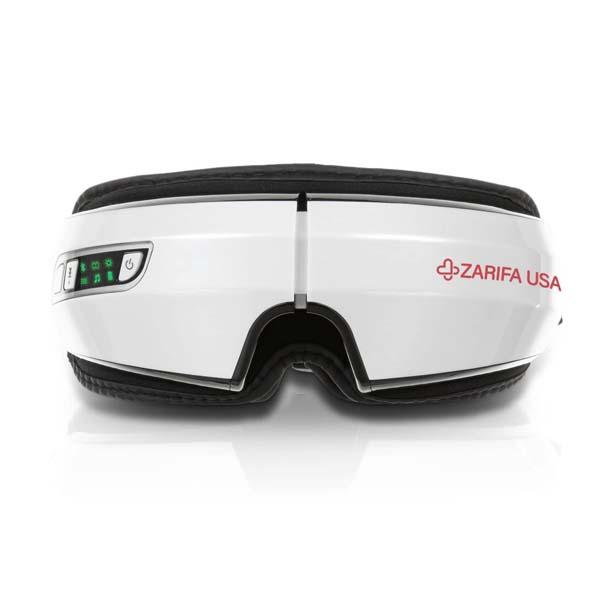
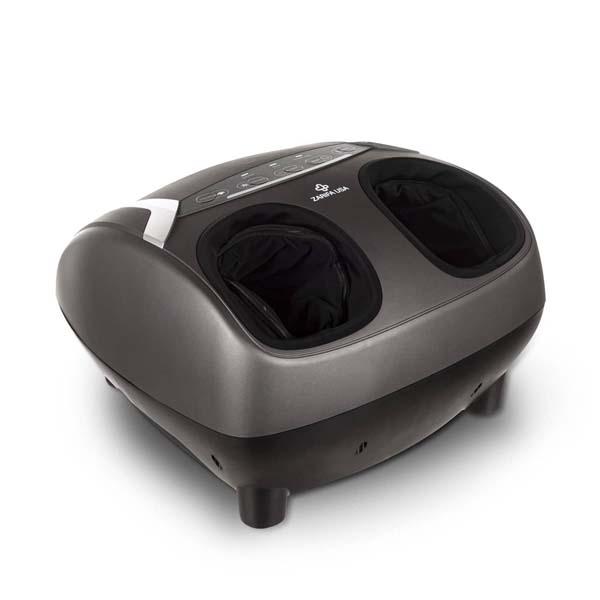
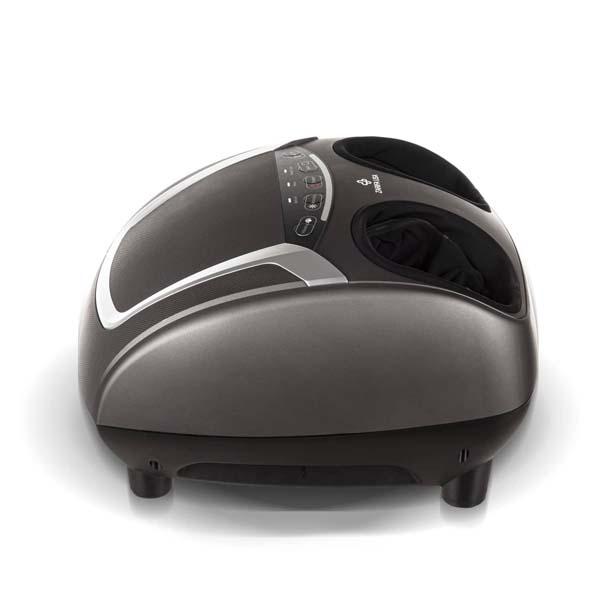
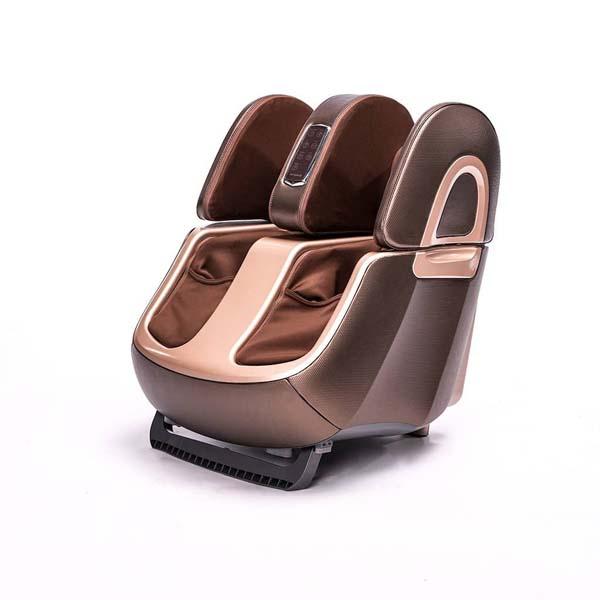
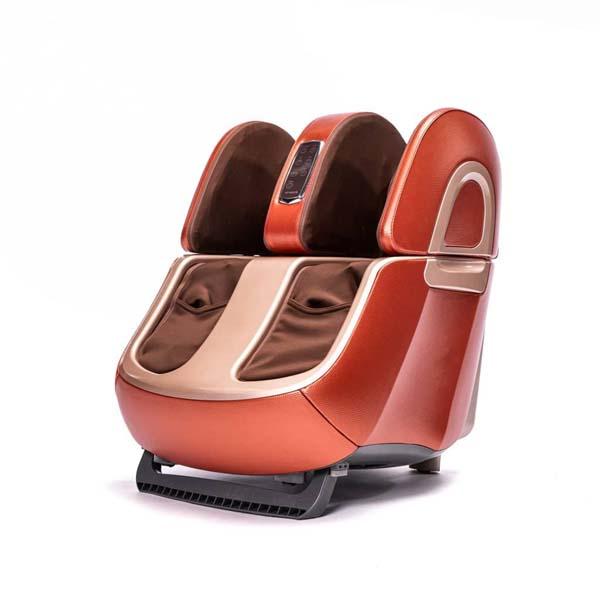
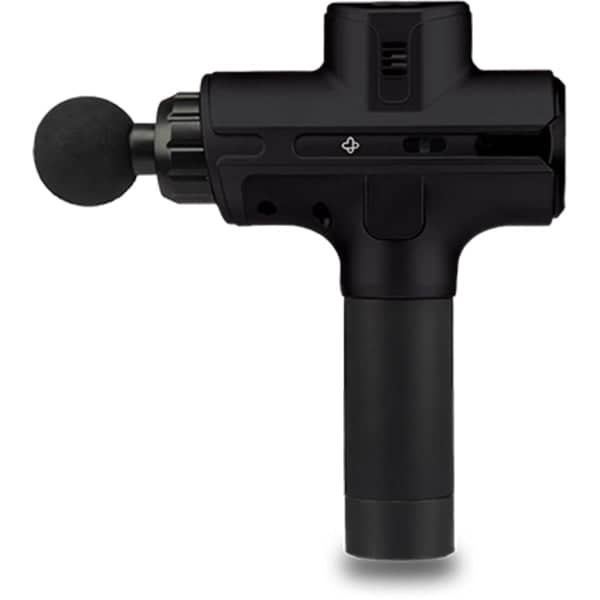
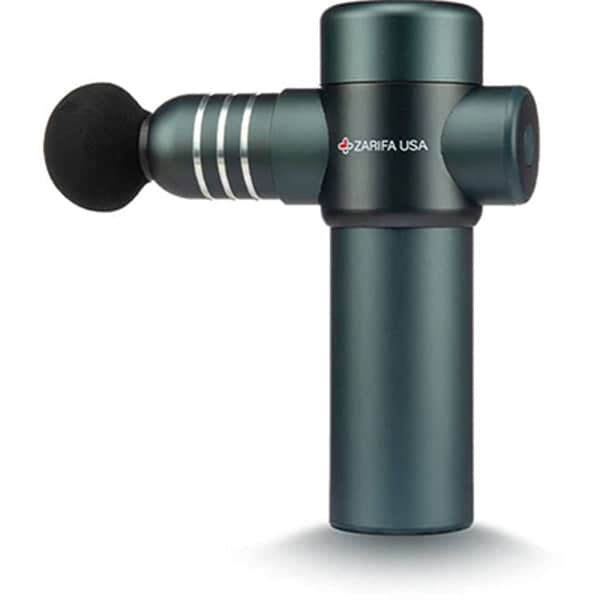
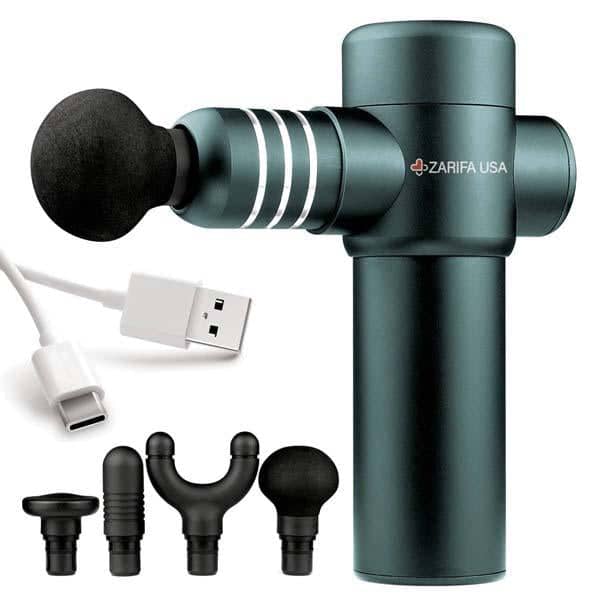
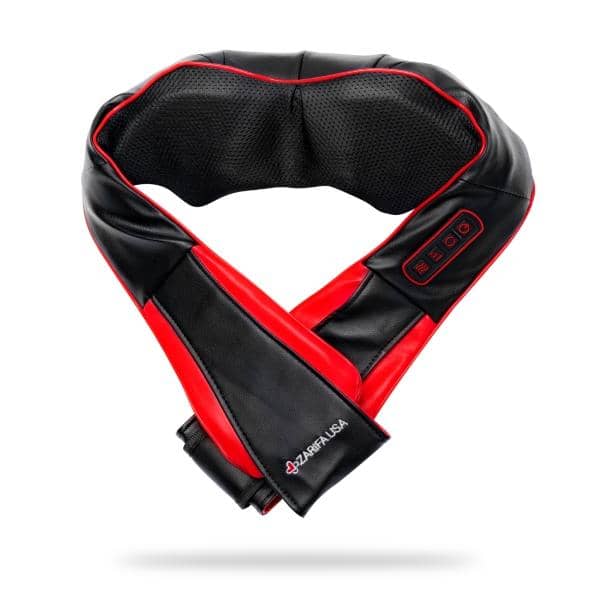
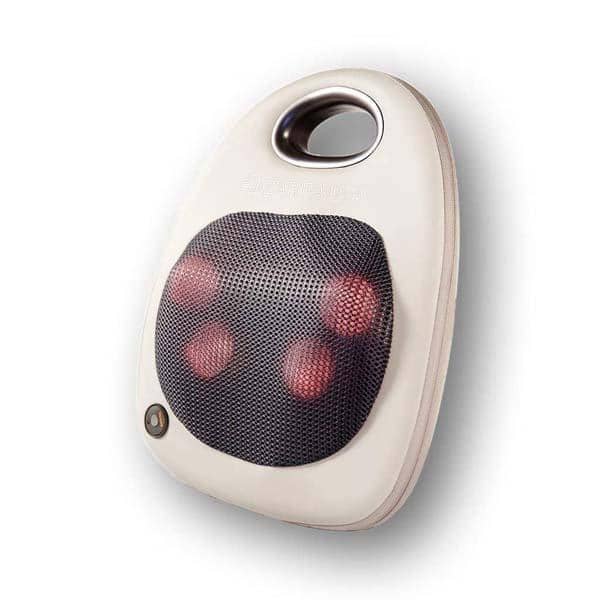
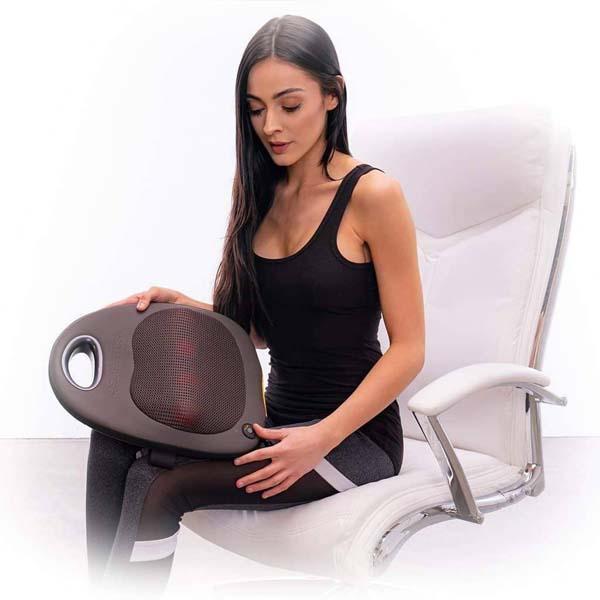
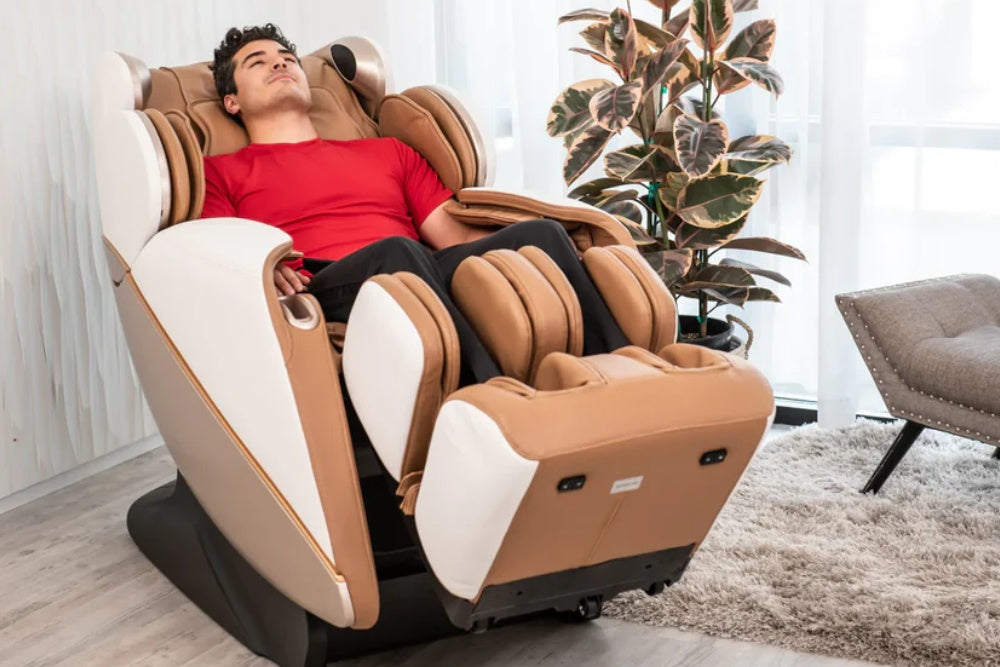
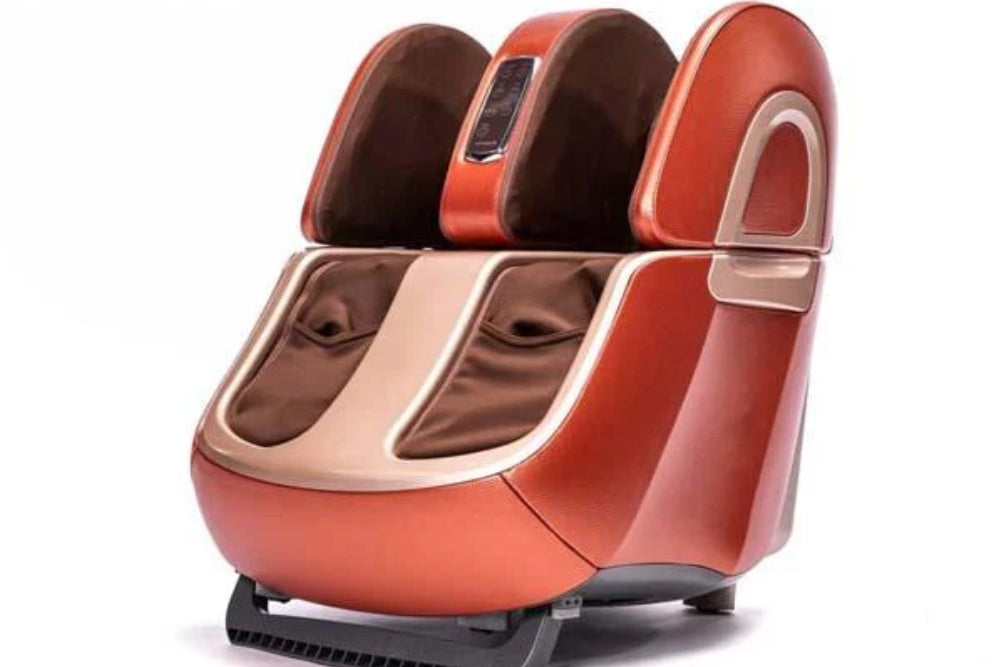
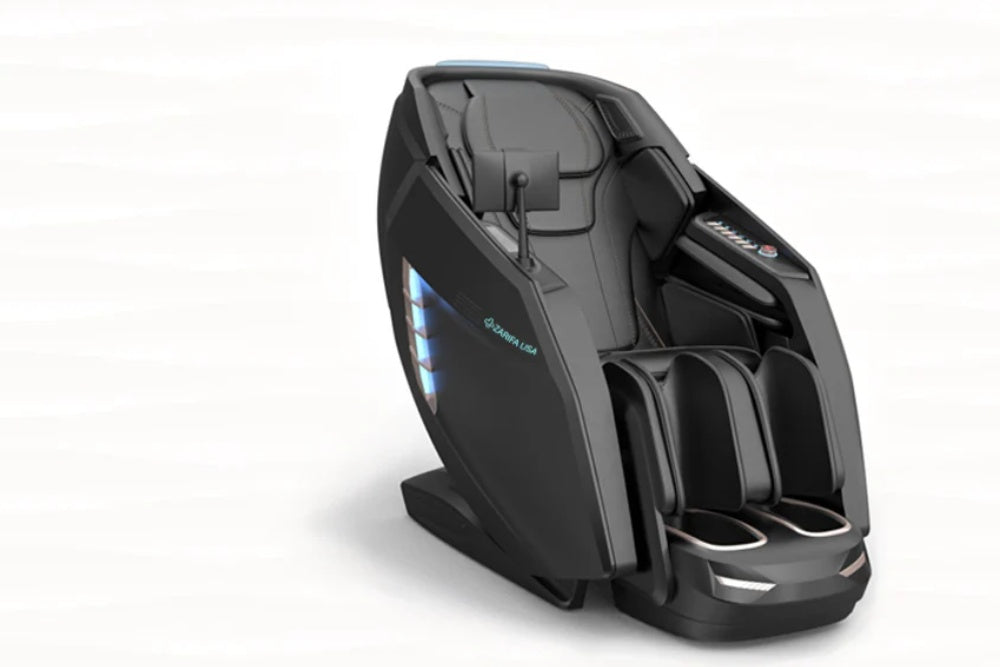
Percussive massage devices, massage chairs, and targeted massage tools can help break up tight muscle fibers and reduce discomfort efficiently. Compared to ongoing visits to a massage therapist, self-massage tools provide a convenient and cost-effective solution that can be used regularly at home.
Another effective option for managing muscle knot discomfort is TENS therapy, which uses gentle electrical stimulation to relax muscles and block pain signals. TENS units are often used alongside massage tools to enhance recovery and pain relief.
When to Seek Professional Care
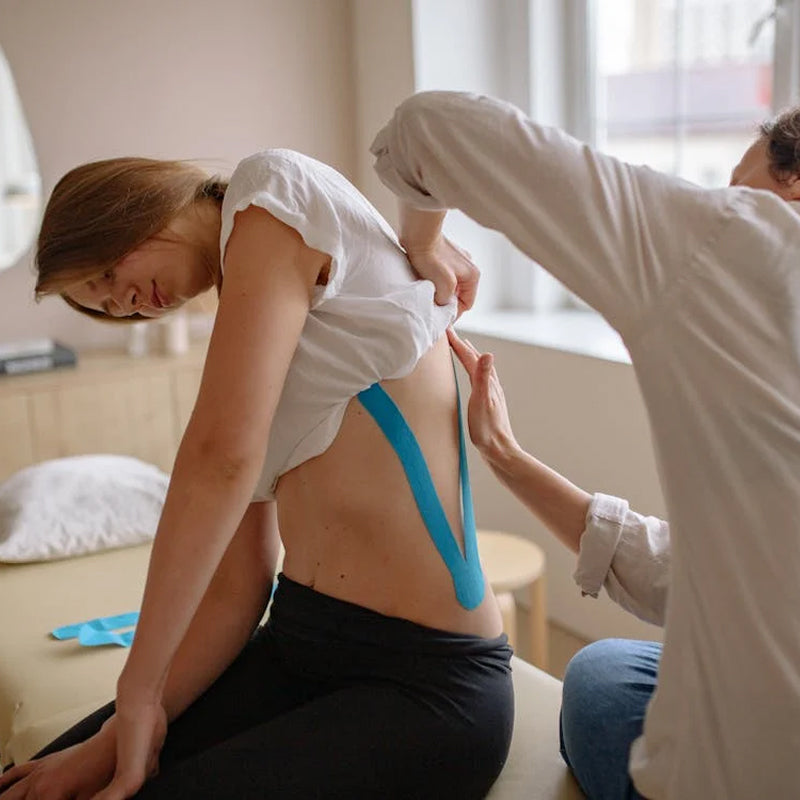
If muscle knots persist despite consistent self-care, or if pain becomes chronic, it is important to consult a healthcare professional. A physician, physical therapist, or licensed massage therapist can help determine whether myofascial pain syndrome or another condition is contributing to the discomfort and recommend an appropriate treatment plan.
Take Control of Muscle Knot Pain Starting Today
Muscle knots do not have to control your comfort, mobility, or quality of life. With the right approach, consistent recovery habits, and effective trigger point therapy, lasting relief is possible. At Zarifa USA, we focus on practical, science informed solutions designed to help target stubborn muscle tension, improve circulation, and support long term muscle health. Our approach empowers you to manage discomfort at home while supporting your overall wellness goals.
If muscle knots are disrupting your daily routine or recovery, we invite you to take the next step and schedule a consultation with our team to explore solutions tailored to your needs.