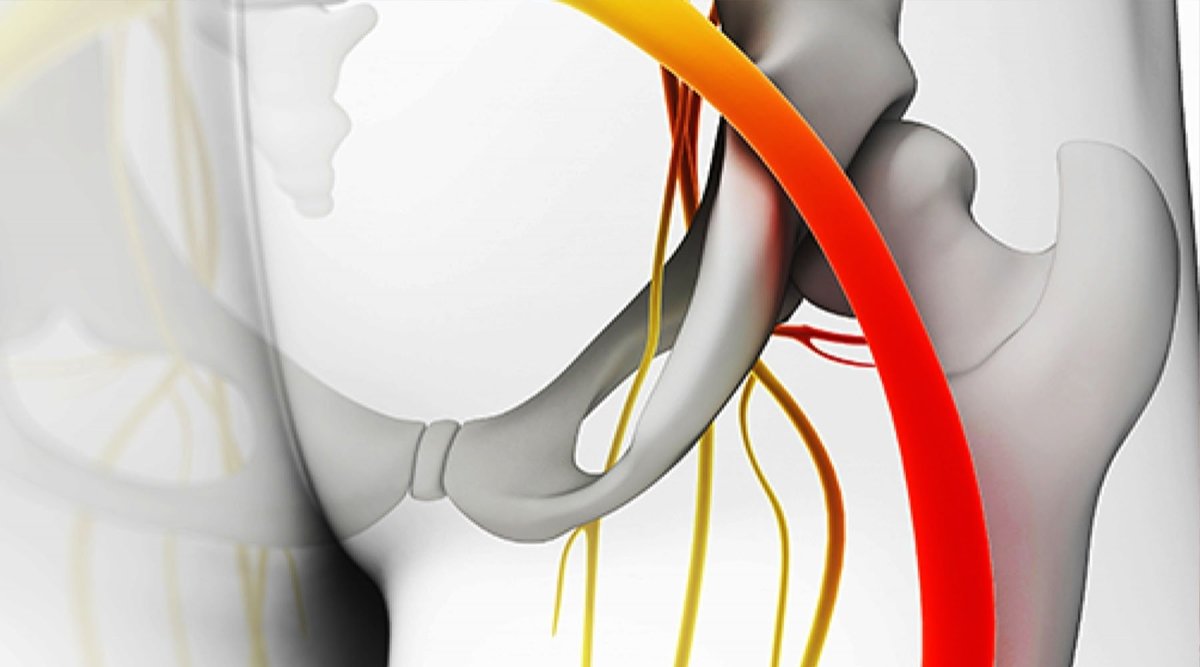
If you suffer from sciatica, the TENS unit therapy can help you reduce pain and get you back to your life. Sciatica is a nerve-related condition that can cause potentially debilitating pain. Transcutaneous electrical nerve stimulation or TENS unit for sciatica pain provides non-invasive therapy for this chronic pain condition and it’s yielding some impressive results. In this article, we will explain what TENS therapy is, how it works, and who can benefit from it. We will also provide guidance on proper TENS unit placement for sciatica if you already own a device and want to use it effectively to relieve pain.
How Long to Use TENS Unit for Sciatica Pain?
Chronic pain is no joke, but if someone told you a TENS machine could relieve that pain, would you laugh? It turns out that there is such a thing, but it’s not quite the same as an electric shock you might receive from faulty wiring. TENS therapy for sciatica uses a low-voltage electrical current delivered through two electrodes placed on the skin, usually with adhesive patches. This current helps interrupt or block the nerve signals responsible for sciatica pain, providing relief without the risks of invasive treatments.
To understand how a TENS unit can help relieve sciatic pain, it’s important to first look at what causes sciatica.
What is sciatica?
The sciatic nerve begins in the lower back, where it branches off and goes down each buttock, hip, and thigh. It branches again at the knees and continues to the feet. The sciatic nerve is the longest and largest in the body and, at its thickest, is as large around as a finger. Certain conditions, such as a herniated disc or spinal stenosis, can irritate and inflame the sciatic nerve, triggering sciatic pain. When this happens, the nerve sends pain signals that can range from mild discomfort to severe, debilitating pain.
Sciatica discomfort may begin as numbness or tingling in the buttock or upper thigh, but it often worsens with time.
The discomfort might increase to pain, and the pain can spread from the buttocks down the back of the thigh. Eventually, this pain can spread down the lower leg until it’s even felt in the toes. Sciatica can also radiate upward, causing discomfort in the lower back. Regardless of where it spreads, sciatica pain is always felt in the back of the thigh and typically affects only one leg.
Traditional treatments for sciatica pain relief
During a flare-up of sciatica, or a period of acutely increased pain, some rest might be beneficial to relieve sciatica pain. As soon as possible, though, a normal, active daily routine should be resumed. Over the long term, too much rest can actually worsen sciatica pain. Regular exercise is highly effective both for preventing sciatica and for managing existing symptoms. That said, if the pain becomes severe or debilitating, exercise may not be feasible until the discomfort is reduced.
Medications are often recommended for sciatica pain. However, the most effective oral medications are usually opioids, which carry a heavy risk of dependency. Injections, such as a sciatic nerve block, can provide substantial relief. Although these injections are less invasive than corrective surgery, they still carry potential risks, including infection or bleeding.
Another therapy, called transcutaneous electrical nerve stimulation (TENS), can provide a totally non-invasive alternative.
Understanding Transcutaneous Electrical Nerve Stimulation (TENS)
Transcutaneous Electrical Nerve Stimulation (TENS) is a non-invasive, non-pharmacological method for pain relief that leverages electrical impulses to stimulate nerve cells and block pain signals to the brain. TENS units are compact, portable devices that deliver these electrical currents through adhesive pads known as electrodes, which are placed on the skin near the pain area. One of the key advantages of TENS therapy is its adjustability; you can customize the intensity, frequency, and duration of the electrical impulses to meet your specific needs and comfort level.
TENS therapy is commonly used to relieve a wide range of pain, including chronic pain, acute pain, and discomfort resulting from injuries, surgeries, or medical conditions such as sciatica. The therapy is grounded in the gate control theory of pain, which posits that the brain can only process a limited amount of pain signals at any given time. By stimulating nerve cells with electrical impulses, TENS units can effectively block these pain signals, thereby reducing the perception of pain.
How Does a TENS Unit for Sciatica Work?
A TENS unit for sciatica works by delivering electrical impulses to the affected area, which helps to block pain signals and reduce inflammation. These impulses stimulate nerve cells, encouraging the release of endorphins, the body’s natural pain-relieving chemicals. This dual effect can help alleviate pain, ease muscle spasms, and improve overall mobility.
When using a TENS unit for sciatica, proper electrode placement is crucial. The electrodes should be positioned on either side of the spine at the level of the pain, but never directly on the spine or over areas with metal implants. The intensity and frequency of the electrical impulses can be adjusted to suit your comfort and individual needs, making TENS therapy a highly customizable and user-friendly treatment option.
Choosing the Right TENS Unit for Sciatica
Selecting the right TENS unit for sciatica can feel overwhelming given the myriad of options available. Here are some key factors to consider:
- Adjustable Intensity:Choose a TENS unit that allows you to easily adjust the intensity of the electrical impulses to match your comfort and pain relief needs.
- Frequency:Look for a unit that offers multiple frequency settings to help you find the most effective setting for your pain.
- Flexible Electrode Placement:Select a TENS unit that offers versatile electrode placement options to ensure accurate positioning on the affected area.
- Portability: A portable and easy-to-use TENS unit allows you to take your pain relief on the go.
- Trusted Brand:Opt for a reputable brand known for high-quality TENS devices and reliable customer support.
Safety Precautions and Risks
While TENS units are generally safe and effective, it’s important to be aware of certain safety precautions and risks:
- Keep the TENS unit away from water and avoid using it in humid environments.
- Do not place electrodes on broken, irritated, or inflamed skin.
- Refrain from using a TENS unit on areas with metal implants or pacemakers.
- If you have epilepsy or heart problems, consult a healthcare provider before use.
- Pregnant or breastfeeding women should also seek medical advice before using a TENS unit.
Always follow the manufacturer’s instructions and guidelines when using a TENS unit, and consult with a healthcare provider if you have any concerns or questions.
TENS Unit Placement and Settings
Proper placement and settings of the TENS unit are crucial for effective pain relief. Here are some tips to get the most out of your TENS therapy:
- Position the electrodes on either side of the spine where the pain is located.
- Use multiple electrodes to cover a larger area if needed.
- Adjust the intensity and frequency of the electrical impulses to match your comfort level.
- Begin with low settings and gradually increase as needed.
- Use the TENS unit for 15 to 30 minutes per session, taking breaks between sessions.
When to Seek Professional Advice
While TENS units can be an effective method for pain relief, there are certain situations where professional advice is essential:
- Individuals with a pacemaker or metal implants.
- Those with epilepsy or certain heart conditions.
- If you are pregnant or breastfeeding.
- If you have a history of cancer or are undergoing chemotherapy.
- Anyone who experiences adverse effects or discomfort while using the TENS unit.
Consult with a healthcare provider before using a TENS unit, especially if you have any underlying medical conditions or concerns.
How does transcutaneous electrical nerve stimulation for sciatica work?
There are a couple of different theories on how the TENS unit for sciatica works to provide sciatica pain relief. Understanding the various sciatica pain symptoms can help in determining the most effective use of a TENS unit. The first is that the electrical current from the tens machine interrupts or fully blocks the nerve signals that indicate pain in the brain. TENS units are highly versatile and can be adjusted to meet individual pain management needs. Another theory proposes that nerve stimulation from the TENS unit encourages the brain to release more endorphins, the body’s natural pain-relieving chemicals, which can override the sensation of pain.
Depending on the level of pain, patients may use their TENS unit for as little as one 30-minute session. Others may need to utilize this therapy for several hours a day. This is an easily customized treatment that has virtually zero side effects.
Side effects that do exist may include skin irritation if electrodes remain in the same place for several days. Individuals with pre-existing heart conditions, those with pacemakers, and pregnant women should consult their doctor before beginning TENS therapy to ensure it is safe for them.
Although literature concerning the effectiveness of TENS unit therapy for sciatica is somewhat inconsistent, most medical professionals agree that the outcome is generally positive. Approximately 70% to 80% of patients experience pain relief during their initial use of the TENS unit for sciatica. This success rate may decrease to 20% to 30% after several months. However, when initial pain relief allows patients to begin gentle exercises, such as walking or stretching, TENS therapy can contribute to long-lasting improvement and sustained pain reduction.
The initial settings for TENS unit therapy are usually determined by a professional, such as a physical therapist or physician. Before using a TENS unit at home, it is important to learn from your provider how to safely adjust the settings. This allows you to experiment with different amplitudes, pulse widths, and pulse rates to determine what is most effective for your specific needs.
Experience drug-free relief from sciatica pain today with a TENS unit. Consult a healthcare professional and take the first step toward improved mobility and comfort.