In this article
Zarifa buying guide · Choosing your first format
A foot massager and a massage cushion can both belong in a seated routine, but they make different demands on the space you already have. Start with where you want the massage contact, then look at what needs to fit on the seat or on the floor in front of it.
The key answer
Choose the contact area before the feature list. A dedicated foot massager is the closer starting point for your feet. A supported massage cushion is the closer starting point for back contact. Then check the actual arrangement: the foot unit needs suitable floor placement and a comfortable seated leg position; the cushion needs a stable supporting seat and a position that brings its massage heads to the intended area.
Start with the part of your sitting routine you want to change
Picture one specific place you would use the device: the reading chair after dinner, for example, rather than “somewhere in the living room.” Now separate the contact you want from the features that sound appealing. Heat, rollers and vibration can appear in different products, but shared feature names do not make those products interchangeable.
Feet first
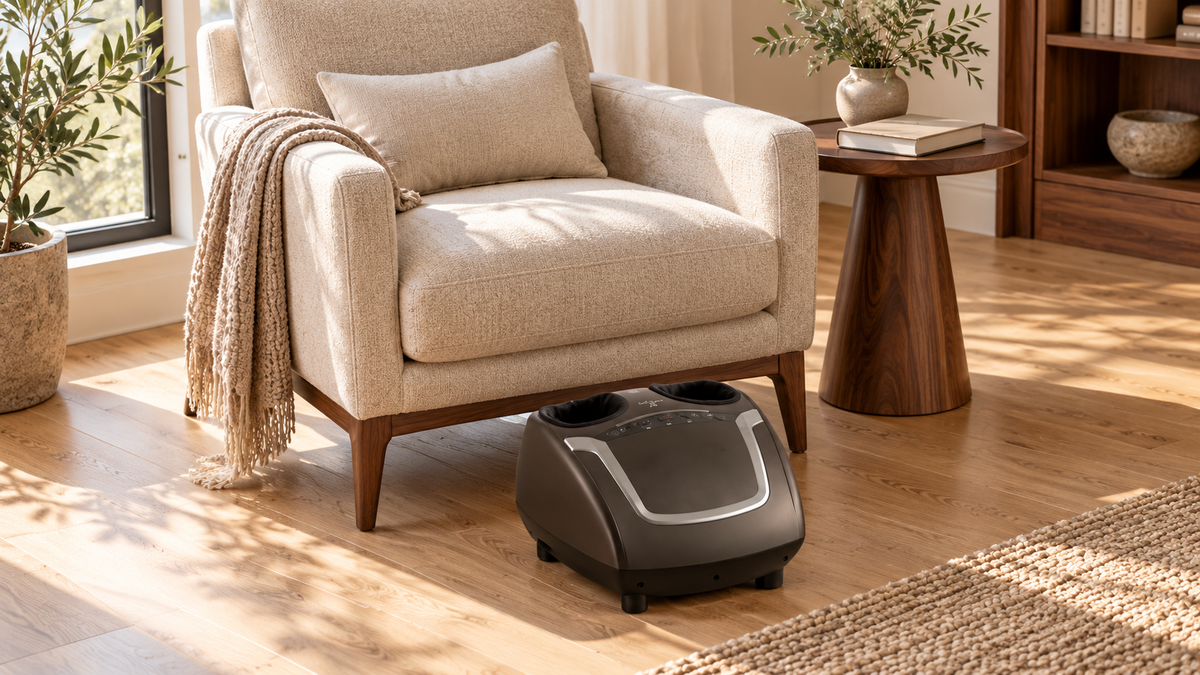
If your priority is contact around your feet while seated, investigate the foot format first. Check foot fit and the position of the unit in front of your seat.
Back first
If your priority is a massage surface behind your back, investigate the cushion format first. Its support and contact depend on the seat you pair it with.
Interested in both?
Choose which area matters for the first purchase. Comparing one routine at a time is more useful than treating the products as substitutes for each other.
This is a choice of format, not a ranking of which device has the most settings. A feature-rich cushion still does not provide the enclosed foot contact of a foot massager, and a foot unit does not add a massage surface to your chair back.
A foot massager uses the floor space in front of your seat
Check the space you will actually occupy
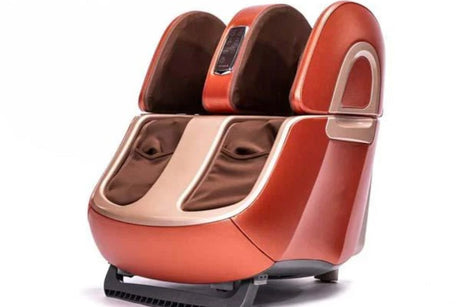
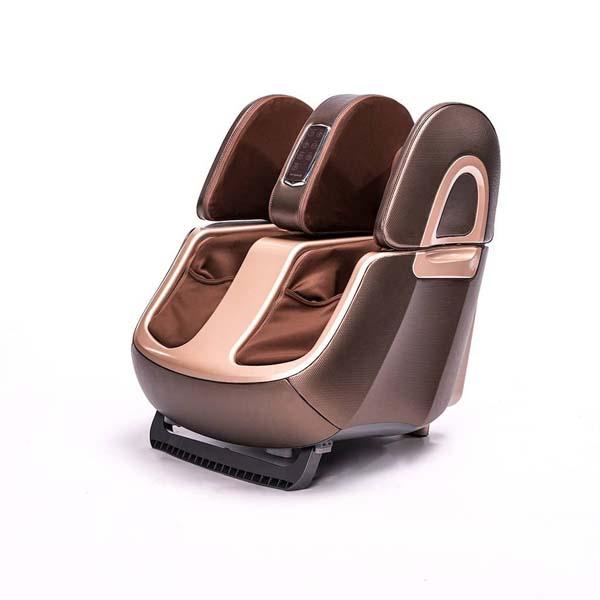
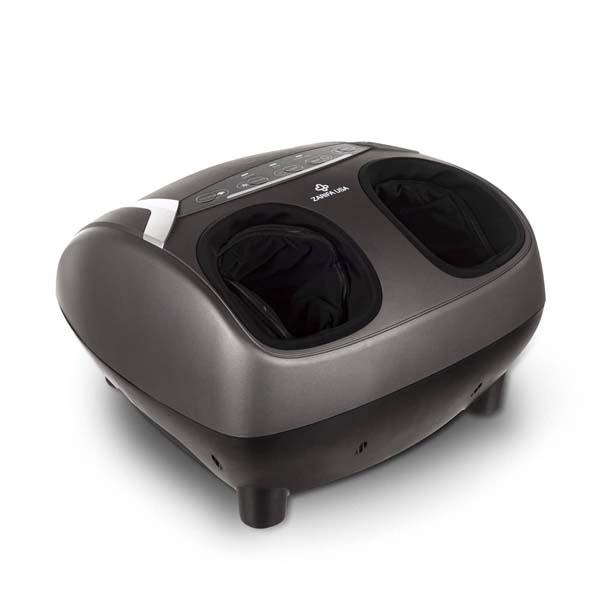
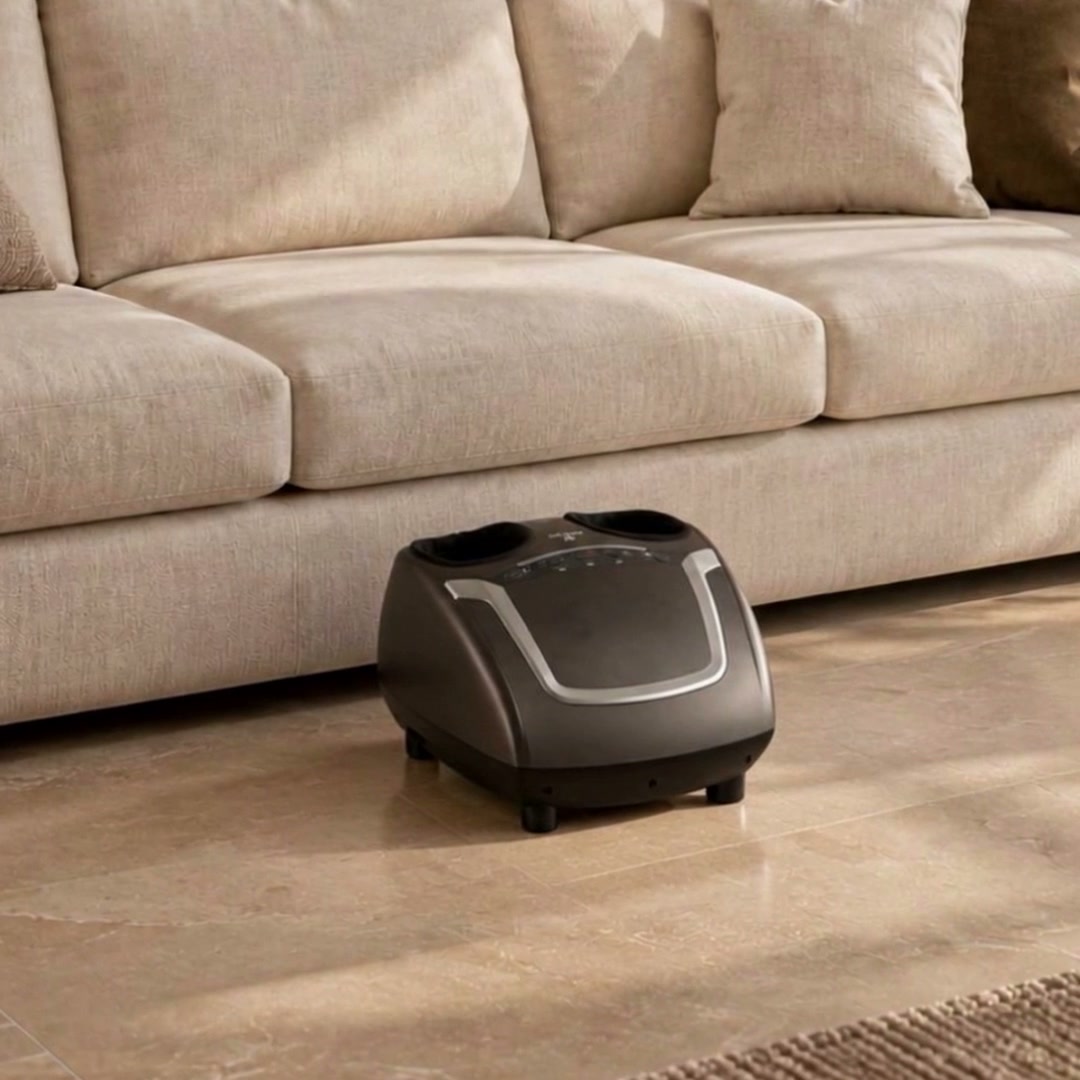
The current Zarifa Foot Massager lists a size of 16 in long × 14 in wide × 10 in high and a weight just under 14 lb. Use that footprint as a starting point for your room check, then consider your seated leg position and the route for getting up.
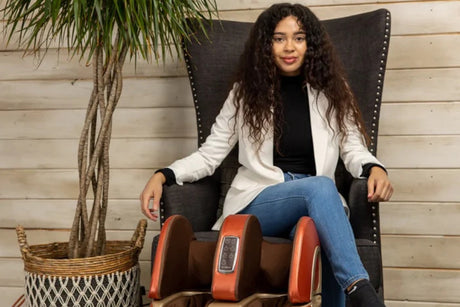
A rectangle that fits between the sofa and coffee table does not by itself establish comfortable use. Look at where your knees and feet naturally sit, how you would reach the controls, and whether you can place and remove the unit without making the space awkward to navigate.
Foot fit comes before extra functions
The standard model lists US men's sizes 7–13 and combines rollers, air compression, heat and vibration. Those details help narrow an exact model; they do not tell you whether the seated position works in your room. If you are unsure about fit, explain the question to Zarifa before ordering.
Also consider the transition back to normal seating. A foot unit may need to move out of the way when the chair is used for something else. Decide where it will go and whether moving that particular unit is practical for you. “Compact” is not a substitute for checking its actual size and weight.
Continue with our four-feature foot massager buying guide for the detailed intensity, heat, coverage and storage checks. It explains the next model-selection decision without making you compare back cushions at the same time.
A massage cushion becomes part of the seat you already use
The supporting seat is part of the decision
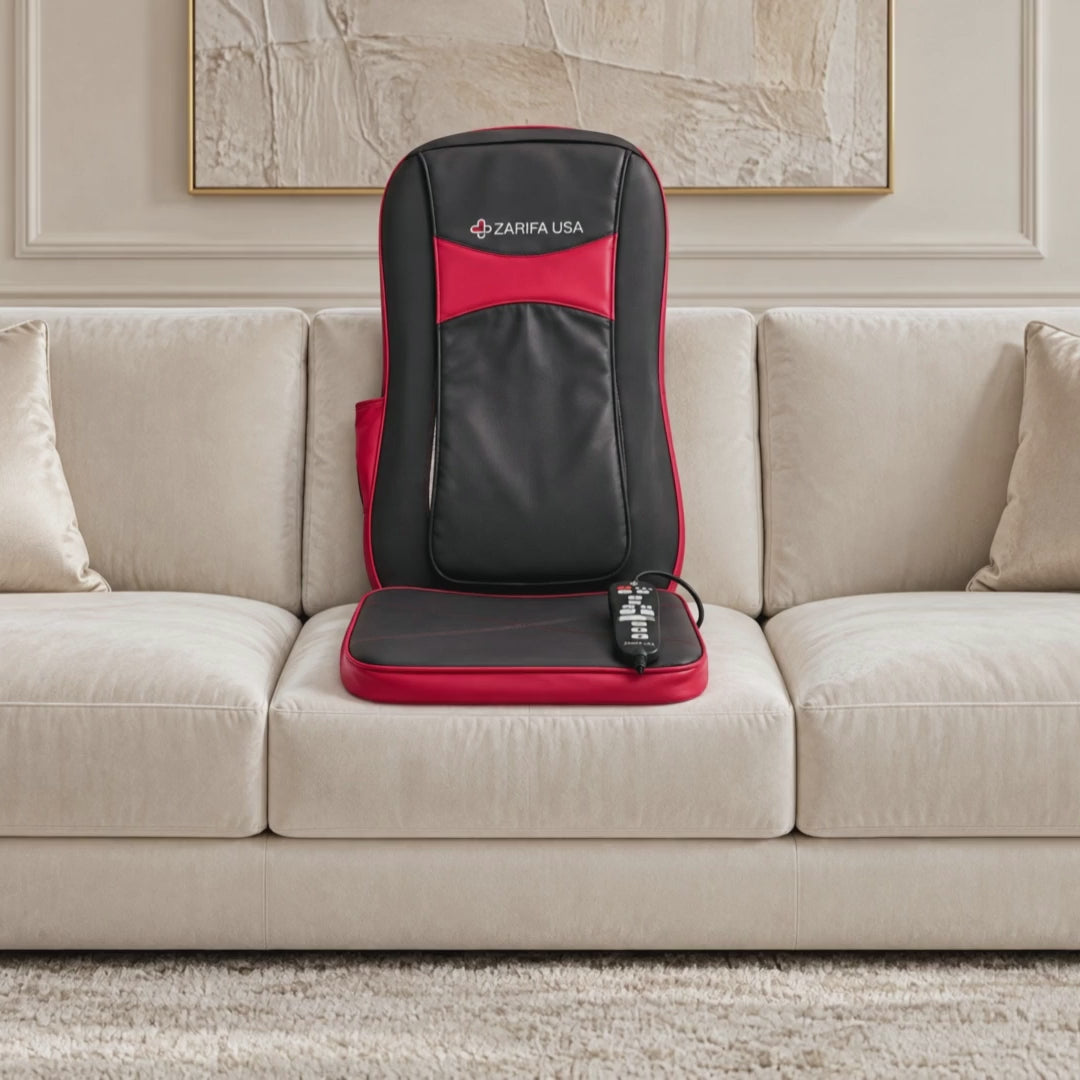
The Zarifa Classic Cushion has four massage heads, spot targeting, heating and vibration in the seat area. The setup manual linked from its product page calls for a stable supporting chair. Treat the cushion and that chair as a combined arrangement when judging fit.
Consider where your back meets the cushion, how the added seat pad changes your seated position, and where your feet rest. A deep sofa, an upright dining chair and a desk chair are different starting points. A product photograph on one seat does not establish compatibility with every other seat.
If you share the seat, think through how it returns to ordinary use. Would the cushion remain in place, or would you remove it each time? Allow a practical place for the cushion, controller and cable; avoid making “portable” the only reason for choosing it.
When asking about fit, send the exact seat description and a photograph of its back and seating area. Ask which current model instructions apply and what must be checked in person. The useful question is whether this cushion works with your intended arrangement, rather than whether cushions work on chairs in general.
Compare the consequences for the same sitting space
Use the rows below to narrow the format before choosing controls or accessories. Start with the row that describes your priority. If the contact area matches but the placement remains uncertain, the next step is a fit question rather than an immediate purchase.
| Your situation | Foot format | Supported cushion | Decision to carry forward |
|---|---|---|---|
| You want contact around your feet. | Matches the contact area to investigate. | Back and seat features answer a different need. | Shortlist a foot model; verify foot fit and seated placement. |
| You want massage contact behind your back. | Leaves that area outside the device. | Matches the contact area to investigate. | Check the cushion with the actual supporting seat. |
| You want to keep the seat back unchanged. | The device occupies floor space in front. | The back section changes the surface you sit against. | Separate the contact you want from the seating arrangement you want to keep. |
| The floor in front of the seat is crowded. | Placement and access need resolving before use. | Requires seat compatibility; floor and cable access still matter. | Resolve the physical constraint. Do not swap categories if that loses the contact area you wanted. |
| The seat serves several everyday purposes. | Plan the unit's movement and floor storage. | Plan whether the cushion stays or comes off. | Choose a setup you can manage between sessions, or ask about another arrangement. |
For example, limited floor space does not automatically make a cushion the right purchase for someone who wants foot contact. It means the foot setup needs a different position or further advice. Equally, a free patch of floor does not make a foot device a substitute for the back contact another person wants.
Explore the current foot massager range if the floor-based foot format fits your goal, or review the Classic Cushion if supported back contact is the priority. Keep current prices, availability and detailed specifications with those product pages.
Foot massager or cushion: common questions
Does choosing a cushion mean I do not need any floor space?
No. The cushion sits on a supporting seat, but you still need a comfortable position for your feet and a sensible place for the controller and cable. Check the whole arrangement, not just where the massage heads sit.
Can I choose by whichever product offers heat?
Heat is one function, not a way to select the contact area. Both examples here offer heating, but they place massage contact in different locations. Choose the format first, then check how the exact model's heat is operated.
Does a daily routine mean leaving the device running while I sit?
No. Follow the exact model's instructions for setup, session limits, breaks and shutdown. This comparison is a buying decision, not an operating schedule. If a health condition or injury raises a suitability question, consult a healthcare professional before use.
Can I check the arrangement before buying online?
Ask Zarifa about the exact device, your intended seat and any unresolved fit question. Confirm whether the product you want can be demonstrated before making a showroom trip; do not assume every model is available to try.
Near Murray, Utah? Use the showroom and consultation page to arrange guidance and check demonstration availability. Elsewhere in the US, request phone or video help with the model and setup, then order online once your format choice and remaining fit questions are clear.