Electrical stimulation has become a widely used, non-drug approach to managing pain and supporting muscle function. Two of the most common forms are Transcutaneous Electrical Nerve Stimulation (TENS) and Electrical Muscle Stimulation (EMS), also called neuromuscular electrical stimulation. Both methods use electrical impulses applied through skin electrodes, yet they serve different purposes. Learning about how each works—and how they can be used together—helps clarify why many modern devices now combine TENS and EMS for more comprehensive pain management and recovery.
What distinguishes TENS from EMS?
TENS therapy primarily targets the nervous system. It sends low-voltage electrical pulses through the skin to interfere with pain signals traveling to the brain while also encouraging the body to release endorphins, which are natural pain-relieving chemicals. This makes TENS especially useful for conditions such as chronic back pain, arthritis, sciatica, fibromyalgia, and nerve-related discomfort.
EMS, by contrast, focuses on muscles rather than nerves. Instead of blocking pain signals, EMS triggers controlled muscle contractions through electrical stimulation. These contractions can help reduce muscle spasms, improve blood circulation, support muscle activation, and assist recovery after injury or intense physical activity. EMS is commonly used in rehabilitation, physical therapy, and athletic training.
Many single-function devices on the market use only TENS or only EMS. While TENS alone can help manage pain, and EMS alone can support muscle function, each method addresses only one side of the problem. Devices that combine TENS and EMS offer a broader approach by working on both nerves and muscles simultaneously.
How a TENS Unit Works
A TENS unit delivers small electrical pulses through adhesive electrodes placed on the skin. These pulses stimulate sensory nerves, which helps reduce the perception of pain by disrupting pain signals before they reach the brain. At the same time, TENS encourages the release of endorphins, which naturally lower pain sensitivity.
Most TENS units are safe for daily use and can be applied to multiple areas of the body, including the lower back, shoulders, knees, and neck. The sensation feels like a mild tingling rather than pain. Because TENS does not involve medication, it is often used as part of a non-pharmaceutical pain management plan.
How to Use a TENS Unit Effectively
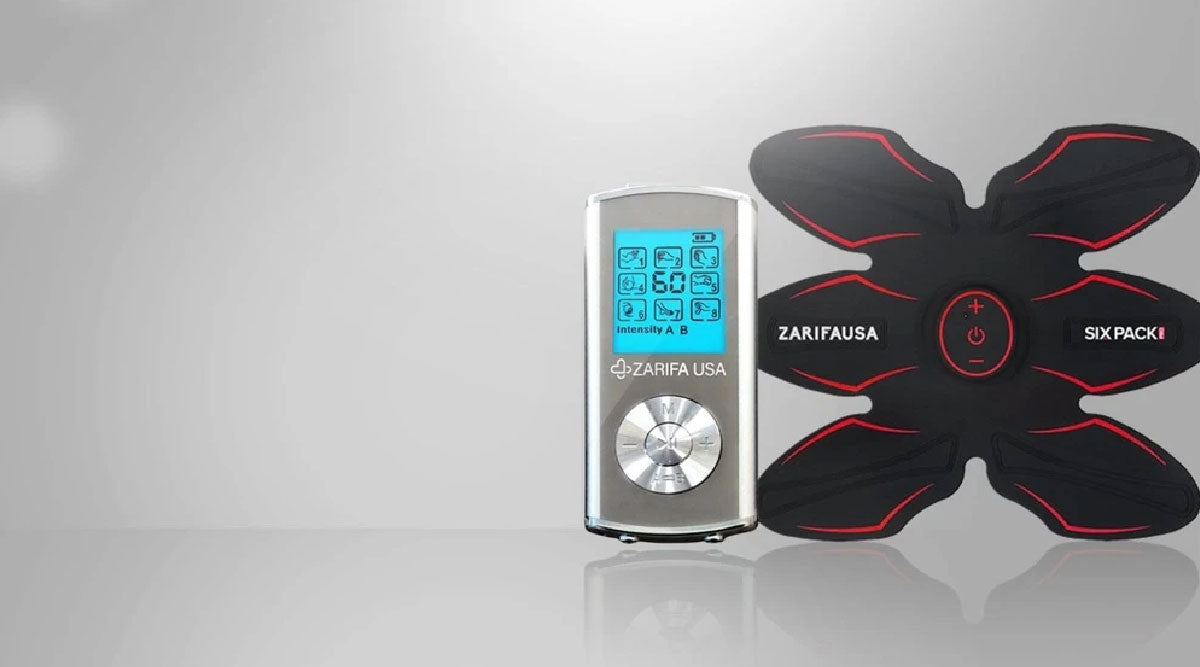
In general, TENS units are fairly simple to master. You'll need to adhere electrodes to clean, dry skin around the painful area. Fortunately, you don't need to limit your use of a TENS unit to home use. While there are models that work best when you're at home, or at least when you have some privacy, the Zarifa TENS and EMS Wireless unit is designed for you to take with you to provide discreet pain relief so you can get through your day no matter where the day takes you.
Next, you'll choose your desired intensity. You can adjust the intensity as you go. We recommend starting at a lower intensity and working up to higher intensity during your session until you find a level that's comfortable for you and provides pain relief. Many people find that they get pain relief on the lowest level of intensity, while others need to use a higher level of intensity to get the full benefits. Everybody is different, so with the different levels to figure out what works best for your specific pain.
Some TENS devices allow users to adjust frequency. Once you have the electrodes attached and have selected your desired intensity, you'll choose a frequency. In TENS units, frequency refers to how many electrical pulses are sent to your body per second.
If you have acute pain, you may want to choose high-frequency pulses, which range from 80 – 120 cycles per second. Chronic pain sufferers may find more relief with a low frequency, which ranges from 1 – 20 cycles per second. At lower levels, the electric stimulation encourages your body to release endorphins, which are your own natural pain-killing hormones, at a high rate. The result is fast, natural pain relief.
Our TENS/EMS unit combines TENS therapy with EMS therapy to deliver massage modes that you can customize depending on your level of pain and the type of relief you need on any given day. You'll simply choose your mode, sit back, and enjoy the soothing sensations of combined TENS and EMS pain relief that targets both your nerves and your muscles.
TENS unit benefits:
Following are the common benefits of using a TENS unit in various health conditions:
- The primary advantage of this machine is nerve stimulation to block the pain signals from reaching the brain resulting in a reduced sensation of chronic or acute pain.
- It enhances overall blood circulation within the body.
- The TENS unit is found to help improve sleep patterns.
- Using a TENS unit can also help patients suffering from nerve damage to retrain nerves.
- With the proper usage of this device, patients can also reduce inflammation caused deep within the muscles.
What Is Electrical Muscle Stimulation (EMS)
EMS delivers electrical impulses that cause muscles to contract in a controlled manner. These contractions can help relax muscle spasms, increase local circulation, and support muscle recovery. In rehabilitation settings, EMS is frequently used to help patients regain strength after injury, surgery, or prolonged inactivity.
Unlike TENS, which focuses on pain relief, EMS works more like exercise for the muscles. It can help activate muscles that are difficult to engage due to pain, weakness, or limited mobility. This makes EMS particularly useful for athletes, physical therapy patients, and individuals recovering from musculoskeletal injuries.
Possible Side Effects of EMS
Unlike harmful stimulants, like steroids, there are no damaging or life-threatening side effects of EMS therapy. Some side effects that some patients have noted include skin irritation at the electrode application site, headaches (usually when the unit is applied near the neck or head area), and painful muscles when the unit is used on an atrophied muscle or afflicted joint. In some cases, patients have noted feeling pain when they put the electrode on a muscle that's prone to muscle spasms.
Overuse can lead to muscle fatigue, so it is best to alternate treatment areas rather than stimulating the same muscle repeatedly for long periods. Following manufacturer guidelines helps minimize discomfort and maximize benefits.
Benefits of EMS Therapy
EMS can help restore muscle activation, improve circulation, and support rehabilitation efforts. Physical therapists often use EMS alongside traditional exercises to enhance muscle strength, reduce stiffness, and accelerate recovery after injury.
Even individuals without specific injuries can benefit from EMS. Office workers, manual laborers, and athletes frequently use EMS to relieve muscle tightness, reduce soreness, and support recovery after long workdays or workouts.
What about muscle toning and weight loss? Getting a six-pack without going to the gym sounds like a crazy dream, but it's actually been proven that muscle stimulators can reduce the amount of fat on your waistline and turn that fat into muscle when used over time. For instance, Zarifa's Six-Pack Pro stimulates muscles in your abdomen to help you get those six-pack abs you've always dreamed of without taking harmful stimulants or spending hours at the gym. This product is a safe and proven-effective way to stimulate those hard-to-workout abdominal muscles every day. Make sure to follow the product's directions and limit your use to one area per day. Overusing the Six-Pack Pro could result in muscle fatigue.
How to Use an EMS Muscle Stimulator
Using an EMS device involves placing electrodes over the targeted muscles and selecting an appropriate intensity level. Stimulation should cause visible muscle contractions without causing pain. Many users rotate electrode placement throughout the day to avoid overworking a single muscle group.
Combination TENS/EMS devices allow users to switch between pain relief and muscle stimulation modes, making it easier to address both nerve pain and muscle tension with one device.
Benefits of Combining TENS and EMS
Using TENS and EMS together offers a more complete approach to pain management and recovery. TENS helps reduce pain perception by targeting nerves, while EMS strengthens and relaxes muscles through controlled contractions. This dual action can be especially helpful for conditions that involve both nerve pain and muscle dysfunction, such as chronic back pain, sciatica, and post-injury rehabilitation.
Rather than only masking symptoms, combined TENS and EMS therapy supports both immediate relief and longer-term muscle health, making it a practical option for people seeking a non-medication approach to pain management.
For instance, arthritis is a chronic condition that can be debilitating and make it difficult to perform everyday functions and participate in activities you love. EMS and TENS machines can help arthritis patients get pain relief naturally. Because our TENS/EMS units are safe enough to use every day, they're ideal for arthritis sufferers who want long-lasting pain relief without relying on prescription medication.
Take Control of Your Pain Relief Today
With the right approach to pain management, you do not have to rely on medication or simply endure discomfort. TENS and EMS technology work together to support your body by easing nerve pain, relaxing tight muscles, and improving circulation so you can move, work, and rest more comfortably. If you are ready for a smarter, non-invasive way to manage pain and support recovery, our combined TENS and EMS solutions can help you make that shift.
Explore Zarifa USA’s TENS and EMS devices to experience targeted, convenient, and effective pain relief designed to fit into your daily life.