Regular exercise has countless benefits for the human body. Not only does it enhance your physical strength, but it also improves your brain functioning and heart health. In fact, numerous scientific studies support the role of exercise in preventing long-term illnesses.
From diabetes and obesity to osteoporosis and high blood fracture, exercise significantly reduces the risk of common health problems. Your body experiences wear and tear as you grow older. These degenerative changes also affect your bones and joints.
Contrary to popular belief, exercise is highly beneficial for managing the symptoms of joint health disorders. Most people with arthritis think that engaging in physical activity causes joints to ache. However, studies have proven that moderate exercise is completely safe for joints, both in overweight and older folks.
In this article, we will discuss how your joints can benefit from resistance training and low-impact aerobics. We will also take a look at the various studies that support these claims. But before that, let’s see why joints need exercise for their optimum performance.
Why Do Joints Need Physical Activity?
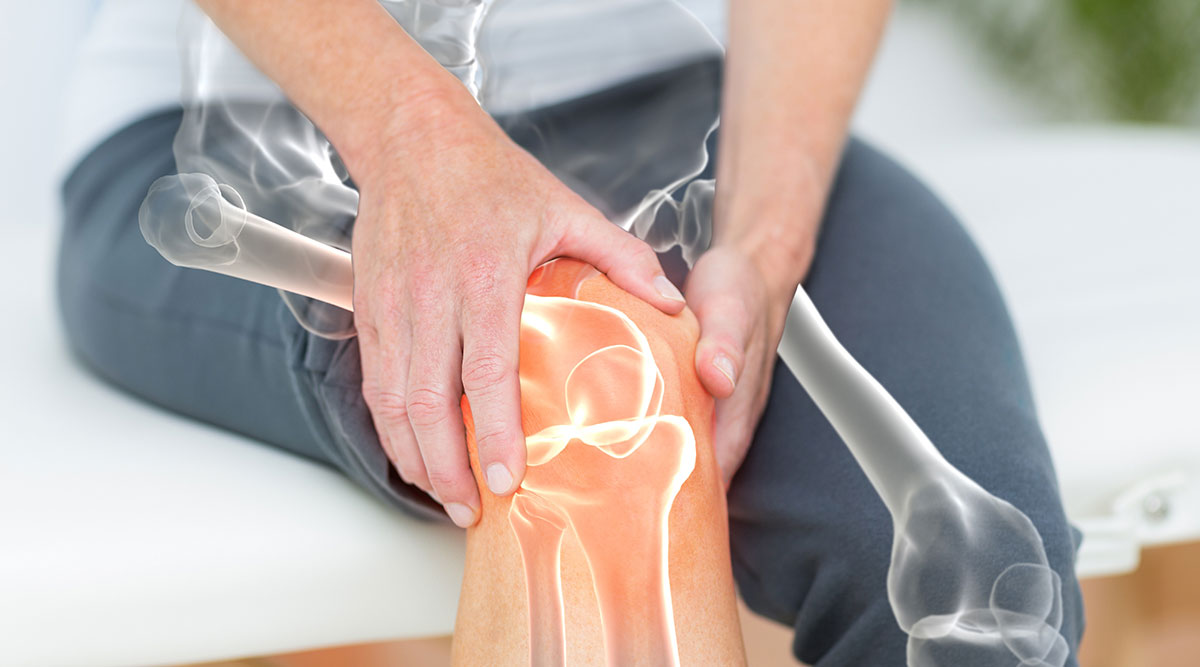
Like all other systems of your body, joints can benefit from exercise. Joints serve as the physical connection between your bones. They facilitate movement and link bones to muscles through tendons and ligaments.
Think of your joints as mechanical cogs. If they undergo any sort of movement over time, they are more likely to stop functioning. Exercise helps keep your joints lubricated and fight off any inflammation or pain. It ensures a balance between strength and flexibility.
All you have to do is wear a pair of comfortable shoes and stick to a regular exercise plan. Here are a few scientifically-proven benefits of exercise for joint health.

Benefits of Exercise for Joint Health
-
Increases Blood Flow In Joints :
Exercise causes your heart to pump with greater force. When the different muscles of your body undergo rapid contraction and extension, they require more nutrients to do their job. Thus, the blood flow through them increases and also passes through your joints.
According to a systematic review of several studies, there is a direct relationship between the intensity of exercise and the rate of blood flow through contracting muscles. Increased blood flow ensures that an adequate supply of all the essential nutrients is available to your muscles joints. -
Enhances The Circulation Of Synovial Fluid :
Your joints are covered by a soft layer of connective tissue, also called the synovial membrane. This membrane produces the synovial fluid that fills the joint cavity. That is why it plays a vital role in the lubrication of the joint.
What’s more, the absence or deficiency of synovial fluid restricts your range of motion and causes pain in your joints. A growing body of preventive medicine researchers believes that exercise encourages the smooth circulation of synovial fluid. It allows the ends of your bones to slide smoothly over each other. -
Improves Joint Flexibility :
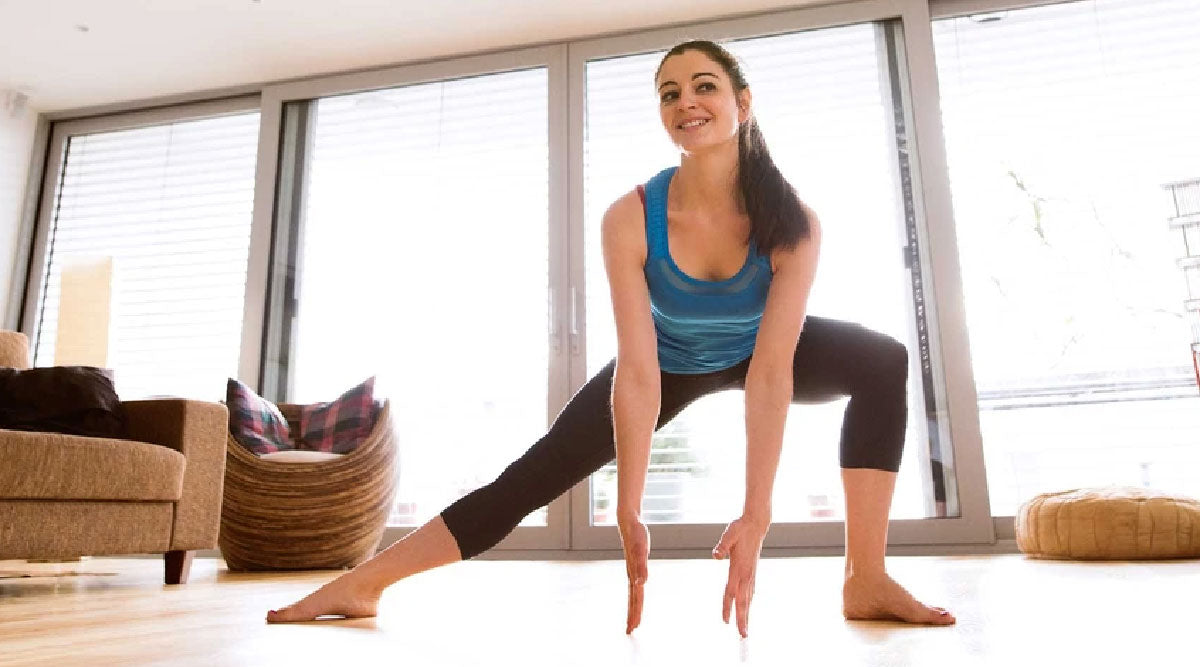
Sticking to a sedentary lifestyle with little or no physical activity at all can cause stiffness in your joints. Stiff joints can restrict your movement and make simple chores painful. However, light stretching exercises provide an excellent solution to this problem.
Engaging in low-impact physical activity on a regular basis can significantly improve your joint flexibility. Try to stick to a mild exercise such as yoga to maintain the normal functioning of your joints. -
Nourishes Your Joints :
Another reason why exercise is great for your joints is that it maintains a steady supply of nutrients and oxygen. When you exercise, your joints experience a physical force. This force compresses the joint cavity and forces the water molecules out of the cartilage.
When you rest, the force acting on your joints disappears. Water molecules return and bring oxygen and vital nutrients that your joints need to carry out movements. -
Rebuilds Damaged Cartilage :
Although scientists haven’t yet validated the role of genes in joint repair, recent research suggests that joint movement activates the genes that toughen up and rebuild any damaged cartilage. Not just that, regular exercise also strengthens the ligaments and tendons surrounding your joints.
Adding a light exercise to your everyday routine will allow you to enjoy the full range of mobility. But keep in mind that engaging in high-intensity workouts can lead to the opposite effect. -
Removes Cellular Waste :
You may be aware of the fact that exercise triggers a degenerative process called autophagy. Your body actively spends energy to break down the damaged cells in your joints. The products of autophagy are then expelled from the body.
Moreover, exercise enhances various metabolic processes in your body. It protects your joints from any harmful toxins and maintains their integrity. -
Strengthens Muscle Tissue :
Last but not least, exercise strengthens the muscles and connective tissues associated with the joint. These tissues act as braces and support your joints during body movements. That is why stronger surrounding tissues mean a lower risk of joint fractures and dislocations.
How Can Massage Chairs Help?
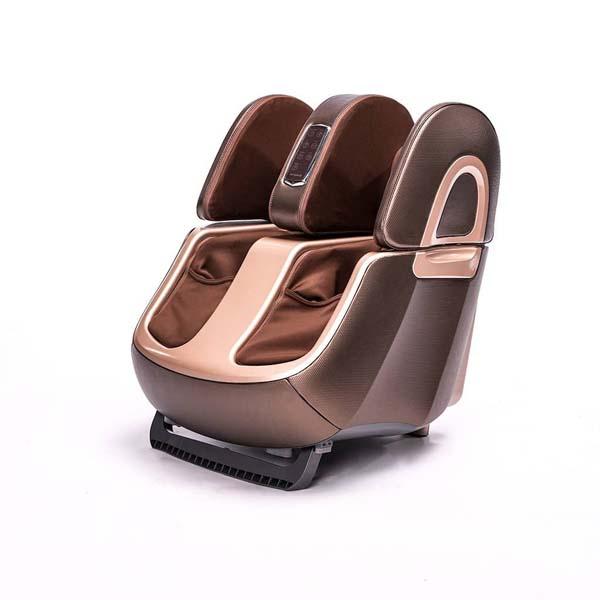
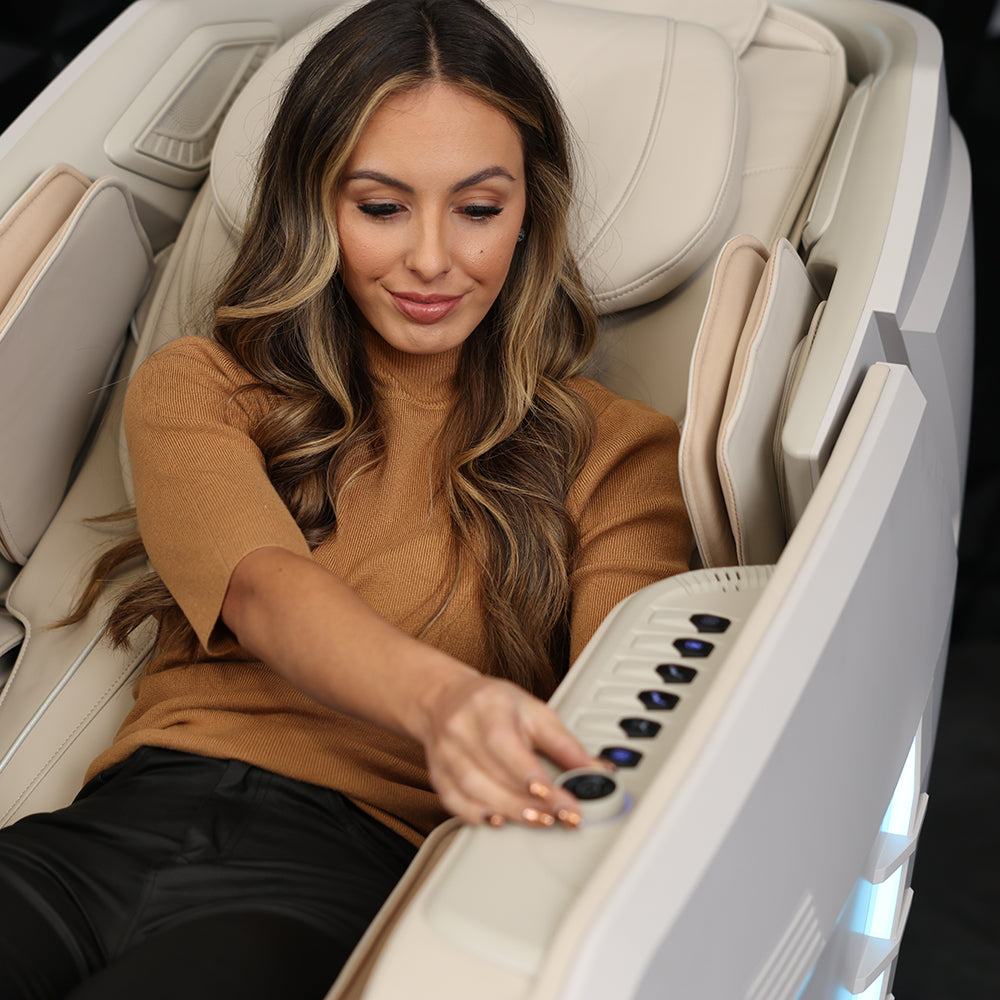
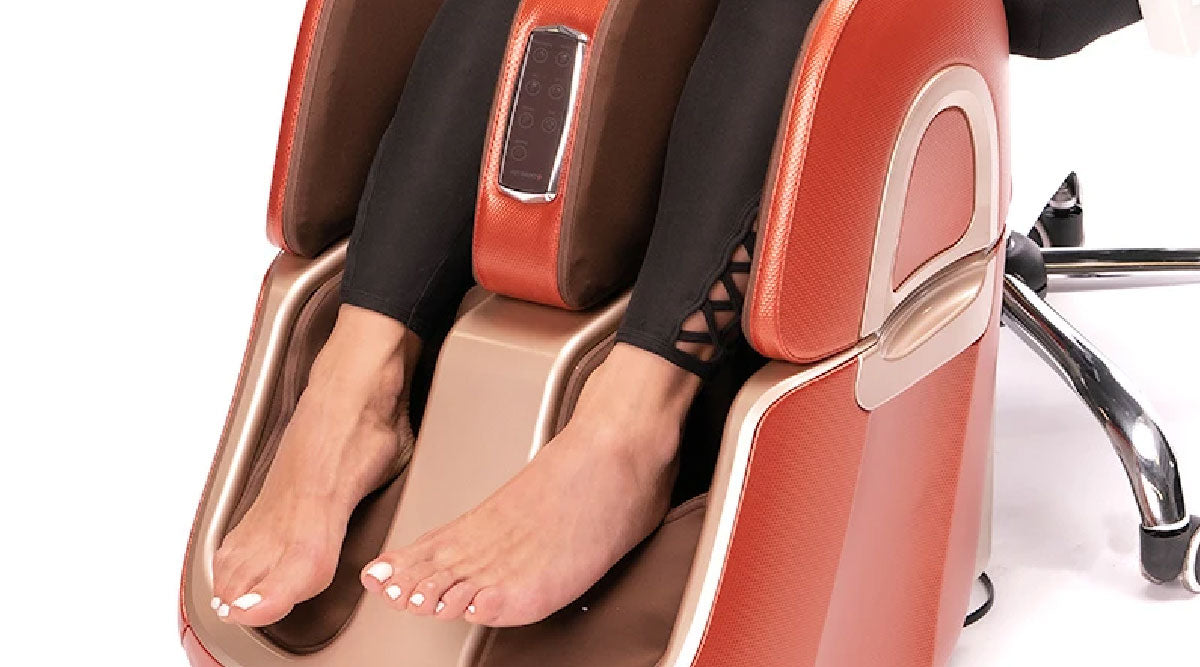
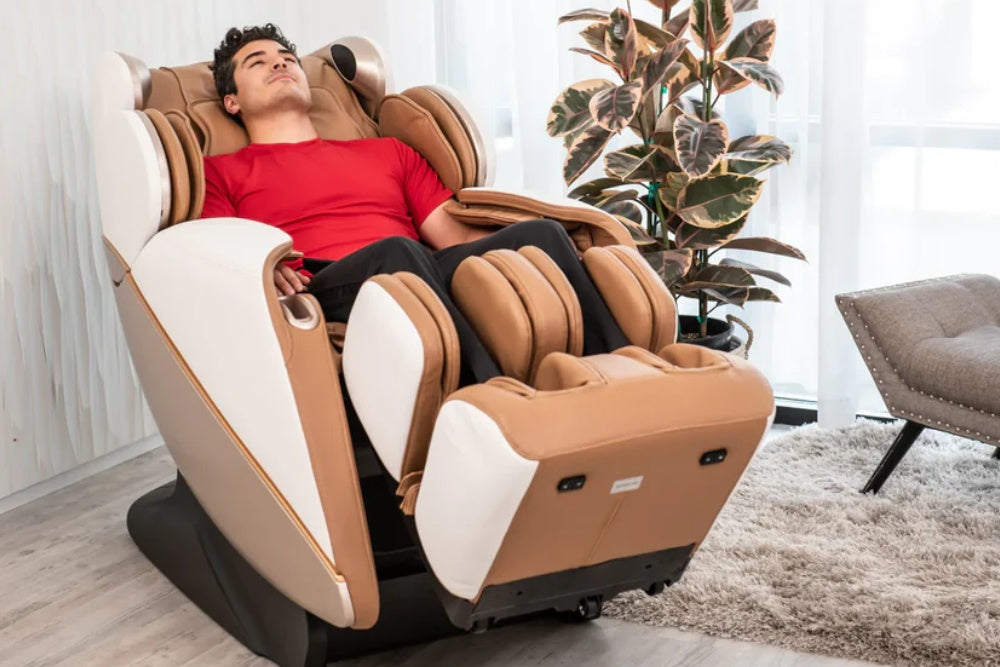
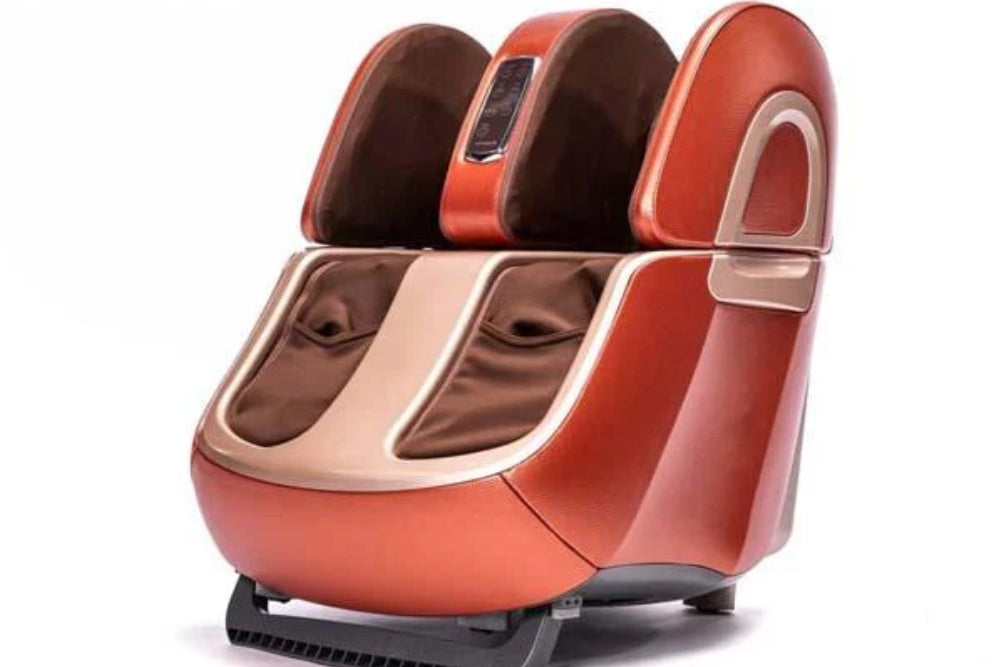
Massage chairs can do wonders for your joint health. Recent advancements in technology have taken treatment procedures and facilities to a whole new level. You can now buy a massage chair that targets specific joints and muscle groups.
Isn’t that incredible? Massage chairs are the perfect solution for people who have a hectic work routine. They enhance your blood circulation and mobilize every joint in your body. All you have to do is take some time and sit in the chair.
Furthermore, diet plays a crucial role in your joint health. Try to add citrus fruits and leafy green vegetables to your everyday meals. Taking nutrient supplements can also help build more robust and agile joints.
The Bottom Line
If you are a healthy person planning to strengthen your joints, start making small changes to your lifestyle. Go for a walk in the morning or join a local gym.
If you are an arthritis patient, you should contact your physiotherapist and get an individualized workout plan that caters to all your needs. Your physiotherapist will carefully evaluate your condition and recommend low-impact stretching exercises accordingly.
In short, it’s better to take care of your joints during the early years of your life. Otherwise, you may develop painful joint health disorders as you grow older.