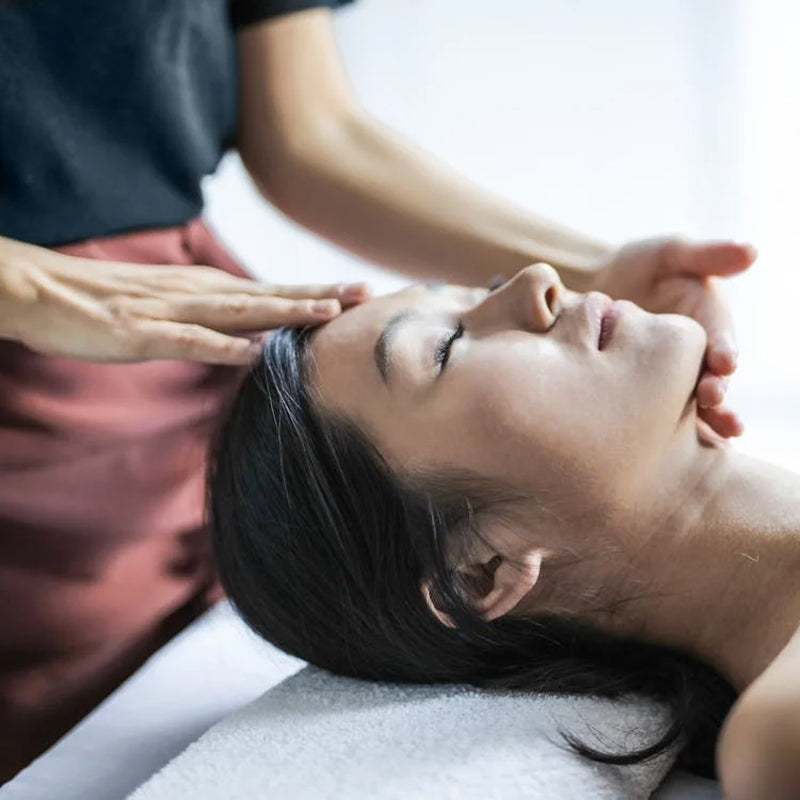
Feeling sore after a massage? You’re not alone. Soreness from massage is common and usually indicates that the treatment was effective. In this article, we will explain why soreness occurs, share tips to ease discomfort, and guide you on when it might be necessary to consult a healthcare professional.
Key Takeaways
- Soreness after a massage is typically normal and indicates effective muscle manipulation, similar to the soreness felt after a workout.
- Preventing post-massage sorenesscan be achieved by staying hydrated, communicating with your therapist about preferences, and starting with lighter pressure if you’re new to massage.
- Using techniques such as heat or cold therapy, gentle stretching, and Epsom salt baths can help reduce post-massage discomfort and support faster recovery.
Why Do You Feel Sore After a Massage?
Feeling sore after a massage can be surprising and sometimes worrying, but it often indicates that the massage is working effectively. The discomfort stems from the manipulation of soft tissues, leading to microscopic tears in muscle fibers. Similar to intense exercise, these tears trigger an inflammatory response that aids in muscle repair and strengthening.
Increased blood flow to the affected areas also contributes to soreness. Deep tissue massage improves circulation, bringing oxygen and nutrients to support muscle recovery, but it may cause temporary inflammation and discomfort. This soreness is a sign that your body is healing and adapting to the pressure applied during the massage.
The Role of Deep Tissue Massage
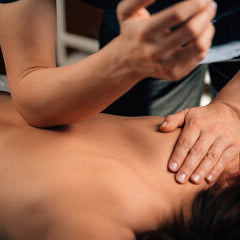
Deep tissue massage helps relieve chronic muscle tension and pain but can sometimes cause noticeable soreness because of the intense pressure applied to deeper muscle layers, which can create tiny microscopic damage. The resulting soreness often resembles the muscle pain experienced after a strenuous workout, known as delayed onset muscle soreness (DOMS).
Benefits like reduced muscle tension, increased blood flow, and enhanced flexibility come with temporary discomfort. With regular sessions, your body adapts, soreness decreases over time, and you can experience lasting relief from chronic pain and tight muscles.
Delayed Onset Muscle Soreness (DOMS)
Delayed onset muscle soreness (DOMS) commonly occurs 24 to 48 hours after intense physical activity or a deep tissue massage. It results from the body’s inflammatory response to microscopic muscle damage, essential for muscle repair and growth. While the soreness can be uncomfortable, it generally indicates that your muscles are adapting and becoming stronger.
The symptoms of DOMS can include muscle stiffness, tenderness, and a reduced range of motion. While this soreness can last for a few days, it usually decreases as your muscles recover and become stronger. Knowing about DOMS can help you better anticipate and manage post-massage soreness.
Is Soreness After a Massage Normal?
Experiencing soreness after a massage is normal and often indicates effectiveness. This mild discomfort is a natural reaction to the manipulation of muscles and soft tissues, similar to the sensations you might feel after an intense workout. Post-massage soreness generally comes in two forms: acute onset soreness, which happens right after the massage, and delayed onset muscle soreness (DOMS), which develops 24 to 48 hours later.
Minor reactions like skin redness and mild soreness are common and not harmful. Like after intense physical activity, your body needs time to recover from deep tissue manipulation, leading to temporary discomfort.
When to Be Concerned
Although mild soreness after a massage is normal, severe pain or noticeable swelling may signal a more serious problem that requires medical attention. Additionally, symptoms such as numbness or tingling are warning signs, and you should consult a healthcare professional, as they could point to underlying issues.
If soreness continues for more than a few days or comes with symptoms such as fever or nausea, you should consult a healthcare professional. Persistent or severe pain during or after a massage may indicate improper technique or an underlying medical issue.
Communicate any concerns with your massage therapist to ensure your safety and well-being.
How to Prevent Post-Massage Soreness
Some soreness after a massage is normal, but there are ways to minimize discomfort. Staying well hydrated helps your body remove toxins and metabolic waste, which can lessen soreness. Eating nutritious meals before and after your massage also supports muscle recovery and helps reduce inflammation.
For newcomers to massage therapy or those with sensitive muscles, starting with a lighter touch can prevent excessive soreness. Gentle stretching post-massage can also alleviate muscle pain and promote relaxation, helping you enjoy the benefits without undue discomfort.
Communicate with Your Massage Therapist
Effective communication with your massage therapist ensures a comfortable and effective session. Be honest about your pain tolerance and your preferred level of pressure so the therapist can customize the massage to your needs. Providing details about past injuries, medical history, allergies, and any recent illnesses can help prevent unnecessary soreness and ensure a safe experience.
Providing feedback during the massage is essential. If you feel discomfort or the pressure is too much pressure, inform your therapist immediately. This allows them to adjust techniques and ensure the massage is both beneficial and comfortable.
Hydration and Nutrition
Staying well-hydrated before and after a massage minimizes soreness. Proper hydration aids in flushing out toxins and metabolic waste, which helps decrease inflammation and discomfort. Drinking water, herbal teas, or electrolyte-rich beverages such as coconut water keeps muscles flexible and supports faster healing.
Maintaining good nutrition is also important. A balanced diet rich in nutrients supports muscle recovery and reduces post-massage discomfort. Avoiding alcohol and caffeine before and after your massage can further minimize soreness and promote well-being.
Effective Ways to Relieve Muscle Soreness
Managing muscle soreness after a massage can improve both your comfort and recovery. Methods such as heat or cold therapy, gentle stretching, and Epsom salt baths can help relieve soreness while promoting relaxation and supporting muscle recovery.
Drinking plenty of water and doing gentle stretches after a massage can help reduce soreness and improve flexibility. Using self-massage techniques can also relieve muscle knots and trigger points that may appear after your session.
Incorporating these strategies ensures a smoother and more comfortable recovery.
Hot Bath or Shower
Heat therapy effectively relaxes muscles and promotes blood flow after a massage. A warm bath or hot shower can provide soothing relief by dilating blood vessels, increasing circulation, and helping reduce inflammation. It is best to wait at least an hour after your massage before using heat, and heat therapy can be especially helpful up to 48 hours after your session.
Adding Epsom salts to your bath enhances relaxation and reduces muscle soreness. Made of magnesium sulfate, these salts aid in muscle relaxation and help reduce inflammation. Soaking in a warm bath with Epsom salts for 15 to 20 minutes rejuvenates and soothes sore muscles, promoting recovery.
Cold Therapy
Cold therapy effectively reduces inflammation and relieves pain post-massage. Applying an ice pack or cold compress to sore areas can numb the muscles and ease discomfort. Be sure to wrap the ice pack in a towel or cloth to protect your skin and apply it for 10 to 15 minutes at a time.
Repeating cold therapy sessions optimizes its beneficial effects on muscle soreness. Using ice packs or even frozen vegetables effectively diminishes inflammation and pain. Incorporating cold therapy into your post-massage routine significantly reduces discomfort and promotes faster recovery.
Gentle Stretching
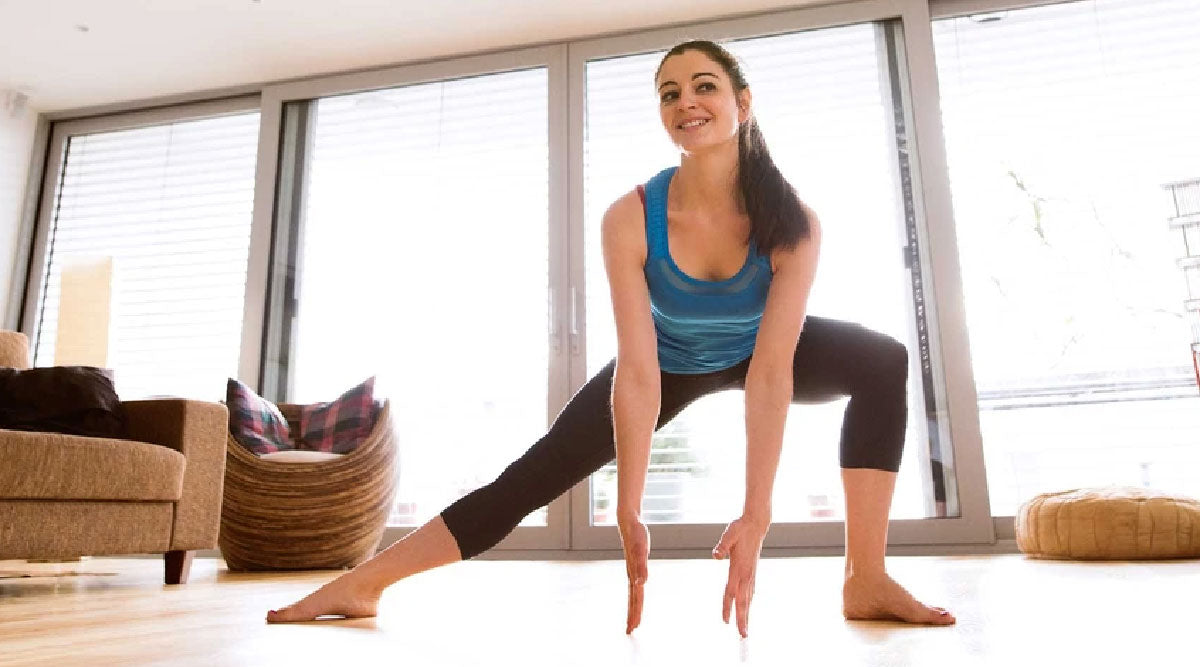
Gentle stretching alleviates post-massage soreness and improves flexibility. Concentrate on slow, controlled movements to prevent overstretching or additional muscle strain. Stretching also boosts blood circulation, eases muscle tightness, and encourages relaxation.
Consider your comfort limits and avoid sudden movements or jerking motions to prevent injury. Incorporating gentle stretching into your post-massage routine increases flexibility and reduces muscle tension, ensuring smoother and more comfortable recovery.
Additional Techniques for Soothing Relief
In addition to heat and cold therapy, other methods such as Epsom salt baths, using essential oils, and gentle exercise can help soothe post-massage soreness and support faster recovery.
Incorporating these techniques into your post-massage routine helps manage soreness more effectively and promotes overall well-being. Whether through a relaxing bath, therapeutic oils, or light physical activity, these methods ensure a smoother and more enjoyable recovery process.
Epsom Salt Baths
Epsom salt baths are a popular and effective method for reducing muscle soreness post-massage. Composed of magnesium sulfate, Epsom salts help relax muscles and reduce inflammation. Adding them to your bath can support muscle recovery and promote overall relaxation.
For the best results, soak in an Epsom salt bath for 15 to 20 minutes. The warm water combined with magnesium sulfate offers soothing relief, making it a great addition to your post-massage recovery routine.
This simple yet effective technique helps you feel more relaxed and significantly reduces muscle soreness to soothe sore muscles and relieve soreness.
Essential Oils and Topical Creams
Essential oils and topical creams can provide targeted relief for sore muscles and support overall recovery. Oils such as peppermint, eucalyptus, and rosemary are known for their calming properties and can help reduce muscle tension and soreness.
Using these oils in self-massage or adding them to your bath promotes relaxation and reduces inflammation. Topical creams with ingredients like arnica and chamomile can be applied to sore areas for additional pain relief and muscle relaxation.
Incorporating these natural remedies enhances the effectiveness of your post-massage recovery.
Light Exercise and Rest
Participating in light exercise, such as walking or gentle yoga, can boost blood flow and support healing after a massage. Gentle movement increases muscle temperature, helping to ease stiffness and soreness. Pair this with sufficient rest to allow your muscles to recover and rebuild effectively.
Balancing light exercise with sufficient rest creates an optimal environment for muscle recovery and reduces lingering soreness. This combination maintains flexibility, reduces muscle tension, and promotes overall relaxation, making it an essential part of your post-massage routine.
Benefits of Deep Tissue Massage Despite Soreness
Although deep tissue massage can cause temporary soreness, its benefits far outweigh the initial discomfort. Many clients experience noticeable pain relief, increased range of motion, better sleep, and even lower blood pressure once the soreness fades. Long-term benefits include improved blood circulation and sustained pain relief.
Regular sessions can lead to sustained relief from chronic pain and muscle tension, making the temporary soreness a small price to pay for the long-term benefits. The tenderness should be mild and typically subsides within a few days, leaving you feeling rejuvenated and more relaxed.
Embracing these benefits can transform your massage session experience and enhance your overall well-being.
Choosing the Right Massage Therapist
Choosing the right massage therapist is crucial to ensuring a beneficial and comfortable massage experience. Be sure to share information about any allergies, past injuries, or areas of concern before your session to help prevent irritation and reduce unnecessary soreness. Researching therapists, including reading reviews from previous clients, can give you confidence that your treatment is in skilled hands.
Look for reviews that mention the therapist’s ability to address specific areas of tension and their approach to handling soreness. This feedback can help you find a therapist whose techniques align with your needs and preferences, reducing the risk of post-massage soreness.
Checking Credentials and Experience
Checking the credentials and experience of a massage therapist is essential to ensure they have the necessary training and expertise. Look for qualifications such as graduation from an accredited program and a valid certification or license. Confirming that they are licensed by your state or local government ensures they meet the legal requirements to practice safely.
Inquiring about the therapist’s professional experience can also provide insights into their skill level and areas of specialization, such as having over 10 years of experience. Client reviews can further help you gauge their expertise and effectiveness, making it easier to choose a therapist who can meet your specific needs.
Specializations and Techniques
Different massage therapists may have specializations that can greatly benefit your specific needs. For instance, a therapist trained in sports massage may be especially effective for athletes. Board certifications and membership in professional organizations can further demonstrate a therapist’s expertise and dedication to their profession.
Choosing a therapist with the right specialization ensures that the massage techniques used will be most effective for your condition and comfort levels. This can help prevent post-massage soreness and enhance the overall effectiveness of your sessions.
Summary
In summary, understanding why you feel sore after a massage and how to manage it can significantly enhance your massage experience. Soreness is a normal response to muscle manipulation and often indicates that your body is healing and adapting. By maintaining open communication with your therapist, staying properly hydrated, and using strategies such as heat or cold therapy, you can reduce discomfort and fully enjoy the long-term benefits of massage therapy.
Despite the temporary soreness, the benefits of deep tissue massage, such as pain relief, improved flexibility, and better overall health, make it a worthwhile experience. Selecting a massage therapist with the right credentials and specialized training ensures that your sessions are both safe and effective. By following these strategies, you can transform post-massage soreness into a stepping stone toward better health and well-being.
Frequently Asked Questions
Is it normal to feel sore after a massage?
Absolutely, it's normal to feel sore after a massage. This soreness often indicates that your muscles are healing and benefiting from the treatment.
How long does post-massage soreness last?
Post-massage soreness typically lasts anywhere from a few hours to a couple of days, depending on the intensity of the massage and how your body responds. Pay attention to your body and allow it time to rest and recover.
What can I do to reduce soreness after a massage?
To reduce soreness after a massage, make sure to stay hydrated, try some gentle stretching, and consider an Epsom salt bath. Heat or cold therapy can also work wonders, so listen to your body and find what feels best for you!
When should I be concerned about post-massage soreness?
If soreness is severe, persists for more than a few days, or is accompanied by swelling, numbness, or fever, it is important to consult a doctor. Your health and well-being should always come first.
How can I choose the right massage therapist?
To find the right massage therapist for you, check their credentials and experience, read reviews from previous clients, and ensure their specializations match your needs. Trust your instincts, your comfort and feeling understood are what matter most.
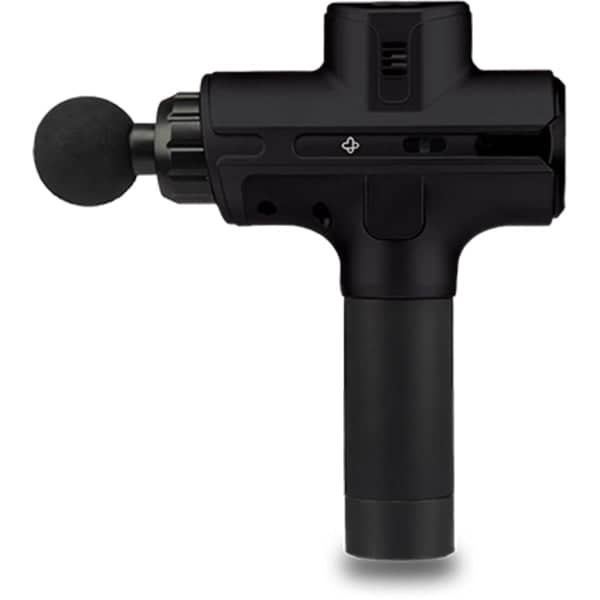
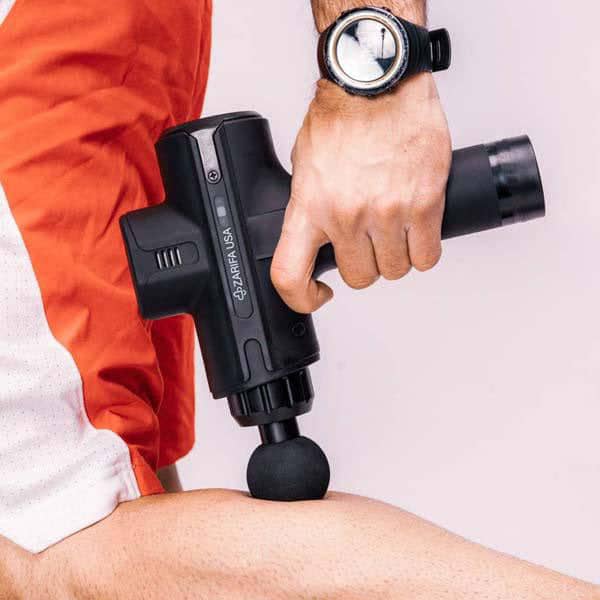
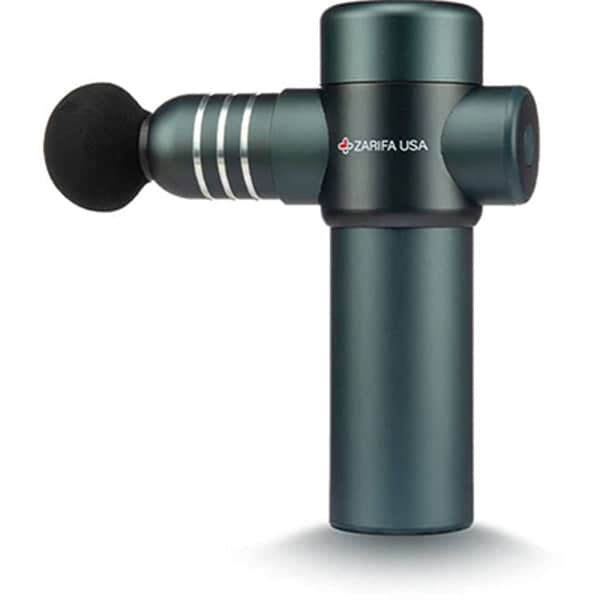
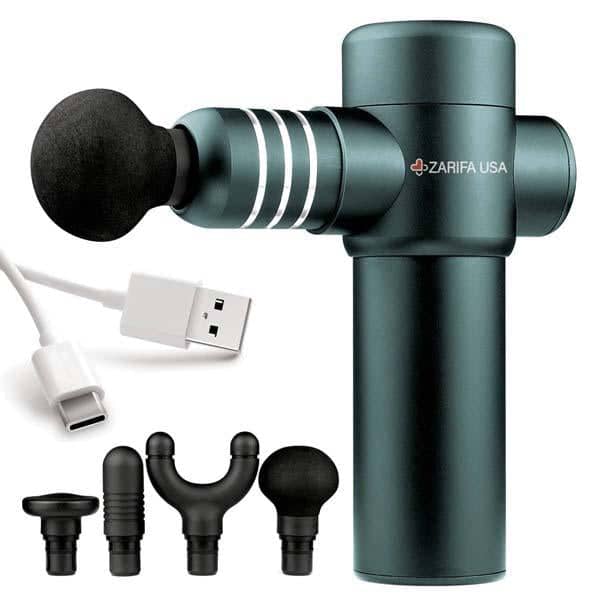
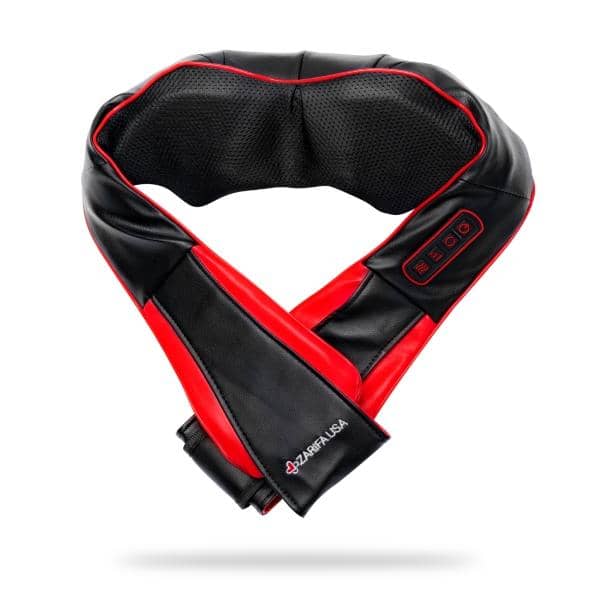
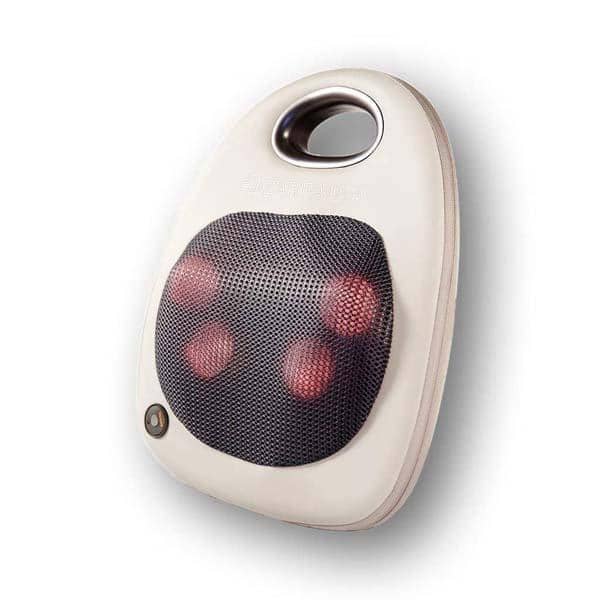
Experience the benefits of massage without the worry of soreness. Explore drug-free relief solutions and expert guidance at Zarifa USA. Start your path to better health today.