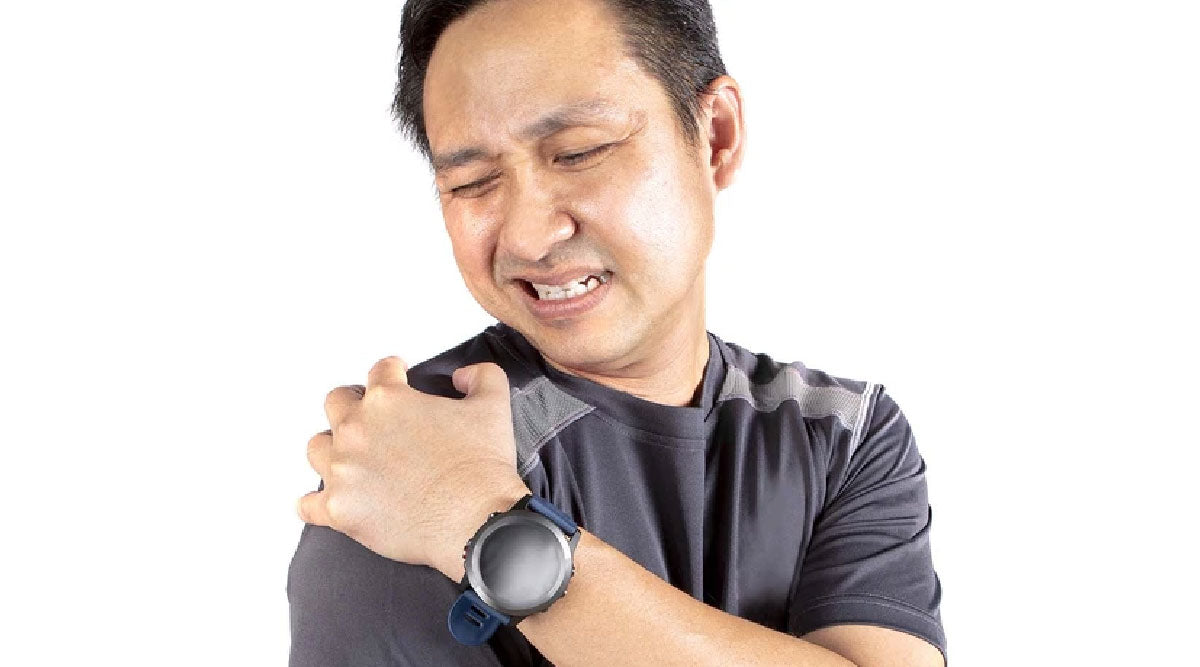
They can come out of nowhere: one moment you’re fine, and the next a spot of painful muscle tension is aching in your shoulder blades.
What Are Muscle Knots
Most commonly referred to as muscle knots, these tender spots may also be called trigger points or myofascial pain. They are an area of overexcited muscle tissue that gets tight, and it can get tight for a number of reasons: repetitive stress, overuse, poor posture, or hard workouts. Essentially, they are a specific localized area where the muscle is not relaxing like it should be. These muscle knots are tense muscle fibers that cause localized pain and discomfort. The tension in the muscle can put pressure on nerves which then results in pain.
The pain may not be limited to the tight muscle itself. Sometimes muscle knots in the upper back, especially around the trapezius and scapular area, can refer up to the ear and head, which could cause headaches.
Muscle knots can appear anywhere, but they often lodge between the shoulder blades and upper back and in the lower leg. Often, it’s a muscle that’s overused or in a bad position. Repetitive motion the most common culprit, whether you’re playing sports or working out (especially if you are using repetitive movements, like rowing or weightlifting), hunched over a computer all day, or working in a physically demanding profession like roofing or painting.
How to Treat and Shoulder Blade Knots
Use heat and ice to treat the knot. You can alternate between heat and ice packs or choose the one that to bring you more relief.
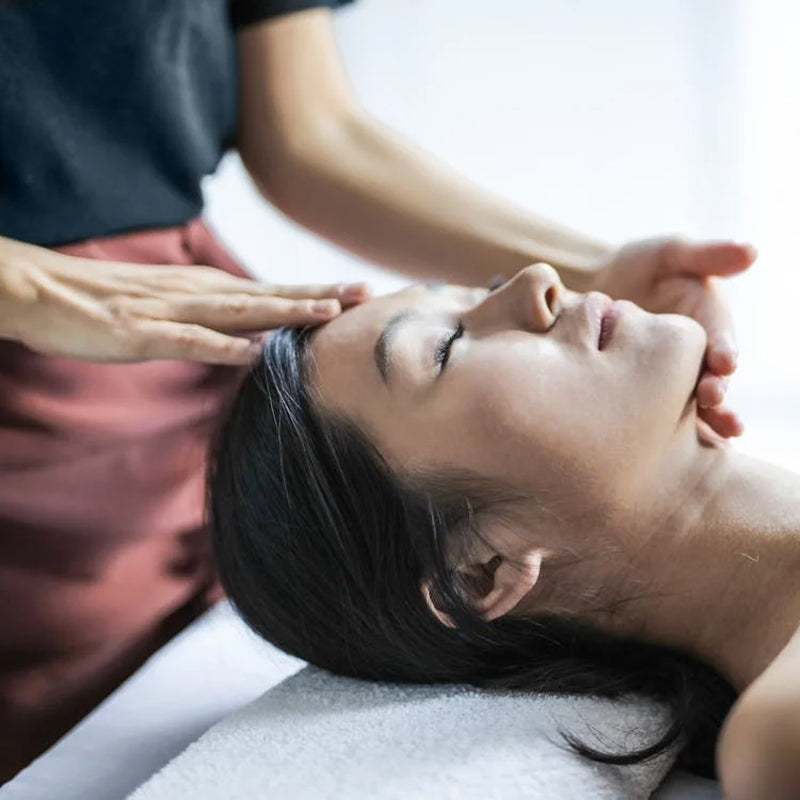
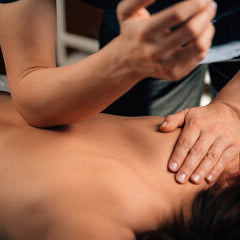
Apply pressure to trigger points. This could be part of therapeutic treatment from a trained massage therapist, or you can also try it yourself at home. Simply put pressure on the trigger point or knot for five to ten seconds, and then release it. When a muscle is tightened into a knot, it can limit blood flow in that area. The theory is when you put pressure on the knot, you’re limiting blood flow and when you release the pressure, more blood flows in. This increased blood flow can help the muscle relax.
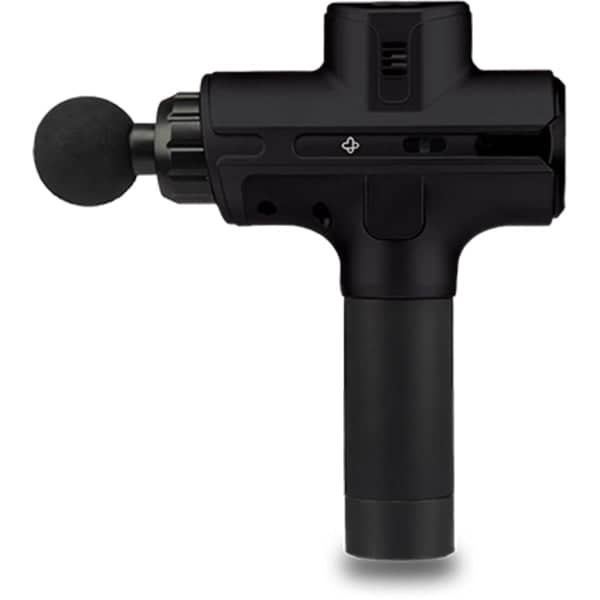
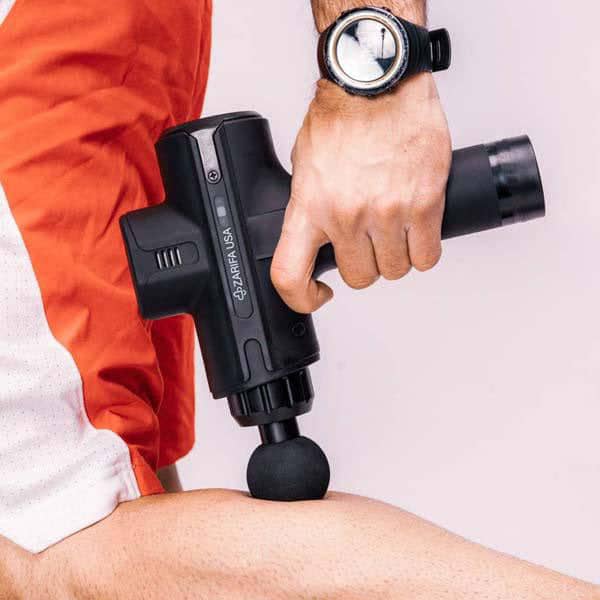
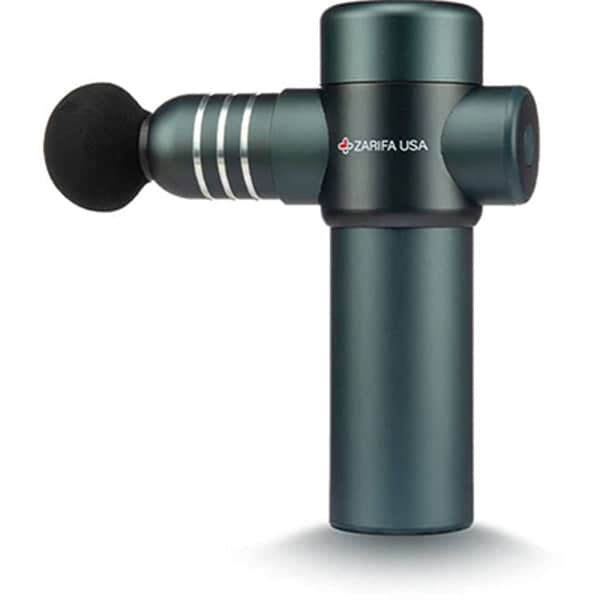
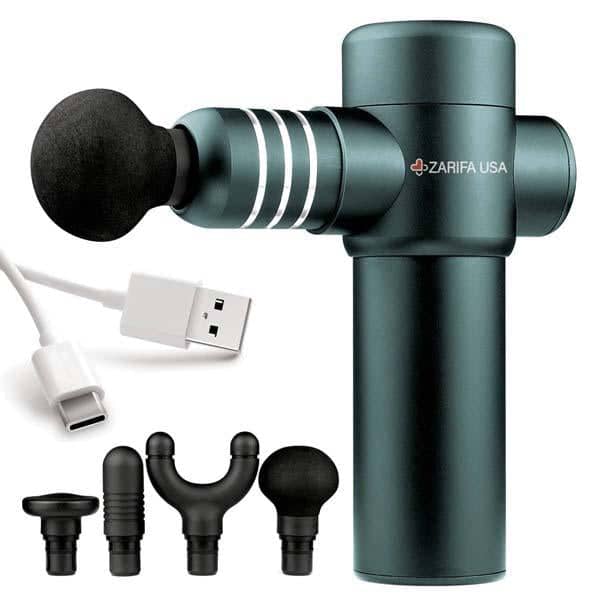
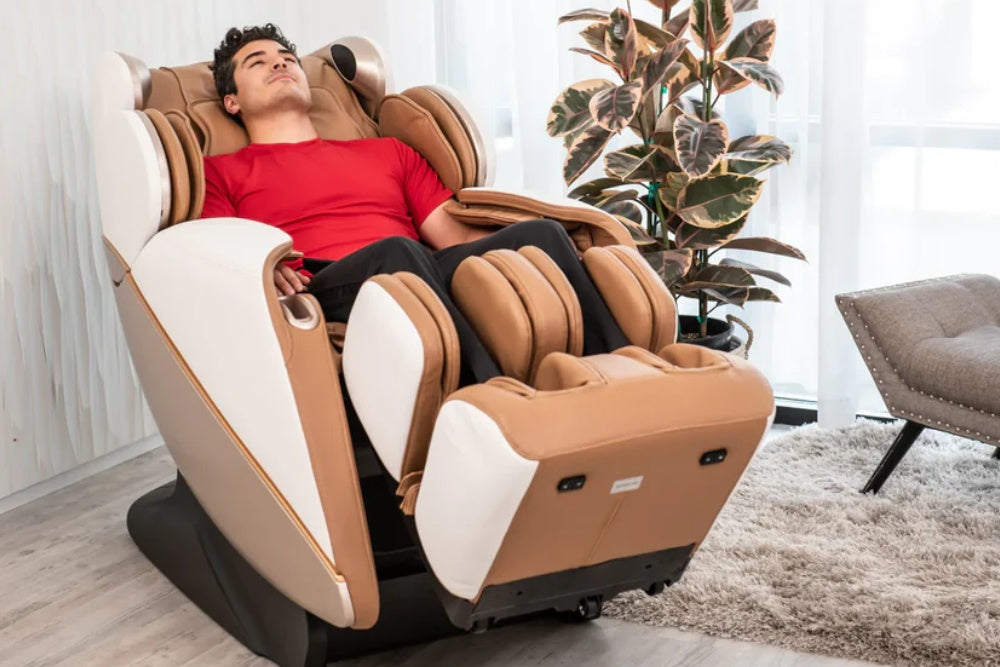
Use self-massage tools. Sometimes your hand just isn’t sufficient for working out a muscle knot, especially when it’s in a hard-to-reach spot. The Z Smart Massage Gun can easily target any area that needs some deep tissue relief, including your neck, lower back, upper back, chest, arms, glutes, calves, hamstrings, IT band, and abductors. Adjust the intensity as needed as you work the massage gun into the muscles and joints around your body.
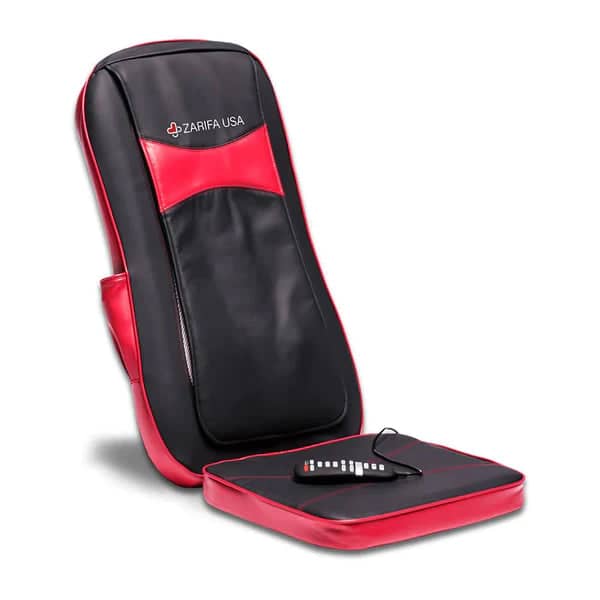
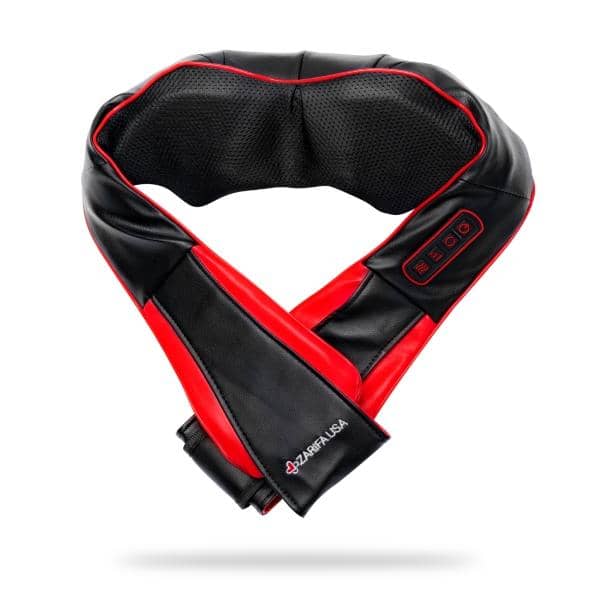
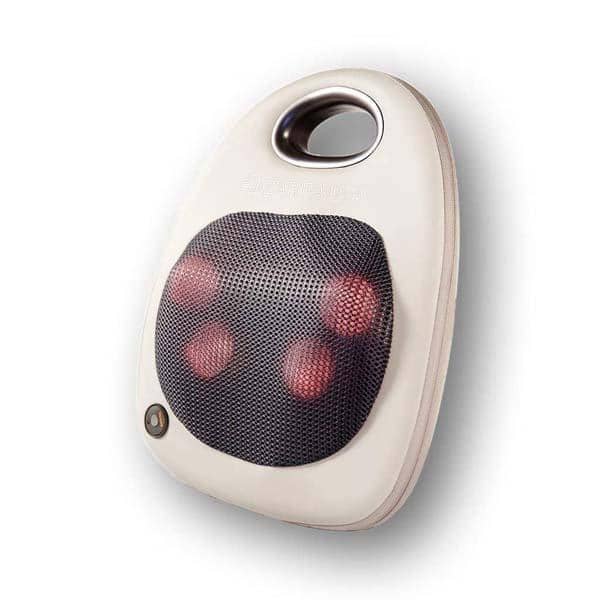
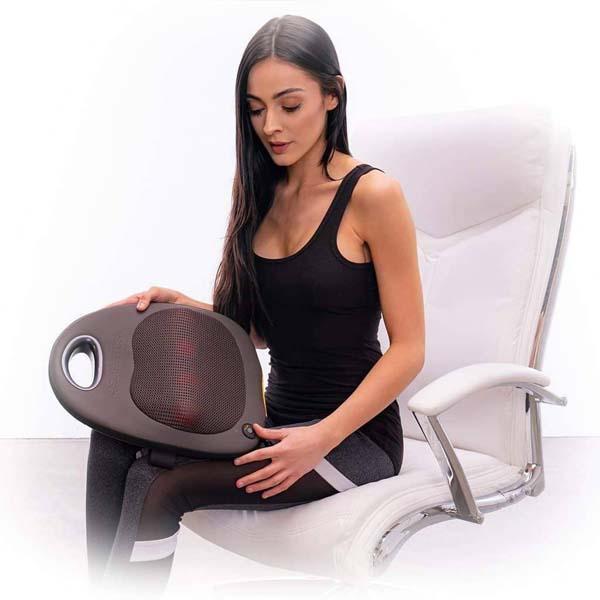
Another ideal tool for shoulder knots is the Zarifa neck & shoulder massager with heat. It has three intensity levels that are crafted with your pain and tightness symptoms in mind. This innovative neck and shoulder massager targets sore shoulders and relieves neck spasms and can also tackle lower back pain with the all-in-one neck massager for chair.
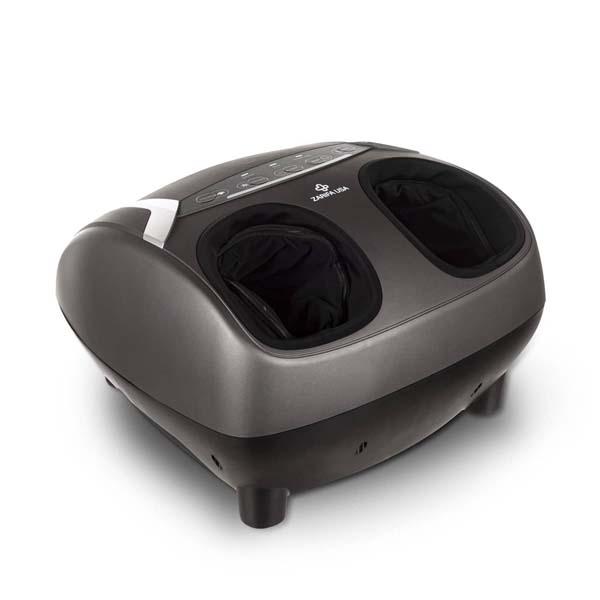
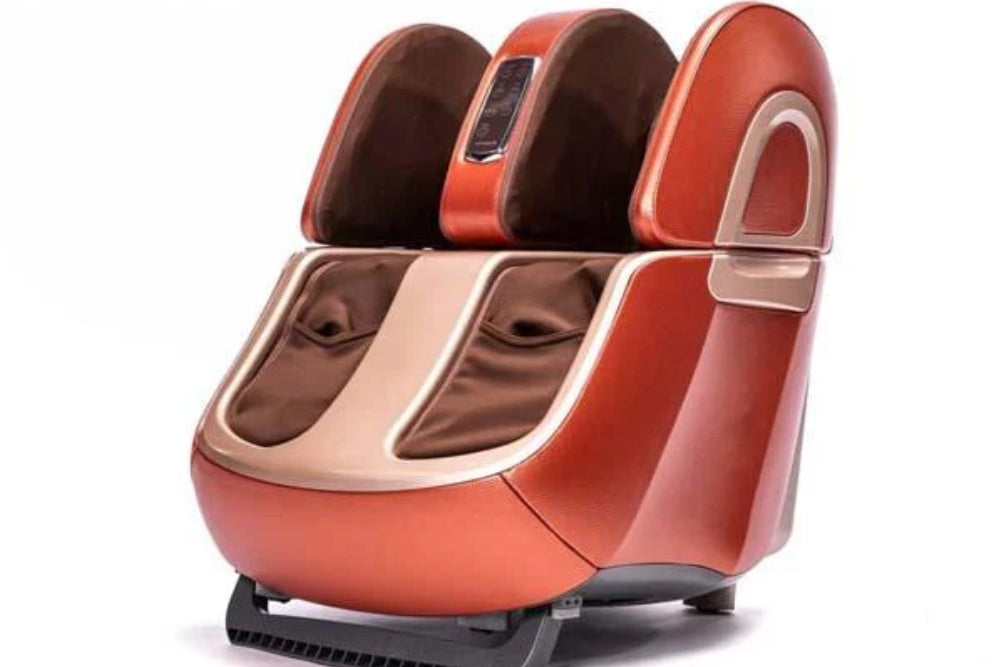
The multiple intensity levels allow you to tailor your massage experience to the different muscles of your body. Gently apply pressure to the affected area and experience deep levels of massage rolling. Bring the benefits of myofascial release to your legs without the discomfort of a cold, metal instrument or an awkward foam roller.
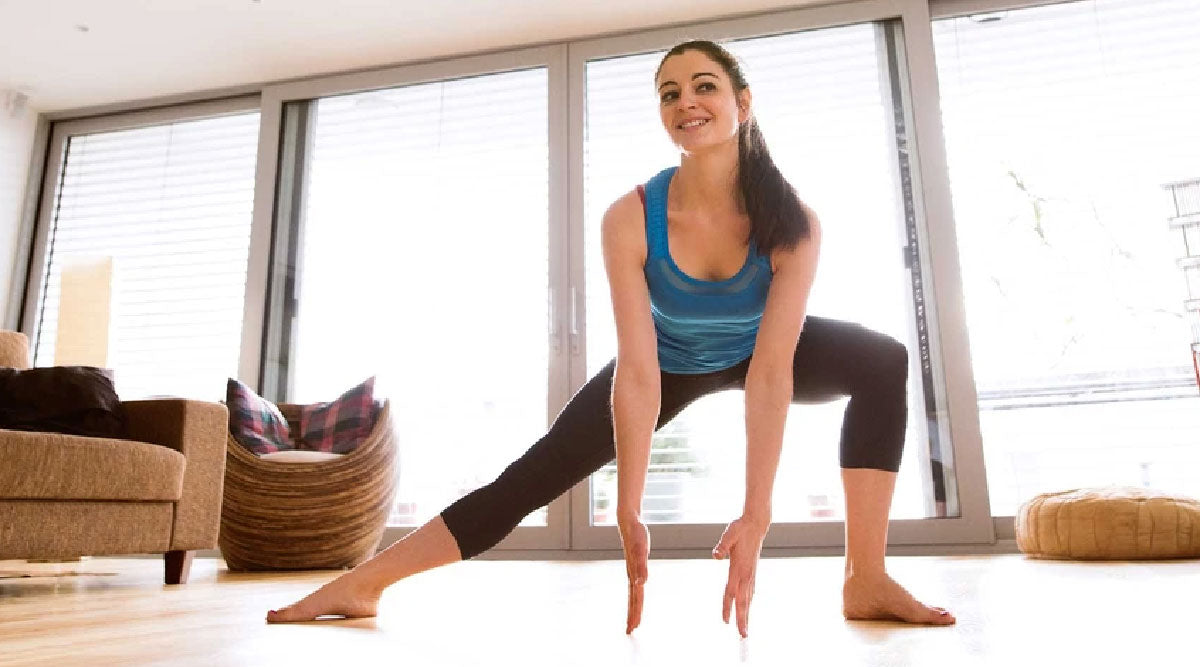
Remember to stretch, move and hydrate. It is good practice to always stretch after you work on a knot and as part of your regular routine to prevent future muscle knots from developing. Whether you’re an athlete, an office worker or a roofer, anything you can do to counterbalance that repetitive motion can make the body work better and reduce pain
If you are stuck at a desk or live a more sedentary lifestyle and experience knots, doctors recommend getting up and moving around more throughout your day. Taking 15 minutes to go for walk or fully stretch can keep your muscles from tensing up throughout the day, allowing you to stay calm and relaxed both physically and mentally. If you think the stress from work could be a source of your pain as well, we recommend trying out stress-relief techniques like yoga or meditation.
You can also start simple and work to improve your posture by sitting in a relaxed position, with your shoulders back and down. Be mindful of how you are sitting and do your best not to slouch.
Our muscles were designed to be challenged. If we aren’t moving and stretching, we are compromising our muscle health – be sure to keep active and exercise at a pace that is right for your body. Make sure your diet includes a healthy mix of calcium, potassium, and magnesium, and be sure to stay hydrated. You can set a timer to remind you to drink plenty of water throughout the day.
Give it time. A single massage or home session with one of our massage tools might not be enough to work out a persistent knot. Sometimes one to two treatments may be all that’s needed, but not always. Muscle knots that don’t last long and acute tend to require shorter treatment; others that are more chronic typically take longer to treat. For someone who has repetitive stress, and the body has really changed into that pattern, it’s going to take some more time for the body to get out of the pattern.
The information contained in this article is for educational and informational purposes only and is not intended as health or medical advice. Always consult a physician or other qualified health provider regarding any questions you may have about a medical condition or health objectives.
What are Muscle Knots
Muscle knots, also known as trigger points or myofascial pain, are areas of overexcited muscle tissue that get tight due to repetitive stress, overuse, poor posture, or intense physical activity. These knots are characterized by a palpable nodule or “knot” in the muscle that can cause pain, stiffness, and limited range of motion. While muscle knots can appear anywhere in the body, they commonly lodge between the shoulder blades and upper back, as well as in the lower leg. These tight spots can be particularly troublesome, leading to discomfort and affecting your daily activities.
Causes of Muscle Knots
Muscle knots can be caused by a variety of factors, including repetitive motion, overuse, and poor posture. Athletes who push their bodies to the limit are especially prone to developing these painful spots. Other contributing factors include muscle imbalances, poor body mechanics, and underlying medical conditions such as myofascial pain syndrome. Stress, anxiety, and poor sleep habits can also trigger muscle knots, making it essential to address these lifestyle factors to prevent and manage the pain effectively.
Symptoms of Deep Knots in the Shoulder Blade
Deep knots in the shoulder blade can cause a range of symptoms that can significantly impact your quality of life. You may experience pain, stiffness, and limited range of motion in the shoulder and arm. The pain might be localized to the shoulder blade or radiate to other areas, such as the arm, neck, and head. Other symptoms can include muscle weakness, numbness, and tingling in the arm or hand. In severe cases, deep knots in the shoulder blade can lead to chronic pain and disability, making it crucial to address these symptoms promptly.
How to Treat Muscle Knots
Treating muscle knots typically involves a combination of self-care techniques, manual therapies, and lifestyle modifications. Self-care techniques may include stretching, foam rolling, and applying heat or cold therapy to the affected area. Manual therapies, such as massage, physical therapy, and chiropractic care, can help to release tension in the muscle and improve blood flow to the area. Lifestyle modifications may include improving posture, reducing repetitive motion, and managing stress and anxiety. By addressing these factors, you can effectively treat muscle knots and prevent them from recurring.
Self-Care Techniques for Relief
There are several self-care techniques that can help to relieve muscle knots, including:
-
Stretching: Gentle stretching can help to lengthen the muscle and relieve tension.
-
Foam rolling: Using a foam roller can help to release tension in the muscle and improve blood flow.
-
Heat or cold therapy: Applying heat or cold to the affected area can help to relax the muscle and reduce pain.
-
Self-massage: Using a tennis ball or other tool to apply pressure to the affected area can help to release tension in the muscle.
-
Rest and relaxation: Getting plenty of rest and engaging in relaxation techniques, such as deep breathing or meditation, can help to reduce stress and anxiety and promote healing.
By incorporating these self-care techniques into your routine, you can effectively relieve muscle knots and improve your overall muscle health.