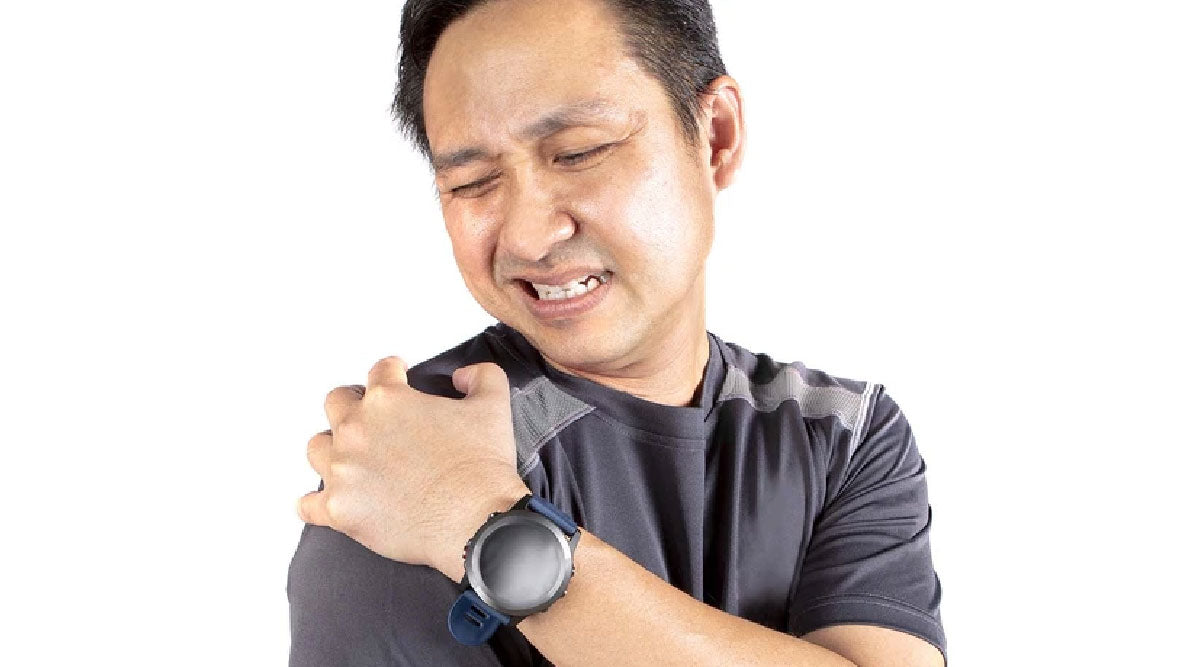
Restless Leg Syndrome (RLS), also known as Willis-Ekbom disease, is a neurological condition that causes uncomfortable sensations in the legs and an overwhelming urge to move them. Symptoms typically worsen at night or during periods of rest, often disrupting sleep and daily functioning. Over time, poor sleep can lead to fatigue, irritability, and difficulty concentrating, making RLS more than just a nighttime inconvenience.
While medications can help manage symptoms for some individuals, many people also rely on lifestyle changes, movement strategies, and physical therapies such as massage, compression, and vibration to reduce discomfort. Understanding the causes, risk factors, and effective relief methods makes it easier to build a practical plan for managing RLS symptoms and improving sleep quality.
This guide explains what RLS is, how it affects the body, and the most effective ways to ease symptoms through medical, lifestyle, and therapeutic approaches.
What Is Restless Leg Syndrome?
Restless Leg Syndrome (RLS) is a neurological disorder characterized by unpleasant sensations in the legs and a strong urge to move them. These sensations often feel like crawling, tingling, pulling, or deep discomfort rather than typical muscle cramps.
Symptoms usually appear or worsen in the evening and during periods of inactivity, particularly when lying down or sitting for extended periods. Movement such as walking, stretching, or shaking the legs typically brings temporary relief, which is why the condition interferes so heavily with sleep.
Epidemiology of the Disease
RLS is a major concern in the modern Western world. According to a study, restless legs syndrome affects 4-29% of the population of adults in North America. The worldwide prevalence of this syndrome is found to be 3.9-14.3%, and it increases with age. In most studies, diagnosis of the malady is done on the criteria provided by the International Restless Legs Syndrome Study Group (IRLSSG). Restless legs syndrome is diagnosed through a doctor's evaluation, including a neurological and physical exam, and consideration of medical and family history.
According to the National Institute of Neurological Disorders and Stroke around 7-10% of Americans get affected by RLS.
Syndrome Signs and Symptoms of RLS
The most common and evident symptoms of restless legs:
- Persistent discomfort or pain in the legs
- Symptoms that worsen when lying down or resting
- A strong urge to move the legs for relief
- Tingling, crawling, or prickling sensations
- Nighttime leg twitching or jerking movements
Certain factors, such as specific actions or substances, can make symptoms worse, and a lack of sleep can also contribute to this deterioration.
In most cases, patients are unable to explain the exact sensations. According to subjects, the sensation is more of an urge to move the legs without any associated muscle cramps or spasms. In some cases, RLS occurs alongside Periodic Limb Movement of Sleep (PLMS), a condition that causes involuntary leg movements during sleep.
Patients suffering from a mild form of the disease have reported difficulty in keeping the legs in the same posture for longer periods. However, in severe cases the patients also suffer through complications arising from the disease that manifest themselves as:
- Fatigue
- Daytime sleepiness
- Lack of sleep
- Depression
Research suggests that RLS causes changes in the spinal cord and leads to hyperexcitability of neurons.
Complications of RLS
Because RLS disrupts sleep, long-term untreated symptoms can negatively affect physical and mental health. Chronic sleep deprivation may impair the immune system, disrupt hormonal balance, and increase stress levels. Daytime sleepiness can also reduce productivity, concentration, and overall quality of life.
Causes and Risk Factors of Restless Leg Syndrome
There is no single known cause of Restless Leg Syndrome, but several factors increase the likelihood of developing the condition.
-
Iron Deficiency Anaemia
Iron deficiency anaemia is a common condition that may be linked to restless leg syndrome. According to a study, intravenous administration of iron into RLS patients showed improvements. This indicates that iron deficiency anaemia can be a risk factor for the syndrome.
- Kidney Failure
End-stage renal disease (kidney failure) may also cause restless leg syndrome. However, as per analysis, the occurrence of the disease has a genetic predisposition. There is an imbalance of electrolytes with kidney failure that further increases the risk.
- Parkinson's Disease
Restless Leg syndrome frequently occurs in patients with Parkinson's disease. As per a 2009 study, a significant number of Parkinson's disease patients report having unpleasant sensations in the leg and an urge to constantly move them.
A detailed analysis carried out in 2018 found an evident relationship between restless leg syndrome and Parkinson's disease. This is due to the dysregulation of dopamine production. In the latest microscopic study, restless leg syndrome is linked to Parkinson's disease.
-
Family History
More than 40% of cases have a family history of the disease. Therefore, if you have a relative, siblings, or parents who are suffering from restless leg syndrome, you should be cautious.
- Peripheral Neuropathy
Peripheral neuropathy is a condition of damaged nerves between the muscles and the spinal cord. You are at a greater risk of developing Willis-Ekbom disease if you suffer from peripheral neuropathy. Uncontrolled diabetes is a major cause of peripheral neuropathy. RLS affects the poor quality of life and deranged glycemic levels that are linked to RLS, a study suggests.
-
Spinal Cord Injury
In some cases, RLS starts after some sort of spinal cord injury. For instance, veterans with spinal cord lesions are more likely to have RLS in their spinal cord injury patients than in the general population.
-
Multiple Sclerosis
Patients suffering from Multiple Sclerosis also experience lesions in the spinal cord, as multiple sclerosis patients have altered dopamine delivery that makes it a risk factor for RLS. MS patients suffering from RLS have reported symptoms of fatigue, anxiety, and depression.
Managing Sleep with RLS
Sleep can be particularly difficult for individuals with RLS. Doctors may prescribe sleep aids or medications such as:
- Clonazepam (Klonopin)
- Zolpidem (Ambien)
- Eszopiclone (Lunesta)
- Pregabalin (Lyrica)
- Oxycodone (reserved for severe cases due to addiction risk)
Helpful sleep habits include:
- Using a comfortable mattress and pillow
- Maintaining a cool, dark bedroom
- Reducing screen use before bed
- Keeping a consistent sleep schedule
Advanced Treatment Options for RLS
While medications remain a cornerstone of treatment for Restless Leg Syndrome, there are several advanced treatments and therapeutic approaches gaining attention. These include:
-
Pneumatic Compression:A newer approach involves using devices that provide periodic pneumatic compression to the legs, which can help alleviate symptoms by improving blood flow and reducing the sensory abnormalities that contribute to RLS.
-
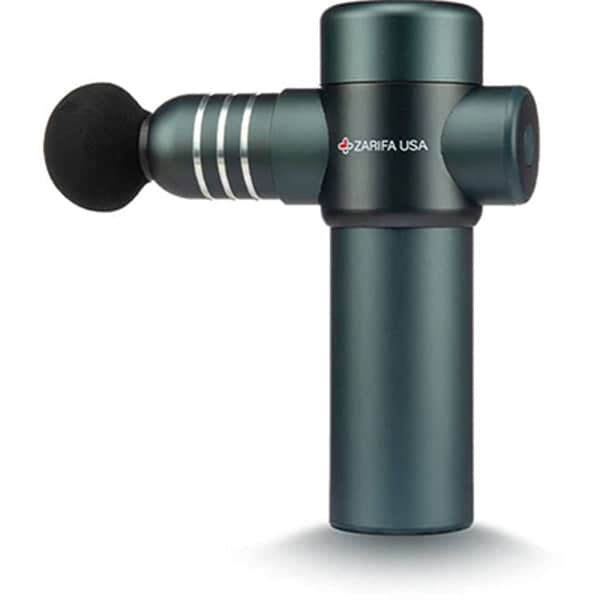
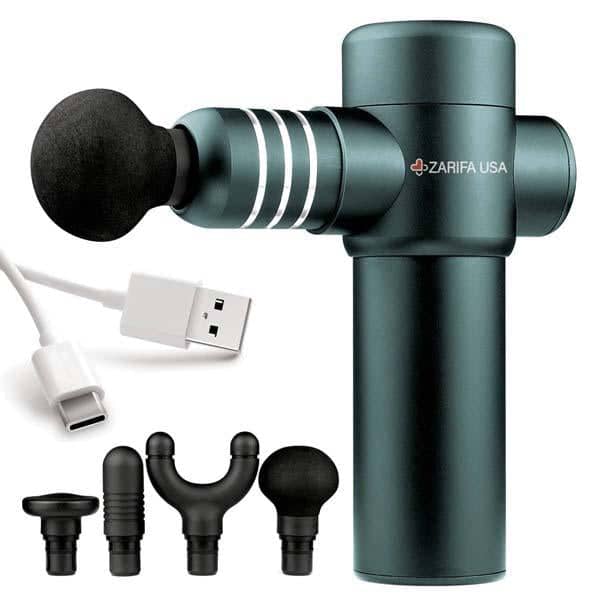
Vibrational Therapy:Recent studies suggest that vibrational therapy can significantly reduce RLS symptoms. Devices that deliver gentle, rhythmic vibrations to the legs have shown promise in both clinical settings and home use.
- Cognitive Behavioral Therapy (CBT): For patients whose sleep is severely affected by RLS, CBT can be used to manage insomnia and reduce the psychological stress associated with RLS.
Innovative Management Strategies for RLS
Managing RLS effectively often requires a combination of lifestyle adjustments, medical treatment, and sometimes home remedies. Innovative strategies include:
-
Dietary Adjustments: Increasing intake of foods high in magnesium and potassium, such as bananas, avocados, and leafy greens, can help manage symptoms. These minerals assist in muscle function and may reduce the severity of the urges to move.
-
Iron Supplementation:For those with iron deficiency, tailored iron supplementation under medical supervision can be transformative. It’s important to monitor serum ferritin levels and adjust doses accordingly.
-
Exercise Regimen:Regular, moderate exercise can improve symptoms, but it’s important to balance activity levels as excessive exercise might worsen symptoms.
-
Heat and Cold Therapy: Applying warm or cold packs to the legs can provide temporary relief from the discomfort and urges associated with RLS.
Massage Treatments for Restless Leg Syndrome
An extremely potent way of getting instant and long-lasting relief is massaging the legs and the feet. Foot reflexology is a type of foot massage that involves massaging specific points. This is a branch of traditional Chinese medicine (TCM). In TCM it is believed that the foot is the gateway to all different parts of the body. You can improve the blood flow and performance of various parts of the body by massaging a particular point on the foot.
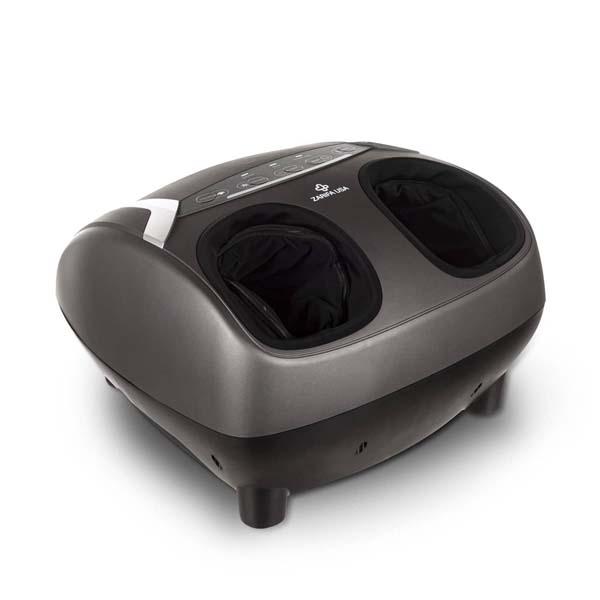
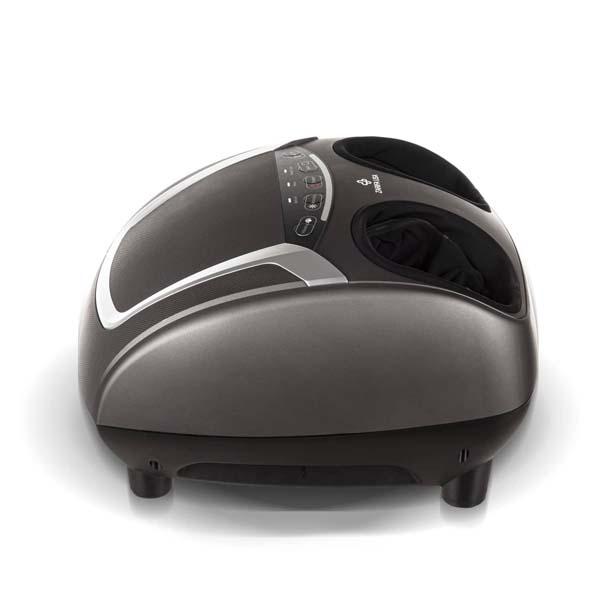
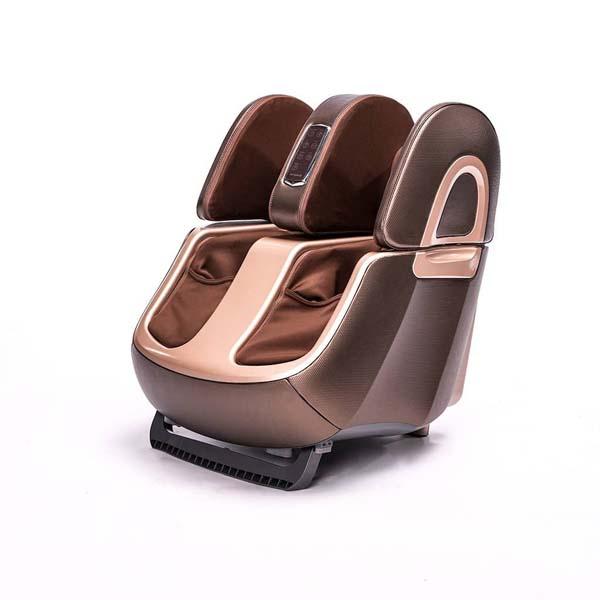
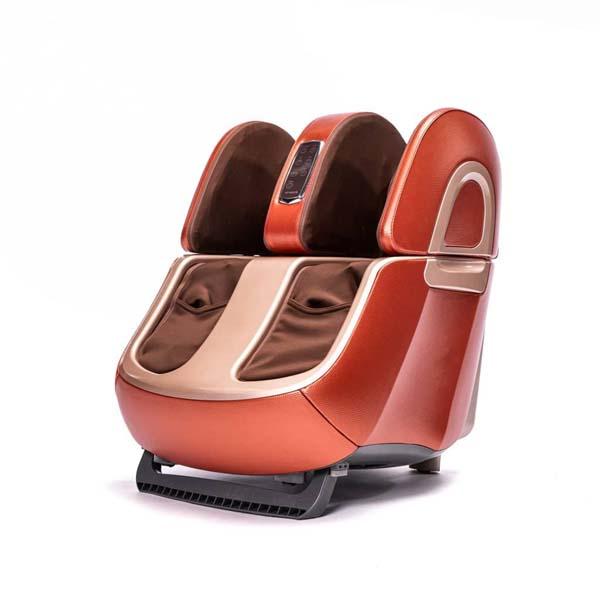
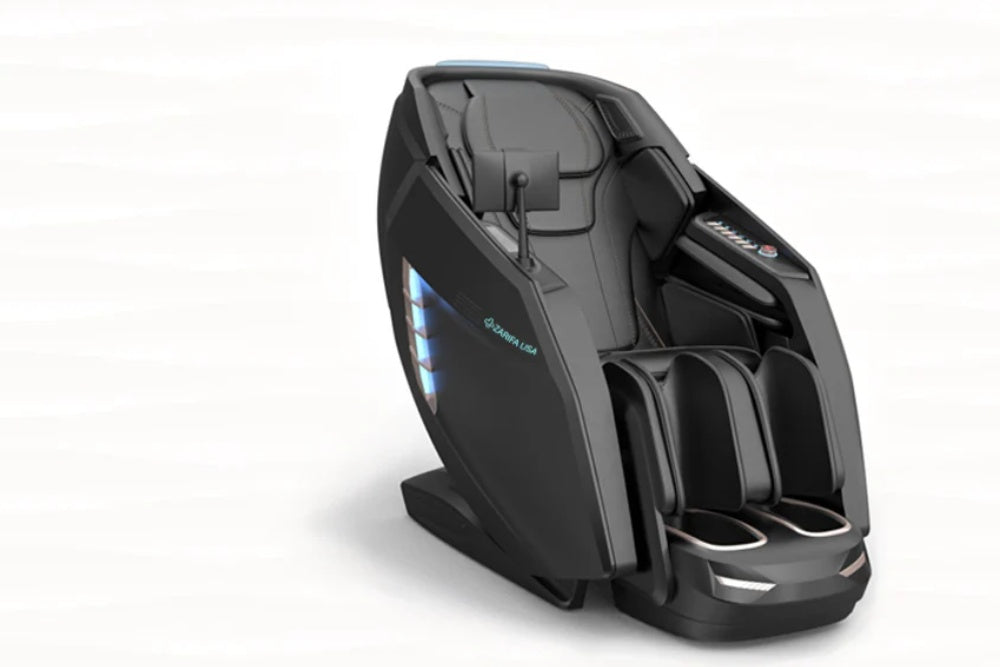
For those who prefer independent relief, mechanical devices such as foot massagers can be beneficial. A high-quality foot massager can help improve circulation, relax muscles, and reduce nighttime discomfort.
Find Lasting Relief from Restless Leg Syndrome with Zarifa USA
Take control of your RLS symptoms with advanced relief solutions from Zarifa USA. Our premium foot massagers are designed to improve circulation, reduce discomfort, and promote deeper, more restful sleep. Explore our collection today and discover a smarter, more comfortable way to manage restless leg pain from the comfort of your home.