Massage Chair for Ankylosing Spondylitis
Spinal issues can render individuals immobile if left untreated, especially in chronic cases. Conditions like ankylosing spondylitis pose unique challenges as they have no known cure. Physicians and surgeons focus on managing symptoms rather than offering definitive solutions. This is where a multifaceted approach comes into play, combining physical therapy, assistive devices, and pain relief methods to improve quality of life.
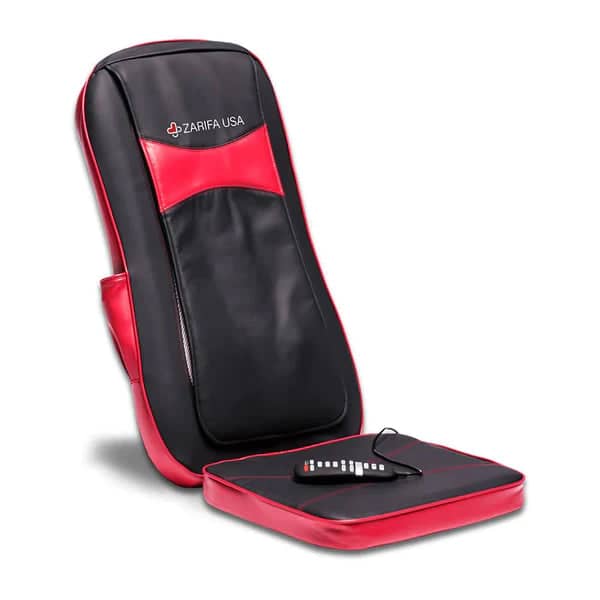
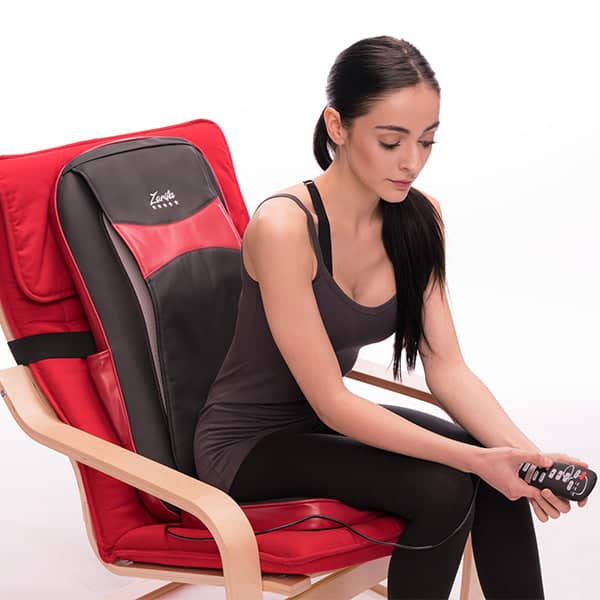
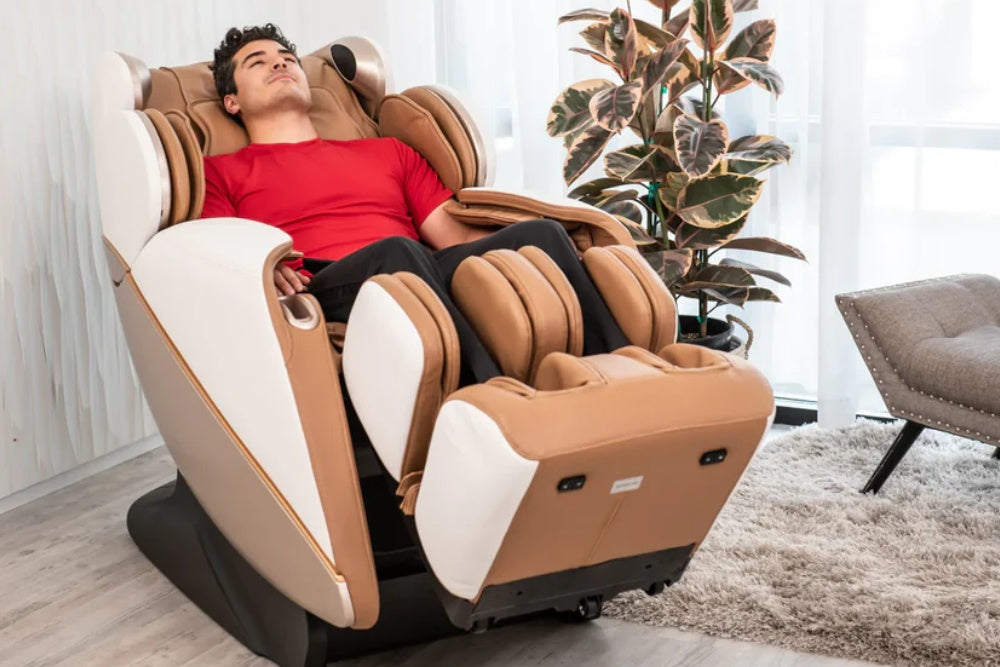
One increasingly popular solution is using a massage chair for ankylosing spondylitis. These chairs can help alleviate debilitating pain, stiffness, and discomfort, especially for individuals with desk jobs who spend long hours sitting. With the right combination of treatments, such as physical therapy and maintaining good posture, a massage chair can become a valuable part of daily self-care.
What is Ankylosing Spondylitis?
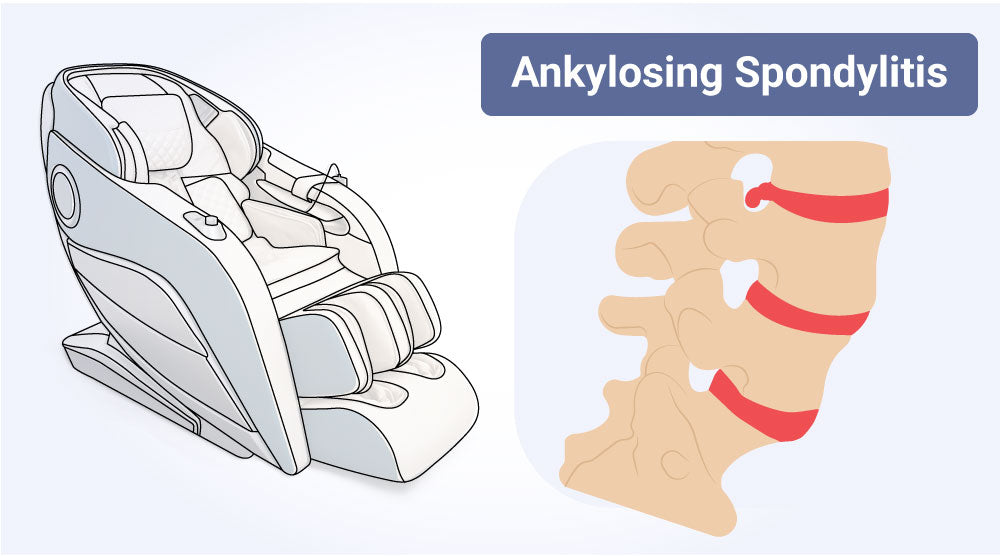
Ankylosing spondylitis (AS) is a type of inflammatory arthritis that primarily affects the spine. It causes inflammation in the vertebrae, leading to pain and stiffness. Over time, this inflammation may cause the vertebrae to fuse, which reduces flexibility and leads to spinal deformities. This fusion also results in a hunched posture, which is characteristic of the condition.
AS affects approximately 0.2-0.5% of the U.S. population, with an incidence rate of 0.4-14 cases per 100,000 people annually. While it is more common in men, women can also develop AS. Ankylosing spondylitis pain can range from mild to severe, with some patients experiencing debilitating symptoms. This is why managing the symptoms early is critical to preventing progression and preserving quality of life.
The challenge lies in recognizing the early signs of AS, which can easily be mistaken for regular back pain or poor posture. Rheumatologists and physical therapists often emphasize early detection and intervention to prevent long-term complications, including spinal fusion.

Symptoms of Ankylosing Spondylitis
Ankylosing spondylitis is a progressive disease, meaning the symptoms typically worsen over time without proper treatment. The most common symptoms include:
- Back pain and stiffness: Morning stiffness is often the first sign of AS, particularly in the lower back and neck. Stiffness usually lasts for several hours after waking and may improve with movement throughout the day.
- Postural changes: Over time, AS may cause the spine to curve, leading to a hunched back or stooped shoulders. This not only impacts appearance but also restricts mobility, making everyday tasks more difficult.
- Fatigue and weight changes: Chronic inflammation associated with AS often causes fatigue and unintended weight loss. The body's immune system is in a constant state of activity, leaving patients feeling tired even after sufficient rest.
- Reduced lung function: As AS progresses, it can impact the joints in the rib cage, reducing lung capacity. Patients may experience shortness of breath during mild exertion, and this can compound feelings of fatigue.
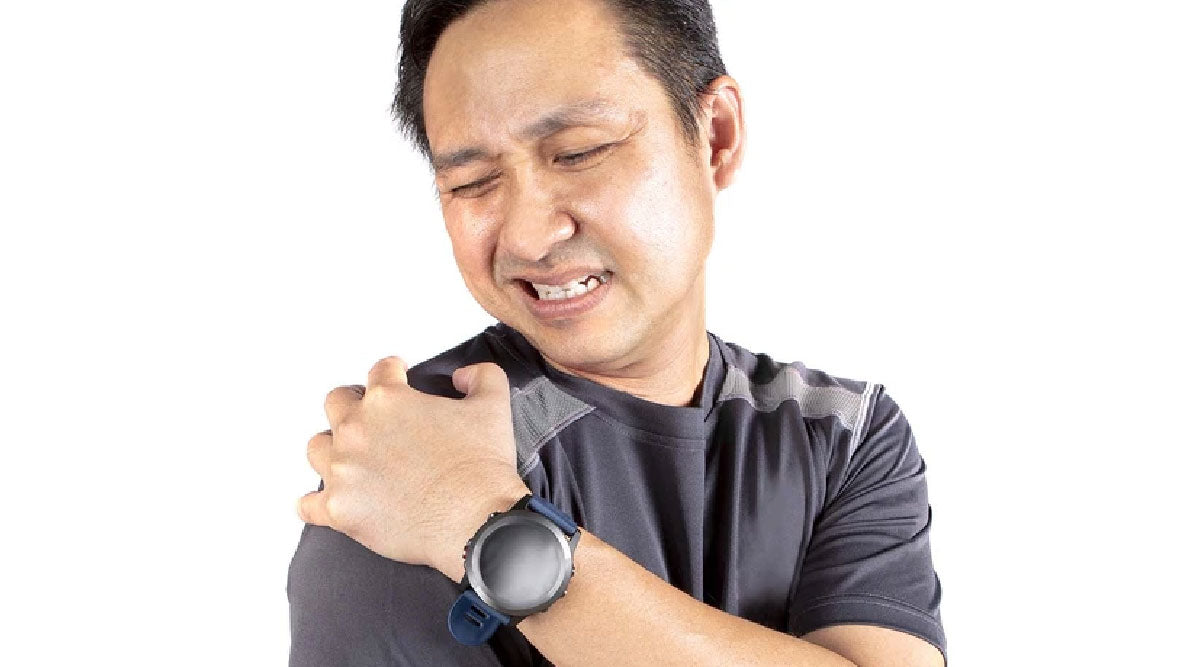
Individuals with AS also often experience neck pain, shoulder blade pain, and upper body stiffness, all caused by poor spinal alignment and inflammation. These symptoms worsen with prolonged sitting or inactivity, making posture and movement essential components of self-care.
Causes and Risk Factors
While the exact cause of ankylosing spondylitis remains unknown, several risk factors have been identified:
- Genetics: The HLA-B27 gene is strongly associated with AS. About 90% of individuals diagnosed with AS carry this genetic marker. Having a family member with AS increases the likelihood of developing the disease.
- Age and gender: AS typically manifests in adults between 20 and 40 years old, with men being more prone to developing the disease than women.
Recognizing early symptoms and beginning treatment as soon as possible is critical to managing the disease effectively. Collaboration with medical professionals, such as occupational therapists, can help manage pain caused by sitting and other activities that stress the spine.
Complications of Ankylosing Spondylitis
If left untreated, ankylosing spondylitis can lead to severe complications, including:
- Vertebral fusion: One of the most severe outcomes is the fusion of spinal vertebrae, which leads to a rigid, immobile spine and a hunched posture. Once the vertebrae fuse, mobility is significantly reduced.
- Joint and tendon inflammation: AS can lead to inflammation in the joints, particularly the hips and shoulders, causing severe discomfort and loss of flexibility. Inflammation can spread to the tendons and ligaments, increasing the risk of injury.
- Breathing problems: AS can impact the joints in the rib cage, leading to breathing difficulties and reduced lung capacity.
- Spinal fractures: As AS progresses, the structural integrity of the spine weakens, increasing the risk of fractures.
- Eye irritation and inflammation: AS can cause uveitis, a type of eye inflammation that leads to blurred vision, light sensitivity, and pain. If untreated, uveitis can cause permanent damage.
Exercise and Ankylosing Spondylitis
Regular exercise plays a pivotal role in managing ankylosing spondylitis. While stiffness and pain can make movement seem daunting, certain exercises are designed to improve flexibility, reduce discomfort, and strengthen the muscles that support the spine. Engaging in low-impact physical activities can help maintain mobility and slow the progression of spinal fusion. Here are some key exercises recommended for individuals with AS:
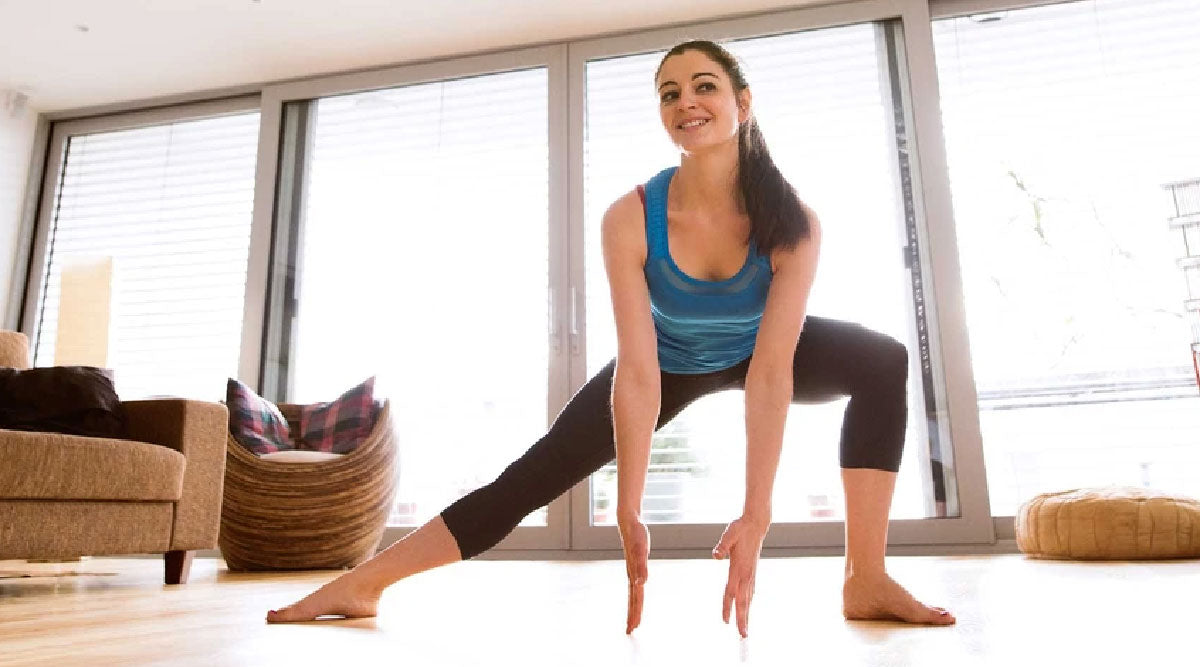
- Stretching: Gentle stretching helps maintain the spine's range of motion, alleviating stiffness. Stretching the hamstrings, hip flexors, and shoulders can also reduce strain on the spine. It’s essential to perform stretches regularly to prevent long-term immobility.
- Strength training: Building strength in the core and back muscles is essential for providing the spine with proper support. Exercises that target the abdominal muscles, glutes, and lower back can help improve posture and reduce pain during daily tasks.
- Swimming: Swimming is a low-impact exercise that offers full-body movement without placing pressure on the spine or joints. The buoyancy of the water supports the body, making it easier to move freely and stretch muscles that may be difficult to engage on land.
- Yoga and Pilates: Both yoga and Pilates are excellent for enhancing flexibility, balance, and core strength. They emphasize body awareness, good posture, and breathing techniques, which can be particularly beneficial for individuals with AS. These practices also incorporate gentle stretches that promote spinal alignment.
- Walking: Simple activities like walking can keep the joints active and prevent stiffness. While high-impact exercises like running might aggravate AS symptoms, walking is a safe way to keep moving and boost circulation.
Before starting any exercise routine, it’s important to consult with a physical therapist or doctor who understands the needs of ankylosing spondylitis patients. They can recommend exercises tailored to your specific condition and help avoid movements that could exacerbate symptoms. With the right exercise regimen, individuals with AS can experience improved flexibility, pain relief, and a better quality of life.
Workplace Ergonomics and Ankylosing Spondylitis
For individuals with desk jobs, ergonomics play a significant role in managing AS symptoms. Prolonged sitting can worsen stiffness, so creating an ergonomic workspace can alleviate discomfort. Several steps can help improve your workstation:
- Desk height: Adjust your desk so that your elbows are at a 90-degree angle when typing.
- Monitor height: Your monitor should be positioned at eye level, reducing the need to crane your neck.
- Standing desks: These allow individuals to alternate between sitting and standing, reducing the strain on the lower back and spine.
- Chair adjustments: An office chair with extra lumbar support and an adjustable seat height ensures the spine is properly aligned.
Making these ergonomic adjustments can prevent the debilitating pain caused by poor posture and help manage symptoms over the long term.
Sleep and Ankylosing Spondylitis
Sleep can have a significant impact on ankylosing spondylitis pain. Proper sleep positions and supportive bedding are crucial for individuals suffering from AS. Sleeping on a firm mattress with a contoured pillow that supports the neck can help maintain the spine's natural curve.
Here are some sleep-related tips for AS patients:
- Sleep position: It is often recommended to sleep on your back or side to avoid putting pressure on the spine.
- Pillows: A small, supportive pillow under the head and knees can provide extra support to the spine, easing pain and stiffness in the morning.
The quality of sleep can have a direct effect on daily AS management, and investing in the right sleep tools can be just as important as physical therapy.
Mental Health and Chronic Pain Management
Living with a chronic condition like ankylosing spondylitis can take a toll on mental health. The ongoing pain and physical limitations can lead to feelings of frustration, anxiety, and depression. Chronic pain sufferers often face challenges in managing not only the physical aspects of the disease but also the emotional strain.
Here are some strategies to help manage mental health while coping with chronic pain:
- Mindfulness and relaxation: Practices such as meditation, deep breathing, or progressive muscle relaxation can help patients focus on easing tension in their body and relieving pain.
- Cognitive behavioral therapy (CBT): This therapeutic approach helps patients reframe negative thought patterns associated with chronic pain, improving their emotional resilience.
- Support groups: Joining a support group or connecting with others facing similar challenges can provide a sense of community and reduce feelings of isolation.
Combining these mental health strategies with physical pain management techniques can create a more holistic approach to managing AS.
Treatment Options for Ankylosing Spondylitis
While no cure exists for ankylosing spondylitis, several treatments can help manage symptoms and prevent complications:
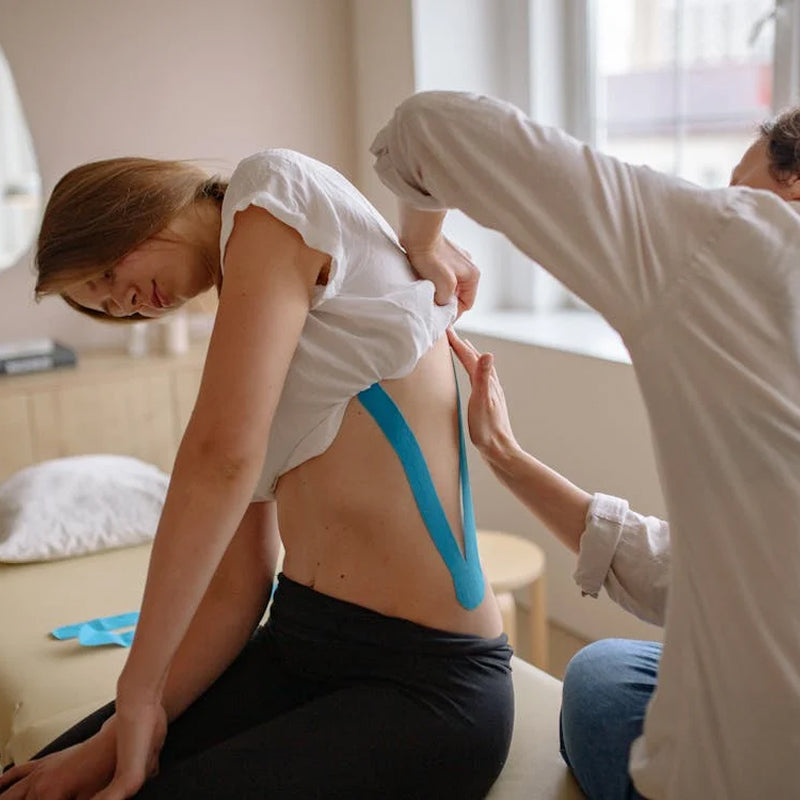
- Physical therapy: A physical therapist can develop a treatment plan with exercises to improve flexibility, posture, and strength. Strengthening the muscles around the spine can help reduce pain and stiffness.
- Medications:NSAIDs are the most common medications for managing pain and inflammation in AS. Biologics, such as TNF inhibitors, may also be prescribed in more severe cases.
- Hot and cold therapy: Alternating between hot and cold applications can help relax muscles and reduce inflammation.
- Assistive devices: Tools like adjustable desks, standing desks, and ergonomic office chairs with extra lumbar support can help prevent the aggravation of symptoms in individuals with desk jobs. An adjustable desk allows for shifting between sitting and standing, which reduces the pressure on the spine.
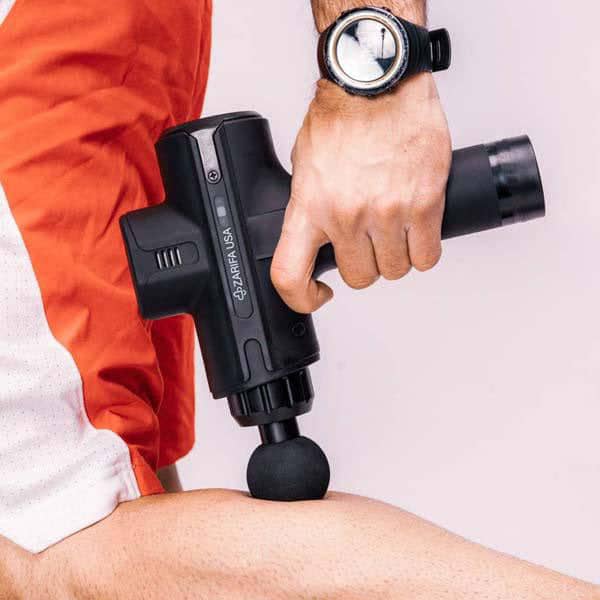
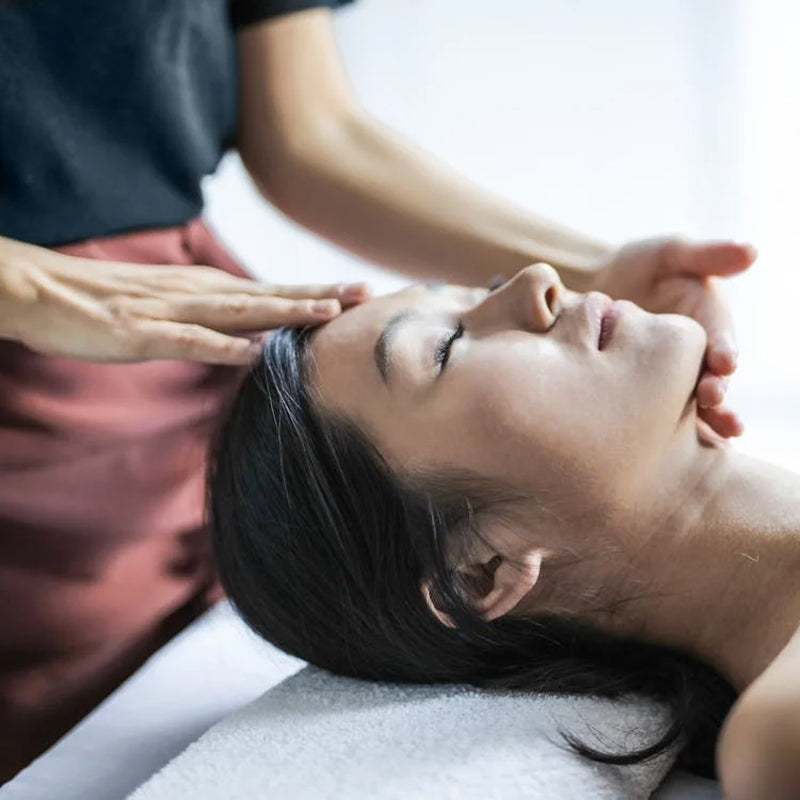
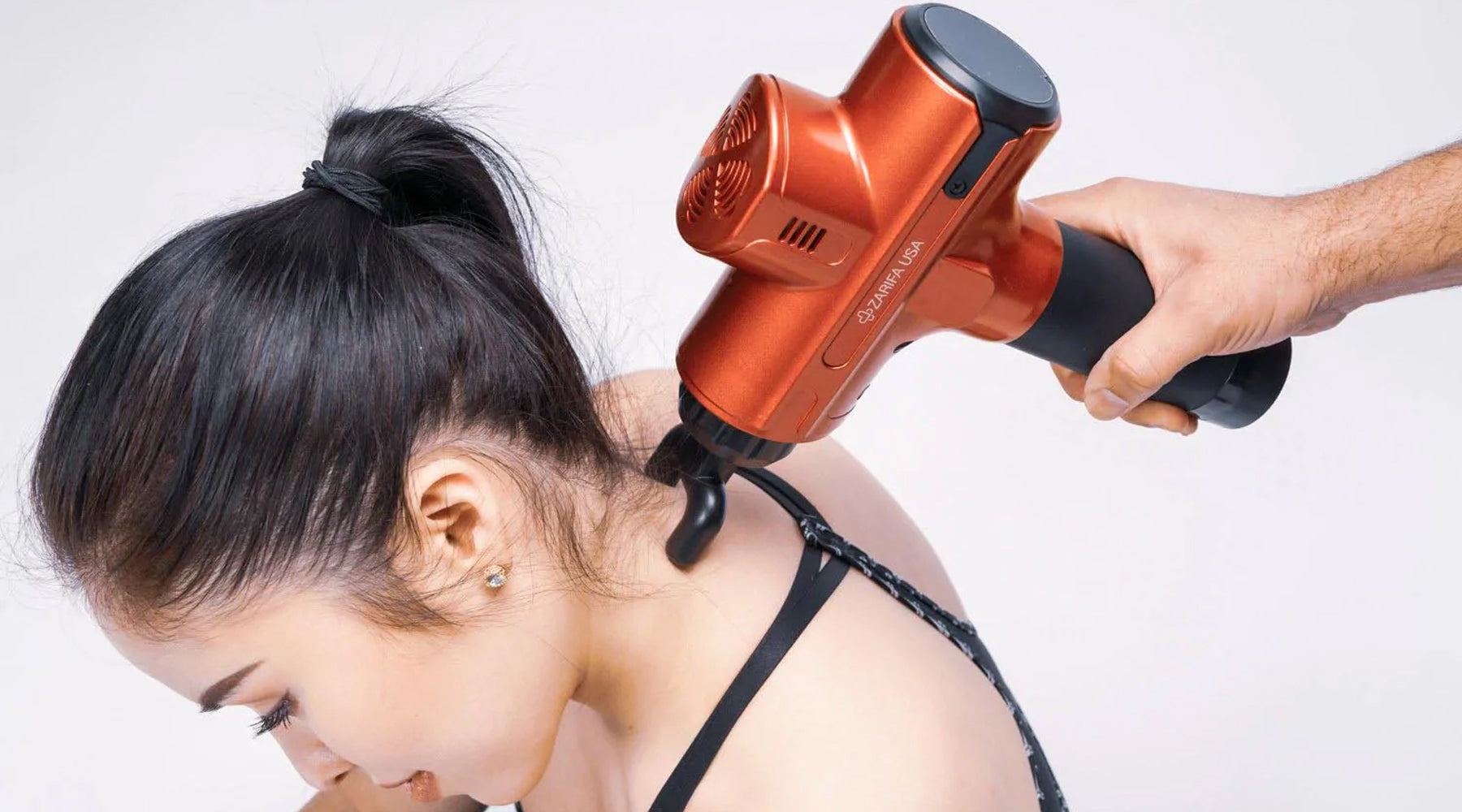
- Massage therapy: Massage therapy is a non-invasive method to reduce pain, improve mobility, and reduce inflammation. A professional massage therapist can target problem areas like the lower back and neck to relieve tension.
Massage Chairs for Ankylosing Spondylitis
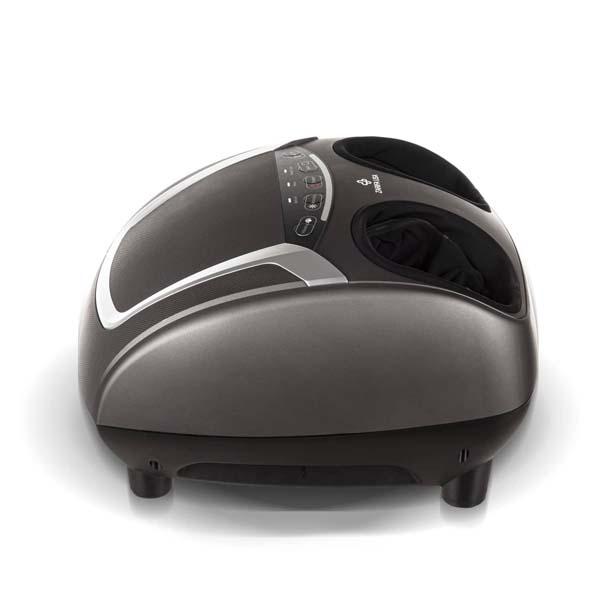
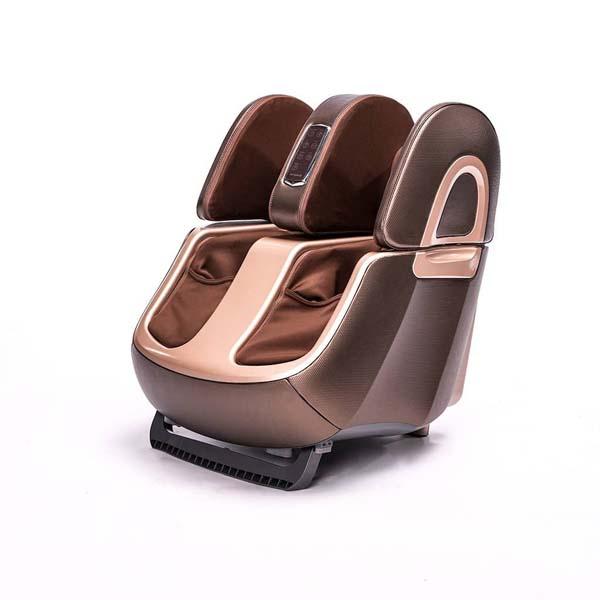
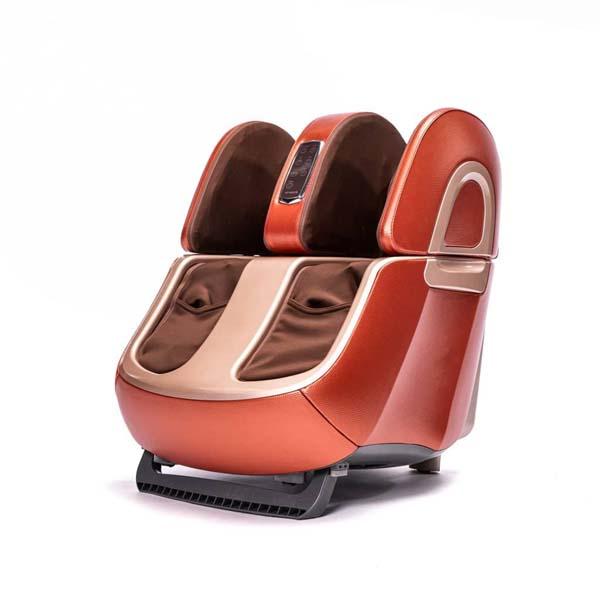
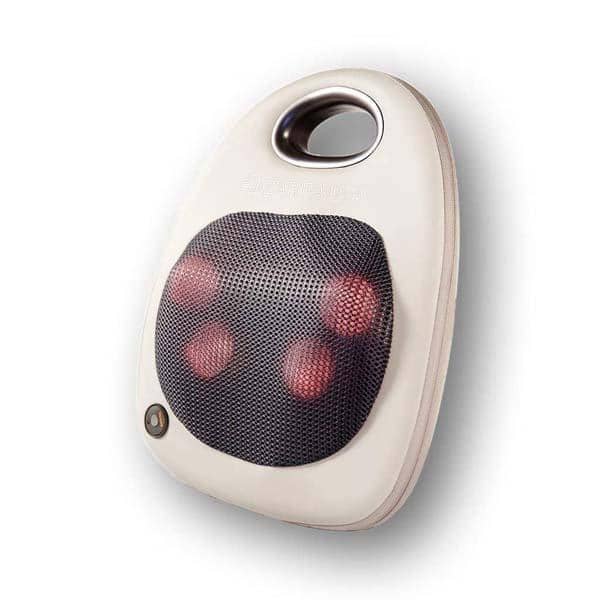
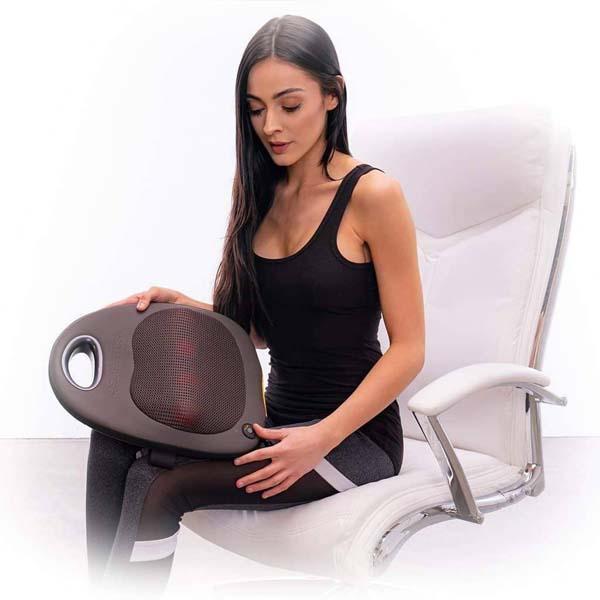
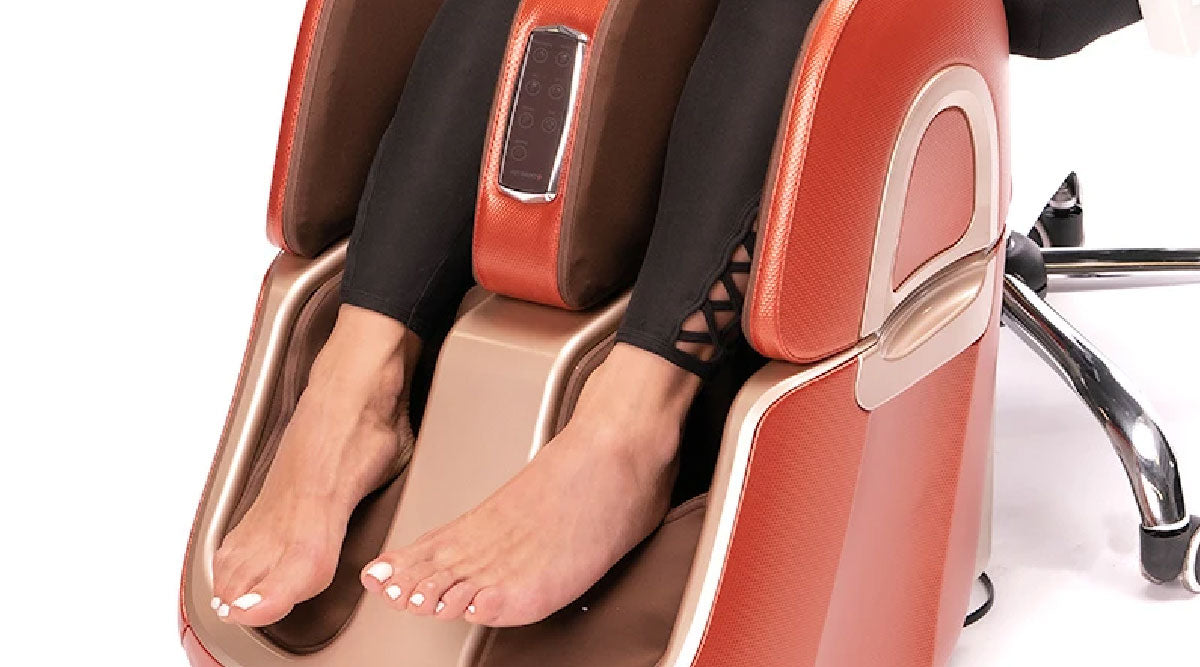
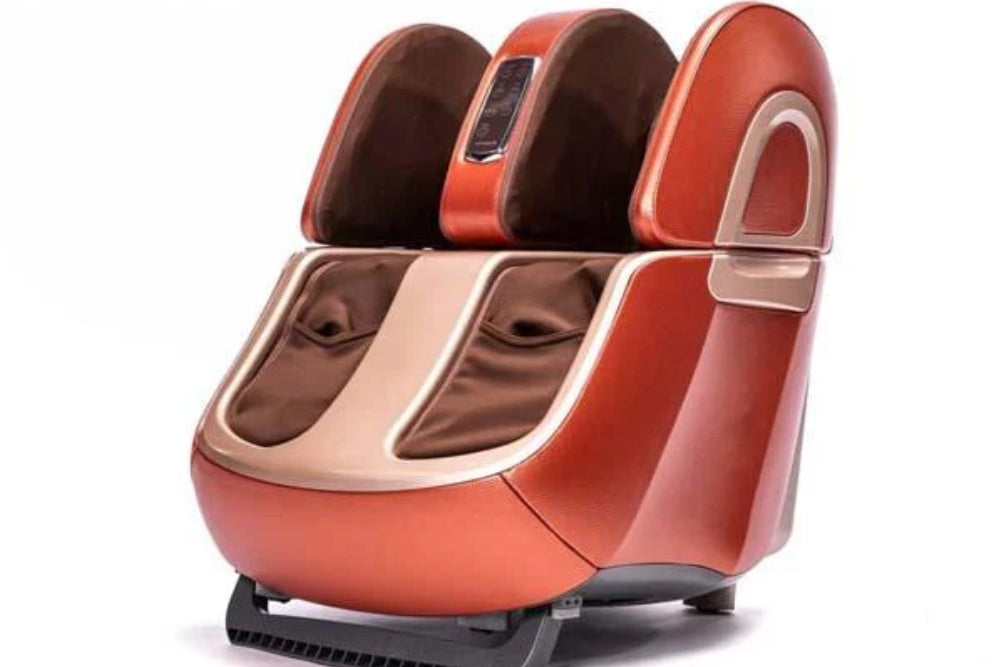
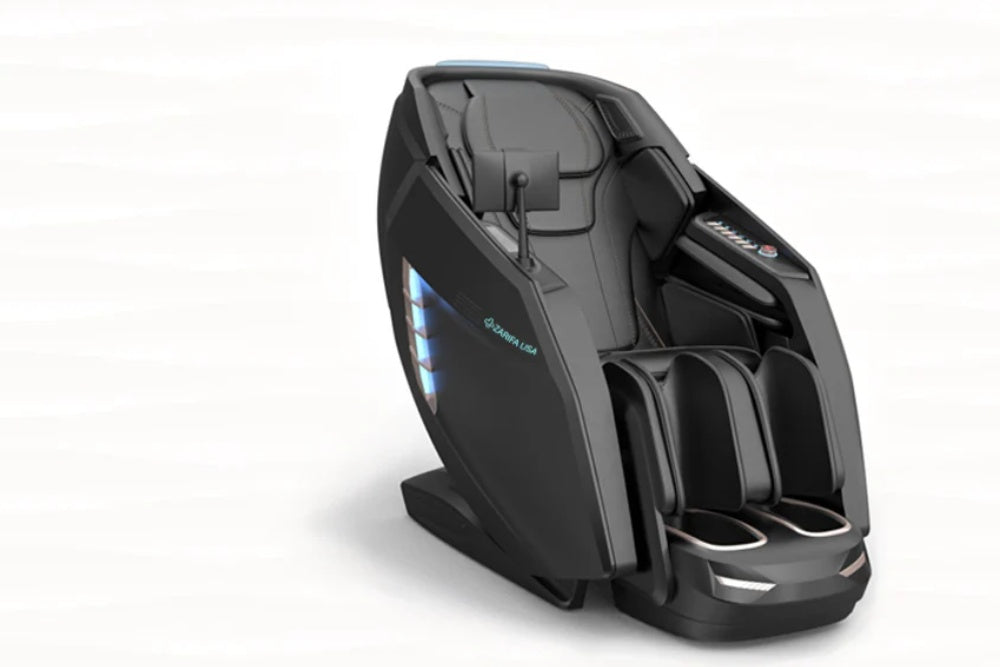
A massage chair offers the convenience of pain relief without needing a professional massage therapist. For those unable to attend regular therapy sessions, a massage chair can become an important part of managing AS.
Benefits of using a massage chair for ankylosing spondylitis include:
-
Back support: Many massage chairs come with extra lumbar support that maintains the spine's natural curve, reducing strain.
-
Pain reduction: Regular use of a massage chair can help reduce lower back pain and neck pain caused by long periods of sitting.
-
Posture improvement: Massage chairs help reduce pressure on the spine and can promote better posture with consistent use.
Massage chairs allow for customized massage settings, making it easy to focus on areas that are most affected by ankylosing spondylitis pain.
Diet and Ankylosing Spondylitis
Diet can play a role in managing inflammation associated with AS. Some individuals report that reducing starchy foods helps reduce inflammation. Maintaining a balanced diet rich in anti-inflammatory foods like fruits, vegetables, and lean proteins can also benefit individuals with AS.
Conclusion
Ankylosing spondylitis is a chronic condition that requires careful management to avoid severe complications. While there is no cure, a combination of physical therapy, assistive devices like massage chairs and ergonomic office chairs, and lifestyle changes can significantly improve quality of life.
Investing in a massage chair or the best office chair for ankylosing spondylitis can help manage pain, reduce stiffness, and promote better posture. By taking a multifaceted approach that includes exercise, pain relief, and proper posture, individuals with AS can improve their spinal health and continue to perform daily tasks with less discomfort.