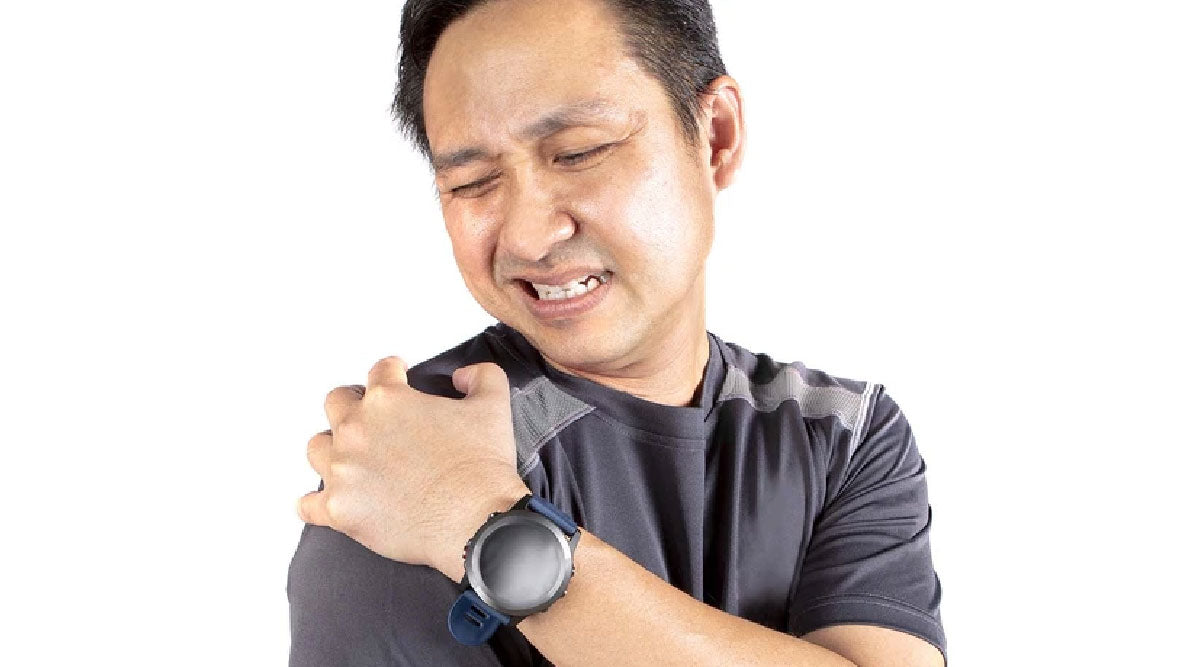
When normal activities like walking, climbing stairs, and sitting become difficult and painful, it makes life miserable. That’s what happens with piriformis syndrome. Piriformis syndrome is a painful neuromuscular disorder that causes buttock pain and pain in your glutes and hips. The condition can be effectively managed with targeted therapies, including massage therapy. Using a massage gun is a convenient and efficient way to reduce discomfort, improve circulation, and relieve tension associated with piriformis syndrome.
Keep reading to learn all about piriformis syndrome, including its causes, symptoms, and treatment methods.
What is piriformis syndrome?
Piriformis syndrome is a painful condition that occurs when the piriformis muscles, located beneath the buttocks, spasm and put pressure on the nearby sciatic nerve. It results in pain, tingling, and numbness that radiates from the buttocks to the back of the thigh and along the leg.
The piriformis muscles are small but very important muscles that have a flat, pyramid shape. These muscles are required for your lower body movement. They help stabilize the hip joints, enabling the thighs to move in various directions. These muscles also enable the legs and feet to turn outward, which is essential for walking, maintaining balance, and proper posture. In fact, the piriformis muscles support nearly every movement of the hips and legs, making them vital for everyday mobility.
On the other hand, the sciatic nerve is the longest and thickest nerve in our body. It is responsible for all the sensations we have in our legs.
To understand piriformis syndrome, it is important to understand the anatomy. The piriformis muscles are located deep in the buttocks, behind the gluteus maximus. They stick out from the sacrum, run through the buttocks, and connect to the femur. The sciatic nerve originates in the lower back and runs alongside the piriformis muscle down the back of each leg. One of the most common symptoms of piriformis syndrome is deep buttock pain, which can be triggered by certain clinical tests, such as the Beatty test.
Now you can see that because the piriformis muscles and sciatic nerves are so close to each other, any injury or irritation of the piriformis muscle can affect the sciatic nerve.
An injury to the piriformis muscle can trigger spasms, causing the muscle to tighten and swell. This increased pressure on the nearby sciatic nerve leads to pain, tingling, or numbness. This condition usually affects one buttock at a time, but sometimes it affects both hips simultaneously.
Usually, the sciatic nerve runs beneath the piriformis muscle. However, in about 15% of the population, it passes through the piriformis muscle. This makes that minority of the population more likely to suffer from Piriformis Syndrome.
Causes of piriformis syndrome
We utilize our piriformis muscles every day. We use them when we walk, run, climb stairs, and shift weight from one side to the other. In short, we use them whenever we move our lower body. Overuse or strain of these muscles can lead to spasms, which increase pressure on the nearby sciatic nerve. Piriformis syndrome develops when this pressure compresses the sciatic nerve, resulting in pain, tingling, and numbness in the lower back, hips, and legs.
Here are some common causes of piriformis syndrome
- Overuse or fatigue of the piriformis muscles due to repetitive activities such as running, cycling, or intense exercise
- Prolonged sitting or maintaining the same posture for extended periods
- Lifting heavy objects with improper form
- Any injury or trauma to the piriformis muscle, such as a bad fall, knife wound, vehicle accident, or direct hit on the muscles during sports
- Underlying conditions such as cerebral palsy
- Total hip arthroplasty (surgical repair)
- Anatomical differences, including a bipartite piriformis muscle or variations in how the sciatic nerve branches around the piriformis
Symptoms of piriformis syndrome
The hallmark symptom of piriformis syndrome is a sharp, burning pain that usually begins in the lower back or buttocks and radiates down the back of the leg. This pain can extend into the thigh, calf, and even the foot, often worsening with prolonged sitting, walking, or certain movements.
Any activity that causes the piriformis muscle to press against the sciatic nerve can increase pain. Irritating activities include prolonged sitting, walking up stairs or inclines, and running.
Other symptoms may include numbness and tingling down the back of the leg and into the foot, difficulty in sitting, and decreased hip mobility.
Is massage helpful in piriformis syndrome?
Yes, massaging helps relieve symptoms associated with piriformis syndrome. Using a foam roller with a textured surface can provide a deeper massage and reach painful trigger points more effectively. With piriformis syndrome, tightening or spasming of the muscles puts pressure on the sciatic nerve. Regular massage helps release this tension, relax the muscles, and reduce pressure on the nerves, providing significant relief from pain and improving mobility.
According to one study conducted in 2020, deep-friction massage can be significantly helpful in the reduction of low back pain caused by piriformis syndrome. Participants who received a combination of muscle energy techniques and deep-friction massage showed greater improvements in both range of motion and pain relief compared to those who did not receive the combined therapy.
Another study conducted in 2009 published in MassageToday demonstrates that therapeutic deep-tissue massage and stretching improve chronic piriformis syndrome.
Are massage guns good for piriformis syndrome?
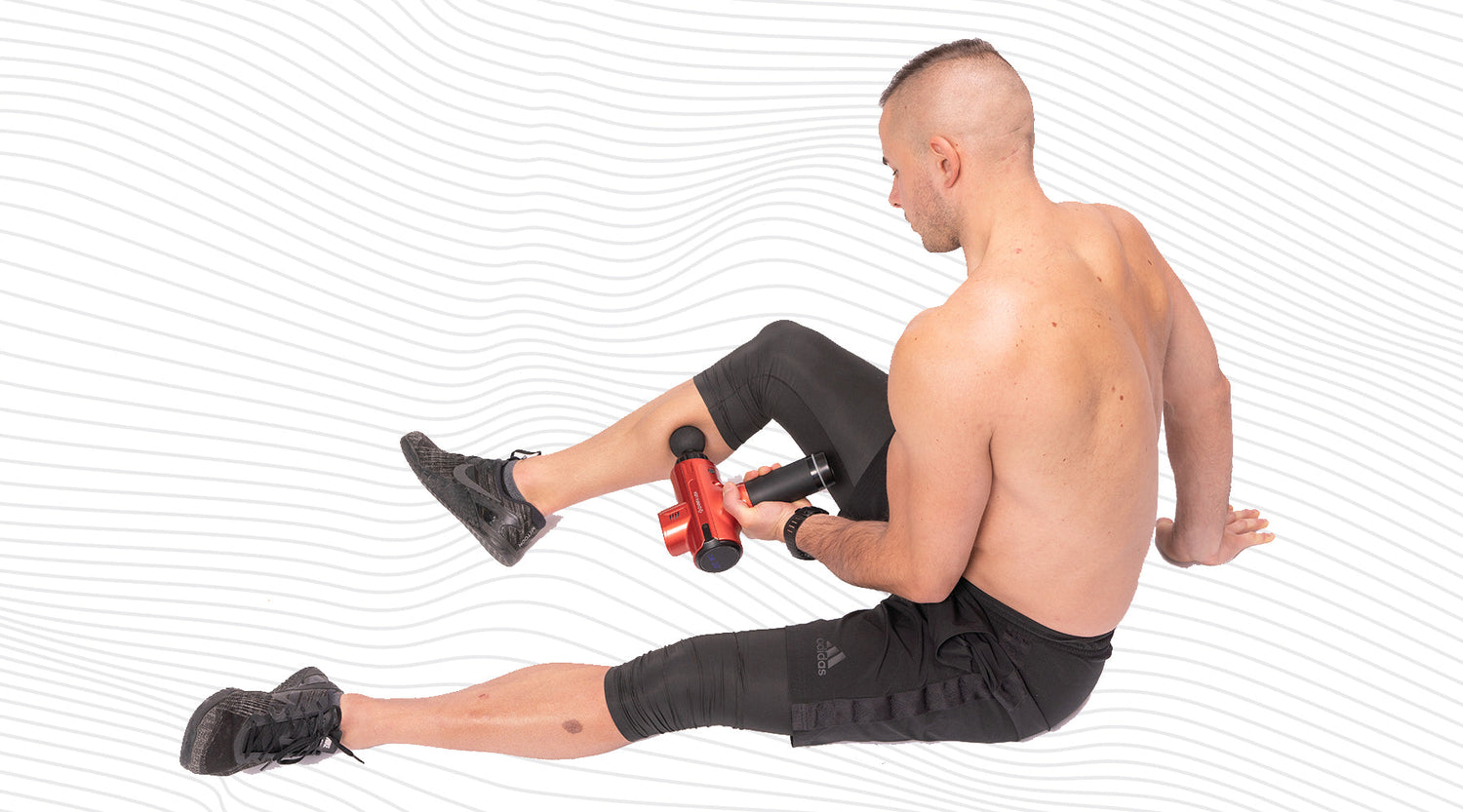
Yes, a massage gun can definitely be used to ease piriformis syndrome pain and alleviate the discomfort caused by the condition.
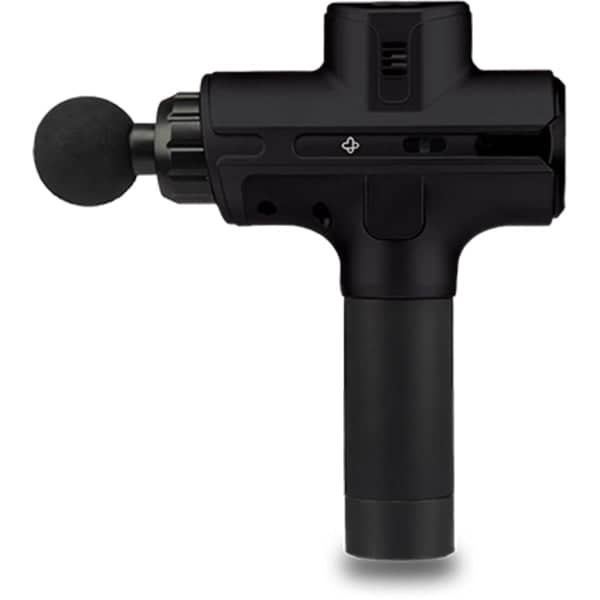
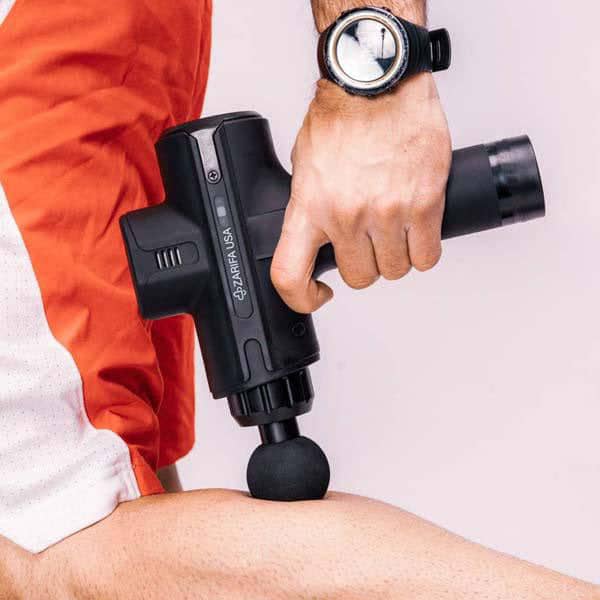
Massage guns, also known as percussion massagers, are handheld devices designed to deliver targeted vibrations and deep oscillations to relax and massage tight or irritated muscles. They provide a convenient, drug-free way to relieve muscle tension and improve circulation.
Massage is a commonly used treatment for piriformis syndrome. A deep-tissue massage of the thigh muscles is very helpful in managing the condition. However, performing this massage by hand can be challenging and tiring. Massage guns offer a convenient and effective solution, delivering consistent deep-tissue pressure to the muscles and helping relieve discomfort more efficiently.
Best massage gun For piriformis syndrome
If you are looking for a massage gun to relieve your piriformis muscle pain, we recommend visiting the Zarifa USA website. We offer 3 different massage guns with excellent features.
Z Smart Massage Gun
Key features:
- It is a portable massage gun that you can use for deep tissue massage whenever you want. It is especially great for targeting overlooked areas like the elbows, shoulders, and hips.
- Lightweight, compact carrying case for easy portability
- It charges quickly and can hold the charge for 5 hours.
- 20 adjustable speed settings to customize massage intensity for your comfort and needs
- It has 8 different massage heads. You can choose the desired head depending on which muscle group or part of the body you are targeting.
- 1,200 to 3,200 percussions per minute for deep, effective muscle relief
- Touchscreen LED display with quiet motor technology for a seamless, relaxing experience
Health+ Massage Gun
Key features:
- It is a portable, easy-to-use massage gun.
- It utilizes zTech health sensors which help to track your heart rate, calorie burning, and body temperature.
- Lightweight Carrying Case:Conveniently store and transport the massage gun, attachments, and charger
- It has a responsive touch screen that displays your battery level, intensity, and health metrics.
- Long Battery Life:Up to 6 hours of continuous use
- Customizable Speeds:9 speed levels with oscillation RPMs ranging from 1,600 to 3,500 for personalized massage intensity
- Versatile Attachments:8 interchangeable heads to target different muscle groups and areas
- Deep Tissue Performance:60 lbs stall force and 16mm amplitude for effective deep muscle treatment
- Quiet & Powerful Motor:Provides strong relief without disrupting relaxation
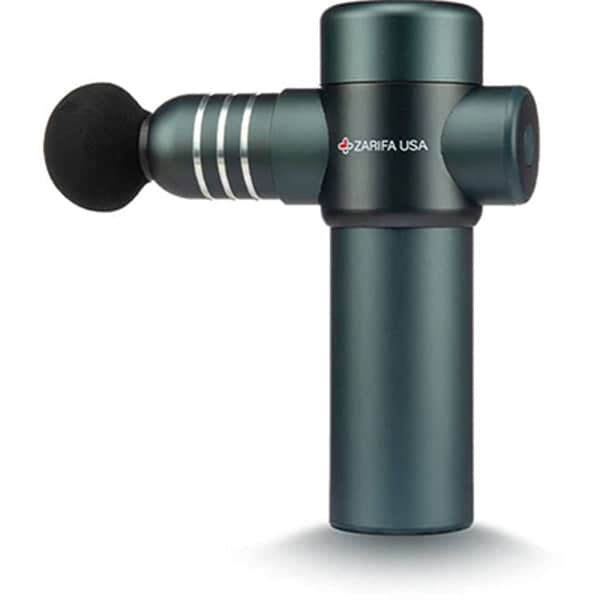
The Mini-Massage Gun
Key features:
It is an amazingly portable massage gun that can easily fit in your pocket. It's lightweight, weighing only 1.25 lbs, and easy to travel with because of its compact design.
- Customizable Speed & Intensity:5 speed levels with 1,600 to 3,500 RPMs and 12 mm amplitude for effective deep-tissue massage
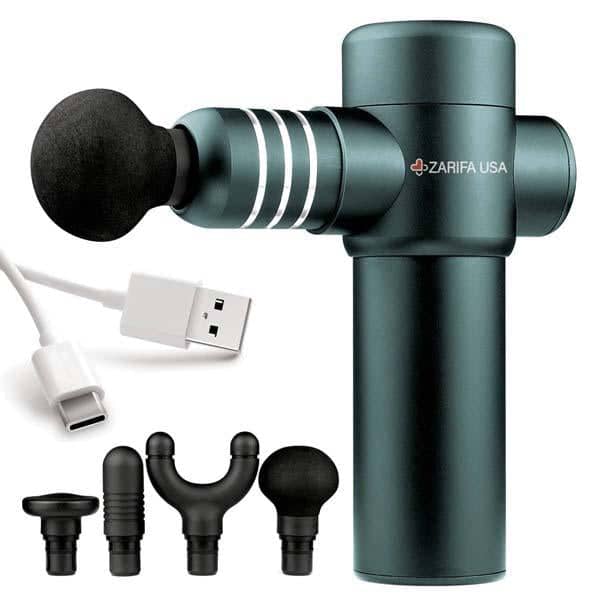
- Versatile Attachments:Includes 4 interchangeable massage heads to target different muscle groups
- Convenient Charging:USB Type-C charging with up to 4 hours of battery life
- Quiet Operation:Powerful yet silent motor for a relaxing, noise-free experience
What are the benefits of using a massage gun for piriformis syndrome?
The following are some benefits of using a massage gun for piriformis syndrome.
Increases blood circulation
Using a massage gun stimulates blood flow to the affected area, accelerating muscle recovery. The increased circulation delivers more oxygen and nutrients to the piriformis muscles, helping them return to normal function and reducing pain and tension.
Reduces muscle spasms
A massage gun helps in loosening and stretching the muscles to relieve tension and relax the piriformis muscles. This reduces muscle spasms.
Reduces the pressure on the sciatic nerve pain
A massage gun relaxes tight muscles and eases spasms, helping to relieve pressure on the sciatic nerve. This reduction in pressure can decrease pain, numbness, and tingling, providing more comfortable movement and improved mobility.
Reduces pain and discomfort
Tightness and spasms of the piriformis muscle are the main reasons for the pain and discomfort of piriformis syndrome. Using a massage gun helps relieve this pain by loosening stiff muscles, reducing spasms, and decreasing pressure on the sciatic nerve, allowing for greater comfort and improved mobility.
Increases flexibility
Massaging the piriformis muscles and surrounding muscles can increase their flexibility and mobility. A massage gun effectively reduces muscle tension and makes muscles more flexible and easy to move.
Releases endorphins
One of the benefits of using a massage gun is the release of endorphins, the body’s natural pain-relieving chemicals. Endorphins are natural pain relievers made in the body that can temporarily manage pain associated with piriformis syndrome. Additionally, endorphins reduce stress levels and prevent muscles from tightening immediately after a massage.
How to use a massage gun for piriformis syndrome?
First, select the head of the massage gun. It is recommended to start with the softer and broader head attachment, especially if you're using a massage gun with high amplitude. Once your muscles are warmed up, you can switch to a firmer head, such as the flat attachment, to target deeper muscle layers and provide more intense relief.
Next, place the massage gun on your muscles and move the head of the massage gun in small circles to evenly distribute the pressure. For optimal results, begin with muscles farther away from the piriformis and slowly work your way toward the piriformis, allowing the surrounding muscles to relax and prepare for deeper treatment.
Always remember, don't massage directly over the sciatic nerve, and do not apply too much pressure on it. Doing so can irritate the nerve and worsen pain or sensitivity. Begin with gentle pressure, keeping the massage comfortable and pain-free, and gradually increase intensity only as tolerated.
Once you feel comfortable, you can slowly increase the pressure and speed. In case of any sharp or shooting pain in your buttock or thigh, stop the massager immediately.
If you have any medical conditions or concerns, always consult your doctor before using a new therapy like a massage gun.
How long should a massage gun be used?
Massage guns should only be applied to a particular area for 1 to 2 minutes at a time. Try to keep it moving rather than static in one area. Targeting an area for too long may result in bruising, soreness, and increased muscle tightness. Massage guns can be safely used 2 to 3 times per day. When used correctly, they help reduce inflammation and promote muscle recovery, but overuse can aggravate the condition.
Are massage guns safe to use for piriformis syndrome?
Massage guns are generally safe when used according to the manufacturer’s instructions. Incorrect use, however, can lead to localized pain or exacerbate existing symptoms, so it’s important to follow guidelines carefully.
Keep the following factors in mind for the safe and effective use of a massage gun.
Where shouldn't you use a massage gun?
The following are some areas you should avoid treating with a massage gun at home.
- Recently injured or damaged tissues, including acute muscle strains or ligament sprains
- Bones, joints, or tendons that may be vulnerable
- Areas with impaired sensation or nerve damage, as this increases the risk of injury
If the massage causes severe pain, it should be stopped immediately.
Who shouldn't use a massage gun?
A massage gun should not be used by people without consulting a professional therapist if any of the following conditions apply.
- They have diabetes
- Suffer from heart disease or vascular conditions, including varicose veins
- Are taking blood-thinning medications
- They are pregnant
How to select a good massage gun for piriformis syndrome?
The following are important factors to consider before purchasing a massage gun.
Primary factors
What is the amplitude of the massage gun?
The amplitude of a massage gun refers to the maximum distance its head moves during each vibration or oscillation. Guns with higher amplitudes will hit deeper as their heads will travel further. However, it is the speed of the massage gun which is commonly used to determine the intensity of the massage. A higher speed equates to a more intense massage.
Massage guns with higher amplitudes provide deeper, more intense pressure, even at slower speeds. This makes them ideal for athletes or highly active users who need stronger muscle relief. whereas a regular user might find the intensity too harsh for them. People with sensitive muscles who aren't regularly active usually prefer a device with low amplitude. It is up to you to decide what gun amplitude you want.
What is the RPM of the massage gun?
RPM stands for revolutions per minute and defines how many times a massage gun hits per minute. It is the standard way to describe the speed of a massage gun. Higher RPMs deliver a more intense massage, allowing for deeper muscle stimulation and faster relief.
Most massage guns feature a speed range of around 2000 RPM to 3200 RPM. It is best if the massage gun has a range of different speeds. This way, users can easily choose the speed and intensity depending on their preferences and conditions.
Secondary factors
How noisy is it?
When selecting a massage gun, look for one that operates quietly. A noisy device can disrupt your relaxation, and although it may relieve muscle tension, it could also cause unnecessary stress or a headache.
How heavy is it?
Try to choose a lightweight massage gun so that it's easy to hold and operate. A lighter massage gun is especially helpful if you have to massage a hard-to-reach place like your shoulder.
How many attachments does it have?
Try to choose a massage gun that comes with different attachments and heads. This allows you to customize the massage for different muscle groups, making it easier to target specific areas effectively and get the most relief.
Usually, ball-shaped heads work better for big muscle groups. U-shaped attachments are best for the back and shoulders. Smaller, more pointed heads are ideal for reaching deep into a muscle and targeting specific trigger points.
How long is its battery life?
Try to choose a massage gun with good battery life. This way, you don't have to charge it as often. Zarifa's Z Smart and Health+ have a 5200mAh battery, and the Mini massage gun has a 2600mAh battery.
Bottom line
Piriformis syndrome, which is often confused with sciatica, occurs when the piriformis muscle puts pressure on the sciatic nerve. This condition can make everyday activities, like standing up, sitting down, or walking, uncomfortable and painful.
The treatment for piriformis syndrome depends on its severity. In some cases, consulting a doctor is necessary, while mild cases can often be managed at home with adequate rest, gentle stretching or exercise, and massage therapy.
If you opt for massage therapy for piriformis syndrome, consider investing in a good massage gun. It is the most convenient and cost-effective option, and it provides all the benefits of a massage therapist's hands in the comfort of your home.
After reading this article, you now know what to look for in a high-quality massage gun. Zarifa USA massage guns are designed with all the essential features, making them both effective and easy to use. Zarifa USA massage guns not only have all the ideal features, but they are also easy to use. They're the best value for your money!
It is important to consult with your doctor before starting the use of any massage gun, especially if you have any doubts or pre-existing conditions.
All Zarifa USA products are HSA and FSA eligible, allowing you to use your health savings or flexible spending funds to invest in your wellness. This makes it easier than ever to access drug-free pain relief and premium massage therapy products for your home.
Experience fast, drug-free relief from piriformis syndrome today with Zarifa USA massage guns. Shop now and target your pain with precision and comfort!